Burkina Faso vs Mali
On research quality in 2022-now, Burkina Faso ranks #116 in the world and Mali #118, of 189 countries. Burkina Faso stands higher in 3 of the 5 fields both publish in, Mali in 2.
Research profiles alike: 0.70similar shapes of research, whatever their size. How it is measured
Compare other countries
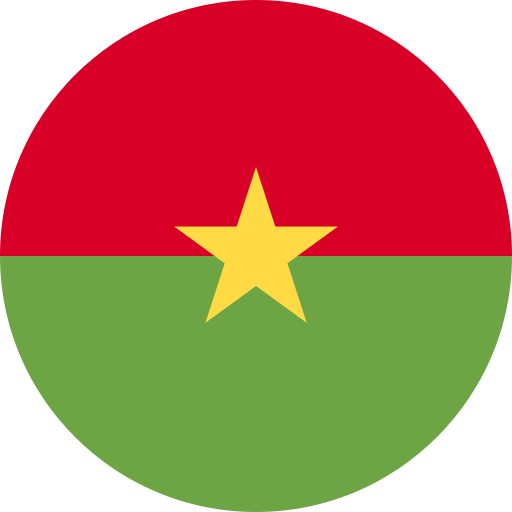 Burkina Faso
- World rank, 2022-now
- #116
- #94 all time
- Works, 2022-now
- 4.4k
- fractional
- Top-10% rate
- 6.1%
- share of its work among the world's most cited
- Open access
- 66%
- of its works free to read
Strongest relative focus: Horticulture, Forestry, Ecology, Evolution, Behavior and Systematics.
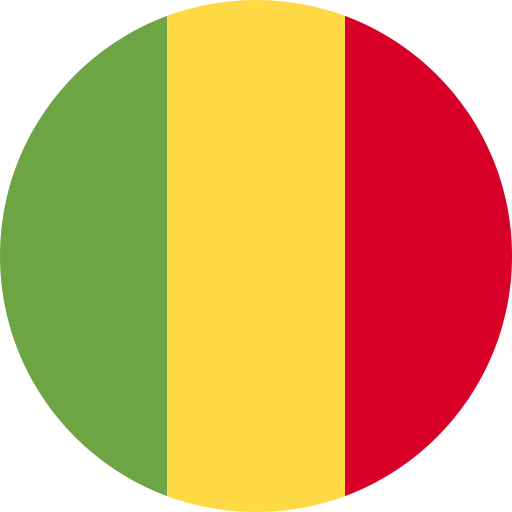 Mali
- World rank, 2022-now
- #118
- #81 all time
- Works, 2022-now
- 1.9k
- fractional
- Top-10% rate
- 5.0%
- share of its work among the world's most cited
- Open access
- 62%
- of its works free to read
Strongest relative focus: Medical Terminology, Forestry, Horticulture.
Who leads, measure by measure?
Burkina Faso leads on 6 of 9 measures: research quality, citation excellence for its fields, output, top-10% rate, open access and growth. Mali leads on 2 of 9 measures: citations per work and international co-authorship. The two are level on institutions in the world top 100.
- #116Research qualityworld rank of 189 countries, 2022-now#118
- 0.59×Citation excellence for its fieldsits top-10% rate against what its topics predict; 1.00× is as expected0.56×
- 4.4kOutputfractional works, 2022-now1.9k
- 6.1%Top-10% rateshare of its works among the world's most cited5.0%
- 10.1Citations per workall time, per fractional work14.4
- 0World top 100institutions it holds among the world's best 1000
- 66%Open accessof its works free to read, all time62%
- 42%Internationalof its works written with co-authors abroad, all time46%
- +57%Growthworks in 2022-25 against 2018-21; half a bar is no change+9%
A rank is drawn as its standing: the longer the bar, the nearer the top. Anything else is drawn against the larger of the two, and two values a hair apart are called level. Quality, citation excellence and the top-10% rate are explained in the methodology.
Who leads in each field?
Burkina Faso stands higher in 3 of 5 fields, Mali in 2. Burkina Faso leads most in Agricultural and Biological Sciences (#72 against #73); Mali leads most in Social Sciences (#119 against #130). Each bar is that side's standing among all countries ranked in the field: the full bar is first place.
- #72Agricultural and Biological Sciences#73
- #127Engineering-
- #99Environmental Science-
- #96Medicine#88
- #130Social Sciences#119
Standing is the percentile of world rank within each field, 2022-now; the printed number is the rank itself. A dash means the field is too small there to rank. How sides are compared.
The numbers behind each field
Click a heading to sort. The side that does better in a pair of columns is shaded: a lower rank, a higher rate, more works.
| Field | Burkina Faso rank | Mali rank | Burkina Faso top 10% | Mali top 10% | Burkina Faso works | Mali works |
|---|---|---|---|---|---|---|
| Agricultural and Biological Sciences | #72 | #73 | 6.5% | 7.4% | 964 | 261 |
| Engineering | #127 | - | 6.0% | - | 354 | - |
| Environmental Science | #99 | - | 5.6% | - | 259 | - |
| Medicine | #96 | #88 | 4.2% | 2.6% | 1k | 792 |
| Social Sciences | #130 | #119 | 12.5% | 6.9% | 354 | 221 |
What is each known for?
The keywords that describe each side's research, by fractional works in 2022-now and weighted toward what it does more of than the world.
Burkina Faso
- Drought Tolerance
- Child Mortality
- Community Health Workers
- Plasmodium falciparum
- Medicinal Plants
- Vaccine
- Vector Control
- Insecticide Resistance
- Genetic Diversity
- Environmental Impact
- Indigenous Fruits
- Vaccine Development
- Agroforestry
- Climate Resilience
- Sustainable Agriculture
- Multifunctionality
- Livestock Farming
- Diversity
- Sustainability
- Smallholder Farmers
- Epidemiology
- Climate Change
- Adaptation
- Agroecology
- Agricultural Development
- Work Organization
- Biodiversity Conservation
- Public Health
- Nutritional Value
- Rural Livelihoods
- Tree Domestication
- Global Burden
- Immune Response
- Governance
- Genome Sequence
- Maternal Mortality
- Artemisinin Resistance
- Health Inequalities
- Socio-economic Factors
- Health Systems
All 40 words, with their numbers
- Epidemiology493▲ 2.4×122 topics
- Smallholder Farmers430▲ 40×6 topics
- Climate Change429▲ 3.1×88 topics
- Sustainability391▲ 3.1×78 topics
- Adaptation280▲ 18×10 topics
- Diversity265▲ 30×9 topics
- Agroecology254▲ 35×3 topics
- Livestock Farming248▲ 82×3 topics
- Agricultural Development247▲ 32×4 topics
- Multifunctionality245▲ 103×2 topics
- Work Organization245▲ 124×1 topic
- Sustainable Agriculture210▲ 13×11 topics
- Biodiversity Conservation200▲ 10×16 topics
- Climate Resilience186▲ 61×2 topics
- Public Health185▲ 2.5×58 topics
- Agroforestry182▲ 53×3 topics
- Nutritional Value177▲ 31×4 topics
- Vaccine Development160▲ 12×11 topics
- Rural Livelihoods155▲ 56×2 topics
- Indigenous Fruits154▲ 131×1 topic
- Tree Domestication154▲ 131×1 topic
- Environmental Impact152▲ 1.74×59 topics
- Global Burden131▲ 4.7×12 topics
- Genetic Diversity128▲ 5.8×20 topics
- Immune Response107▲ 3.7×21 topics
- Insecticide Resistance98▲ 24×4 topics
- Governance95▲ 5.7×10 topics
- Vector Control94▲ 16×4 topics
- Genome Sequence93▲ 22×4 topics
- Vaccine90▲ 4.4×11 topics
- Maternal Mortality89▲ 7.8×5 topics
- Medicinal Plants87▲ 4.4×17 topics
- Artemisinin Resistance77▲ 46×1 topic
- Plasmodium falciparum77▲ 46×1 topic
- Health Inequalities76▲ 12×4 topics
- Community Health Workers74▲ 16×2 topics
- Socio-economic Factors71▲ 12×2 topics
- Child Mortality71▲ 19×1 topic
- Health Systems71▲ 19×1 topic
- Drought Tolerance65▲ 9.1×8 topics
Mali
- Water Sanitation Hygiene
- Universal Health Coverage
- Healthcare Quality Indicators
- Plasmodium falciparum
- Healthcare Policy
- Genome Sequence
- Health Systems
- Social Determinants of Health
- Community Health Workers
- Primary Care
- Pathogenesis
- Immune Response
- Work Organization
- Livestock Farming
- Diversity
- Vaccine Development
- Treatment
- Adaptation
- Sustainability
- Climate Change
- Epidemiology
- Public Health
- Smallholder Farmers
- Diagnosis
- Agroecology
- Agricultural Development
- Multifunctionality
- Global Burden
- Maternal Mortality
- Sustainable Agriculture
- Vaccine
- Health Inequalities
- Socio-economic Factors
- Child Mortality
- Insecticide Resistance
- Digital Health
- Artemisinin Resistance
- Healthcare Management
- Inequalities
- Maternal and Child Undernutrition
All 40 words, with their numbers
- Epidemiology278▲ 3.2×126 topics
- Climate Change132▲ 2.2×76 topics
- Public Health110▲ 3.5×54 topics
- Sustainability107▲ 2.0×62 topics
- Smallholder Farmers101▲ 22×6 topics
- Adaptation77▲ 12×9 topics
- Diagnosis76▲ 3.7×38 topics
- Treatment69▲ 2.6×44 topics
- Agroecology64▲ 21×3 topics
- Vaccine Development64▲ 11×11 topics
- Agricultural Development62▲ 18×5 topics
- Diversity61▲ 16×5 topics
- Multifunctionality61▲ 60×2 topics
- Livestock Farming61▲ 47×3 topics
- Global Burden61▲ 5.1×12 topics
- Work Organization60▲ 72×1 topic
- Maternal Mortality58▲ 12×5 topics
- Immune Response57▲ 4.6×17 topics
- Sustainable Agriculture53▲ 7.8×12 topics
- Pathogenesis50▲ 4.4×22 topics
- Vaccine48▲ 5.5×11 topics
- Primary Care44▲ 5.4×12 topics
- Health Inequalities44▲ 16×3 topics
- Community Health Workers43▲ 22×2 topics
- Socio-economic Factors43▲ 18×3 topics
- Social Determinants of Health42▲ 8.9×6 topics
- Child Mortality42▲ 27×1 topic
- Health Systems42▲ 27×1 topic
- Insecticide Resistance40▲ 23×4 topics
- Genome Sequence39▲ 21×4 topics
- Digital Health37▲ 15×3 topics
- Healthcare Policy36▲ 18×3 topics
- Artemisinin Resistance36▲ 49×1 topic
- Plasmodium falciparum36▲ 49×1 topic
- Healthcare Management35▲ 20×2 topics
- Healthcare Quality Indicators34▲ 27×2 topics
- Inequalities34▲ 49×1 topic
- Universal Health Coverage34▲ 49×1 topic
- Maternal and Child Undernutrition31▲ 17×1 topic
- Water Sanitation Hygiene31▲ 17×1 topic
Size is fractional works in the topics tagged with each word; colour is the word's share of the side's work against its share of the world's. Each word links to the topic it comes from most.
How has their output grown?
Burkina Faso has out-published Mali every year since 2007, when it overtook it.
Fractional works per year.
Their share of all research
Growing output can still be a shrinking share, because all of science grows. Each line is a side as a percentage of every work published that year.
Fractional works over all fractional works that year. How the balance of science has shifted.
How much of it reaches the world top 10%
The share of each side's works, year by year, that reached the world's 10% most cited for their field and year. The average of all institutions is 10.0% (why not 10%).
A year with under 1% of the side's peak output is left out: a rate over a handful of papers says nothing. The latest years are still being cited.
Who holds more of the world's best institutions?
A country's average quality and the number of institutions it holds at the very top can disagree, and both are worth knowing. The counts are nested: an institution in the top 50 is also in the top 100.
- 0In the world top 500
- 0In the top 1000
- 0In the top 5000
- 0In the top 1,0000
- #51Elite capacityrank among 204 countries#51
Institutions ranked on research quality, 2022-now. Elite capacity counts a country's institutions by their worldwide rank, weighted so a place at #1 counts for more than one at #480.
Which publishes more research, Burkina Faso or Mali?
Burkina Faso publishes 2.3× as much research as Mali in 2022-now (4.4k against 1.9k fractional works).
Whose research has more impact, Burkina Faso or Mali?
6.1% of Burkina Faso's research reaches the world's top 10% most cited, against 5.0% for Mali.
Is Burkina Faso or Mali growing faster?
Output in 2022-25 was +57% against 2018-21 for Burkina Faso, and +9% for Mali.
Which has more open access research, Burkina Faso or Mali?
66% of Burkina Faso's research is free to read, against 62% of Mali's.
Which has more world-class institutions, Burkina Faso or Mali?
Burkina Faso holds 0 of the world's top 100 research institutions and Mali 0; in the top 1,000 it is 0 against 0.
Which institutions lead in each country?
The highest-ranked institutions on each side on research quality, 2022-now. The percentage is each institution's own top-10% rate: the share of its works that are among the world's 10% most cited for their field and year. Every figure stands alone, so they do not add up to 100%.
Burkina Faso
- 1Nazi Boni University4.8% top 10% · 494 works
- 2Université Joseph Ki-Zerbo4.7% top 10% · 1.2k works
- 3Institut de Recherche en Sciences de la Santé8.0% top 10% · 311 works
- 4Centre National de la Recherche Scientifique et Technologique5.3% top 10% · 308 works
- 5University of Koudougou4.7% top 10% · 323 works
- 6Centre Hospitalier Universitaire Yalgado Ouédraogo2.1% top 10% · 295 works
Mali
- 1Université des Sciences, des Techniques et des Technologies de Bamako6.0% top 10% · 328 works
- 2University of Bamako3.4% top 10% · 385 works
- 3Mali-Folkecenter2.3% top 10% · 477 works
- 4Université des Lettres et des Sciences Humaines de Bamako4.9% top 10% · 176 works
- 5Institut National de Recherche en Santé Publique5.7% top 10% · 71 works
- 6Ministry of Economy and Finance10.7% top 10% · 71 works
The number is the rank inside the country. The track on each row is the top-10% rate; the tick is the average of all institutions, 10.0% (how it is set): teal above it, red below. The ranking is the quality score, which compares the rate with what each institution's own topics predict and adds a small reward for size, so the rates do not fall in order.
Who are the top researchers on each side?
The most cited researchers on each side, among those ranked.
Burkina Faso
- 1 Roch K. Dabiré #139,840 worldwide 11k citations · 440 works
- 2 Issaka Zongo #163,227 worldwide 5.1k citations · 111 works
- 3 N’Falé Sagnon #169,485 worldwide 5.6k citations · 113 works
- 4 Hermann Sorgho #169,773 worldwide 5k citations · 133 works
- 5 Antoine Sanou #178,067 worldwide 1.6k citations · 61 works
Mali
- 1 Samba Ousmane Sow #66,530 worldwide 20k citations · 379 works
- 2 Robert B. Zougmoré #67,997 worldwide 8.3k citations · 341 works
- 3 Ogobara K. Doumbo #80,129 worldwide 33k citations · 514 works
- 4 Boubou Tamboura #86,714 worldwide 10k citations · 63 works
- 5 Kassoum Kayentao #103,548 worldwide 9k citations · 217 works