Science news
Recent stories from university newsrooms, The Conversation, CORDIS, observatories and ScienceDaily, each sorted into the fields, countries and institutions it is about, and each linked to the original publisher. Narrow them below by subject, country, institution, source, words or period. A signed-in reader can follow any filtered view and be told when a new story matches it.
3,090 stories match these filters.
-
How Wall Street is shifting electric utilities toward consolidation and profit
Electric utilities don’t make money from selling power to customers, but instead profit from investments in power plants, wires, substations and other equipment.
-
Building data centers in space is an intriguing idea on paper, but major engineering challenges must be solved
A data center could get more solar power and be kept much colder in space, but it would be extremely difficult to repair and update.
-
Artificial intelligence evaluates chemical spectra in minutes (opens the original)
Researchers from the University of Jena, Helmholtz-Zentrum Berlin, and Zakodium develop AI system for chemical structure analysis
-
Could lake sediments reveal a hidden carbon sink? (opens the original)
When forests burn, large amounts of carbon are released into the atmosphere. But not all of that carbon disappears into the air. Some is transformed into a stable material known as pyrogenic carbon, which can remain stored in sediments for hundreds or even thousands of years.
-
Swedish forest growth is becoming increasingly variable – researchers seek to understand why (opens the original)
In a new study researchers have identified five periods of increase and decline in Swedish forest growth over the past 30 years. They now present hypotheses about the factors driving these changes and call for a better understanding of the processes that regulate forest growth in a changing climate.
-
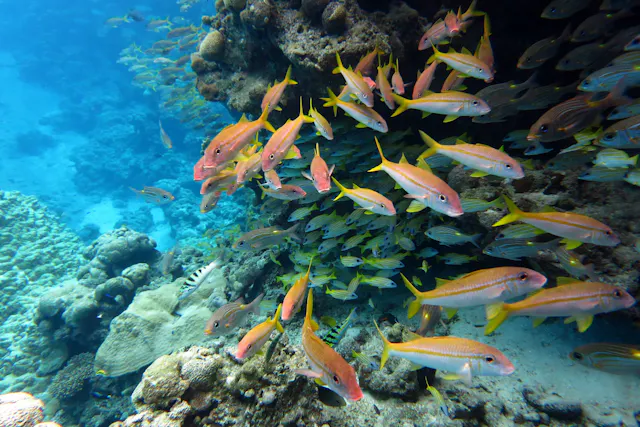
The world agreed to protect 30% of the ocean by 2030 – but marine protection can’t be judged by area alone
So far, about 10% of the ocean has formal protection as countries work toward the 30x30 goal, but many areas are still protected on paper only.
Picture: Wendy Cover/NOAA
-
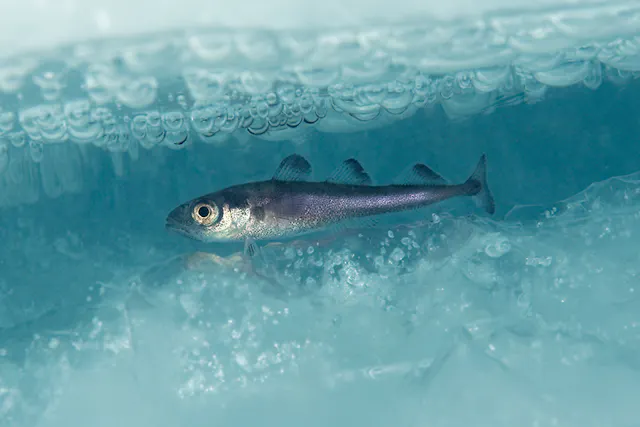
This successful Arctic fishing treaty has kept Russia, China, the US and others working together for 5 years – it could be a model for future diplomacy
As sea ice melts, more of the Arctic Ocean opens up. A former ambassador explains how this treaty creates time for scientists to figure out what lives there.
Picture: Erling Svensen/Artsdatabanken, CC BY
-
Paving paradise: Dismantling the Roadless Rule threatens to disrupt wildlife, water and peace in the last quiet places in America
The constant noise of traffic is so ubiquitous, it is barely noticeable to our ears – until we step into a roadless forest and experience true quiet.
-
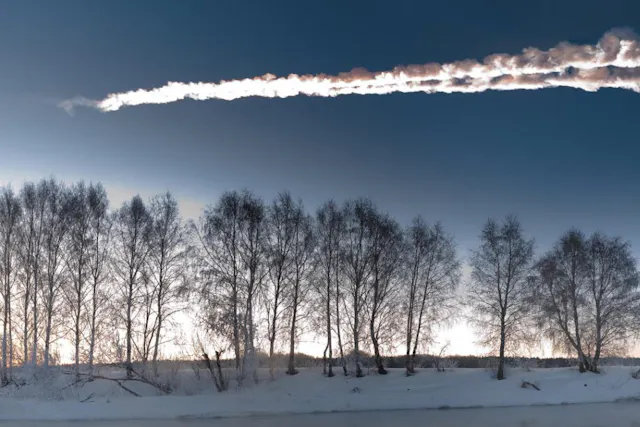
Sonic booms from meteors can release the energy of hundreds of tons of TNT – here’s how they work
2026 has already been a banner year for meteor spottings and sonic booms across the world.
Picture: M. Ahmetvaleev/European Space Agency
-
How to write a compelling climate haiku
A haiku builds a scene and then breaks it. Climate change has exactly that shape, which means the form itself can carry the science.
-
Light into the darkness: Jena scientist researches the origin of life (opens the original)
Corinna Kufner is a new professor at the University of Jena and is investigating the influence of sunlight on the formation of the first biomolecules on Earth
-
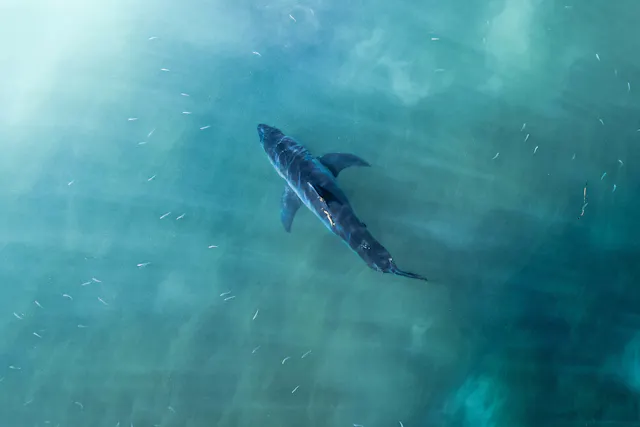
Do shark culls keep people safe in the ocean? Here’s what the science says
Culls are back on the table after a shark bit a woman at Coogee beach on Saturday.
-
Why the US government shut down Anthropic’s latest Claude AI model
An “export control directive” for Anthropic’s Fable and Mythos models highlights the chaotic, fast-changing state of AI regulation.
-
Flying taxis and delivery drones could soon crowd city skies. What happens when they fail?
Vivid Sydney’s drone disaster shows why ensuring autonomous aircraft can perform safe, emergency landings must be a priority.
-
The giant viruses that orchestrate life in the polar regions
Long overlooked because of their size, giant viruses are now redefining the frontiers of microbiology.


Read: The Conversation, CORDIS, ESO, NASA, ScienceDaily and the newsroom feeds of 734 institutions. Last read: today. Each story's date is its publisher's. Where the news comes from, and what each source allows.