Science news
Recent stories from university newsrooms, The Conversation, CORDIS, observatories and ScienceDaily, each sorted into the fields, countries and institutions it is about, and each linked to the original publisher. Narrow them below by subject, country, institution, source, words or period. A signed-in reader can follow any filtered view and be told when a new story matches it.
627 stories match these filters.
-
Downtown Rochester Farmers' Market (opens the original)
Visit the Henry Ford Health table at the Downtown Rochester Farmers' Market to meet with Henry Ford Health staff and get information on a variety
-
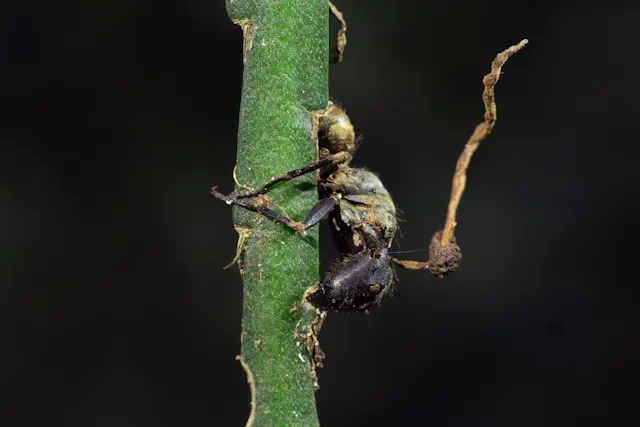
Zombies are real – just ask the parasites taking over the bodies and brains of insects and rodents, leading them to their doom
Parasitic fungi, wasps, worms and amoeba can control the behavior of their hosts in various horrifying ways.
- Georgia Institute of Technology
- United States
- Agricultural and Biological Sciences
- Biochemistry, Genetics and Molecular Biology
Picture: Denis Zabin/iNaturalist, CC BY-SA
-
Bat signals: Research sheds light on creatures of the night (opens the original)
Shane Seheult loves bats. Like, really loves bats – like, has a bat tattoo, has been a part of the McMaster Bat Lab for the last eight years, dressed up as a bat to present his bat research, and even runs public Meet-A-Bat days so that other people can meet his favourite creature and get
-
McMaster discovery points to new weakness in the bacteria behind tuberculosis (opens the original)
Mycobacterium tuberculosis is a remarkably resilient organism. With complex DNA repair mechanisms that allow it to fix damage incurred from antibiotics, immune cells, and other stressors, the bacteria — which, as its name suggests, causes tuberculosis — is capable of withstanding particularly hostile conditions…
-
SDSU researchers contribute to award-winning multistate livestock reproduction project (opens the original)
Two South Dakota State University researchers played key roles in a five-year, multistate livestock reproduction initiative recently recognized with the 2026 Excellence in Multistate Research Award.
-
Press Herald interview Dill on Maine Lyme disease cases (opens the original)
Portland Press Herald interviewed Griffin Dill, who manages the University of Maine Cooperative Extension’s Tick Lab, on Lyme disease cases in Maine which is tracking slightly ahead of 2025. “They’re
-
Florida Department of Health considers dropping 4 school vaccine requirements – here’s what that could mean for kids
Most parents of young children today haven’t experienced the devastating childhood diseases that used to be common before vaccines were developed.
-
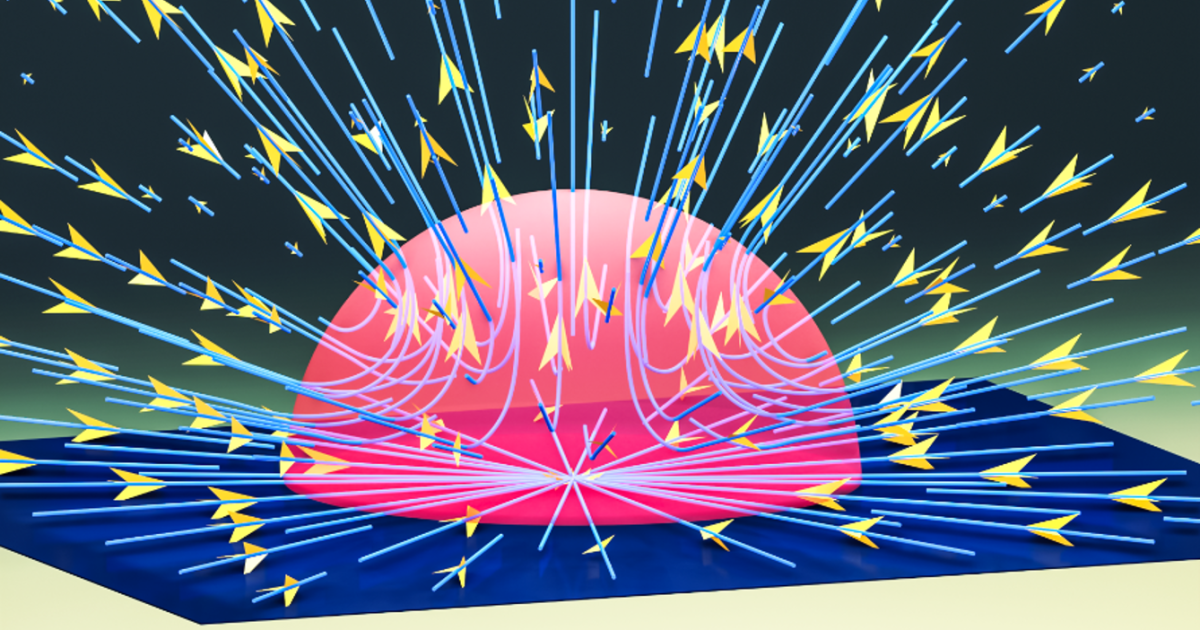
Enzymes get the flow going in crowded droplets (opens the original)
Using model protein droplets, researchers show that crowding can increase enzyme activity, while enzyme activity can make molecules in the droplet more mobile.
-
Fred Hutch researchers optimize a radioimmunotherapy drug, examine how regulatory T cells influence immune memory (opens the original)
Multi-year, multi-million dollar R01 grants awarded to Drs. Roland Walter, Jennifer Lund
-
The asteroid killed the dinosaurs. Why did crocodiles survive? (opens the original)
Scientists may have solved a 66-million-year-old mystery: how crocodiles survived the asteroid that wiped out the dinosaurs. A sweeping analysis of fossils and ancient climates suggests that their preference for warm environments placed them in tropical refuges that remained habitable even after…
-
Beatriz Fagundo Morales: “The brain can be trained and improved, and if the brain changes, we can change too.” (opens the original)
Beatriz Fagundo Morales is a psychologist, an expert in clinical neuropsychology and a doctor of Neuroscience. Today, in addition to carrying out research in these fields, she teaches at the Faculty of Health Sciences of Manresa . Her fascination with how we remember and forget was the driving force behind her…
-
Scientists reveal a hidden snakebite crisis killing up to 513,000 people a year (opens the original)
A startling new study suggests that venomous snakebites are killing far more people worldwide than official statistics indicate, with an estimated 274,000 to 513,000 deaths every year. Researchers found that as many as 7 million people could suffer snake envenoming annually, while more than…
-
Watching ribosomes in the making all at once (opens the original)
A combination of cryogenic light and electron tomography visualises ribosome assembly pathways inside intact human cells, providing subnanometer-resolution pre-ribosome structures, while also revealing new configurations.
-
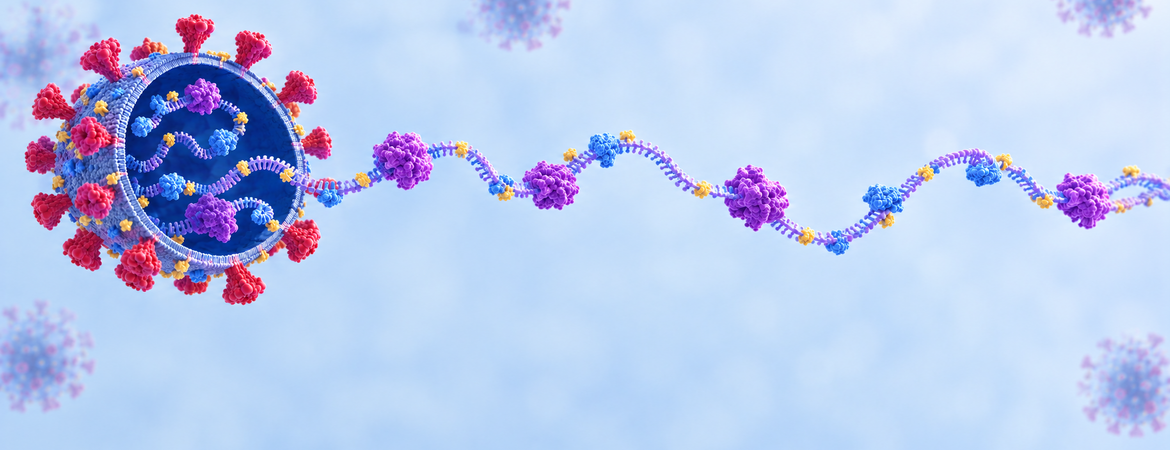
RNA-protein interactions could lead to new coronavirus drug targets (opens the original)
UC researchers identify viral processes key to broader coronavirus treatments
-
Biochar Field Day aims to turn invasive redcedar into a resource for farmers (opens the original)
An invasive tree threatening Nebraska grasslands could become a valuable resource for farmers. University of Nebraska–Lincoln researchers are bringing ranchers and farmers together to explore how eastern redcedar can be converted into biochar, a soil amendment that may improve soil health while putting removed trees…
-
Scientists discover mysterious seahorse lookalikes that no one has ever seen alive (opens the original)
Scientists have discovered that three bizarre deep-sea fish that look exactly like seahorses actually belong to a separate evolutionary group, proving that nature created the same unusual body shape more than once. Nicknamed "sea muppets," these elusive creatures are known from just seven…
-
When things go bump in the night: how our brains trick us into hearing things that aren’t there
The boundaries between sleep and wakefulness can become blurred.
-
A single brain signal may explain schizophrenia's most puzzling symptoms (opens the original)
Scientists have identified a weakened brain signal that may connect several seemingly unrelated symptoms of schizophrenia, including sensory processing difficulties, disorganized speech, and greater symptom severity. The surprising discovery could help explain the disorder's underlying mechanisms…
-
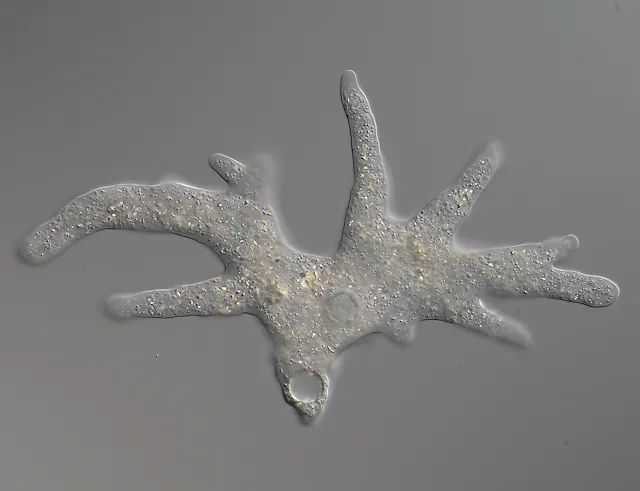
We discovered an organism that lives at blistering temperatures – but what allows it to take the heat?
This amoeba lives at hotter temperatures than any other eukaryote previously discovered.
- Gonzaga University
- United States
- Agricultural and Biological Sciences
- Biochemistry, Genetics and Molecular Biology
Picture: SmallRex/Wikimedia Commons, CC BY-SA
-
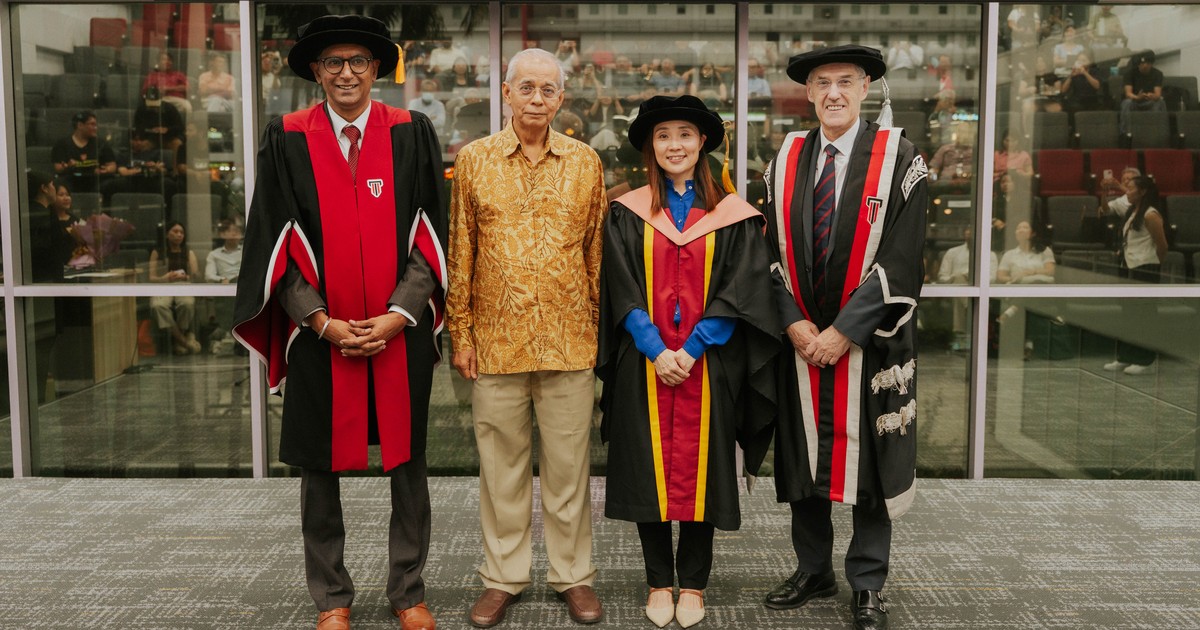
Turning Food Research into Food People Eat: Professor Dr Chong Li Choo's Inaugural Lecture (opens the original)
Professor Ts Dr Chong Li Choo on turning food research into healthier, affordable foods, from durian seeds and banana pseudostem to teh tarik.
-
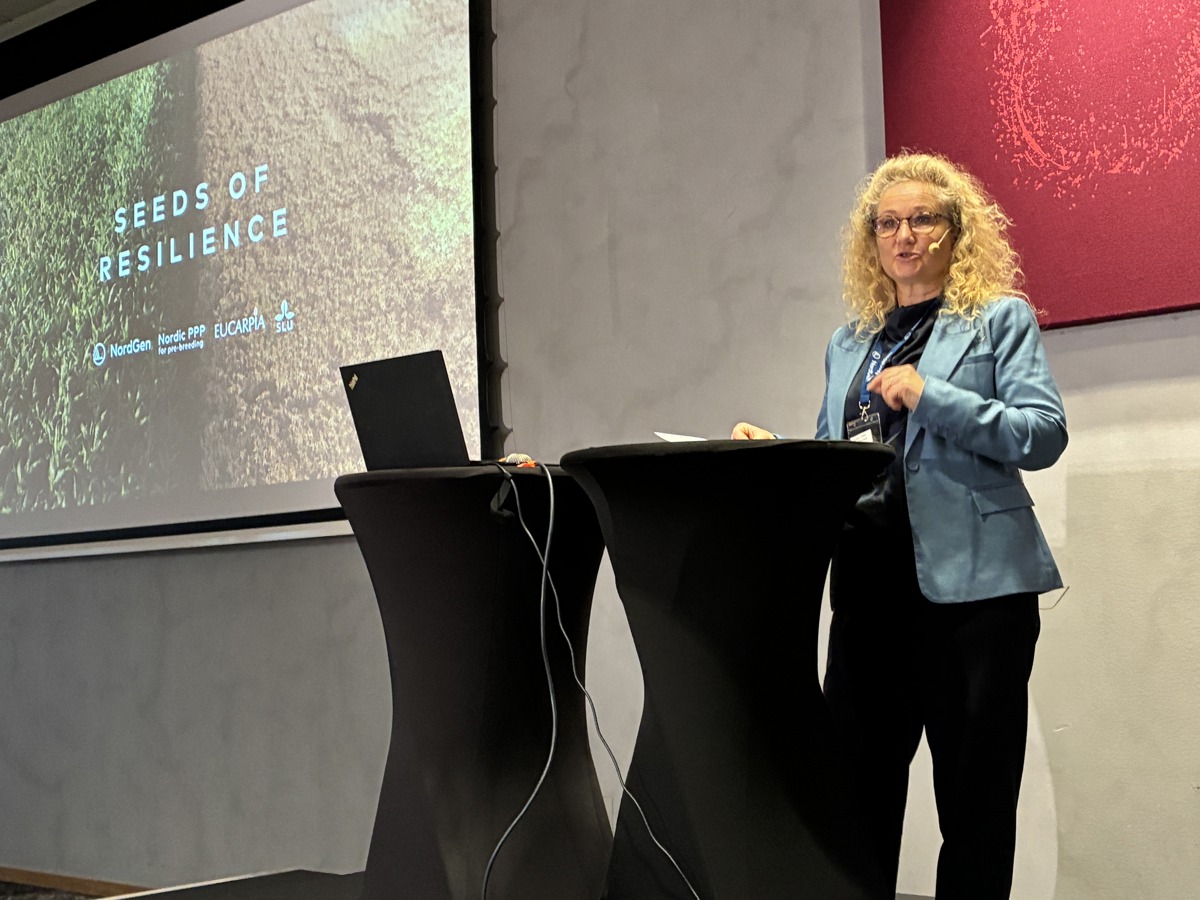
Gene banks hold the key to future food security – but preservation not enough (opens the original)
As climate change, biodiversity loss and geopolitical uncertainty increasingly threaten global food production, the world's gene banks are emerging as vital guardians of crop diversity. Yet experts warn that simply storing seeds is not enough.
-
Capturing the complete process of embryonic development (opens the original)
By tracking over 1 million cells, researchers created a detailed map of embryonic development in mice. It could provide development and disease insights.
-
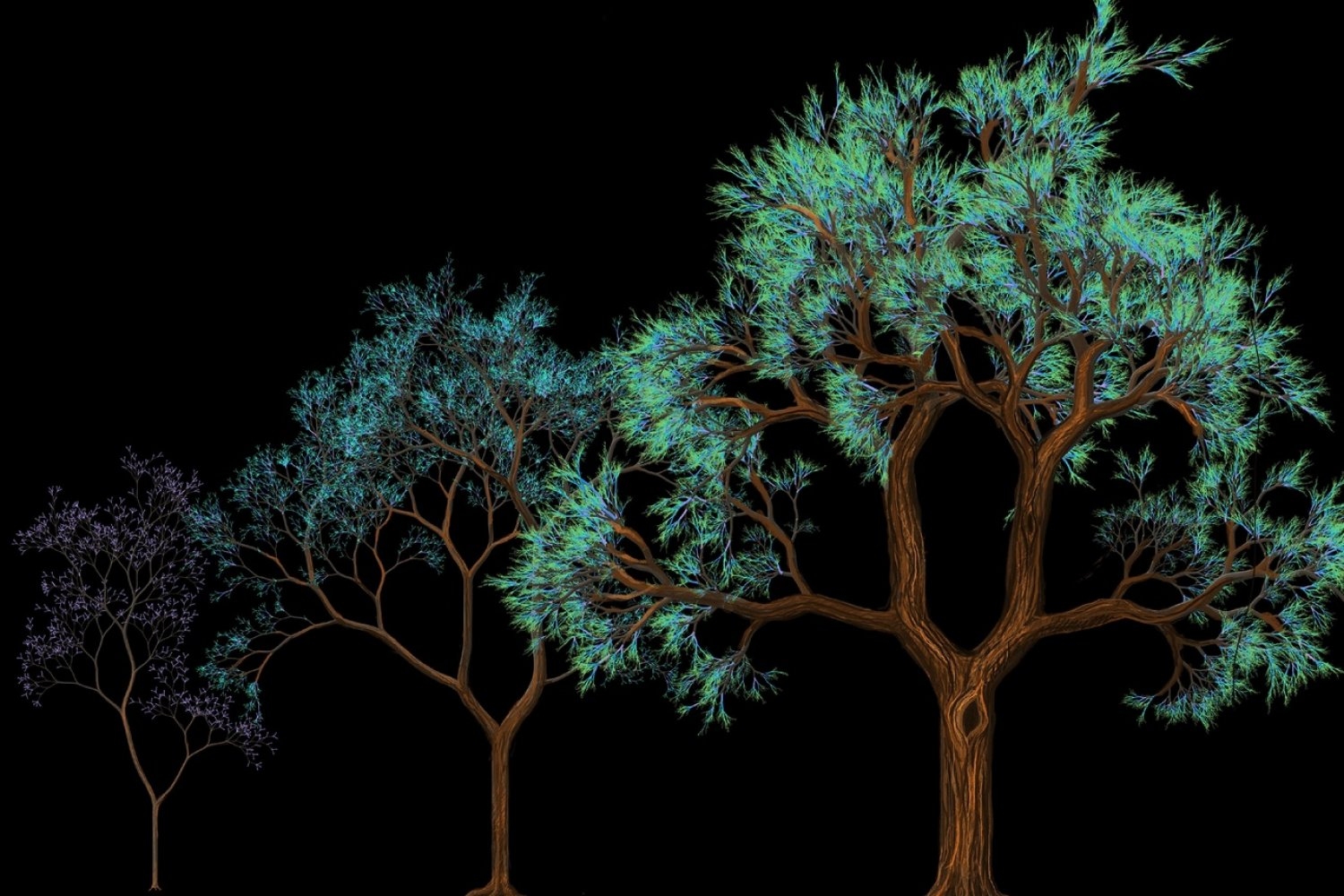
Climate change is killing the plants of Uluṟu-Kata Tjuṯa. Aṉangu traditional owners are concerned
Extreme temperatures combined with withering drought mean plants and animals on Aṉangu land are struggling to bounce back.
-
The autistic brain processes faces differently than scientists thought (opens the original)
A major new study reveals that autistic children’s brains process faces differently, and those differences may begin earlier than scientists previously thought. Researchers found that brain signals associated with recognizing faces become more specialized as neurotypical children grow older, but…
-
Scientists discover the immune system’s hidden sense of touch (opens the original)
Scientists at McGill University have discovered a surprising new ability of immune cells that could change how we understand long-term immunity. Researchers found that T cells can actually sense how stiff their surrounding tissues are, using these physical signals to help determine whether they…
-
Scientists solve a 30-year mystery behind inflammatory bowel disease (opens the original)
Scientists have identified a hidden cause of inflammatory bowel disease: antibodies that disable the immune system’s natural ability to control inflammation, potentially explaining severe illness in thousands of patients. The breakthrough also solves a 30-year genetic mystery and could pave the…
-
New evidence suggests spinosaurus spent most of its life underwater (opens the original)
Millions of years after animals first conquered land, some took an extraordinary evolutionary U-turn and returned to the water. Using machine learning and thousands of fossil measurements, Yale scientists have uncovered surprising clues about which prehistoric creatures truly became aquatic. Their…
-
Your blood could reveal inflammatory bowel disease 10 years before diagnosis (opens the original)
A major study has uncovered hidden warning signs of inflammatory bowel disease in the blood up to 10 years before diagnosis. Researchers discovered distinct antibody patterns that could help predict who would later develop Crohn’s disease or ulcerative colitis, even distinguishing people at risk…
-
Scientists discover a hidden messaging system deep inside the brain (opens the original)
A tiny region deep within the brain has surprised scientists by revealing a remarkably sophisticated communication system. Previously thought to broadcast the same chemical signal throughout the brain, this region actually sends targeted messages that help control learning, attention, and…
-
Millions take fish oil for brain health. A two-year study found no benefit (opens the original)
A surprising two-year clinical trial found that fish oil supplements successfully delivered omega-3s to the brain but failed to improve memory or protect against Alzheimer's-related brain shrinkage. Researchers suspect that getting these nutrients through a healthy diet may offer benefits that…
-
Honey bees are bullying other bees, scientists discover (opens the original)
Honeybees are aggressively pushing wild pollinators away from flowers, with scientists documenting how they chase off rivals and dominate valuable food sources. New research warns that rising temperatures and increasing honeybee populations could intensify this competition, threatening wild bees…






Read: The Conversation, CORDIS, ESO, NASA, ScienceDaily and the newsroom feeds of 756 institutions. Last read: today. Each story's date is its publisher's. Where the news comes from, and what each source allows.