Science news
Recent stories from university newsrooms, The Conversation, CORDIS, observatories and ScienceDaily, each sorted into the fields, countries and institutions it is about, and each linked to the original publisher. Narrow them below by subject, country, institution, source, words or period. A signed-in reader can follow any filtered view and be told when a new story matches it.
3,086 stories match these filters.
-
Extreme heat is harming remote First Nations communities. It’s time we listen to them
Climate change is disproportionately affecting remote First Nations communities – as three experts explain.
-
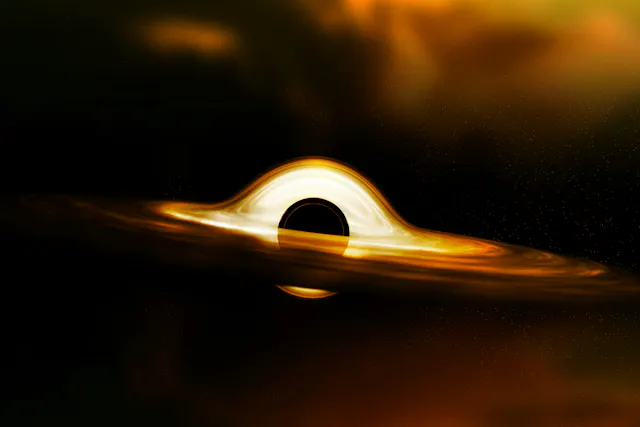
A ‘direct wave’ from colliding black holes reveals signature of a whirlpool in spacetime
For the first time, scientists have gained information from the very surface of a newborn black hole.
Picture: BoliviaInteligente / Unsplash
-
A new quantum computer sets a high watermark for accuracy – are we on the verge of a big breakthrough?
US-UK company Quantinuum has produced a fault-tolerant quantum computer with high performance.
-
Angola’s long war changed the way farmers used fire – why it matters
Understanding how rural communities use fire is the first step in managing it.
-
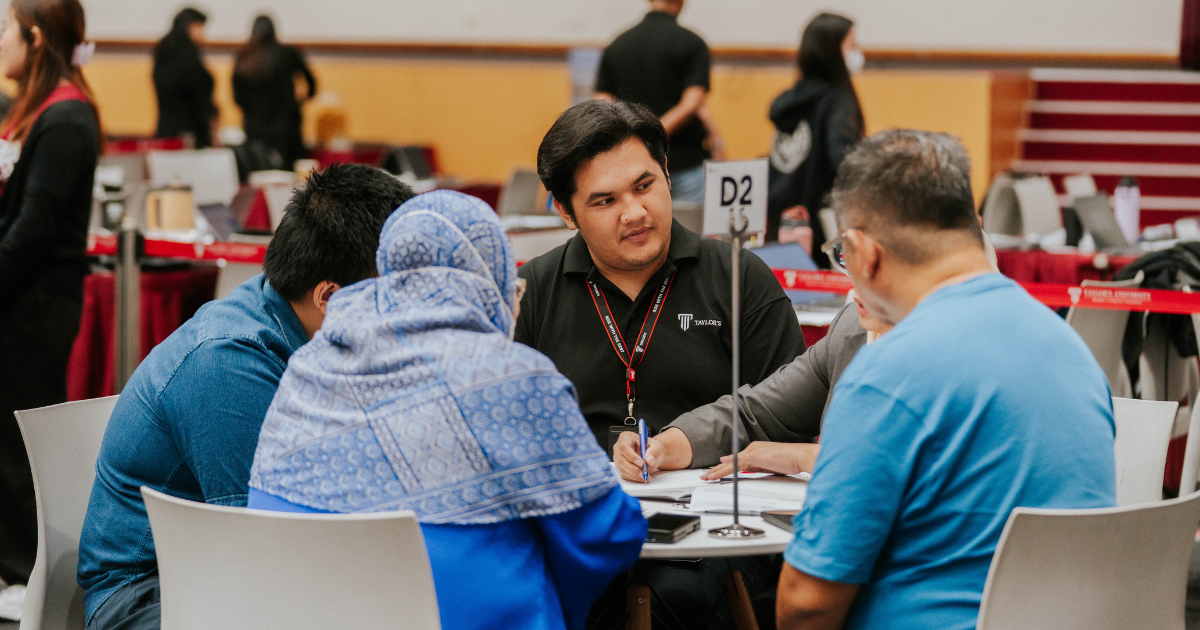
How Open Day Helped Me Decide on a Design Degree (opens the original)
Discover how Taylor’s Open Day gave Unibuddy Ambassador Brendan firsthand insight into a design degree and helped inform his decision to pursue it.
-
Bird flu has spread to two Australian states. Here’s how it could accelerate our extinction crisis
The arrival of the H5N1 strain may threaten our most vulnerable species.
-
The Lincoln Memorial Reflecting Pool is treated with ‘nanobubbles’. What are they and how do they work?
Nanobubbles are invisible, mysteriously stable, a thousand times thinner than a human hair, and surprisingly versatile.
-
InSight at a Glance | June 2026 (opens the original)
As a leading vision research institute, Doheny conducts innovative studies with the potential to transform lives. Through the generosity of our supporters, Doheny researchers and clinician-scientists remain at the forefront of global scientific discovery.
-
Earth’s oldest crater really is over 3 billion years old, new study confirms
The oldest known impact structure on Earth has been confirmed in outback Australia.
-
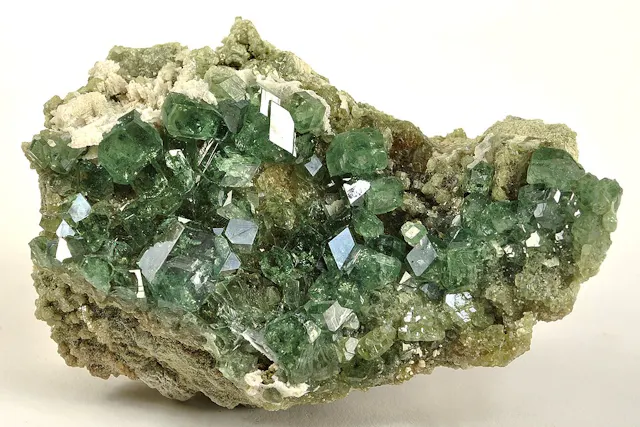
We discovered a new rock type containing garnet inside a meteorite fragment from Mars
This is the first evidence that the mineral garnet may have been formed within the crust of Mars itself, heralding clues to the planet’s complex history.
Picture: (Robert M. Lavinsky), CC BY-SA
-
Iran just outlasted the world’s most powerful military. What can Australia learn from its strategies?
Australia needs to consider how to adapt its military tactics and preparedness to meet potential future threats.
-
FIU researchers reveal how altered images can bypass AI safeguards (opens the original)
New research from FIU shows that some visual-language AI models have become particularly susceptible to image-based hacks.
-
Animals are often moved to make way for infrastructure, but we don’t know what happens to them next
Translocation intends to minimize the impacts of development. Research shows that we are moving millions of animals and have no idea what happens to them next.
Picture: (Walter Siegmund), CC BY-SA
-
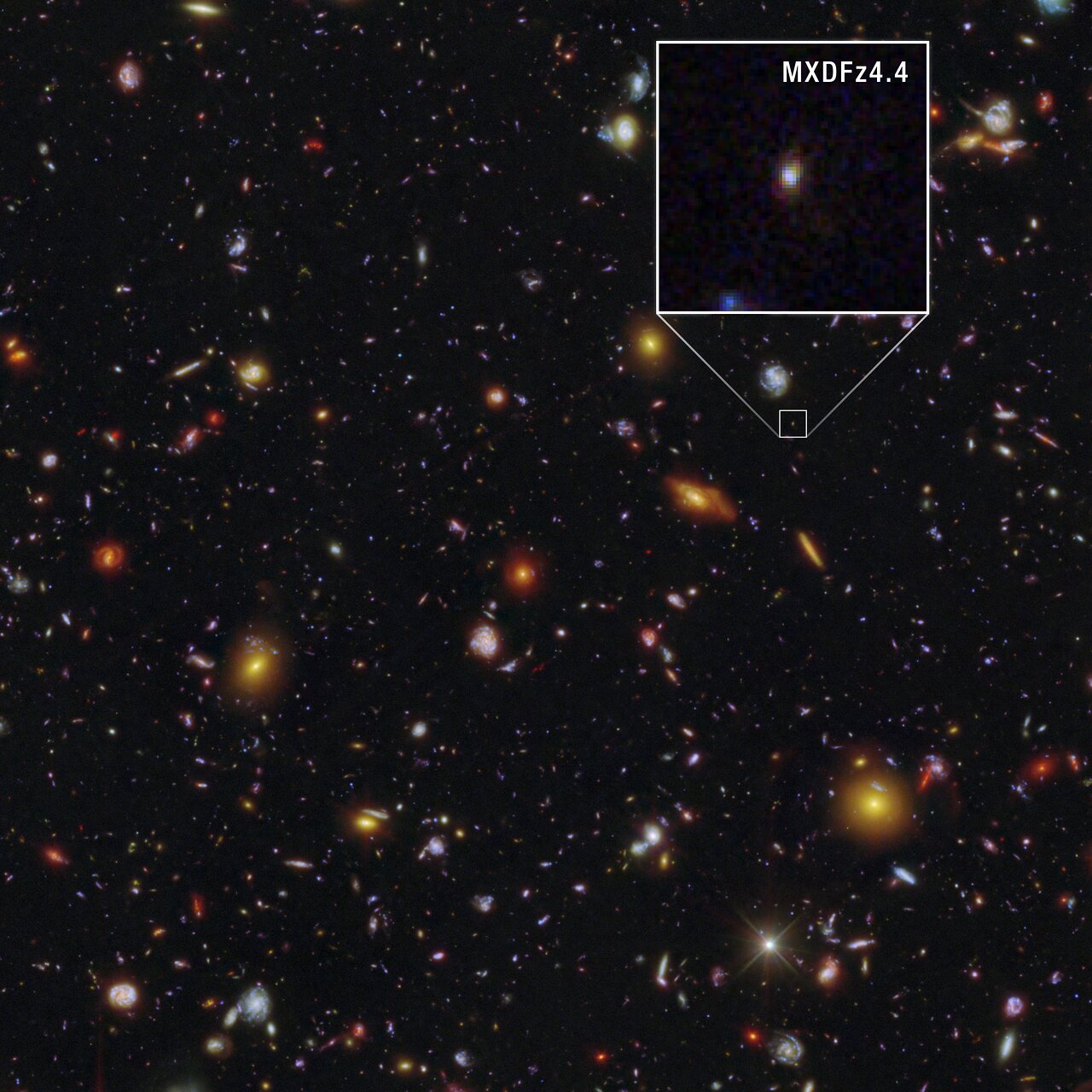
Science Release: Hubble details early galaxy transforming neighbourhood (opens the original)
Astronomers using the NASA/ESA Hubble Space Telescope have found something they never expected: ultraviolet light from a galaxy that existed just 1.4 billion years after the Big Bang. That galaxy contains tightly clustered young stars that produce ionising light capable of transforming the opaque, neutral gas within…
-
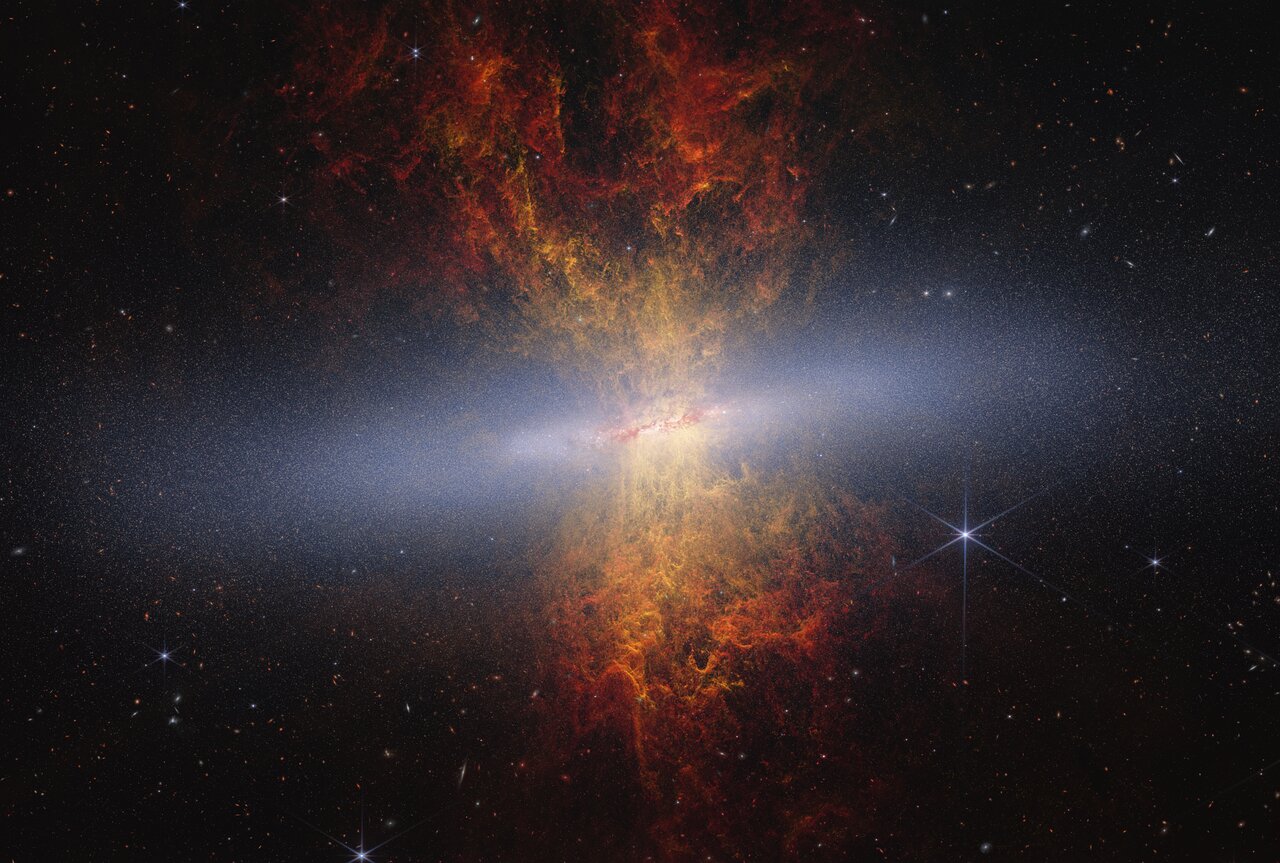
Photo Release: Webb pinpoints millions of stars within Cigar Galaxy (opens the original)
Located 12 million light-years away and undergoing rapid star formation, edge-on spiral galaxy Messier 82 (M82) is a scientifically unique sight to behold, and now the NASA/ESA/CSA James Webb Space Telescope has revealed previously unseen details.
-
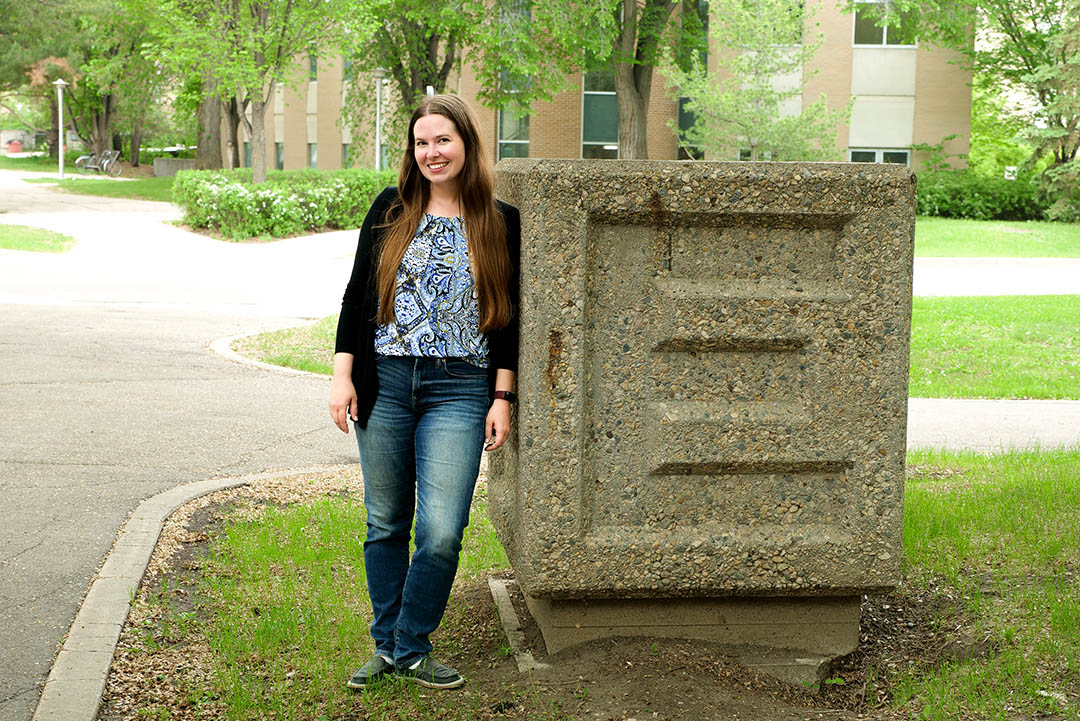
USask researcher opens doors for students in engineering (opens the original)
Dr. Reisha Peters (PhD) wants to introduce students to a side of engineering they may not be familiar with.
-
Finding a needle in the genomic haystack: Targeting rare genes using statistical outliers (opens the original)
In statistical modelling, extreme outliers are often written off as 'noise'. But a new study by researchers from Oxford's Department of Statistics and Big Data Institute published this week in The American Journal of Human Genetics reverses that principle, using these outliers as the basis of a targeting system for…
-
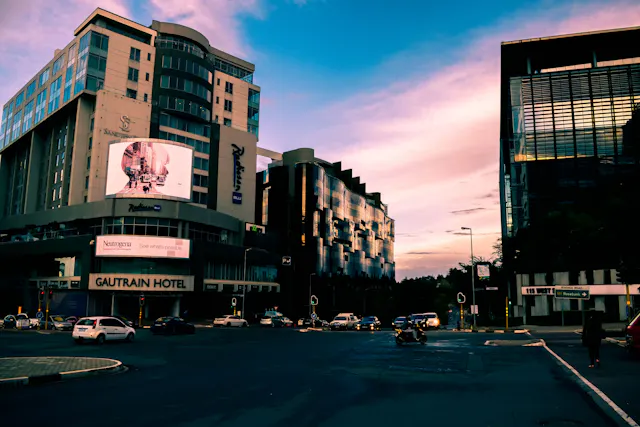
Johannesburg has taken a big new loan to help fix its electricity problems, but the results will take time
A German loan for fixing Johannesburg’s electricity utility is unlikely to make much difference to users yet: prices will probably rise faster than inflation.
Picture: pexels blaque x
-
We recreated the legendary heatwave summer of 1976 in today’s climate – here’s what we found
For 15 consecutive days, temperatures were over 32°C. Today, heatwaves are 3°C or 4°C hotter.


Read: The Conversation, CORDIS, ESO, NASA, ScienceDaily and the newsroom feeds of 734 institutions. Last read: today. Each story's date is its publisher's. Where the news comes from, and what each source allows.