Science news
Recent stories from university newsrooms, The Conversation, CORDIS, observatories and ScienceDaily, each sorted into the fields, countries and institutions it is about, and each linked to the original publisher. Narrow them below by subject, country, institution, source, words or period. A signed-in reader can follow any filtered view and be told when a new story matches it.
829 stories match these filters.
-
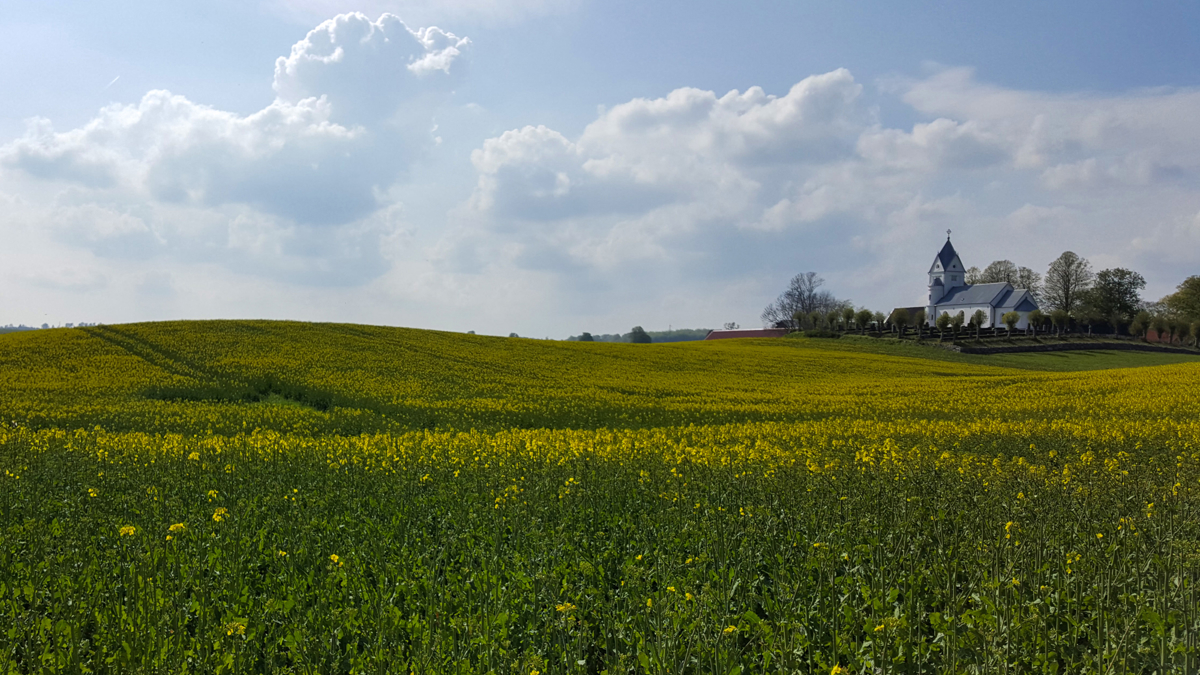
Not just meadows and pastures – arable fields can also support rich biodiversity (opens the original)
Permanent grasslands are widely recognised as key habitats for biodiversity in agricultural landscapes. However, a new study shows that arable land can also support surprisingly rich communities of plants and insects. But these habitats are threatened by agricultural intensification.
-
Struggle to pay attention? How to tweak your life to help you focus
Two experts explain why staying focused, especially in our modern world, can be so hard.
-
Scientists find antidepressant in the brains of sharks off the coast of Rio de Janeiro
Scientists have identified sertraline — the active ingredient in Zoloft and dozens of other antidepressants — in the brain tissue of hammerhead sharks caught off the coast of Rio de Janeiro.
-
A healthy diet may still make a difference for people at higher risk of dementia
New study of older adults in Sweden suggests healthier diets may still be linked to lower dementia risk even after early biological changes are detected.
-
Female baboons keep family bonds strong: research reveals the benefits
Understanding how female baboons benefit from social bonds helps humans understand their own origins.
-
Does iron accumulation in the brain contribute to neurodegeneration? (opens the original)
LA JOLLA—Neurodegenerative diseases affect tens of millions of people worldwide. Among these, Alzheimer’s and Parkinson’s diseases are the most common; in the United States alone, the Alzheimer’s Disease Association and Parkinson’s Foundation report roughly 7 million people with Alzheimer’s and another million with…
-
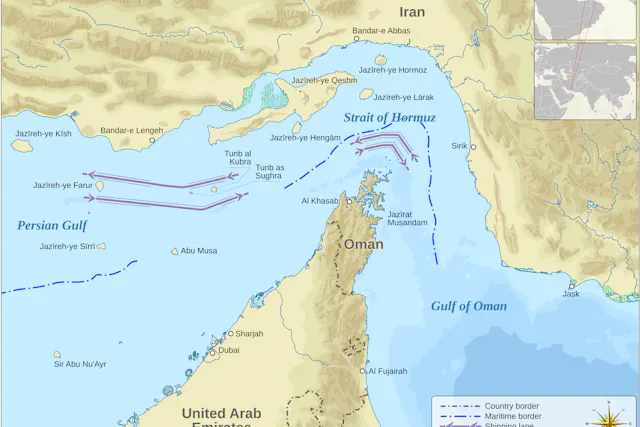
The Strait of Hormuz is finally reopening but Europe’s food chain suppliers cannot afford to be complacent
As the Strait of Hormuz reopens, a new study reveals what the agri-food industry’s priorities should be to overcome such an unprecedented logistical challenge.
Picture: Wikimedia, CC BY
-
ANOTHER CHALLENGE: CROPS, CROPS EVERYWHERE BUT LITTLE FOOD ON THE TABLE - THE POSTHARVEST ENGINEER’S STRUGGLES (opens the original)
Series No 618 Date Thu, 06/25/2026 - 12:00 Fullname Professor A. K. Aremu Department Department of Agricultural & Environmental Engineering Title ANOTHER CHALLENGE: CROPS…
-
This tiny Australian spider uses a high-powered web catapult to trap and eat aggressive ants
The ballista spider only feeds on extremely fierce green tree ants – so it has evolved sophisticated tools to safely catch its prey.
-
In deep-red Idaho, even Republicans break with Trump on farm labor
A statewide survey finds majorities in farm country at odds with the deportation push reshaping their workforce.
-
Bones communicate with the rest of the body to support overall health – here’s the science behind your skeleton
Bones are living tissues that constantly rebuild, repair and help the body stay in balance.
-
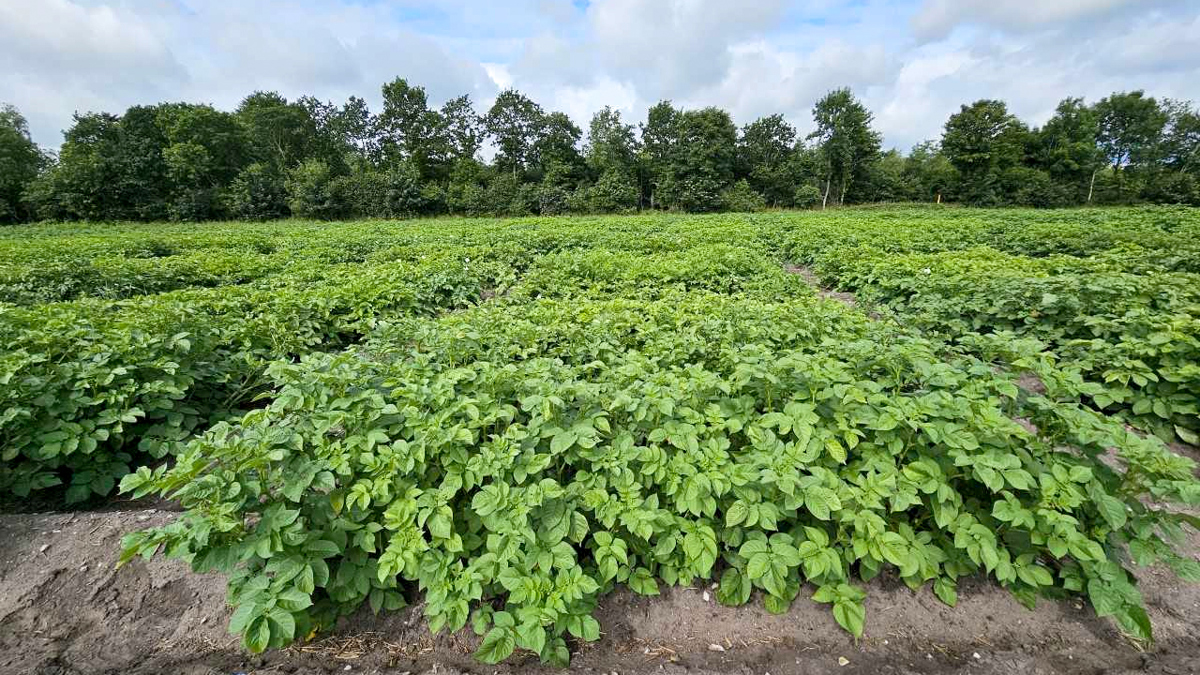
RNA-based spray targets disease without disrupting potato microbiome (opens the original)
Can RNA-based crop protection stop plant disease without disturbing the microbes that support plant health? A new SLU study shows that RNA sprays against potato late blight have minimal effects on the potato microbiome, while the disease itself causes far greater changes.
-
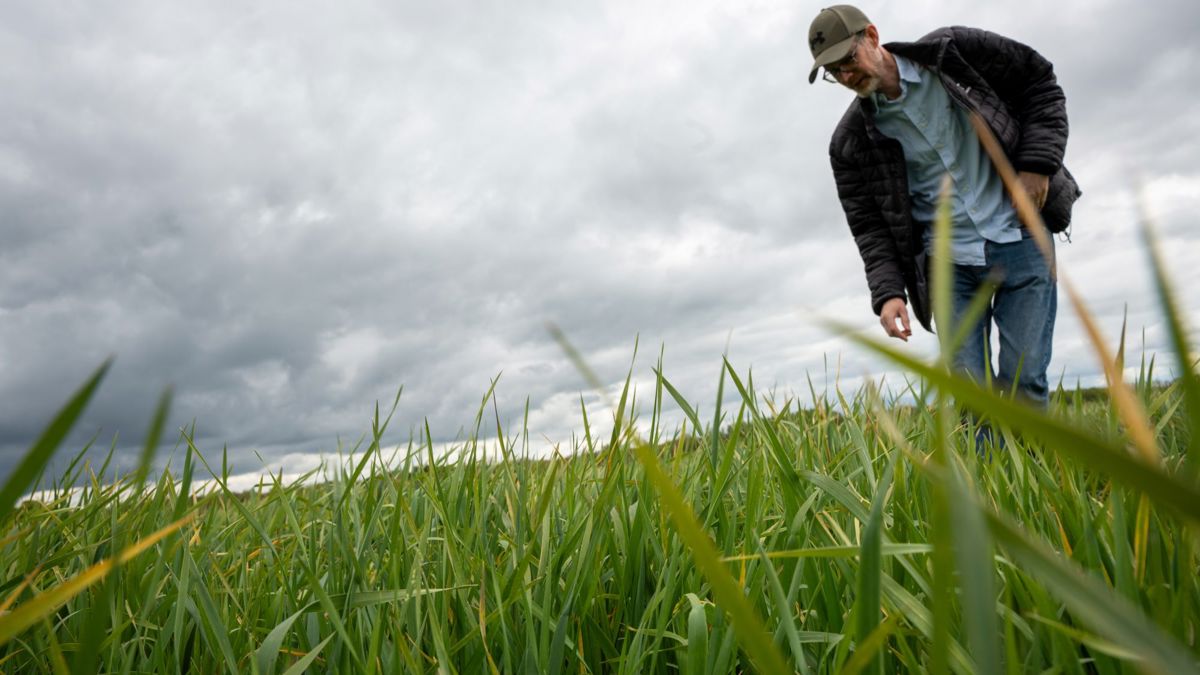
Researcher on perennial wheatgrass: "Part of a new revolution" (opens the original)
It can be harvested for several years, benefits the environment and requires less inputs than annual crops. The perennial wheatgrass Kernza represents a potential revolution in agriculture, according to SLU-researcher Valentin Picasso, who is developing the crop for a future commercial market.
-
Eight ways to sleep well in hot weather
Sleep depends partly on body temperature. When nights stay hot, these low-cost cooling strategies may help.
-
What Kenya’s fish markets tell us about choosing between nutrients and contaminants
Navigating the benefits and risks of eating fish is a daily concern for consumers in Kenya due to persistent environmental pollution. How much are they influenced by nutritional labelling and guidelines?
-
If you’re feeling down, maybe don’t pet your cat, new study suggests
Dogs and cats both give you a brief mood lift, but only one of them seems to raise your stress levels too.
-
Our eyes age too: Here’s how to reduce the risks of four common eye conditions
Aging plays a significant role in the development of conditions that can lead to blindness. However, most of these can be prevented or delayed.
Picture: (Unsplash)
-
AI technology for measuring and weighing cows (opens the original)
Researchers at the Swedish University of Agricultural Sciences have developed a mobile app that uses AI technology to measure and weigh dairy cows. The aim is to make it easier for researchers and farmers to assess animal health and welfare.
-
Red-listed species require more deadwood in forests (opens the original)
The volume of deadwood can be used to predict the presence of red-listed species in forests, according to a new study from the Swedish University of Agricultural Sciences (SLU). However, more deadwood is needed than previously assumed. This pattern applied to fungi and mosses, but not to lichens.

Read: The Conversation, CORDIS, ESO, NASA, ScienceDaily and the newsroom feeds of 734 institutions. Last read: today. Each story's date is its publisher's. Where the news comes from, and what each source allows.