Science news
Recent stories from university newsrooms, The Conversation, CORDIS, observatories and ScienceDaily, each sorted into the fields, countries and institutions it is about, and each linked to the original publisher. Narrow them below by subject, country, institution, source, words or period. A signed-in reader can follow any filtered view and be told when a new story matches it.
2,240 stories match these filters.
-
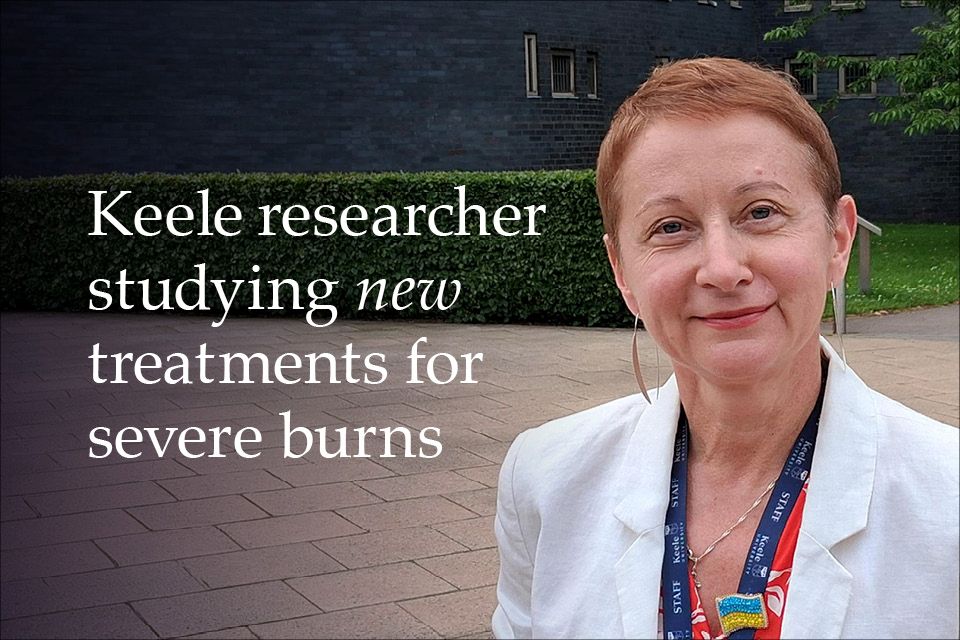
Keele researcher secures funding to help treat war-related burn injuries in Ukraine (opens the original)
A Keele University scientist has secured international funding for research that could help improve treatment for patients suffering severe burn injuries caused by the war in Ukraine.
-
From Kansas City to Brazil: Fulbright-Winning UMKC Researcher Studies Link Between Free Transit and Physical Activity (opens the original)
Joseph Lightner from the UMKC School of Nursing and Health Studies will study how zero-fare transit systems influence health outcomes across urban communities
-
Canada approves first generic semaglutide for weight loss (opens the original)
Today, Health Canada authorized a first generic semaglutide injection for weight loss.
-
Canada is getting old — and that’s our biggest advantage for 2067
Canada’ aging population is a marker of national success, not a crisis. The question is whether we will seize this moment to build the strongest aging society in the world.
-
New genomic analysis using blood plasma improves the diagnosis of severe infections (opens the original)
Jena research team identifies pathogens directly from blood plasma—even whilst patients are undergoing antibiotic treatment
-
170,000 lives at risk over next decade from weight-linked cardiovascular disease (opens the original)
Around 45 people per day are expected to die from cardiovascular disease linked to excess weight and obesity in England over the next decade.
-
What adolescents and young adults with cancer want researchers to know
A new national research agenda, shaped by patients, caregivers and clinicians, will guide the future of adolescent and young adult cancer research in Canada.
-
USask research: What’s the buzz about mosquitos this year? (opens the original)
Weeks of wild and wet weather from spring to summer have helped create the perfect storm for mass mosquito proliferation across the province this year.
-
Autistic people aren’t afraid of genetic research – they are afraid of what scientists might do with it
Most autistic people support genetic research but fear how the findings might be used. Their concerns are becoming harder to dismiss.
-
New Alzheimer’s drugs offer hope for some, but good dementia care protects the humanity of those they cannot help
Medicine may slow decline for some, but dementia care must also protect dignity, identity and story when speech begins to fade.
-
A healthy diet may still make a difference for people at higher risk of dementia
New study of older adults in Sweden suggests healthier diets may still be linked to lower dementia risk even after early biological changes are detected.
-
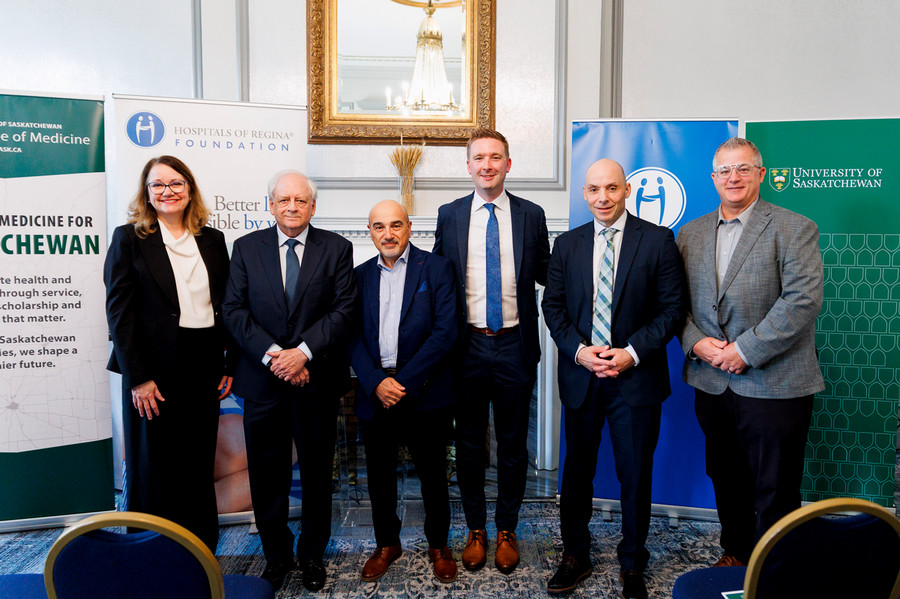
Unprecedented gift will advance pediatric research at USask (opens the original)
A $4M gift is establishing a pediatric research chair at USask to study how early life factors shape chronic disease risk and improve lifelong health.
-
Foundational research points to new therapeutic strategies for an emerging cancer drug (opens the original)
LA JOLLA—Pancreatic cancer is one of the deadliest cancers and is the third leading cause of cancer-related death in the United States. While scientists continue searching for new therapies, important advances can also come from understanding how existing drugs work. By uncovering the underlying biology, researchers…
-
Antje Körner Receives Prestigious International Award for Research on Childhood Obesity (opens the original)
A major international distinction for Leipzig-based obesity research: Prof. Antje Körner has been awarded the Willendorf Award by the World Obesity Federation.
-
Does iron accumulation in the brain contribute to neurodegeneration? (opens the original)
LA JOLLA—Neurodegenerative diseases affect tens of millions of people worldwide. Among these, Alzheimer’s and Parkinson’s diseases are the most common; in the United States alone, the Alzheimer’s Disease Association and Parkinson’s Foundation report roughly 7 million people with Alzheimer’s and another million with…
-
Can wiggling your pinky really stop cognitive decline?
TikTokers are promoting ‘pinky time’, a finger exercise they claim can help keep the brain sharp.
-
Revolutionary COPD injection given to patients for first time (opens the original)
(not verified) Tue, 23/06/2026 - 14:24 23 June 2026 Patients at Guy’s and St Thomas’ have become the first in the country to receive a revolutionary new treatment for COPD.
-
COVID, flu and RSV: who should be thinking about vaccination in NZ this winter?
Well after the COVID pandemic, NZ’s respiratory virus landscape remains unsettled. if you’re over 65, COVID and flu vaccines remain a priority.
-
People who lift weights live longer – new study
People who did around 90 to 120 minutes of strength training each week have a 13% lower risk of dying from any cause.
-
Bones communicate with the rest of the body to support overall health – here’s the science behind your skeleton
Bones are living tissues that constantly rebuild, repair and help the body stay in balance.





Read: The Conversation, CORDIS, ESO, NASA, ScienceDaily and the newsroom feeds of 733 institutions. Last read: today. Each story's date is its publisher's. Where the news comes from, and what each source allows.