Science news
Recent stories from university newsrooms, The Conversation, CORDIS, observatories and ScienceDaily, each sorted into the fields, countries and institutions it is about, and each linked to the original publisher. Narrow them below by subject, country, institution, source, words or period. A signed-in reader can follow any filtered view and be told when a new story matches it.
3,080 stories match these filters.
-
The cooling divide: how air conditioning is creating a new climate inequality
About 4% of UK homes have air conditioning, concentrated in wealthier households.
-
BRGM and Fleet Space Technologies sign MoU (opens the original)
BRGM and Fleet Space Technologies, a pioneer in space-enabled geoscience and mineral exploration, have signed a Memorandum of Understanding (MoU) to collaborate on research and development initiatives to advance national mineral resource exploration programmes.
-
What a Master of Computer Science Prepares You For in the Age of AI (opens the original)
As AI reshapes every sector, researchers who understand what holds these systems together are in short supply. Here is what an MCS prepares you for.
-
Why Antarctica froze millions of years before the Arctic – new research
New solutions to two interlinked mysteries reveal how and why the Antarctic’s enormous ice sheet formed.
-
RESEARCH: New 4D-printing method creates lighter, faster-spinning wind turbine blades (opens the original)
‘Inverse’ design approach means the carbon-fibre panels are manufactured more cheaply and efficiently than standard aluminum options
-
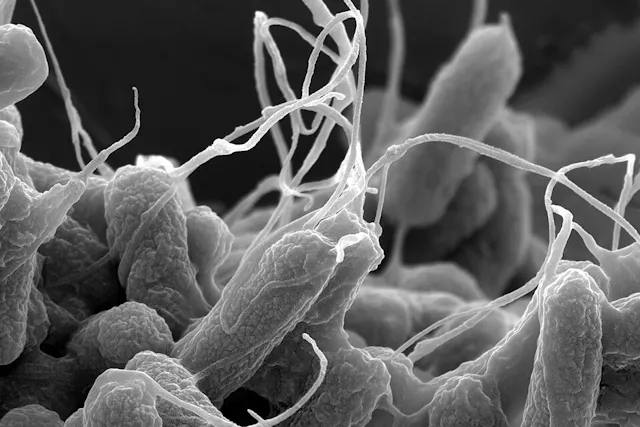
How generative AI and physics can help design new antibiotics
Scientists are using AI and physics-based simulations together to design new peptides that will kill previously drug-resistant bacteria.
Picture: (Nurgul D / Wikimedia Commons)
-
Why Denver stopped treating sidewalk repair as a DIY project – lessons for other cities and homeowners
New legislation in Denver created a program to build, repair and maintain sidewalks throughout the city.
-
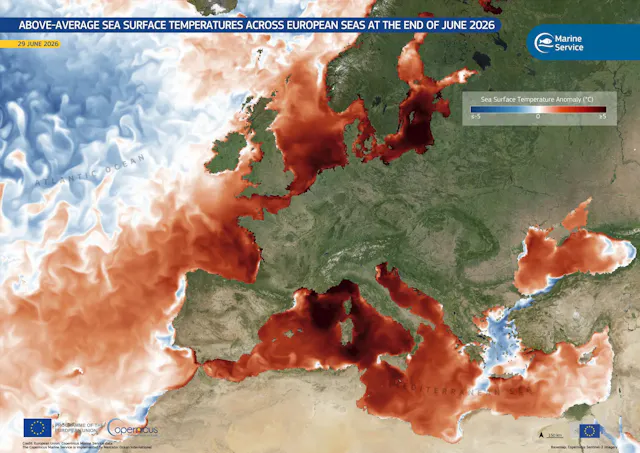
The world’s oceans are the hottest on record for June – and El Niño is set to turn up the heat even more
More than 90% of the heat trapped by greenhouses goes into the ocean. But what happens in the oceans doesn’t stay there.
Picture: opernicus Marine Service Data/European Union, CC BY-NC-ND
-
Optical writing of antiferromagnets: Towards a new generation of memories and communication networks? (opens the original)
Researchers from Augsburg and Japan have achieved a breakthrough by writing and reading magnetic information in antiferromagnets using only light. The new method, based on the momentum of laser pulses, could enable faster, low-energy data storage and directly link optical communication with magnetic memory…
-
Australia shouldn’t try to build its own frontier AI. Here’s why
The costs of building advanced, cutting-edge AI are prohibitive and Australia has few natural advantages.
-
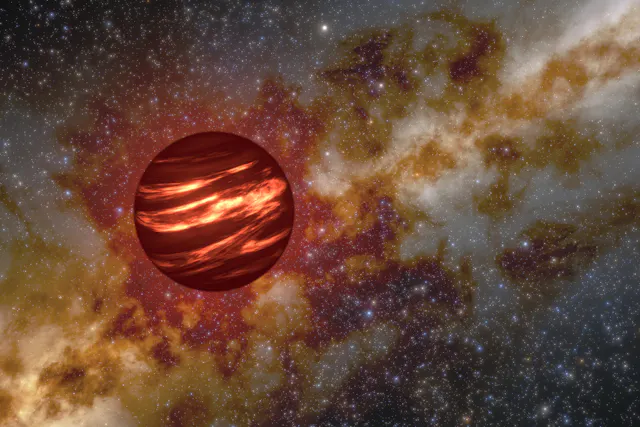
What makes a star a star? A strange ‘in-between’ celestial object is testing astronomers’ boundaries
A ‘failed star’ 1,350 light years away may hold clues about what makes other stars succeed.
Picture: NOIRLab/NSF/AURA/R. Proctor
-
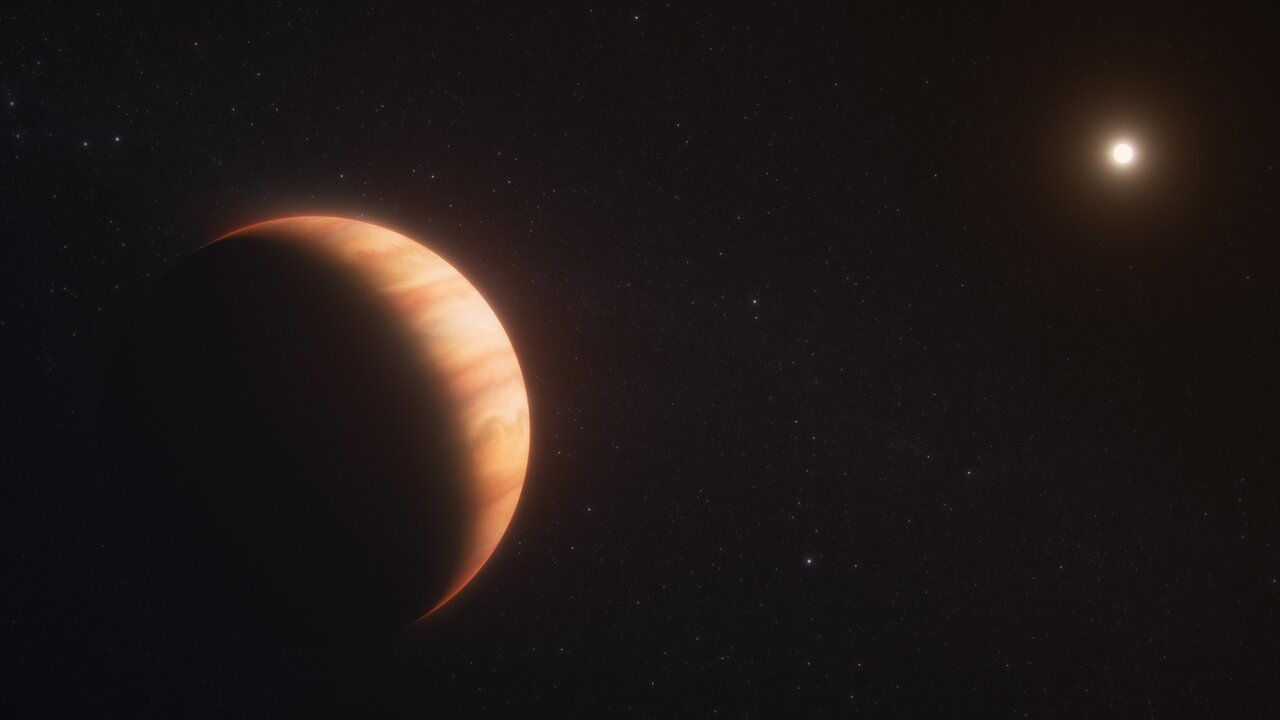
Science Release: Webb studies how a planet survived death of its star (opens the original)
An international team of astronomers have used the NASA/ESA/CSA James Webb Space Telescope to watch the Jupiter-sized exoplanet WD 1856 b transit its host star, measuring the planet’s mass and temperature and even detecting its atmosphere. They found that the planet is significantly warmer than expected and…
-
Complex food webs sustain ecosystem functioning (opens the original)
An international study published in Nature shows that biodiversity is important for the functioning of ecosystems
-
Data center fights pit social values, democracy and capitalism against each other
Data center proposals are often local controversies with significant underlying principles at stake.
-
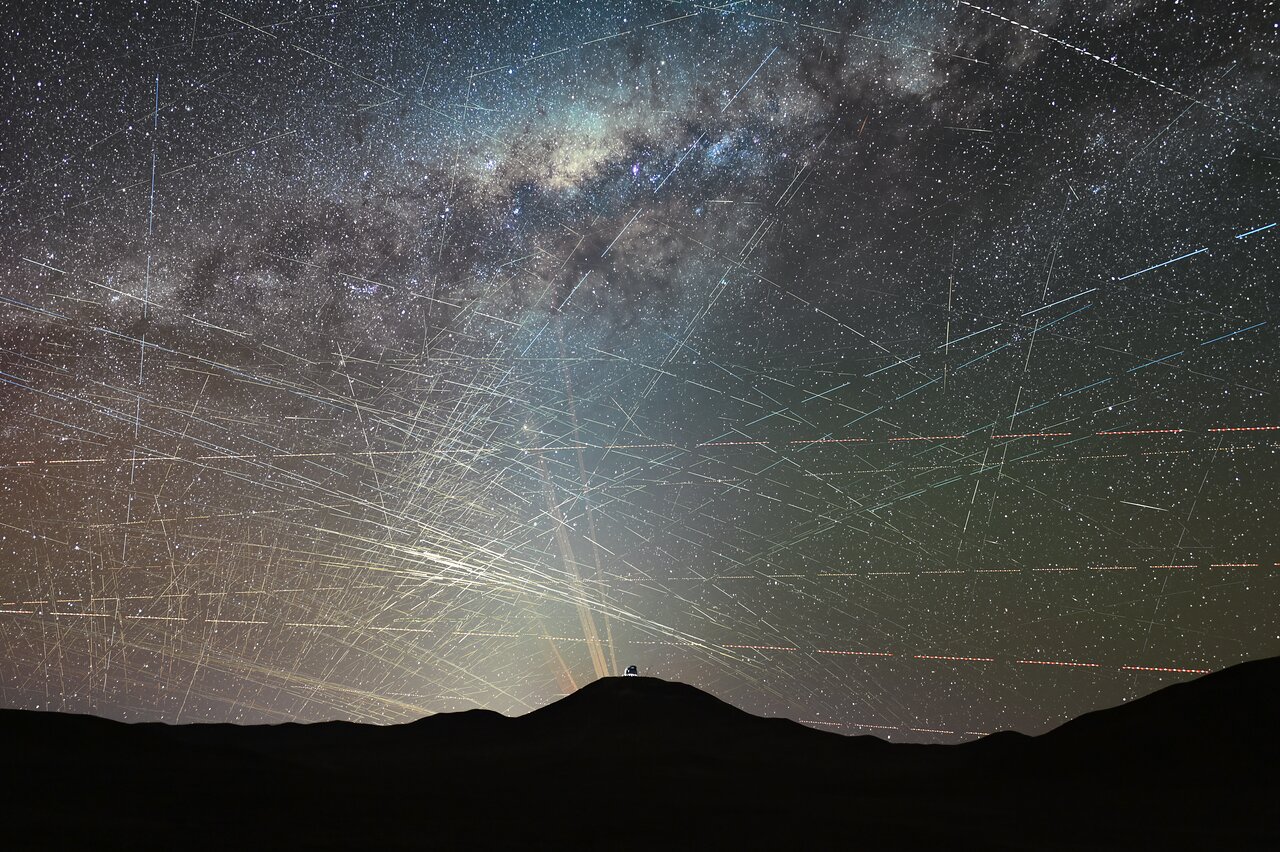
"Beyond the limit": one million satellites and mirrors in space pose grave threat to the night sky (opens the original)
A new European Southern Observatory (ESO) study has found that current proposals to launch over 1.7 million satellites into orbit, including extremely bright ones, would have “devastating consequences for astronomy.” According to the study, no more than 100 000 faint satellites, below naked eye visibility, should orbit Earth, to safeguard our ability to observe the night sky with modern telescopes. The study is the first to compute the extent to which large and bright satellite constellations…
-
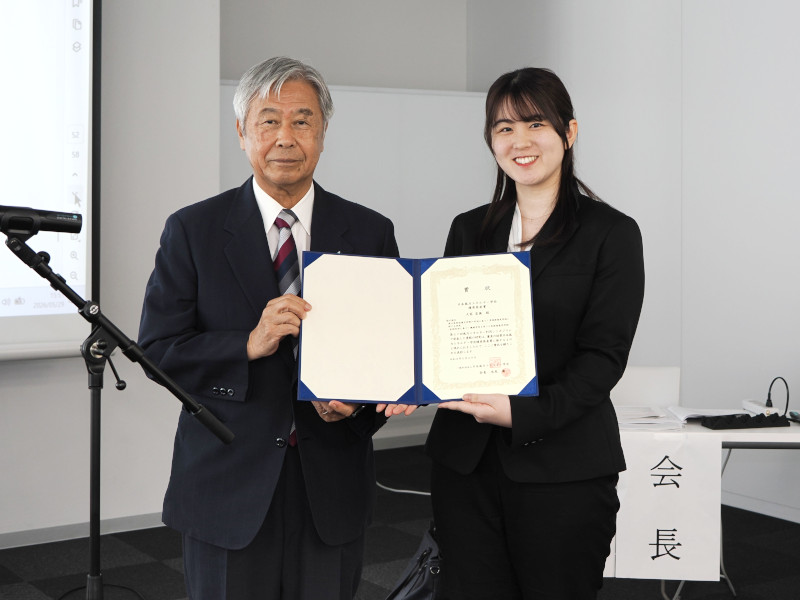
IBRO Rising Star Award to Dr. Chandrashekhar Borkar (opens the original)
Dr. Chandrashekhar Borkar, faculty member in the Department of Biology, has been selected to receive the prestigious IBRO Rising Star Award by the International Brain Research Organization (IBRO). Dr. Borkar is among the 21 investigators across 14 countries and areas selected for the 2026 round of a
-
Venezuela earthquakes highlight the limits of early warning systems
Why it’s still difficult to accurately predict earthquakes.
-
Soil Carbon: Valorhiz, IFP Energies nouvelles and CCARBON strengthen franco-brazilian cooperation to support ecosystem resilience (opens the original)
Valorhiz, IFP Energies nouvelles (IFPEN) and CCARBON have signed a Memorandum of Understanding (MoU) to develop scientific and technological cooperation focused on soil carbon.
-
World Cup propels surveillance to new heights
The World Cup is bringing visitors and AI-driven surveillance systems, but only one of those is certain to leave when the games are done.



Read: The Conversation, CORDIS, ESO, NASA, ScienceDaily and the newsroom feeds of 734 institutions. Last read: today. Each story's date is its publisher's. Where the news comes from, and what each source allows.