Science news
Recent stories from university newsrooms, The Conversation, CORDIS, observatories and ScienceDaily, each sorted into the fields, countries and institutions it is about, and each linked to the original publisher. Narrow them below by subject, country, institution, source, words or period. A signed-in reader can follow any filtered view and be told when a new story matches it.
829 stories match these filters.
-
Bees ‘facial expressions’ may be a sign of their inner lives
A new study builds on a wave of new work that is daring to suggest insects might have a form of consciousness.
-
New virus catalogue reveals which pathogens pose the greatest threat
Scientists discover new viruses every year. A catalogue of the riskiest ones could help us spot the next pandemic before it takes hold.
-
Destruction in 3D (opens the original)
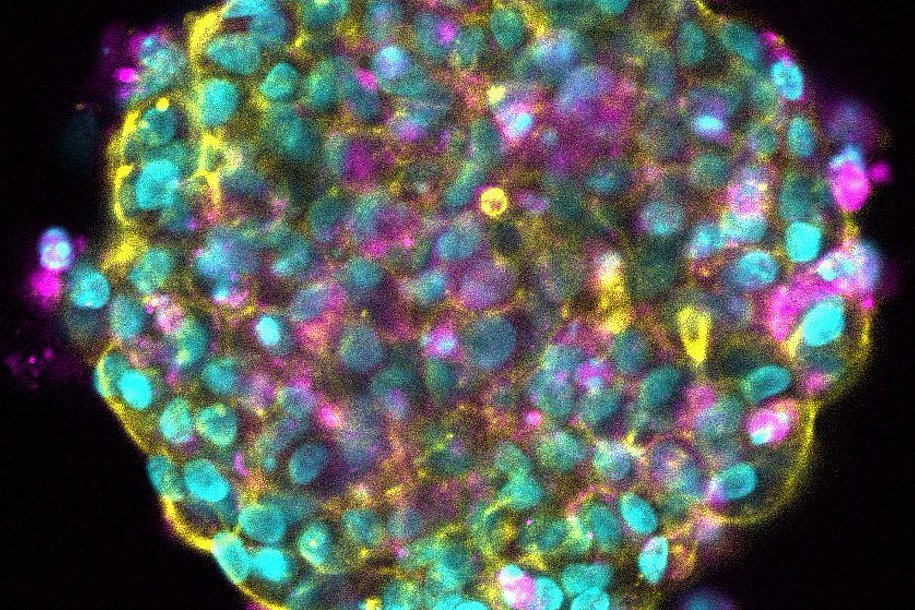
TiHo researchers induce cell death in 3D mini-tumors and discover that forcing cancer cells to die can also alert the immune system and enhance
-
What is mild cognitive impairment? And does it always lead to dementia?
Mild cognitive decline doesn’t necessarily mean you’ll develop dementia. But it’s a common fear.
Picture: Junior REIS/Unsplash
-
We can’t entirely blame COVID vaccine mandates for lower vaccination rates today. It’s not that simple
The effects of COVID vaccine mandates live on today. And a distrust of government is one of its biggest casualties.
-
Complex food webs sustain ecosystem functioning (opens the original)
An international study published in Nature shows that biodiversity is important for the functioning of ecosystems
-
You can dream while you’re awake. The boundary between wakefulness and sleep is a lot blurrier than you’d think
Dream-like states are not confined to sleep: the brain is able, very surprisingly, to produce the same mental experience independently of our state of vigilance.
-
Australia’s lung cancer screening program is a year old. But can the health system deliver?
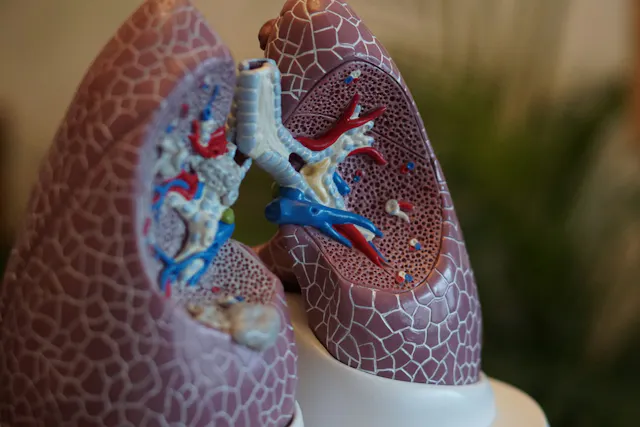
Lung cancer screening promises to find cancer early and treat it before it progresses. But a year on, issues have emerged.
Picture: Robina Weermeijer/Unsplash
-
Government of Canada approves new technology to support farmers and a more sustainable use of pest management products (opens the original)
On June 30, 2026, Health Canada introduced a new policy allowing drone technology to be used to apply pesticides that are already approved for conventional aerial application.
-
Soil Carbon: Valorhiz, IFP Energies nouvelles and CCARBON strengthen franco-brazilian cooperation to support ecosystem resilience (opens the original)
Valorhiz, IFP Energies nouvelles (IFPEN) and CCARBON have signed a Memorandum of Understanding (MoU) to develop scientific and technological cooperation focused on soil carbon.
-
Good yeast, bad yeast (opens the original)
Researchers discover new potential of baker’s yeast to treat persistent fungal infection
-
The world has the science to transform food systems. The next frontier is scaling it
Solutions for food systems exist; scaling them is where the challenge lies.
-
Urban farming helps Johannesburg’s poorest households survive – now it needs bigger investment
From roadside plots to community gardens, urban farmers in Alexandra township, South Africa are growing food, earning income and coping with climate change.
-
A severe El Niño could threaten something essential to half of humanity – rice
Rice is life for billions of people. But this grain crop depends heavily on irrigation – and the looming El Niño is likely to bring dry conditions.
-
Canada is getting old — and that’s our biggest advantage for 2067
Canada’ aging population is a marker of national success, not a crisis. The question is whether we will seize this moment to build the strongest aging society in the world.
-
Kenyans living in towns are farmers too: what this means for rural landscapes
The increasing control of rural agricultural land by urban residents has implications for rural people and spaces.
-
Why an increase in plant species isn't good news (opens the original)
International research team presents the largest study to date on changes in Europe’s local plant communities
-
Mixed messages: why media advice about teen sleep can leave parents fatigued
Media articles can present adolescent sleep issues as both a normal part of growing up and a sign of deeper problems. How should parents make sense of it?
-
What adolescents and young adults with cancer want researchers to know
A new national research agenda, shaped by patients, caregivers and clinicians, will guide the future of adolescent and young adult cancer research in Canada.
-
New Alzheimer’s drugs offer hope for some, but good dementia care protects the humanity of those they cannot help
Medicine may slow decline for some, but dementia care must also protect dignity, identity and story when speech begins to fade.





Read: The Conversation, CORDIS, ESO, NASA, ScienceDaily and the newsroom feeds of 734 institutions. Last read: today. Each story's date is its publisher's. Where the news comes from, and what each source allows.