Science news
Recent stories from university newsrooms, The Conversation, CORDIS, observatories and ScienceDaily, each sorted into the fields, countries and institutions it is about, and each linked to the original publisher. Narrow them below by subject, country, institution, source, words or period. A signed-in reader can follow any filtered view and be told when a new story matches it.
2,240 stories match these filters.
-
Early-life maternal care is required for the typical development of calming responses to back stroking (opens the original)
TOPICSMedicineDATEJuly 7, 2026Conducting Research at TohoSHAREJuly 7, 2026 Why the back? How stroking calms infants and mouse pups Back stroking calms human infants and mouse pups; a mouse study traces that calm to early maternal care and reveals a role for the hypothalamic gene Cacna1bA research group led by Dr…
-
Government publishes new plan to save thousands of lives from heart disease and stroke (opens the original)
Today the UK Government has published the Cardiovascular Disease Modern Service Framework.
-
Why the first trimester of a pregnancy could be vital in driving human brain evolution (opens the original)
A new study has examined just how mothers influence the size of their child’s head – and as a result, its brain size and future IQ – during the first trimester of their pregnancy.
-
Skimping on Sleep Leads to Weight Gain (opens the original)
Columbia researchers have found that adults who shortened their sleep by just 80 minutes a night for six weeks gained weight and were more sedentary.
-
New virus catalogue reveals which pathogens pose the greatest threat
Scientists discover new viruses every year. A catalogue of the riskiest ones could help us spot the next pandemic before it takes hold.
-
New Immunotherapy for Neuropathy (opens the original)
Jena University Hospital: A treatment team has achieved a surprisingly rapid and marked improvement in two patients with an autoimmune neurological disorder through the use of a drug originally developed for a different treatment
-
Summer 2026 InSight Newsletter (opens the original)
The Summer 2026 InSight Newsletter issue features: The Learning Tree, Dr. Sadda Cultivates a Global Reputation in Retina Science through Research, Patient Care, and Mentoring Fellows, and more.
-
Westminster debate puts heart disease back on the political agenda (opens the original)
Our Chief Executive, Dr Charmaine Griffiths, explains why this week’s Westminster debate on heart disease matters for millions of people across the UK.
-
We can’t entirely blame COVID vaccine mandates for lower vaccination rates today. It’s not that simple
The effects of COVID vaccine mandates live on today. And a distrust of government is one of its biggest casualties.
-
Heiko Lickert Receives ERC Proof of Concept Grant for Diabetes Research (opens the original)
Prof. Heiko Lickert from the DZD partner Helmholtz Munich has been awarded an ERC Proof of Concept (PoC) Grant from the European Research Council (ERC). The funding is intended to advance a novel regenerative therapeutic approach for type 2 diabetes from basic research into clinical development.
-
Are lung cancer tumors hijacking the nervous system? (opens the original)
LA JOLLA—According to the Cleveland Clinic , a quarter of cancer deaths can be attributed to one source: cachexia. Cachexia is a syndrome that accompanies underlying chronic illness and causes unwanted muscle and fat loss, reducing quality of life and sometimes even limiting treatment options. A new study led by…
-
From falling to flow: why you should take up bouldering as a hobby for reasons beyond exercise
You won’t regret taking up this intellectually and physically stimulating sport as a hobby.
-
Running on a treadmill is easier than running outside. Does that matter?
For some people, running inside is mentally harder. Here’s what you can do to make a treadmill more like running outside.
Picture: Chander R/Unsplash
-
Accelerating impact: translational research (opens the original)
Accelerating impact: why translational research is central to BHF’s future
-
AI can be a personal trainer in your pocket – but is it safe?
It’s easy to see why many use AI for their exercise programs: it’s fast, cheap and readily available. But there can be downsides.
-
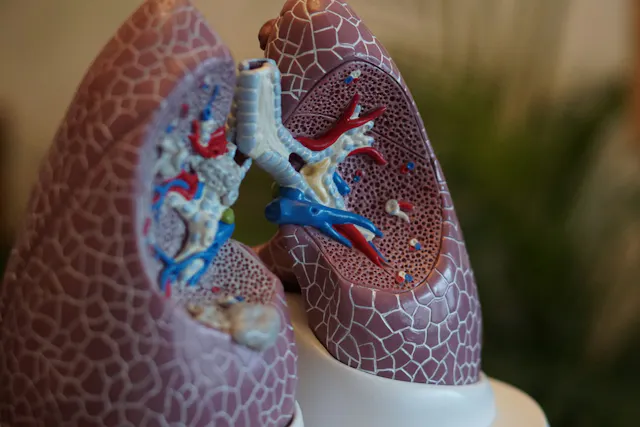
Australia’s lung cancer screening program is a year old. But can the health system deliver?
Lung cancer screening promises to find cancer early and treat it before it progresses. But a year on, issues have emerged.
Picture: Robina Weermeijer/Unsplash
-
What Caring for My Parents Taught Me About Receiving Care (opens the original)
Lessons Learned from Caring for My Parents By Chris Wallner, Chief Marketing Officer, Institute on Aging A few years ago, I found myself in a role that millions of Americans
-
Strong muscles linked to lower heart attack risk (opens the original)
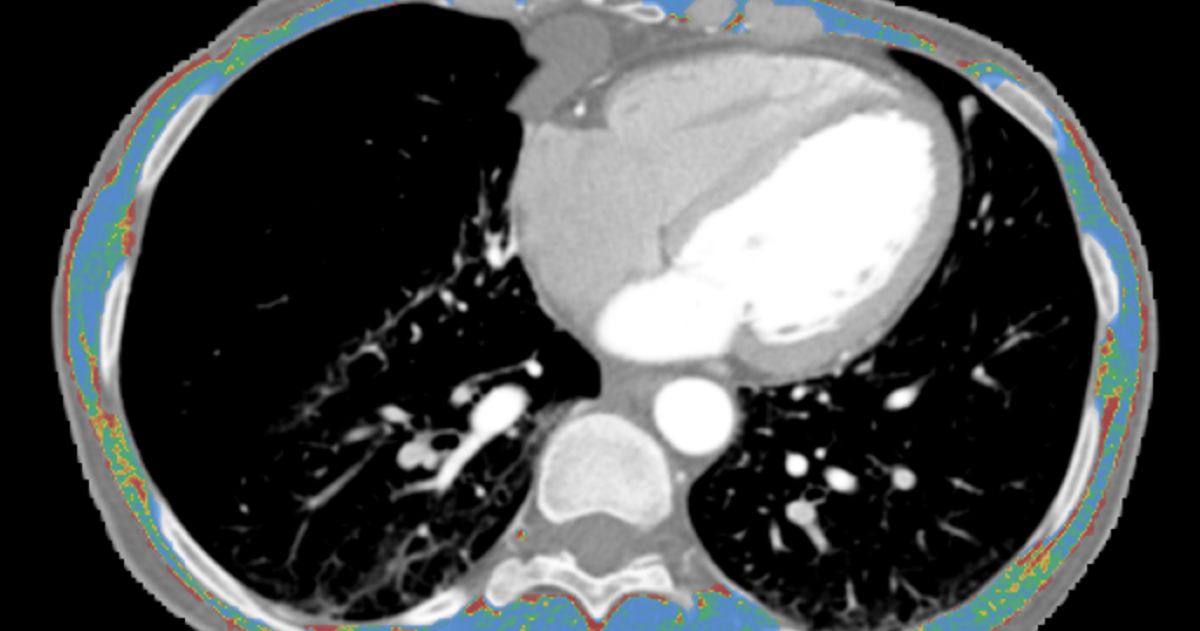
People with strong muscles in their chest and back are less likely to have heart attacks, according to AI analysis of heart scans.
-
Prehistoric plague could have caused population collapse in stone age Europe
A new study reveals that plague was lethal thousands of years ago, during the Neolithic.
-
Can a personalized disease-in-a-dish improve a pancreatitis patient’s therapeutic path? (opens the original)
LA JOLLA—Around three million people worldwide struggle with chronic pancreatitis, a condition wherein the pancreas becomes inflamed, scarred, and painful. There is no cure for chronic pancreatitis, and it is difficult to alter the disease trajectory after onset.








Read: The Conversation, CORDIS, ESO, NASA, ScienceDaily and the newsroom feeds of 733 institutions. Last read: today. Each story's date is its publisher's. Where the news comes from, and what each source allows.