Science news
Recent stories from university newsrooms, The Conversation, CORDIS, observatories and ScienceDaily, each sorted into the fields, countries and institutions it is about, and each linked to the original publisher. Narrow them below by subject, country, institution, source, words or period. A signed-in reader can follow any filtered view and be told when a new story matches it.
2,240 stories match these filters.
-
Progress in cancer screening, yet gaps still affect First Nations people in Ontario (opens the original)
First Nations people are less likely to survive cervical, colon, and breast cancer after diagnosis compared to non-Indigenous Ontarians, despite improvements in incidence and mortality rates.
-
Republicans have beef with Texas Rep. James Talarico – why does meat matter in US politics?
Two communication scholars explain how what Americans eat became shorthand for who they are.
-
Shane DeGaris speaks to HSJ (opens the original)
Our group CEO spoke to the Health Service Journal about a variety of topics including funding and the shift to neighbourhood health.
-
External Evaluation Confirms the DZD's Excellent Development (opens the original)
Excellent rating for the German Center for Diabetes Research (DZD): The latest external evaluation attests to the DZD’s clear scientific vision, “outstanding” research, highly effective organizational and governance structures, and the successful and rapid transfer of findings from diabetes research into patient care.
-
Pinolenic Acid, a Fatty Acid Derived from Pine Nuts, Found to Suppress Excessive Coronary Artery Contraction (opens the original)
TOPICSPharmceutical SciencesDATE July 7, 2026 Conducting Research at Toho SHARE July 7, 2026 Pinolenic Acid, a Fatty Acid Derived from Pine Nuts, Found to Suppress Excessive Coronary Artery Contraction —Toward a Food-Derived Component That Targets a Vascular Contraction “Switch” Involved in Angina and Myocardial…
-
Football headers: growing evidence suggests this skill is damaging to brain health
Retired football players have a higher risk of developing dementia.
-
More pharmacists will be able to vaccinate children under 5. Here’s what you need to know
It’s soon going to be easier than ever to get your young children vaccinated.
-
Clinical trial for delirium assessment designed to support carers and nursing staff (opens the original)
Four south-east Queensland hospitals are locations for a multi-state clinical trial to test a model of care that empowers both carers and nurses to prevent and respond to early signs of delirium in older people.
-
From cancer survivor to future doctor (opens the original)
New biomedical science graduate Sahil Usman, who despite battling leukaemia, is now off to medical school
-
Mental illness is up in young people, dementia is now the biggest killer: Australia’s health in 2026
Dementia is now the leading cause of death, overtaking heart disease. The Conversation’s experts explain how Australians’ health has changed – both good and bad.
-
University of Houston Awarded $4 Million NIH Grant to Study Autoimmune Disease (opens the original)
With a $4M grant from the National Institutes of Health, a University of Houston pioneer in autoimmune research, Chandra Mohan, is launching a 10-year study set to target the very heart of autoimmune disease – examining what causes the body to attack itself and identifying biological pathways that could become…
-
Older adults are at risk in heat waves, but it’s not just age: How public systems and policies are failing them
The challenge is not a lack of evidence. It is a lack of urgency.
Picture: (In-Press Photography via Centre for Ageing Better), CC BY
-
Ivermectin isn’t a cancer miracle drug, but influencers claim otherwise – here’s how to avoid sprinting past scientific evidence
Science works at a much slower pace than social media, opening a large window for early findings to be taken at face value and misinformation to spread.
-
Unexpected immune mechanism links disruption in electrical activity to loss of brain connections in Alzheimer’s (opens the original)
New research led by Dr Gerard Crowley and Dr Soyon Hong (UK DRI at UCL) reveals insight into what triggers the loss of connections between
-
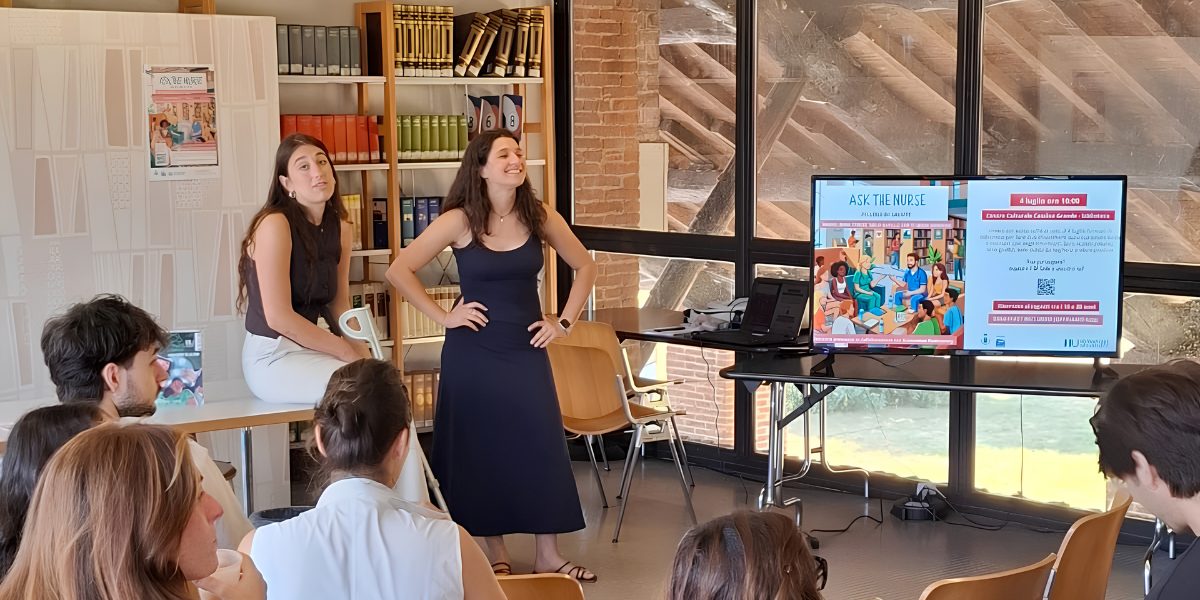
Ask the Nurse: health and wellbeing in dialogue with young people (opens the original)
Not a lesson about health, but a space to talk about it together. With this spirit, the first session of Ask the Nurse: pillole di salute took place at the Biblioteca di Rozzano, in the Centro Culturale Cascina Grande. The initiative is a series of meetings for young people aged 18 to 30, designed to
-
Boot Camps for Sickle Cell Disease (opens the original)
A School of Nursing professor’s quest to help others live with the condition
-
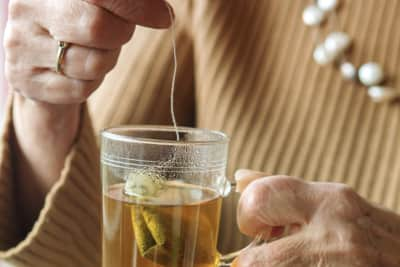
Scientist spills the tea on slimming teas (opens the original)
A researcher has developed a tool to detect hidden ingredients in herbal teas designed to stimulate weight loss.
-
Largest study yet reveals which cancers have their own microbiomes
Knowing which cancer tumours have their own microbiomes could lead to more personalised treatments.
-
Sitting for long stretches linked to a higher risk of death from cancer – oncologist answers questions about the new study
An oncologist answers the key questions about the new sitting-and-cancer study, and what its findings do and don’t show.
-
Why Bonnie from Toy Story 5 resonates with so many neurodivergent families
Bonnie’s story captures experiences that many neurodivergent families are familiar with.




Read: The Conversation, CORDIS, ESO, NASA, ScienceDaily and the newsroom feeds of 733 institutions. Last read: today. Each story's date is its publisher's. Where the news comes from, and what each source allows.