Science news
Recent stories from university newsrooms, The Conversation, CORDIS, observatories and ScienceDaily, each sorted into the fields, countries and institutions it is about, and each linked to the original publisher. Narrow them below by subject, country, institution, source, words or period. A signed-in reader can follow any filtered view and be told when a new story matches it.
3,078 stories match these filters.
-
Tiny waves in the deep ocean can affect the climate thousands of kilometres away
What happens in the deep ocean might seem far removed from your everyday life. A new study shows otherwise.
-
Climate shocks are hitting South Africa’s food businesses – study shows what they need to adapt
Factories that process crops and agricultural products need training and support to help them face climate risks.
-
How redefining one word strips the Endangered Species Act’s ability to protect vital habitat
The majority of endangered species listings over the years have involved habitat loss, from Chinook salmon to island foxes and many birds.
-
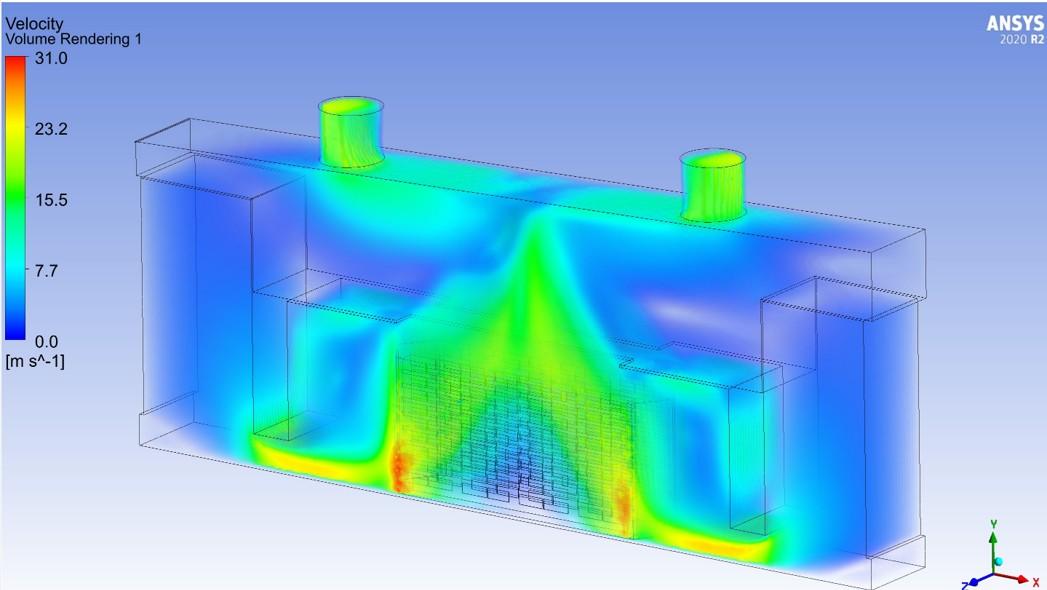
Designing High Density Data Centers: Computational Fluid Dynamics Analysis Eliminates Costly Guesswork (opens the original)
Lehigh University researchers use advanced fluid dynamics modeling to eliminate hot spots and boost thermal management efficiency by 15% in high-density facilities.
-
Why better-off cities and towns see more benefits from data centers than rural regions
Amid growing political pushback against data center development, more evidence is emerging of their impact on local economies.
-
Teachers are worried about students cheating with AI, but my survey suggests the deeper issue is learning
As schools consider AI guidelines, educators are also thinking about how they can adjust their assignments to accurately measure what students are actually learning.
-
New evidence suggests vast hidden magma systems inside Mars (opens the original)
Researchers from the Departments of Earth Science and Statistics have found evidence that Mars once hosted enormous, Earth-like magmatic systems deep below its surface – even though the planet lacks the plate tectonics long considered essential for this kind of geological complexity. The findings open up new…
-
Tropical forests can stop acting as carbon sinks during El Niño, says research
Some of South America’s tropical forests effectively stopped absorbing carbon during the 2015-2016 El Niño.
-
Not all quantum measurements are created equal (opens the original)
Proving that one quantum measurement is more powerful than another has long been difficult. Physicists from Heinrich Heine University Düsseldorf, Lund University, and the University of Innsbruck have now developed and demonstrated a simple technique to certify that a certain class of measurements has…
-
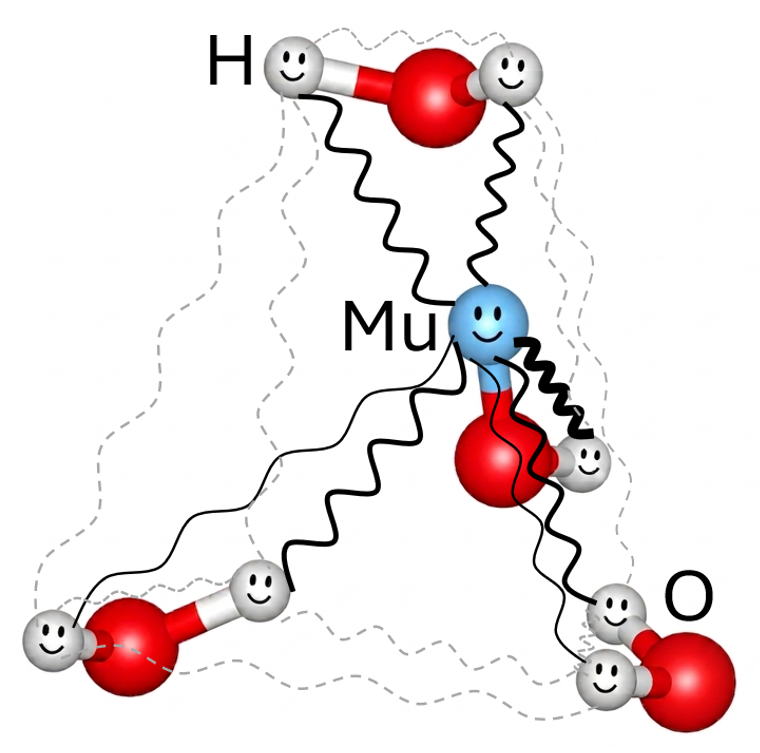
Mystery of Muon Behavior in Ice Solved (opens the original)
Quantum Effects Reveal the Key to a More Than 50-Year-Old Enigma
-
What happened to Australia’s snow season? A climate expert explains
Three climate-related factors have loaded the dice for a drier and warmer winter this year.
-
A big El Niño is likely. Australia needs to get ready now for drought, fire and the unknown
Too often, Australian authorities have relied on ad hoc preparations for the droughts and bushfires made more likely by El Niño.
-
NSF VLA Maps a Hidden Hydrogen Shell Around the Orion Nebula (opens the original)
A team of astronomers led by Juan D. Soler of the University of Vienna used the NSF VLA, operated by the U.S. National Science Foundation’s National Radio Astronomy Observatories (NSF NRAO), to obtain high-resolution observations of the emission from neutral hydrogen atoms (HI) at 21 centimeters wavelength
-
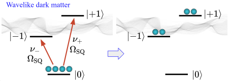
Beyond Qubits (opens the original)
Diamond Quantum Sensors Could Sharpen the Search for Dark Matter
-
Rising tides, rising tensions: new research calls for rethink of coastal law (opens the original)
As sea levels rise and coastlines erode, Australia’s legal system is struggling to keep up. Longstanding assumptions about who owns the coast – and who should pay when it disappears – are now at the centre of growing disputes.
-
AI can predict how you’ll respond to a survey. But that’s not the same as understanding you
‘Silicon sampling’ promises easy answers to tough questions about human behaviour – but the reality is more complicated.
-
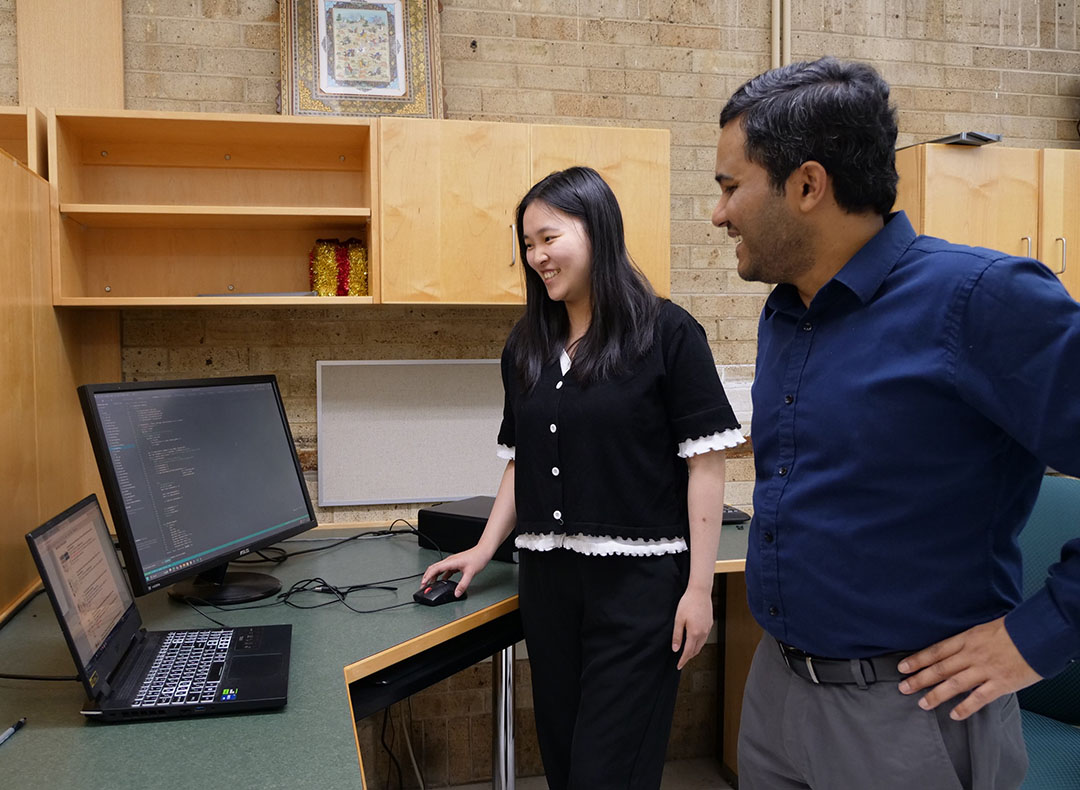
New USask AI research improves how computers interpret the world (opens the original)
For artificial intelligence (AI) tools that rely on interpreting data from the real world, both speed and accuracy are critically important.
-
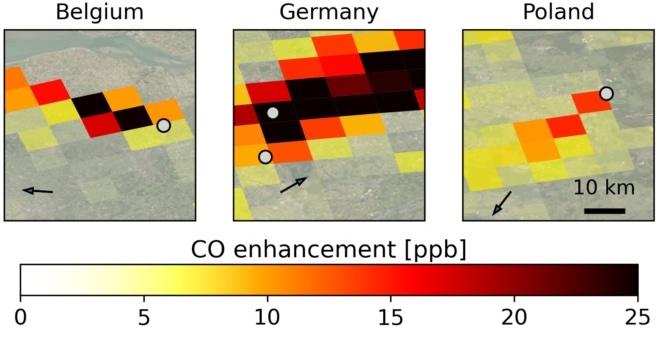
NWO grant for research into global carbon monoxide emissions from cities and steel industry (opens the original)
SRON researcher Ivar van der Velde has been awarded an NWO ENW-M grant to apply machine learning methods on carbon monoxide measurements from the Dutch satellite instrument TROPOMI.
-
A visit to the H.E.S.S. observatory (opens the original)
Prof. Tomasz Bulik, Director of the UW’s Astronomical Observatory, was part of the Foreign Secretary’s delegation to Namibia. One of the highlights of the trip was a visit to the world’s largest ground-based gamma-ray observatory – the High Energy Stereoscopic System (H.E.S.S.). The University of Warsaw has been a…



Read: The Conversation, CORDIS, ESO, NASA, ScienceDaily and the newsroom feeds of 734 institutions. Last read: today. Each story's date is its publisher's. Where the news comes from, and what each source allows.