Science news
Recent stories from university newsrooms, The Conversation, CORDIS, observatories and ScienceDaily, each sorted into the fields, countries and institutions it is about, and each linked to the original publisher. Narrow them below by subject, country, institution, source, words or period. A signed-in reader can follow any filtered view and be told when a new story matches it.
823 stories match these filters.
-
What is no-till farming, and is it actually better for the environment?
A soil expert unpacks what this unconventional farming method is and how it works.
-
Can Ozempic prevent cancer? A doctor explains why the headlines are easy to misread
Several studies suggest GLP-1 drugs may lower cancer risk. But that benefit may be due to the patients themselves: those who are healthier, wealthier and with better access to care.
-
Big bees have the most to lose as global CO₂ levels rise: new research
Human-made carbon dioxide emissions threaten the very survival of our larger pollinators.
-
Republicans have beef with Texas Rep. James Talarico – why does meat matter in US politics?
Two communication scholars explain how what Americans eat became shorthand for who they are.
-
How Cattle Perceive Their Surroundings – New Review Study from SLU (opens the original)
Humans have lived alongside cattle for thousands of years, yet we still know relatively little about how they perceive their sensory world. Researchers at SLU have now published the most comprehensive review to date of existing knowledge on the sensory world of cattle.
-
Football headers: growing evidence suggests this skill is damaging to brain health
Retired football players have a higher risk of developing dementia.
-
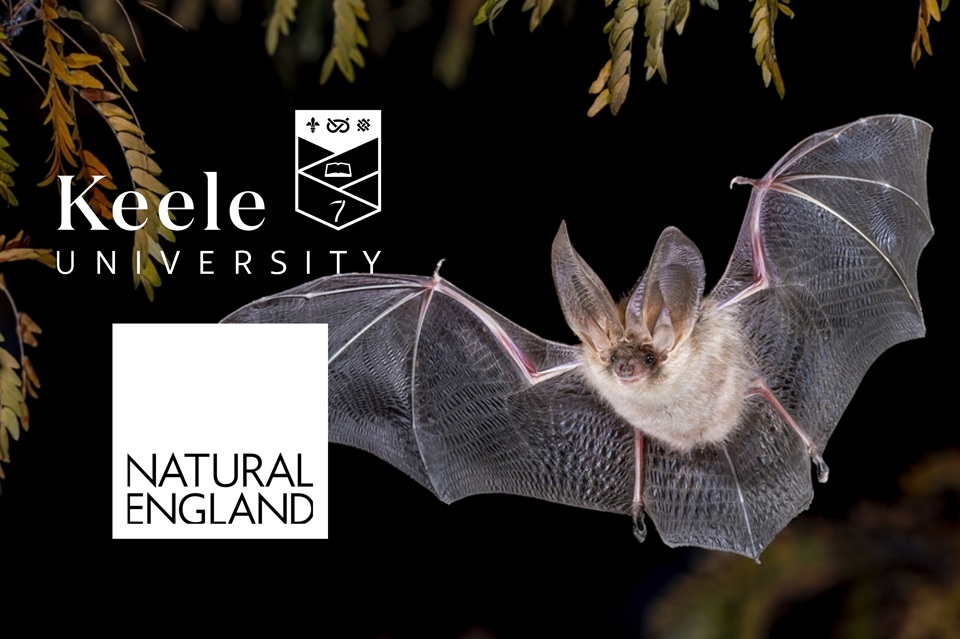
Researchers working with conservation groups to support recovery of bats across England (opens the original)
Researchers from Keele University are working with a range of conservation groups to support the recovery of three species of bats across England, all of which are considered among England’s most vulnerable species.
-
Mental illness is up in young people, dementia is now the biggest killer: Australia’s health in 2026
Dementia is now the leading cause of death, overtaking heart disease. The Conversation’s experts explain how Australians’ health has changed – both good and bad.
-
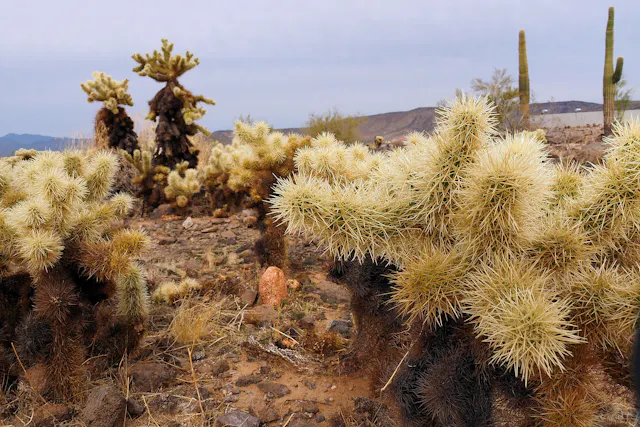
Cacti spines, snake fangs, snail love darts – oh my! How function drives the evolution of nature’s puncture tools
What do cacti spines and wasp stingers have in common? What about snail genitalia and shark teeth?
- University of Illinois Urbana-Champaign
- United States
- Agricultural and Biological Sciences
- Biochemistry, Genetics and Molecular Biology
Picture: Tony Cyphert/Flickr, CC BY-NC-SA
-
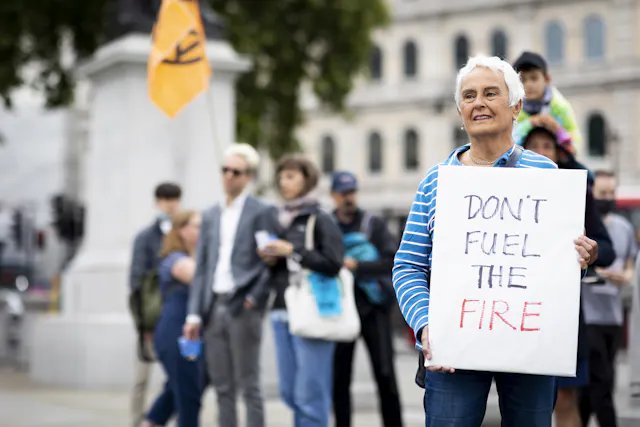
Older adults are at risk in heat waves, but it’s not just age: How public systems and policies are failing them
The challenge is not a lack of evidence. It is a lack of urgency.
Picture: (In-Press Photography via Centre for Ageing Better), CC BY
-
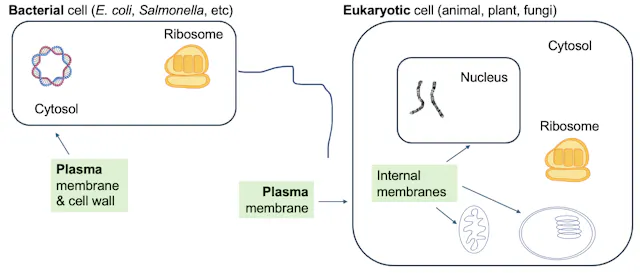
Creating synthetic life in a lab? SpudCell falls short of the goal, but raises even more useful questions
The goal of creating synthetic cells is not to replace nature, but to learn more deeply about biology and reengineer it to help society.
-
Beyond birds and mice, free-ranging cats eat a surprising number of insects
A look at cats’ diets as reported by researchers over many years shows they eat a lot more than people might think.
-
Ivermectin isn’t a cancer miracle drug, but influencers claim otherwise – here’s how to avoid sprinting past scientific evidence
Science works at a much slower pace than social media, opening a large window for early findings to be taken at face value and misinformation to spread.
-
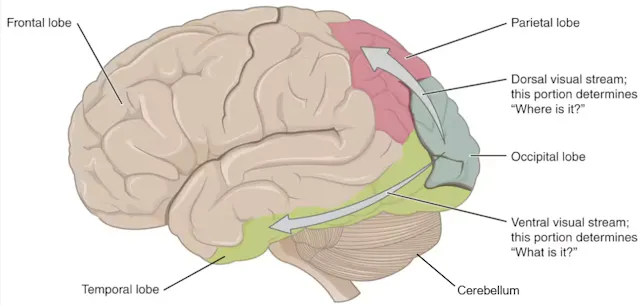
What happens inside a tennis player’s brain as they try to return a 148mph serve?
Returning a tennis serve depends on one of the brain’s most remarkable abilities: predicting the future.
Picture: OpenStax College/Anatomy & Physiology, Connexions website via Wikimedia., CC BY-NC-SA
-
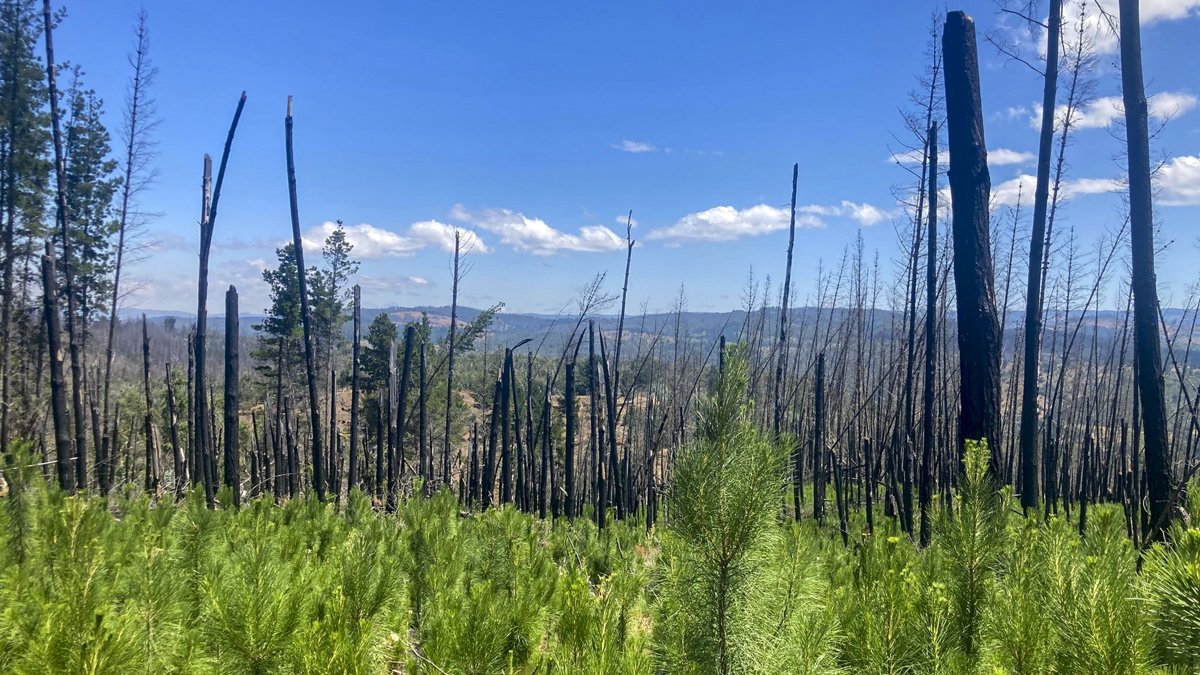
What rural communities can teach us about wildfire prevention and recovery (opens the original)
Rural communities play a key role before, during and after wildfire. SLU research in Spain, Chile and Sweden shows how rural communities help prevent wildfires, respond when they occur and recover in their aftermath. Learning from them is crucial in a future of more frequent and intense wildfires.
-
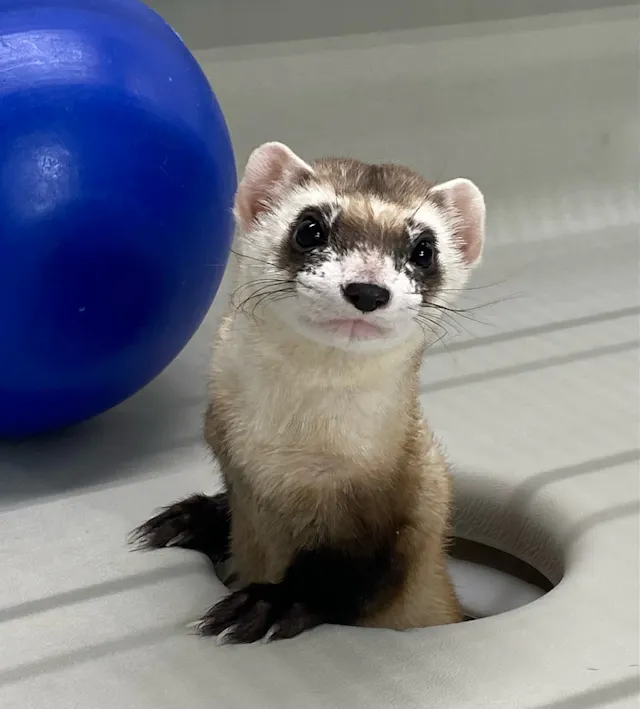
30 years since Dolly the sheep was born, where is cloning technology at now?
Today, cloning is not a technology that can simply “copy and paste” living things. But it’s brought advances in several fields of science.
- The University of Melbourne
- Australia
- Agricultural and Biological Sciences
- Biochemistry, Genetics and Molecular Biology
Picture: Wikimedia Commons
-
EV-SELEX: A Novel Platform for Rapid G Protein-Coupled Receptor Drug Discovery (opens the original)
Summary Researchers use extracellular vesicles to rapidly identify highly specific DNA aptamers to target G pr
-
Largest study yet reveals which cancers have their own microbiomes
Knowing which cancer tumours have their own microbiomes could lead to more personalised treatments.
-
Sitting for long stretches linked to a higher risk of death from cancer – oncologist answers questions about the new study
An oncologist answers the key questions about the new sitting-and-cancer study, and what its findings do and don’t show.
-
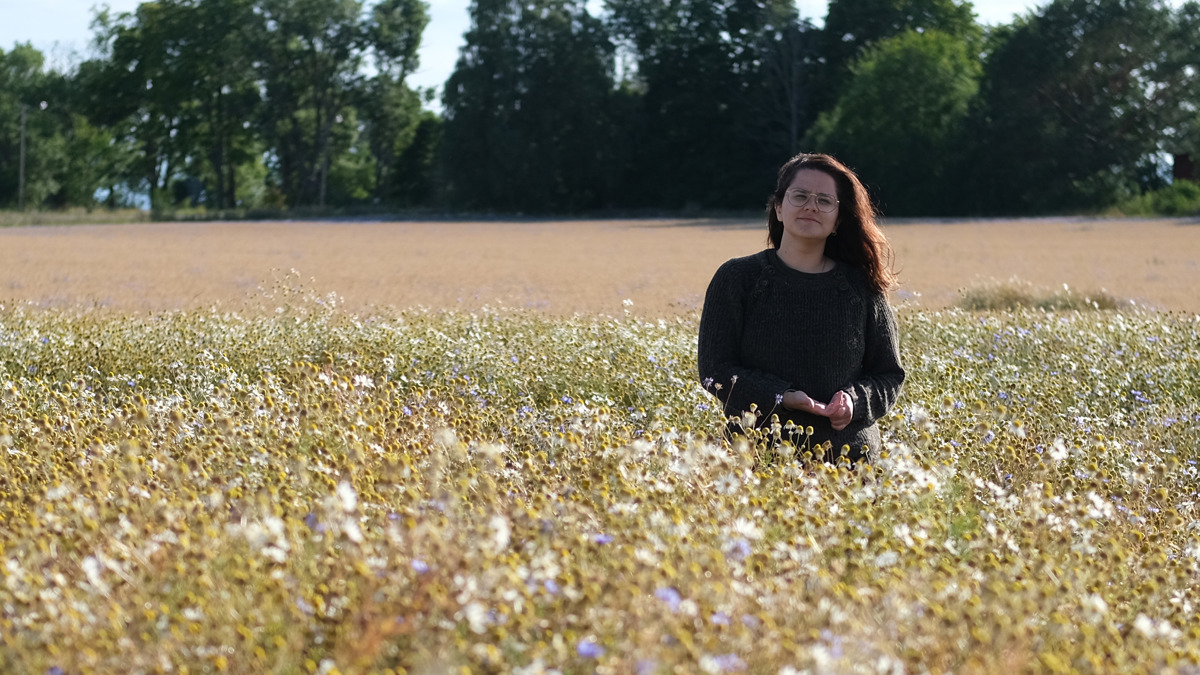
Historical data reveal how climate affects Swedish cereal yields (opens the original)
Cereal yields in Sweden are at risk of declining in a warmer climate unless rising temperatures are accompanied by increased precipitation during the growing season. This is the conclusion of a new analysis of climate and crop yield data covering the period from 1965 to 2020.

Read: The Conversation, CORDIS, ESO, NASA, ScienceDaily and the newsroom feeds of 734 institutions. Last read: today. Each story's date is its publisher's. Where the news comes from, and what each source allows.