Science news
Recent stories from university newsrooms, The Conversation, CORDIS, observatories and ScienceDaily, each sorted into the fields, countries and institutions it is about, and each linked to the original publisher. Narrow them below by subject, country, institution, source, words or period. A signed-in reader can follow any filtered view and be told when a new story matches it.
3,077 stories match these filters.
-
When can a power company take your land for data center infrastructure?
Courts have long let utilities seize private property to build transmission lines. Does that hold if the power flows to a single data center?
-
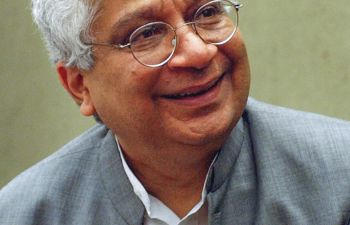
“I have always been interested in the big picture” (opens the original)
Deepak Nayyar, renowned Indian economist, will be conferred an honorary doctorate at the University at Sussex’s Summer Graduation 2026.
-
Small but mighty dung beetles take a big bite out of farm methane (opens the original)
Dung beetles are quietly performing a vital climate change mitigation service for Australia's livestock sector, slashing methane emissions from cattle manure by a staggering 85%, a new Southern Cross University study has found.
-
Chercheur en Post Doc- Mécanique des fluides numérique et modélisation multiphysique F/H (opens the original)
Postdoctoral Researcher - Computational Fluid Dynamics and Multiphysics Modeling (Open to All) INSA Rouen Normandie, Normandy’s leading public engineering school, stands out for its teaching, research, and promotion of scientific culture. Founded in 1985, this intimate institution combines engineering sciences with…
-
‘7.6 billion mugs of tea a second’: a new way to make sense of the heat pouring into our oceans
Most of the heat from global warming ends up in the oceans, not the atmosphere.
Picture: Kashish Grover / unsplash
-
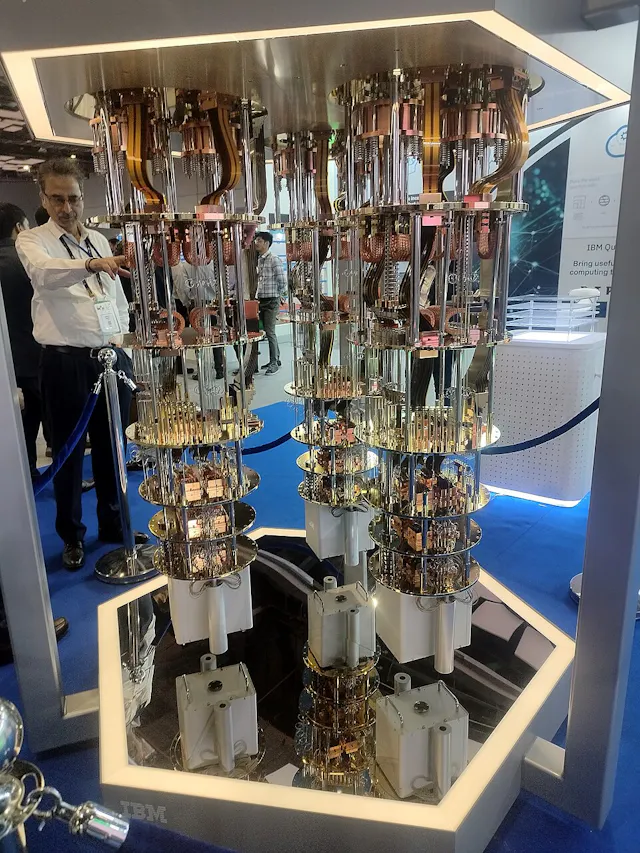
What does it mean to be ‘quantum’? A physicist explains the basics behind Einstein’s spooky actions at a distance
Particles’ properties at the quantum level could one day enable faster computing and better cybersecurity.
-
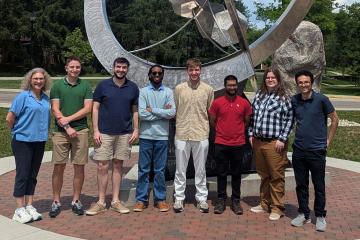
Nancy Sandler advances condensed matter physics through research, leadership, and global collaboration (opens the original)
Nancy Sandler is a theoretical condensed matter physicist whose research at the Nanoscale and Quantum Phenomena Institute provides student mentoring, and scientific leadership.
-
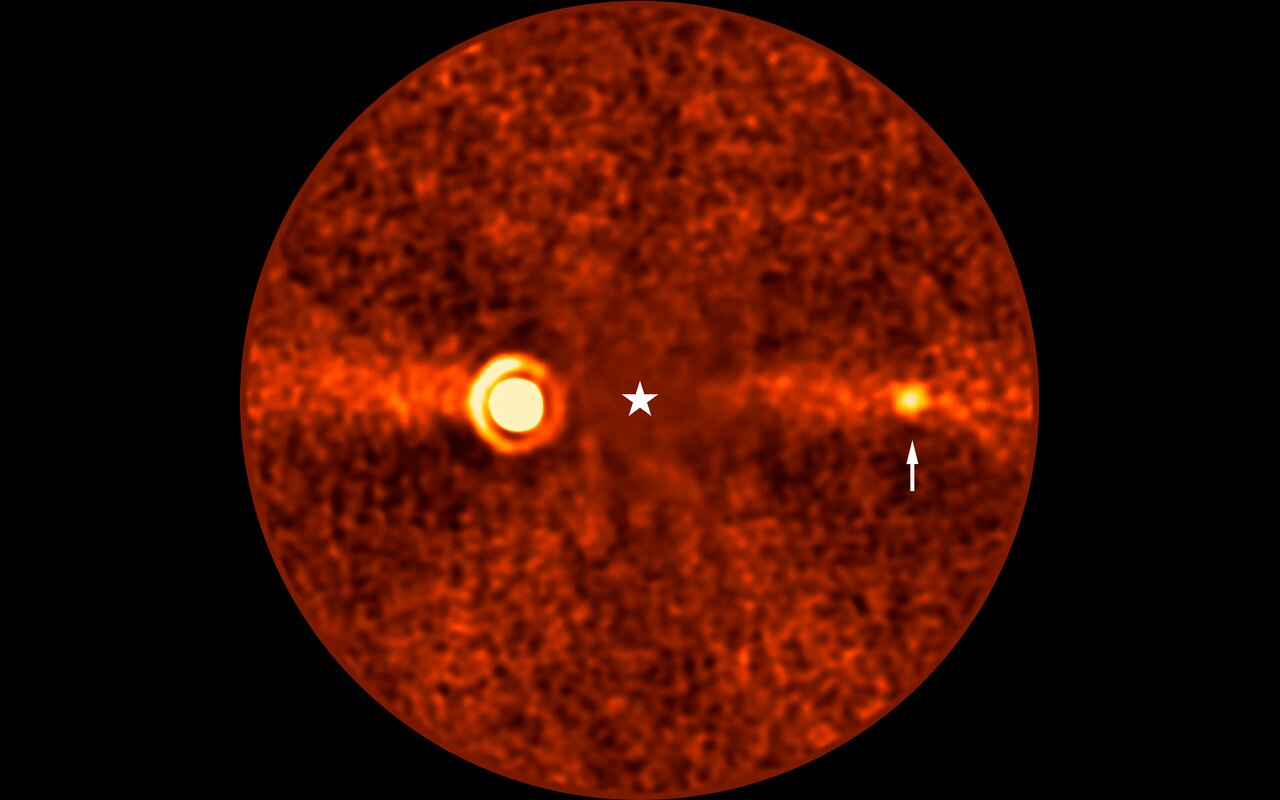
Faintest planet ever imaged from Earth found after more than 10 years of hide-and-seek (opens the original)
A team of astronomers have discovered a third planet orbiting the star Beta Pictoris. The new planet, Beta Pictoris d, is 100 times fainter than Beta Pictoris b — the first planet discovered in the same system — and is among the lightest exoplanets ever to be imaged from the ground. After spotting the planet using the European Southern Observatory’s Very Large Telescope (ESO’s VLT), the team found it had been hiding in archive observations spanning more than a decade.
-
Astronomers Detect Magnetic Fingerprint of a Cosmic Explosion for the First Time (opens the original)
Astronomers have made a series of landmark observations of one of the Universe’s most violent events. Using the U.S.
-
Large language models often prioritize Western moral values, overlooking other cultures
Generative AI’s overemphasis on Western moral concerns could reinforce global disparities in sensitive applications such as public health messaging and global communication.
-
Don’t change lanes – the maths of holiday traffic jams
Mathematics is helping us move away from reacting to congestion, towards preventing it.
-
Can scientists make a new element for the periodic table?
Listen to the The Conversation’s Curious Kids podcast to hear biochemist Mark Lorch explain how scientists are trying to make new elements for the periodic table.
-
An AI lab says chatbots have what may be a key feature of consciousness. Are they right? And what now?
Anthropic says there is something lurking inside Claude that looks a lot like the ‘global workspace’ one influential theory of consciousness depends on.
-
Melting Icebergs Can Weaken a Massive, Far-Off Ocean Current System (opens the original)
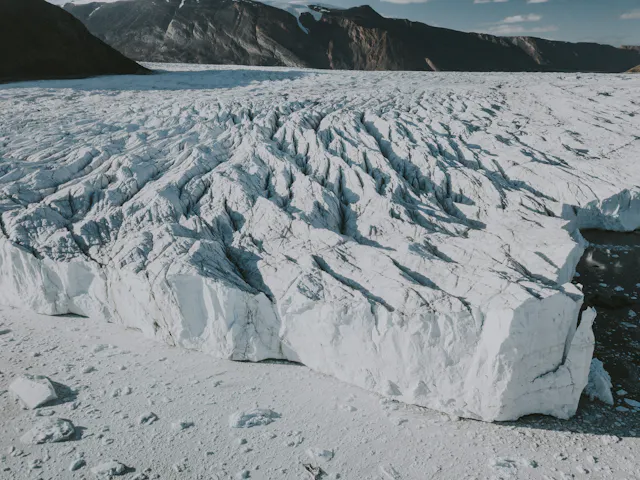
Melting and breaking icebergs in the far-off, northeastern region of the Pacific Ocean can weaken a massive current system in the Atlantic Ocean, according to a University of California, Davis study published in Nature Communications.
-
Why climate scientists need to talk more about the very worst-case scenarios
London probably won’t disappear beneath the waves. But we still need to understand the most dangerous outcomes that remain possible – and avoidable.
Picture: Annie Spratt / unsplash, CC BY-SA
-
Science Release: Hubble discovers first of star cluster’s missing black holes (opens the original)
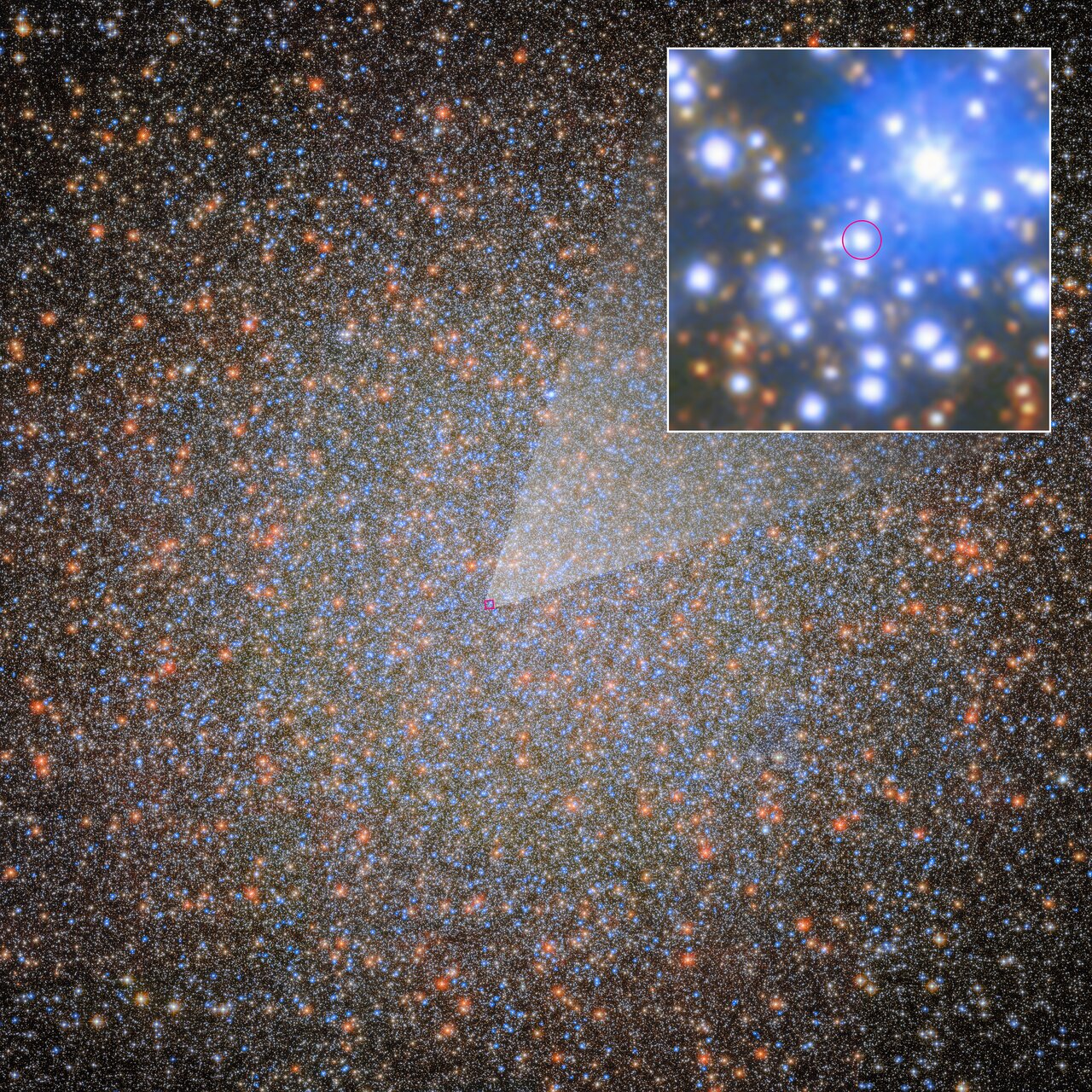
The massive globular star cluster Omega Centauri has puzzled astronomers for decades. It should be filled with black holes left behind by exploding stars, yet evidence for them is scarce. Now, astronomers using archival data from the NASA/ESA Hubble Space Telescope and supportive observations from the NASA/ESA/CSA…
-
A new strategic partnership to tackle blue economy challenges (opens the original)
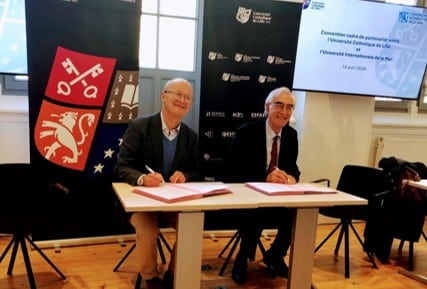
Université Catholique de Lille and the International University of the Sea (UIM) have signed a five-year strategic partnership to develop education, research, and innovation in the fields of maritime affairs, ocean studies, and the sustainable blue economy. Joining Forces to
-
New open-source system boosts greenhouse-gas monitoring using hyperspectral satellites (opens the original)
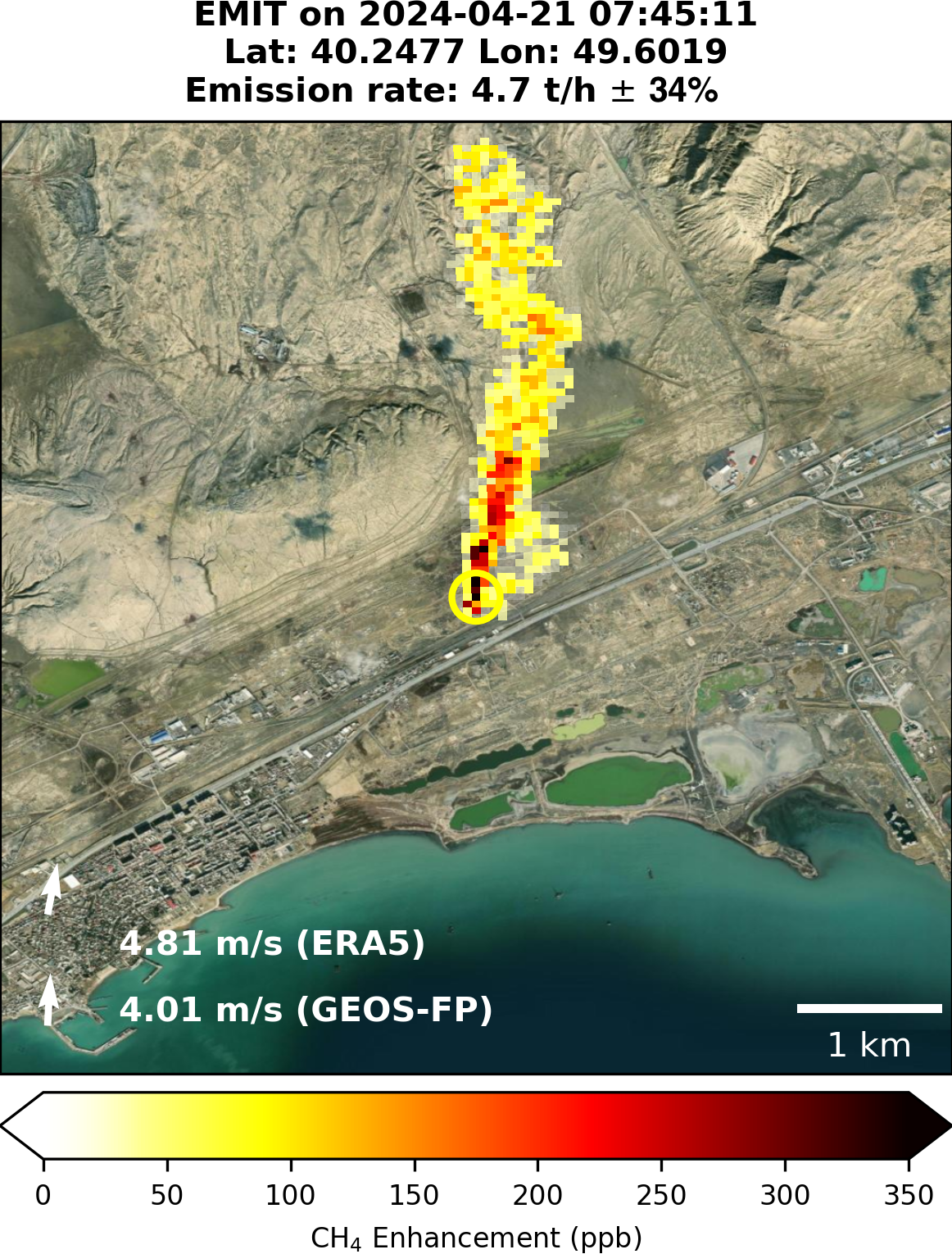
SRON scientists have developed an open-source system called HyperGas that enables users to convert raw hyperspectral satellite observations into greenhouse-gas plume concentrations and emission estimates. Hyperspectral satellites have a high enough resolution to detect and quantify greenhouse gas emissions from…
-
Repeated storms are turning disaster recovery into a way of life, and leaving communities facing disaster fatigue
Increasing flash flooding is exhausting communities as they’re hit again and again.
-
Despite the growth of some AI schools like Alpha, research doesn’t show that AI tutors are better than human teachers
Instead of schools trying to replace teachers with AI, teachers could use AI to become better educators.



Read: The Conversation, CORDIS, ESO, NASA, ScienceDaily and the newsroom feeds of 734 institutions. Last read: today. Each story's date is its publisher's. Where the news comes from, and what each source allows.