Science news
Recent stories from university newsrooms, The Conversation, CORDIS, observatories and ScienceDaily, each sorted into the fields, countries and institutions it is about, and each linked to the original publisher. Narrow them below by subject, country, institution, source, words or period. A signed-in reader can follow any filtered view and be told when a new story matches it.
2,237 stories match these filters.
-
New study defines conditions for successful long-term biodiversity net gain (opens the original)
Researchers say biodiversity compensation works best with long-term recovery, the right landscape setting, and enough land for restoration.
-
Autistic children drown at alarming rates - swim lessons and water safety strategies can save their lives
Water activities provide a refreshing escape from the heat, but without proper safety precautions, they can be a source of danger for autistic kids.
-
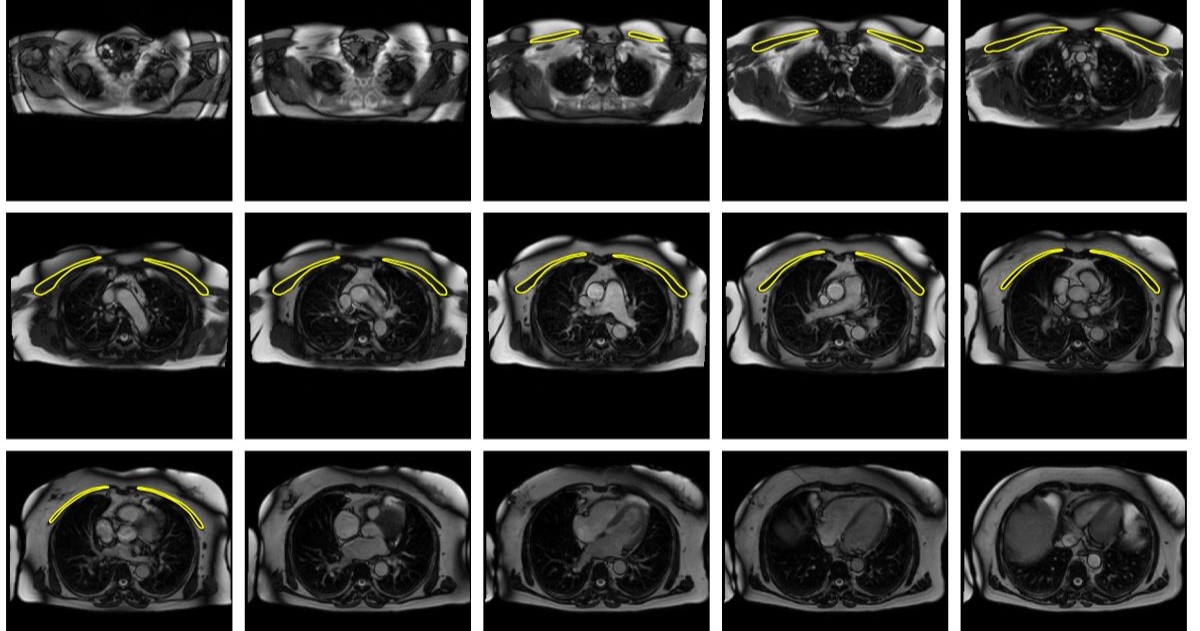
New AI tool can assess heart risk by measuring pectoral muscle (opens the original)
Researchers develop a new way of assessing a person’s risk of heart failure or death, by using AI during chest scans to measure the size of the pectoral muscle
-
New University of Houston Health Initiative Advances Healthcare Outcomes Across Texas (opens the original)
HOUSTON, July 15, 2026 – Addressing Texas’ growing healthcare workforce shortage and rising demand for care, the University of Houston today announced the launch of UH Health, an academic health enterprise designed to integrate education, research and community engagement across the University. UH Health is the…
-
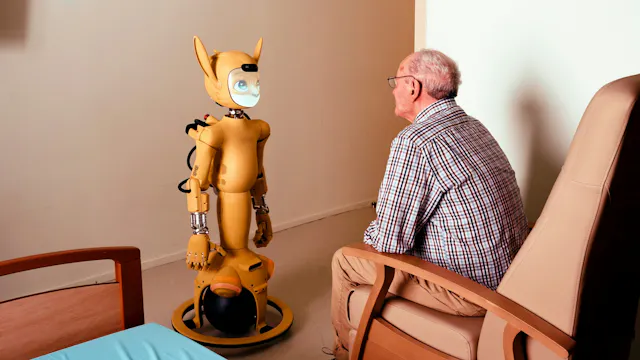
Wherever AI is heading next, older people want a say
The AI industry is dominated by young, male tech workers. It runs the risk of developing apps and tools that reproduce these gender and age-biases.
Picture: (Unsplash/Enchanted Tools)
-
Can speaking multiple languages really lower dementia risk? It’s not that simple
Learning languages may keep your brain young, but the evidence for preventing dementia itself is far less clearcut.
-
Study Finds Mixed Associations Between Breastfeeding and Childhood Allergies-Six months of exclusive breastfeeding was associated with a higher prevalence of food allergy and atopic dermatitis- (opens the original)
Summary To examine the impact of breastfeeding on food allergy, researchers at the University of Toyama analyz
-
How Weight Loss Drugs Pose Challenges for Plastic Surgeons (opens the original)
This is a summary of a story written by Shantell Kirkendoll on Duke University School of Medicine. Weight loss surgery has transformed lives for decades. Now, blockbuster GLP-1 drugs are
-
How we are engineering bacteria to eat cancer
Researchers are working to engineer bacteria that can kill cancerous tumours while reducing harm to healthy cells and tissue.
-
Report recommends bold approach to tackling obesity epidemic (opens the original)
The Health and Social Care Committee has today published a report outlining proposals for how to fix our food environment.
-
From smartphones to clinics: What Indonesia can learn from Thailand’s disease tracking
Thailand has built a connected healthcare system to track people’s health even in rural villages.
-
Does sniffing chocolate really help ‘leg day’ at the gym?
A study suggests sniffing chocolate helps boost your gym workout. No, we’re not kidding.
-
Why staying in sports or clubs may help kids say no to alcohol (opens the original)
A study by a Ph.D. student found that teens who remain engaged in a structured activity were less inclined to drink.
-
Who needs another COVID vaccine – and who might be able to skip it?
It depends how old you are and if you have an underlying health condition.
-
Can Ozempic prevent cancer? A doctor explains why the headlines are easy to misread
Several studies suggest GLP-1 drugs may lower cancer risk. But that benefit may be due to the patients themselves: those who are healthier, wealthier and with better access to care.
-
From patient to doctor: Keele graduate secures role at hospital that treated her rare condition (opens the original)
A former competitive swimmer who repeatedly fainted in the pool before being diagnosed with a rare respiratory condition is returning to the hospital that treated her – this time as a newly qualified doctor.
-
Medieval plague survivors left us graffiti, court records and a lesson for COVID
The Black Death killed up to two thirds of Europe’s population, yet medieval records rarely mention it.
- Durham University
- United Kingdom
- Infectious Diseases
- Public Health, Environmental and Occupational Health
Picture: Jack1956/Wikipedia, CC BY
-
Where Science Meets Snouts (opens the original)
How everyday dogs are helping researchers decode pain
-
Ophthalmology Times: AMD Lookback: Highlights From June 2026 (opens the original)
From a phase 3 durability readout for a first-in-class TKI to a new interchangeable ranibizumab biosimilar and a deep dive into geographic atrophy management, June brought a wide-ranging mix of regulatory, clinical, and practice-pattern news for retina specialists








Read: The Conversation, CORDIS, ESO, NASA, ScienceDaily and the newsroom feeds of 733 institutions. Last read: today. Each story's date is its publisher's. Where the news comes from, and what each source allows.