Science news
Recent stories from university newsrooms, The Conversation, CORDIS, observatories and ScienceDaily, each sorted into the fields, countries and institutions it is about, and each linked to the original publisher. Narrow them below by subject, country, institution, source, words or period. A signed-in reader can follow any filtered view and be told when a new story matches it.
823 stories match these filters.
-
Tigray’s old grapevines have survived against the odds: new research uncovers their genetic and historic value
A distinctive local variety of grapevine from Ethiopia’s Tigray region could offer potential as a dryland crop.
-
Oncode researcher Megan Farrell receives Veni grant to study how the tissue environment affects immune cells (opens the original)
Oncode researcher Megan Farrell has received a Veni grant to study how signals from surrounding tissue affect immune cell activity.
-
Time for a clock change? Congress considers daylight saving time … again
A bill now being considered in the Senate would make daylight saving time permanent, but research suggests moving to standard time would bring more benefits.
-
Your dementia risk is higher if your spouse has it – but it’s more than shared lifestyle
A new study looked at almost one million married couples and found dementia clustered among couples. Shared lifestyle doesn’t explain everything.
Picture: Matt Bennett/Unsplash
-
Many cancer survivors have impairments that make using mobile devices and websites difficult
Cancer survivors often experience cognitive, visual or physical challenges that hinder software use. Better designs can help.
-
The next skincare revolution could start with your immune system
Research into inflammation and the microbiome is pushing cosmetic science beyond moisture, wrinkles and the skin barrier.
-
Wild snapdragons paint themselves in subtle shades to attract bees (opens the original)
Just as careful blending of eye shadow can make a difference to our looks, a recent study has shown how flowers go to considerable trouble to fine tune their shades
-
Bees of many species contain tiny magnetic particles – suggesting they may have an innate magnetic compass for navigation
Researchers were surprised to find how widespread this magnetic property was, not only across families of bees but also beetles, wasps and flies.
-
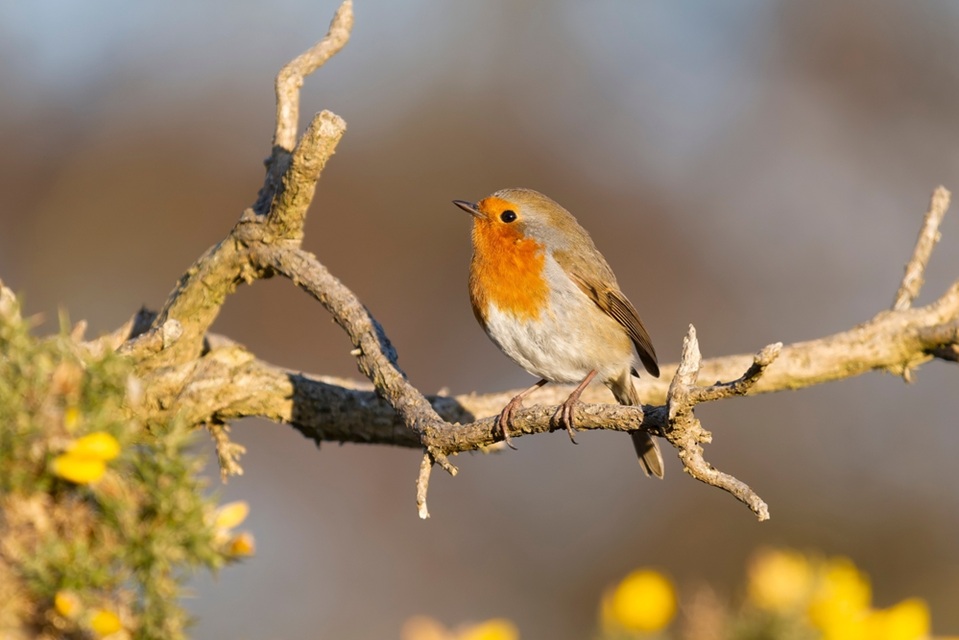
Researcher finds several UK mosquito species are potential carriers of avian malaria (opens the original)
Mosquito species which are present in the UK have the potential to transmit avian malaria to British birds, according to a new study.
-
Melatonin may help ease chronic muscle and joint pain, new study suggests
Melatonin is known for helping us sleep, but a new study suggests it may also ease chronic muscle and joint pain.
-
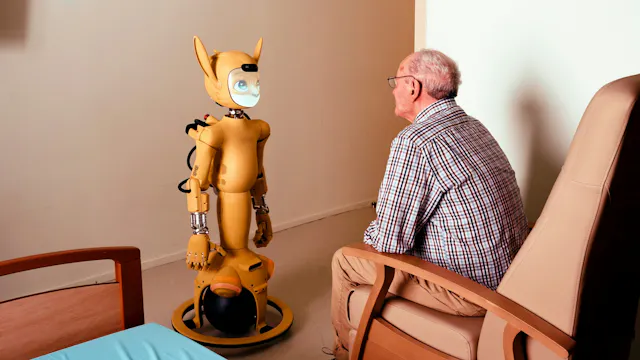
Wherever AI is heading next, older people want a say
The AI industry is dominated by young, male tech workers. It runs the risk of developing apps and tools that reproduce these gender and age-biases.
Picture: (Unsplash/Enchanted Tools)
-
Can speaking multiple languages really lower dementia risk? It’s not that simple
Learning languages may keep your brain young, but the evidence for preventing dementia itself is far less clearcut.
-
Why some primates have even tougher births than humans
Tamarins and squirrel monkeys have babies with unspeakably large heads compared to their mother’s birth canal.
-
Oenology student Genís Espinós represents young farmers from across Spain (opens the original)
He balances his studies with managing the family winery and his role as president of UPA Joven at a decisive time for the agricultural sector
-
How we are engineering bacteria to eat cancer
Researchers are working to engineer bacteria that can kill cancerous tumours while reducing harm to healthy cells and tissue.
-
China is funding African farmers but not food processing and storage: why it’s a problem
Chinese lenders have invested billions in African agriculture. But new research shows the money often misses what’s needed to modernise the sector.
-
Trump wants to make daylight saving time permanent – but some fear the move would be a nightmare
The controversial bill has passed the House of Representatives and now heads to the Senate, where it will face stiff opposition.
-
From smartphones to clinics: What Indonesia can learn from Thailand’s disease tracking
Thailand has built a connected healthcare system to track people’s health even in rural villages.
-
Will El Niño drought hit food prices in South Africa? Earlier rains and grain stocks offer hope
Previous rains and grain stocks could reduce the impact of the expected drought.
-
What’s a ‘sleep debt’? Can I ever pay it back? An expert explains
Never seem to get enough sleep? Why chasing ‘enough sleep’ to repay your ‘sleep debt’ might not be helping.



Read: The Conversation, CORDIS, ESO, NASA, ScienceDaily and the newsroom feeds of 734 institutions. Last read: today. Each story's date is its publisher's. Where the news comes from, and what each source allows.