Science news
Recent stories from university newsrooms, The Conversation, CORDIS, observatories and ScienceDaily, each sorted into the fields, countries and institutions it is about, and each linked to the original publisher. Narrow them below by subject, country, institution, source, words or period. A signed-in reader can follow any filtered view and be told when a new story matches it.
3,075 stories match these filters.
-
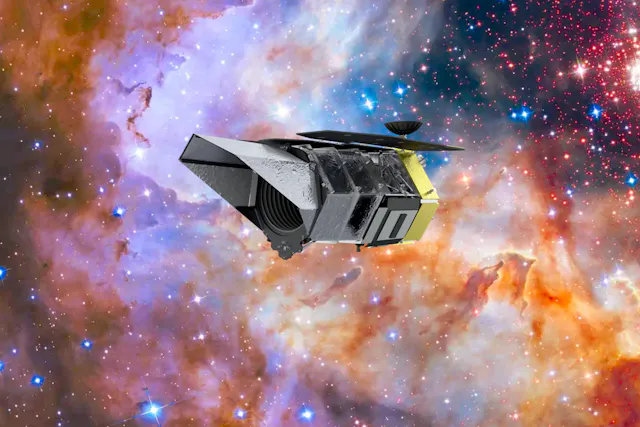
Nasa’s new space telescope will tackle some of the universe’s biggest mysteries
The Nancy Grace Roman telescope will probe dark energy and discover exoplanets.
Picture: Nasa
-
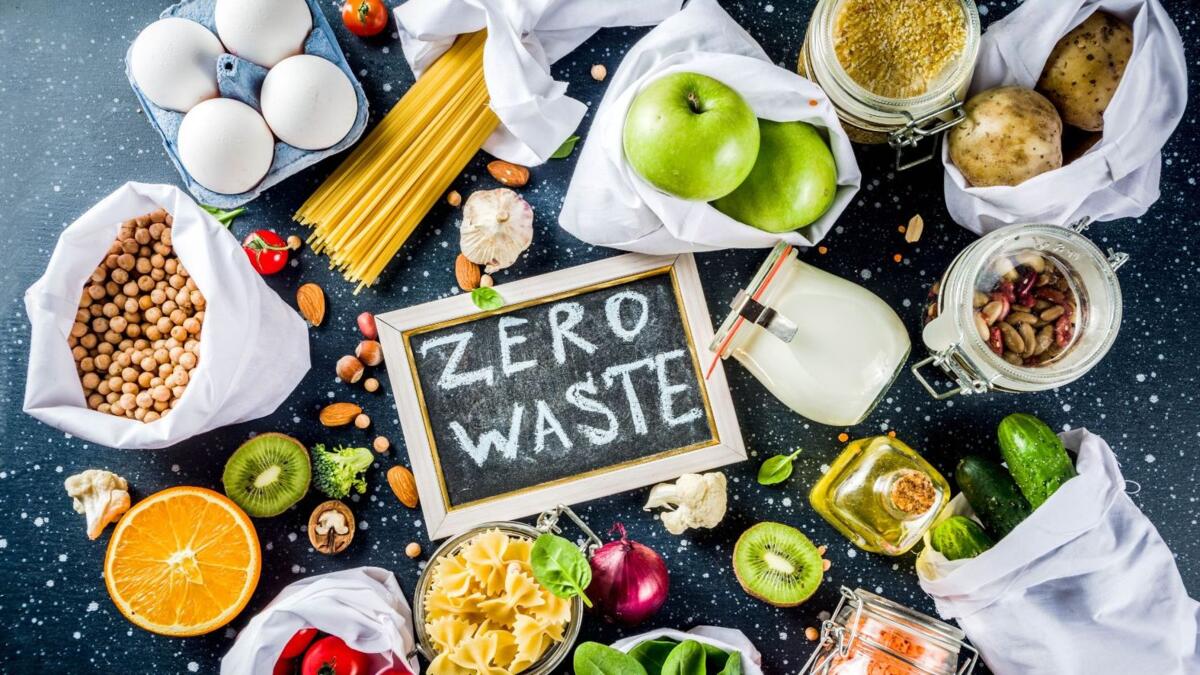
Developing Solutions to Reduce Waste in Historic City Centres (opens the original)
he Ruđer Bošković Institute (RBI) has joined the international FICHO project as a scientific partner. Over the next two years, the project will develop and test waste management models in the UNESCO cities of Šibenik, Mostar and Kotor.
-
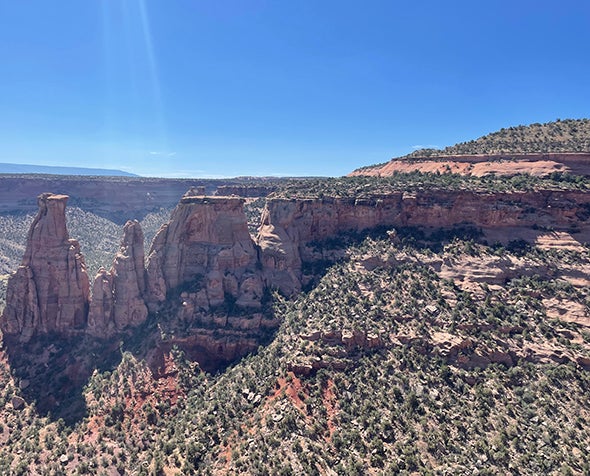
A Geology Expert’s Guide to Colorado’s Coolest Rock Formations (opens the original)
University of Denver Associate Professor Michael Kerwin shares a few of his favorite lesser-known locations to take students for on-site lessons.
-
An evolutionary bridge in solar energy conversion (opens the original)
Researchers from the Solar Fuels Laboratory at the UW Centre of New Technologies, together with international collaborators, have revealed how Photosystem I (PSI) evolved to capture and direct solar energy without compromising performance. Photosystem I (PSI) is a natural biophotocatalyst that converts sunlight into…
-
Scuba divers underestimate how much damage they do to coral reefs – we’ve watched hundreds to find out why
As part of our research we interviewed and followed hundreds of scuba divers.
-
Coffee grounds can be converted into a raw material for producing biofuels (opens the original)
A URV study has optimised a process to extract oil from spent coffee grounds, enabling the recovery of almost 90% of the yield obtained by other techniques, but with fewer impurities and with the remainder of the biomass able to be repurposed for new uses
-
OpenAI’s models autonomously hacked a tech startup. It signals a seismic shift in cybersecurity
OpenAI described the attack as unprecedented.
-
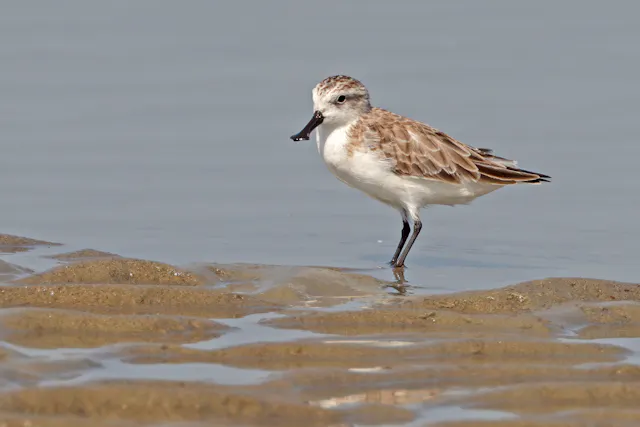
More than half of Earth’s migratory bird species are declining – here’s how we can still save them
A new global assessment of the world’s migratory species finds reason for alarm, but also hope – and a road map for helping them survive.
-
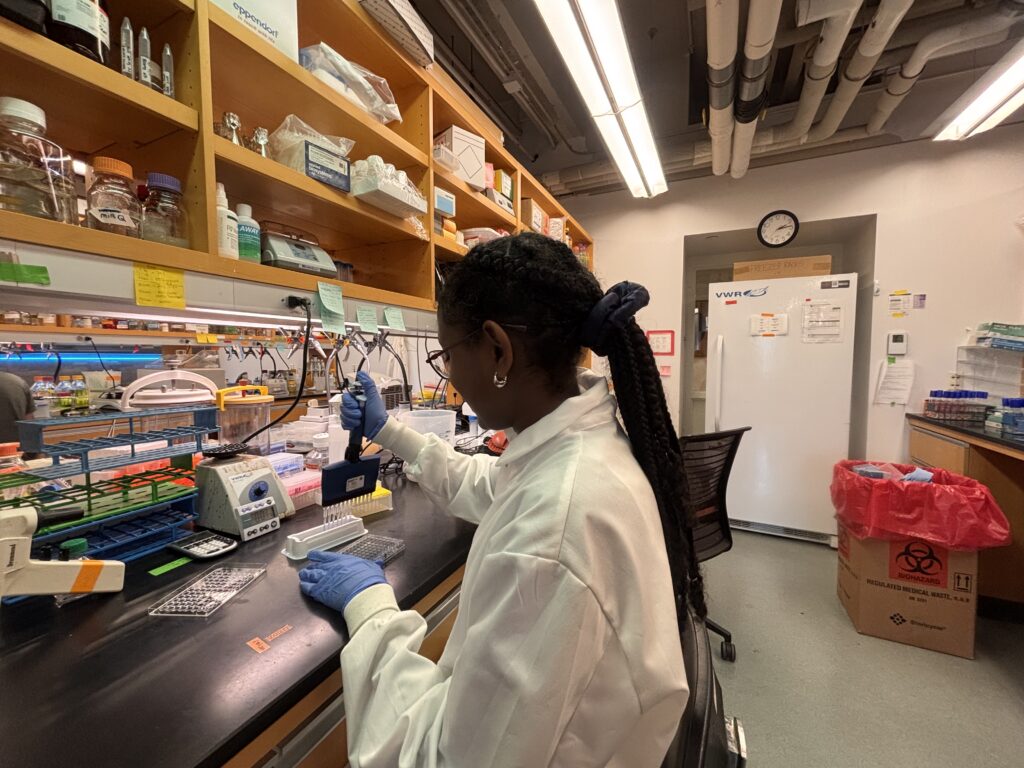
A Student’s Reflection on Tuberculosis Research: Inside the Rubin Lab (opens the original)
This summer, HGHI SURGH intern Mieti Adi is gaining hands-on research experience at the Rubin Lab at Harvard T.H. Chan School of Public Health, contributing to work that could advance future tuberculosis (TB) treatments.
-
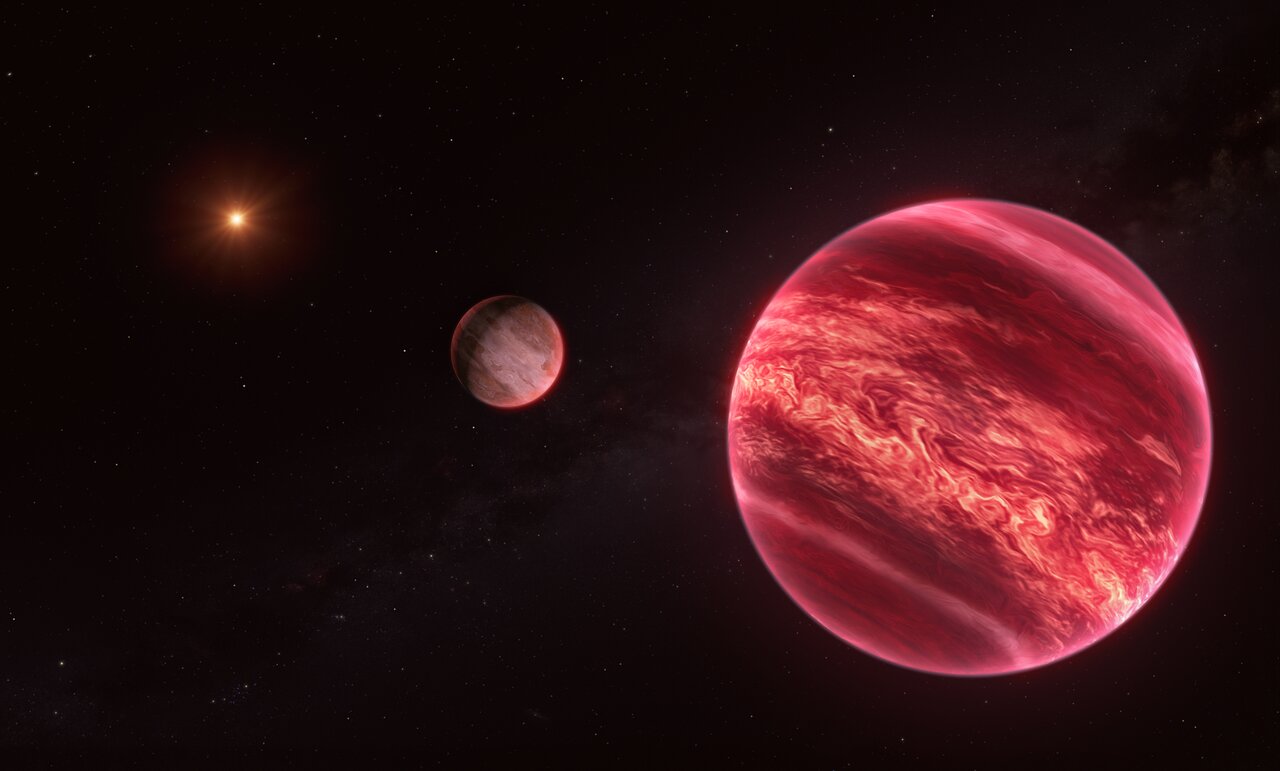
New ‘exomoon’ detection challenges cosmic labels (opens the original)
Observations made with the European Southern Observatory’s Very Large Telescope (ESO’s VLT) have revealed evidence for a moon-like object in the CD-35 2722 system. Unlike moons in our Solar System, the newly found object does not orbit a planet, raising questions about what to name it. Instead, it circles a brown dwarf, an object larger than a planet, that orbits the CD-35 2722 star. If confirmed, this could be the first ‘moon’ discovered outside our Solar System.
-
The National Climate Assessment is broken – appointing Matthew Wielicki to lead it won’t help
What communities and businesses really need is information they can act on, with examples of what’s worked elsewhere and why – and what fails.
-
University of Waterloo researchers secure more than $8 million in SSHRC funding (opens the original)
Federal funding supports Waterloo research tackling climate action, artificial intelligence and pressing social challenges
-
ELTE ethologists’ service robot sparks curiosity rather than fear (opens the original)
Do people behave differently around a robot than around a person performing the same task in everyday situations outside the laboratory? ELTE ethologists are about to find it out in a new study.
-
Iraq is emerging as the Middle East’s strategic connector – but can it turn foreign competition into advantage?
Iraq has pursued friendly relations with many countries who are themselves at odds. The strategy has lots of upside for war-torn Iraq – but holds key risks as well.
-
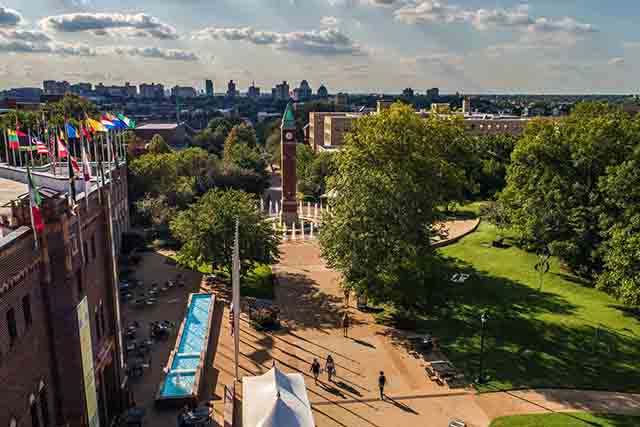
SLU Launches Next-Generation Geospatial Center to Power Innovation in St. Louis and Beyond (opens the original)
Saint Louis University has launched a new center focused on advancing geospatial research, fostering collaboration and developing solutions that benefit communities here at home and around the world. Housed in SLU’s School of Science and Engineering, the Geospatial Center will bring together faculty and students from…
-
Does dark energy really exist? Our work identifies cracks in the foundations of today’s cosmological model
The expansion of the universe may not in fact be accelerating, calling dark energy into question.
-
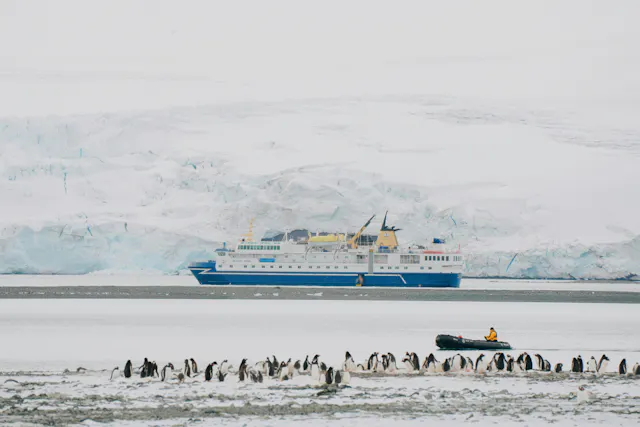
‘I can’t work in the farce of climate change cruise tourism anymore’: why Antarctic guides quit their dream jobs
The moral struggles of guiding tourists through a pristine landscape.
Picture: TC Photography / unsplash, CC BY-SA
-
Legally or not, the US government is controlling global access to the world’s most powerful AI
A Commerce Department order requiring Anthropic to wall off its most advanced AI models from foreign nationals could be the government’s attempt to keep the best AI technology for itself.
-
We set 10,000 traps in search of a rare native mouse. Here’s what we found
The pint-sized pookila faces uncertainty in Queensland, as two experts explain.
-
We attached cameras to whale sharks and captured krill chases never witnessed before
New video captures what whale sharks do when nobody is watching.



Read: The Conversation, CORDIS, ESO, NASA, ScienceDaily and the newsroom feeds of 734 institutions. Last read: today. Each story's date is its publisher's. Where the news comes from, and what each source allows.