Science news
Recent stories from university newsrooms, The Conversation, CORDIS, observatories and ScienceDaily, each sorted into the fields, countries and institutions it is about, and each linked to the original publisher. Narrow them below by subject, country, institution, source, words or period. A signed-in reader can follow any filtered view and be told when a new story matches it.
823 stories match these filters.
-
Plants Know When to Grow - And When to Hold Back, Study Finds (opens the original)
Researchers have uncovered a surprising mechanism that allows plants to carefully coordinate the formation and growth of new leaf parts. The study shows that the hormone auxin regulates different phases in organ formation by oppositely affecting the activity of another hormone, gibberellin, to trigger the formation…
-
Upstream Biotechnology™ Closes Seed Financing Led by LeVert Ventures to Advance SwitchBlade™ Crop Resilience Platform (opens the original)
Durham, N.C. – 07/28/2026 Upstream Biotechnology™, Inc., a North Carolina plant biotechnology company developing stress-inducible gene-regulation technologies for crop protection and resilience, today announced the closing of its seed financing. The ro
-
What vegan and vegetarian diets can and can’t tell us about eating disorders
Vegetarian and vegan diets are not linked to more symptoms overall, but the reasons for dietary restriction may still deserve attention.
-
Can a newly discovered soil fungus stop the devastating African armyworm when chemicals have failed?
The African armyworm causes havoc for many crops and livestock.
-
Some animals catch cancer from others in their species – here’s why humans aren’t one of them
Four different animals are now known to spread cancer between individuals. Here’s why humans aren’t one of them.
-
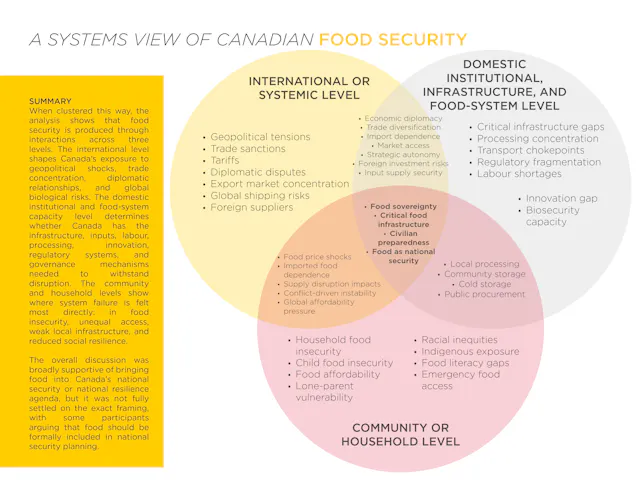
Public health advice tells us to buy local. Can Canada’s food system keep up?
A resilient food system requires connecting affordability, trade, food safety, biosecurity, regional infrastructure and preparedness before the next disruption.
Picture: (Guillaume Lhermie), CC BY-NC
-
What repeated blows to the head in sport may mean for dementia risk
Research links repeated head impacts with poorer brain health in some former players, although the evidence cannot yet prove cause and effect.
-
Millions of family caregivers manage complex diets for older relatives – often with little nutritional guidance
Caregivers often don’t recognize how much time, energy and effort is dedicated to their nutrition-related responsibilities, and many feel unprepared for them.
-
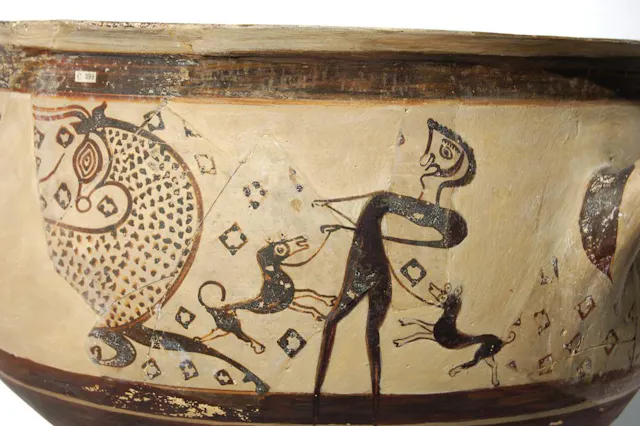
The dog who waited for Odysseus: Argos reflects the deep human-animal bonds of ancient Greece
The bonds between humans and animals are richly represented in both literature and visual arts throughout ancient Greek culture.
-
World first gene therapy treats rare form of childhood blindness (opens the original)
An eleven-year-old girl from London has become the first NHS patient to receive a revolutionary new treatment for a progressive form of severe blindness. Catherine L’Estrange was diagnosed with Bardet Biedl Syndrome (BBS) as a baby, a rare condition starting in early childhood that often results in almost complete…
-
Is it worse to eat unhealthy food in the morning, or later in the day? And what if you skip breakfast?
Do you tend to sit down for breakfast? Or do you grab a muesli bar or bacon-and-egg roll on the way in to work? Here’s what to keep in mind.
-
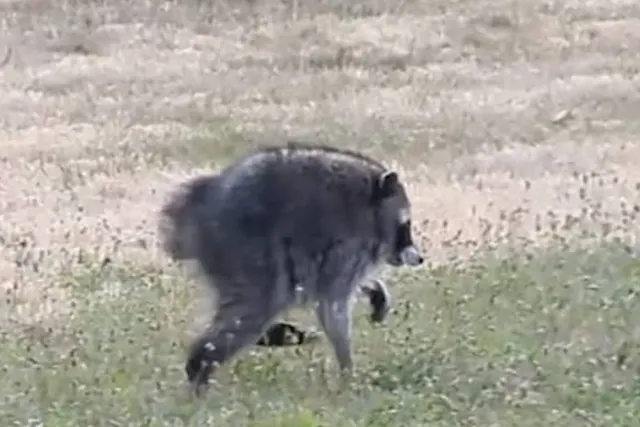
‘Jimothy’ the raccoon has short spine syndrome – but this condition can affect dogs, too
The deformity is so severe it would be extremely challenging to try and correct it surgically.
Picture: Kiana Hall/Instagram via Wikimedia
-
Jimothy the raccoon survived against the odds, a testament to sophisticated brains and devoted mothers
Surviving in the wild is no small feat for animals, especially ones like Jimothy, with rare conditions And yet he persevered to viral celebration, thanks to an adaptable brain and a caring mother.
-
Two ways to read a genome: Scientists reveal the first body-wide, single-cell atlas that maps DNA folding and epigenetics together (opens the original)
LA JOLLA—Every cell in the human body carries the same three billion letters of DNA, yet a neuron, a heart muscle cell, and a pancreatic beta cell each use that shared code to do entirely different jobs. How cells pull off this trick comes down to epigenetics—chemical tags and three-dimensional structures that govern…
-
Meet Likweli – the newly named monkey that hints at Congo’s hidden secrets
It’s rare for a completely new primate species to be named.
-
European network for biostimulant research to be led by a researcher from UP (opens the original)
The newly approved European network BIORAG – Biostimulants for Resilient Agriculture – will focus on research into biostimulants that improve nutrient use efficiency and help plants cope better with stressful conditions such as drought, salinity, or temperature extremes.
-
The brain rewires itself for motherhood. We now know more about how
A study in mice reveals how pregnancy hormones influence the brain’s reward system, helping explain why newborns become a mother’s priority.
-
Why are some animals considered ‘pests’? It comes down to culture and convenience
Calling an animal a ‘pest’ can sometimes cause more harm to people than the animal itself.
-
Great apes were using touch to reassure and keep the peace six million years before humans evolved – new research
Friendly touching to prevent a fight may be one of our most ancient social tools.

Read: The Conversation, CORDIS, ESO, NASA, ScienceDaily and the newsroom feeds of 734 institutions. Last read: today. Each story's date is its publisher's. Where the news comes from, and what each source allows.