Science news
Recent stories from university newsrooms, The Conversation, CORDIS, observatories and ScienceDaily, each sorted into the fields, countries and institutions it is about, and each linked to the original publisher. Narrow them below by subject, country, institution, source, words or period. A signed-in reader can follow any filtered view and be told when a new story matches it.
3,075 stories match these filters.
-
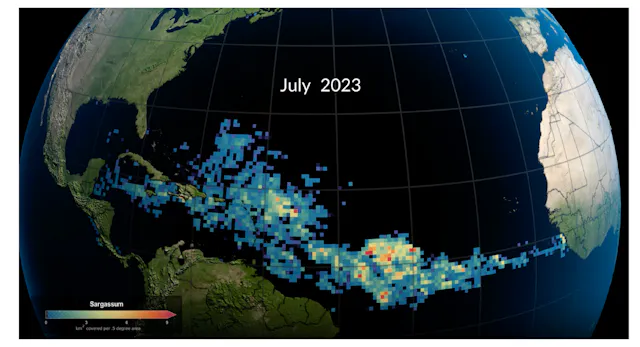
Sargassum, the smelly nemesis of beach vacations, has become a self-sustaining disaster that will keep coming back
Communities and entrepreneurs are experimenting with ways to turn this nuisance into a valuable resource.
Picture: NASA
-
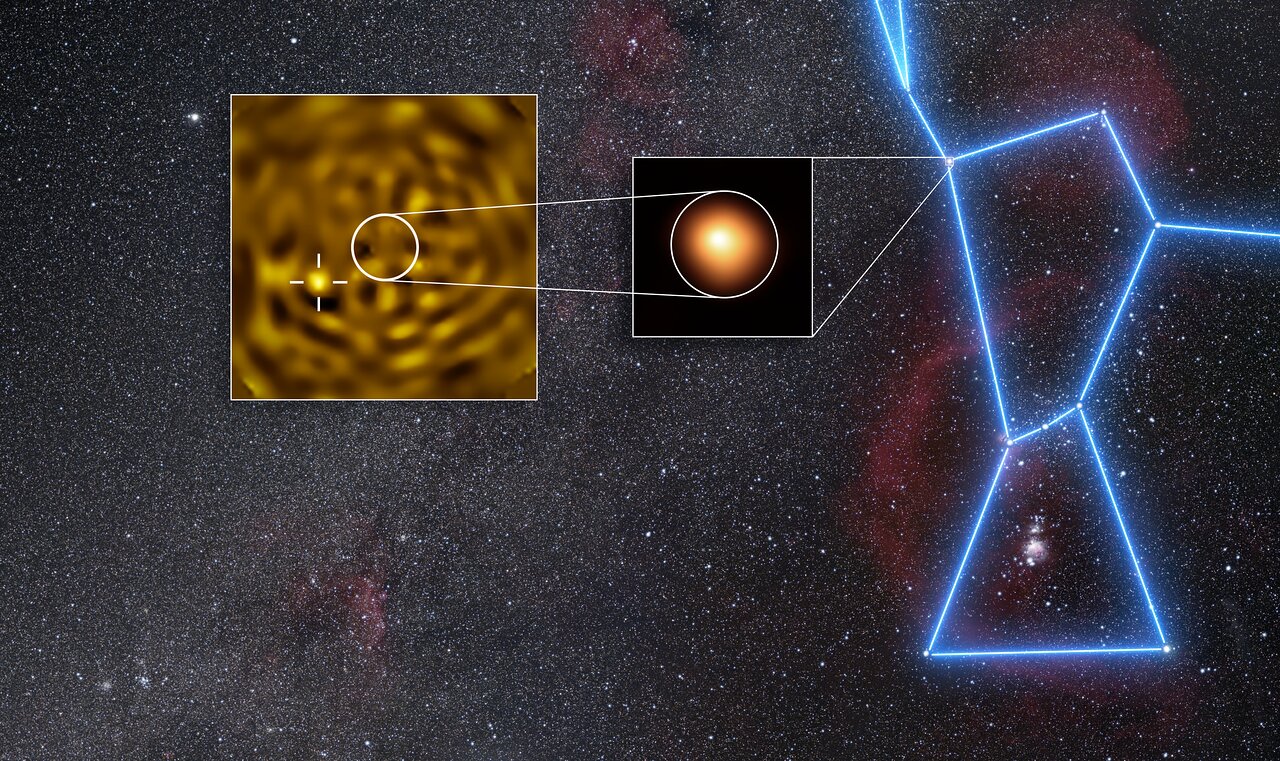
Astronomers find strongest evidence yet that Betelgeuse has a companion (opens the original)
At long last, astronomers have firm evidence that Betelgeuse, one of the most famous stars in the night sky, is not alone. Using the European Southern Observatory’s Very Large Telescope (ESO's VLT), a team led by French researcher Miguel Montargès obtained the clearest image ever of what likely is Betelgeuse B, the star orbiting Betelgeuse. “This is the conclusion of a century-long quest,” says Montargès.
-
Want to break free from big tech? ‘Self-hosting’ could be the answer
Self-hosting is a general catch-all term for taking control of your own data. It comes in many flavours.
-
Warmer, drier, more flammable: what climate change means for Sweden's forests (opens the original)
As wildfires and extreme heat spread across southern Europe this summer, SLU postdoctoral researcher Daniela Robles explains why such events are becoming more frequent, and what this means for drought and fire risk in Sweden.
-
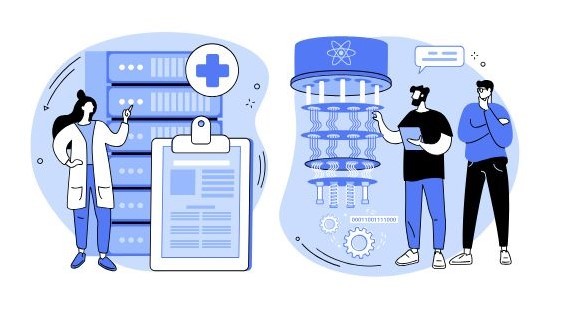
The 120th ICREA Colloquium ‘Trustworthy AI and quantum computing for healthcare’ (opens the original)
AI has had a profound effect in all walks of life, not least in healthcare. The impressiveperformance of these methods is partly due to the development of very efficientapproaches to solve highly overparameterized neural networks. These are “black box”systems, dificult to interpret and predict, leading to a problem…
-
Severe storms battered Pittsburgh twice as often as usual this spring – a meteorologist explains why
Pennsylvania logged 852 severe weather reports from March through June – more than double the 30-year average. A meteorologist explains what keeps the storms coming.
-
The impact of sign language on brain activity (opens the original)
Researchers from the University of Warsaw have shown that stories told in sign language, using hand gestures and facial expressions, synchronise our brain activity in a similar way to stories told through speech. An article presenting the research findings was published in the journal “Nature Communications”. The…
-
End of Elether 2: summary of four years of research on electrolyte thermodynamics (opens the original)
Many applications in the process industry deal with fluids that contain electrolytic species. Industrial surveys pointed to the need to promote development in electrolyte thermodynamics and showed
-
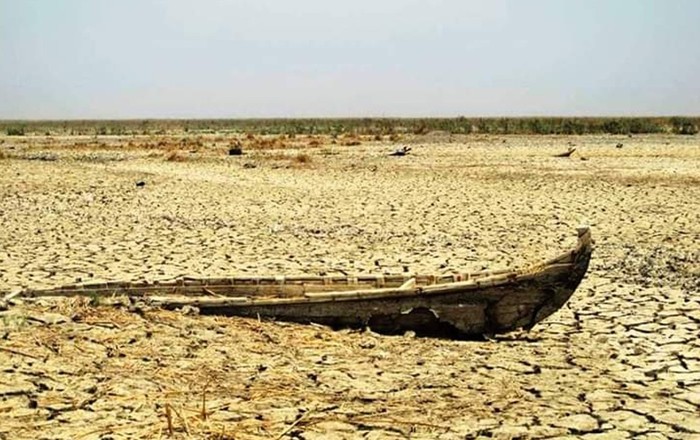
Researchers reveal why river management is so crucial to protecting one of world’s most important wetlands (opens the original)
A major new study led by Swansea University has shown that upstream river management rather than local rainfall is the primary driver of one of the world's most important wetlands.
-
Lessons from South Africa on how parks and community gardens can help cities adapt to climate change
Parks do more than cool cities. They also help people work together to cope with climate change, but only if local communities help design, manage and care for them.
-
Clarkson Physicist Earns NSF CAREER Award to Study Light-Driven Processes in Two-Dimensional Materials (opens the original)
Clarkson University Associate Professor of Physics Dhara Trivedi has received a National Science Foundation award to advance fundamental research on h
-
AI Growing Pains Reach Scientific Labs, New RPI Study Finds (opens the original)
Researchers at Rensselaer Polytechnic Institute (RPI) have found that today's leading artificial intelligence tools for predicting protein structures routinely generate results that are physically and chemically impossible, exposing critical blind spots in how AI is being applied across scientific research.
-
How do scientists know if climate change made a heat wave, extreme storm or wildfire worse?
A National Academy of Sciences report examined the latest advances in extreme event attribution science. As four of the authors explain, the type of disaster makes a difference.
-
Researchers Develop New Strategy for Designing Ultra-Fast Charging Batteries (opens the original)
Researchers have developed off-stochiometric anode materials capable of safe, ultra-fast charging Image title: Proposed off-stochiometric design strategy for LTP anodesImage caption: LTP anodes designed using the proposed off-stochiometric strategy exhibit high-rate capability and durability over hundreds of charging…
-
Seven climate-friendly ways to transform your home
Anna Turns (AT), senior environment editor and Rachael Jolley (RJ), environment editor, showcase climate-friendly ways to transform your living spaces.
-
University of Warwick to host 2027 Medical Image Understanding and Analysis Conference (opens the original)
The Conference will take place in The Oculus, on the University of Warwick campus, 7th-9th July 2027.
-
Why you should think twice before rescuing a wild animal
Helping distressed wildlife without seeking advice may sometimes do more harm than good – as two experts explain.
-
Can we alter ocean chemistry to absorb carbon? Here are the pros and cons
Australian scientists are exploring ways to remove carbon from the atmosphere – using our oceans.
-
AI companies are trying to escape the screen. Apple’s lawsuit against OpenAI shows how hard it will be
A tiny glowing keyboard may be a harbinger of a much bigger shift in how we interact with AI.
-
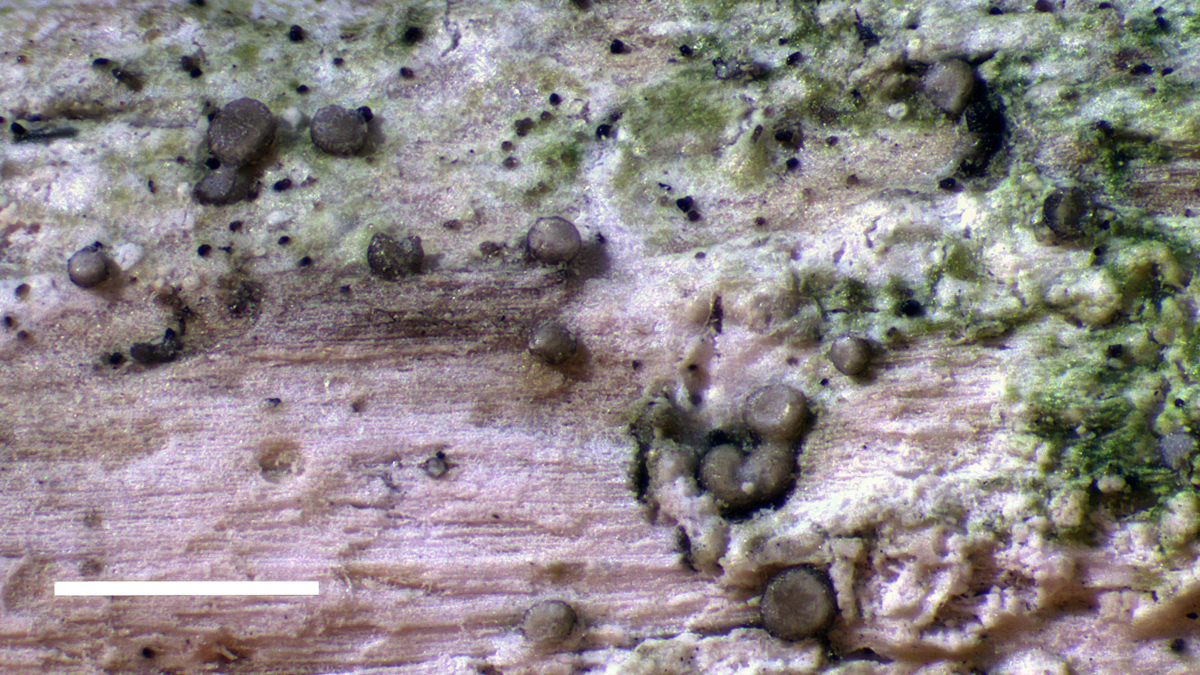
New species found in Swedish forest: “More out there to find” (opens the original)
Experts working in a SLU-led project have discovered a previously unknown species of fungi. So far, it has been found at a single location in Hälsingland County. The unique find was made through an extensive nature survey, leading to the discovery of many species new to Swedish forests.
.jpg)
Read: The Conversation, CORDIS, ESO, NASA, ScienceDaily and the newsroom feeds of 734 institutions. Last read: today. Each story's date is its publisher's. Where the news comes from, and what each source allows.