Science news
Recent stories from university newsrooms, The Conversation, CORDIS, observatories and ScienceDaily, each sorted into the fields, countries and institutions it is about, and each linked to the original publisher. Narrow them below by subject, country, institution, source, words or period. A signed-in reader can follow any filtered view and be told when a new story matches it.
2,237 stories match these filters.
-
Muscle coordination can be mimicked by electric motors – it could lead to improved robots
Coordination appears to emerge spontaneously from muscle fibres.
-
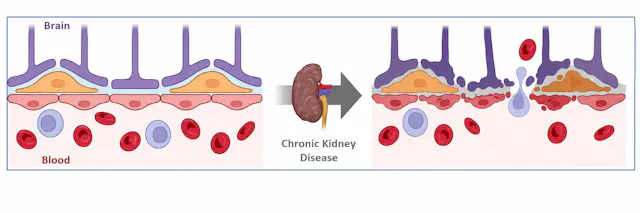
Kidney disease is also a brain disease. Here’s why
Kidney disease is often associated with dialysis or transplants, but it also affects memory and concentration, and increases stroke risk.
Picture: CC BY
-
Pregnant and parenting teens in Nairobi’s informal settlements: the hidden mental toll of stigma
Adolescent girls carry the blame for early pregnancy, yet the boys and men who got them pregnant remain invisible.
-
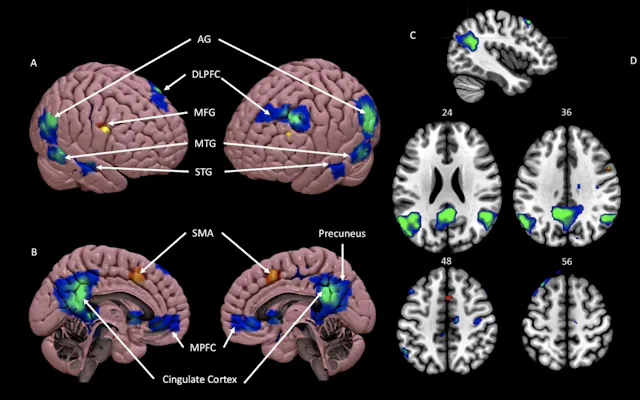
What I found when I scanned the brains of kids creating tunes on the piano
Playing improv music activates the reward system of the brain.
-
High blood pressure treatment could prevent 200,000 deaths over next decade in USA (opens the original)
Offering high blood pressure treatment to more people could prevent around 200,000 deaths over the next decade in the USA, Keele researchers have said, after their study revealed that not everyone who is eligible is accessing treatment.
-
Biofilm clue opens route to anti-infection treatments of the future (opens the original)
A multidisciplinary study has uncovered a critical component in the formation of biofilms, the complex structures used by bacteria to colonise surfaces. The research may have implications for future infection treatments including for people with cystic fibrosis
-
Financial Stress Raises Suicide Risk in Veterans (opens the original)
The findings of this Duke-led research also point to possible points of intervention by healthcare professionals
-
Study finds brain immune cells help limit abnormal activity in Alzheimer's disease model (opens the original)
Researchers have discovered that microglia – the main immune cells of the brain – play a critical role in maintaining the stability of neuronal networks in Alzheimer’s disease. Crucially, this suggests treatments that indiscriminately suppress these cells could be counterproductive.
-
Daily report cards can decrease disruptions for children with ADHD (opens the original)
Gregory Fabiano, professor of psychology at FIU writes in The Conversation.
-
UHart’s Hydration Health Center Makes Waves on the National Stage (opens the original)
Since its founding in 2022, the research center has become a trusted source of information on water and its vital impact on our health.
-
What October 7 Taught Hospitals About Preparing for Modern Warfare (opens the original)
A new study of an Israeli hospital's response to the October 7 attacks shows that while years of disaster training enabled staff to continue treating patients under rocket fire, real wartime conditions exposed critical gaps in communication, staffing, logistics, and casualty distribution. The findings offer practical…
-
Does regular exercise stop you getting sick in winter?
Your bed is warm and it’s cold outside. Besides, you have a tickle in your throat. Should you go for that run?
-
Vaccine mis- and disinformation isn’t just a threat to public health, but also to our autonomy
When we are mis- or disinformed, it is difficult to act with autonomy. We may make decisions that do not align with our beliefs, even when we seem to be acting voluntarily.
-
What vegan and vegetarian diets can and can’t tell us about eating disorders
Vegetarian and vegan diets are not linked to more symptoms overall, but the reasons for dietary restriction may still deserve attention.
-
Some animals catch cancer from others in their species – here’s why humans aren’t one of them
Four different animals are now known to spread cancer between individuals. Here’s why humans aren’t one of them.
-
UT Names Governor’s Chair for Nuclear Medicine (opens the original)
Carolyn Anderson, an internationally recognized radiopharmaceutical researcher, has been named a UT-Oak Ridge National Laboratory Governor’s Chair.
-
What makes muscles contract? A physiologist explains how muscles move
It takes an entire team of electricity, calcium, energy and proteins all working together to move your muscles.
-
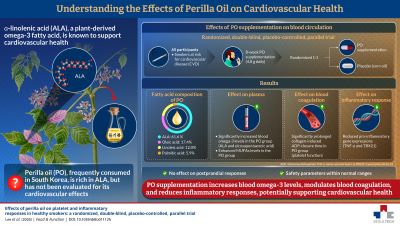
Perilla Oil Improves Blood Circulation and Coagulation in Healthy Smokers (opens the original)
Researchers investigate the effects of perilla oil supplementation on blood flow and inflammatory biomarkers α-linolenic acid (ALA), an essential omega-3 acid, is known to have anti-inflammatory and antioxidant properties and could help support cardiovascular health. Although perilla oil, which is widely consumed in…
-
Searching For the Cancer Cell's Weak Spot in LY6D (opens the original)
A little-studied protein sits on certain breast and prostate cancer cells. Associate Professor Dr Foo wants to identify the parts that matter, then block them.
-
What repeated blows to the head in sport may mean for dementia risk
Research links repeated head impacts with poorer brain health in some former players, although the evidence cannot yet prove cause and effect.







Read: The Conversation, CORDIS, ESO, NASA, ScienceDaily and the newsroom feeds of 733 institutions. Last read: today. Each story's date is its publisher's. Where the news comes from, and what each source allows.