Science news
Recent stories from university newsrooms, The Conversation, CORDIS, observatories and ScienceDaily, each sorted into the fields, countries and institutions it is about, and each linked to the original publisher. Narrow them below by subject, country, institution, source, words or period. A signed-in reader can follow any filtered view and be told when a new story matches it.
823 stories match these filters.
-
New museum find shows nature can’t stop inventing seahorses
No one has ever seen one of these fish alive. But they are most likely still swimming in a part of the sea we hardly ever visit.
-
Scientists watch, molecule by molecule, as cell helpers rescue problem proteins (opens the original)
Discovery offers new insight into protein clumping seen in neurodegenerative diseases
-
Housekeeping in the Brain (opens the original)
New imaging technique reveals the brain’s waste-removal system in action
-
How your conscious and unconscious mind interact
The modern scientific consensus is that your unconscious mind does the heavy lifting.
-
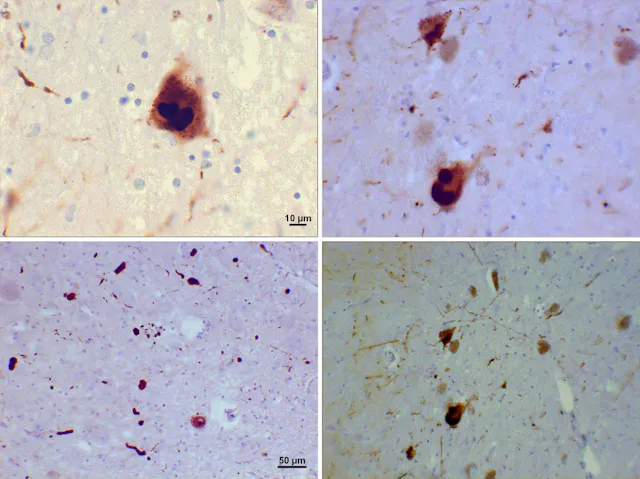
Foldable synthetic molecules could infiltrate and bust apart the toxic protein clumps causing Parkinson’s
Researchers are finding ways to target the toxic proteins involved in neurodegenerative diseases such as Parkinson’s and Alzheimer’s that were once considered ‘undruggable.’
-
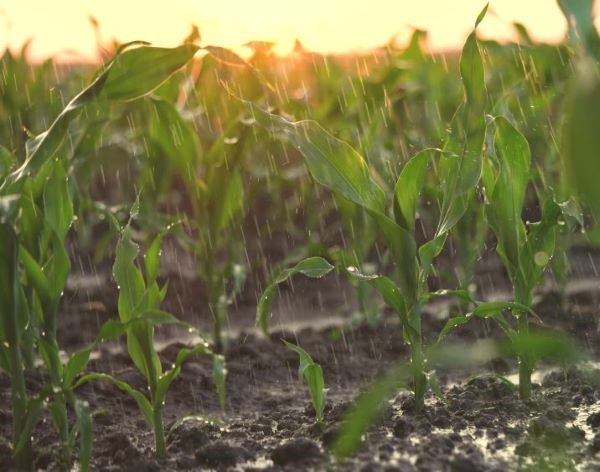
New DMU research shows how AI soil monitoring could help farmers make every drop count in a warming world (opens the original)
DMU-led research shows how AI systems can help farmers protect crops and use scarce water supplies more efficiently in a warming world.
-
Poochmaxxing: the wellness industry is coming for your pets
From canine physiotherapy to pet supplements, wellness is booming. But what does the evidence say about keeping our animals healthy?
-
Fauci’s COVID-origins hearing shows how conspiracy theories became political weapons
Conspiracy theories don’t just explain events – they identify villains, and Fauci is among the most popular.
-
Canada’s new food security strategy invests in technology but overlooks the people who help farmers use it
Ottawa’s $3-billion National Food Security Strategy funds greenhouses, food terminals and processing plants, but not the advisors who help farmers put any of it to work.
-
As Larry the cat welcomes yet another prime minister, an expert explains how pets adapt to change
Larry has watched seven prime ministers come and six of them go.
-
UK drought: crop harvests at severe risk of collapse
Complex systems require multiple indicators. A UK food resilience index could identify developing weaknesses in the food system before they become failures.
-
Flawed studies linking hormone therapy to breast cancer made doctors reluctant to prescribe it for menopause relief – especially for breast cancer survivors
Menopausal hormone therapy no longer has the highest-level warning label about the risk of breast cancer, opening a gray area on who would benefit most from treatment.
-
The Wistar Institute Recruits Christopher McGinnis (opens the original)
McGinnis studies cancer microenvironment complexity to create metastasis-targeted cancer therapeutics
-
Discovery of Anti-Aging Effects of Pyrroloquinoline Quinone and Its Derivative Imidazopyrroloquinoline (opens the original)
TOPICSPharmceutical SciencesDATEJuly 28, 2026 Conducting Research at Toho SHAREJuly 28, 2026 Discovery of Anti-Aging Effects of Pyrroloquinoline Quinone and Its Derivative Imidazopyrroloquinoline Extending healthy lifespan, slowing appearance aging, recovering muscle function, and reducing fat accumulation A research…
-
Where have all the wasps gone this summer?
And why you should let them share your picnic ham and jam.
-
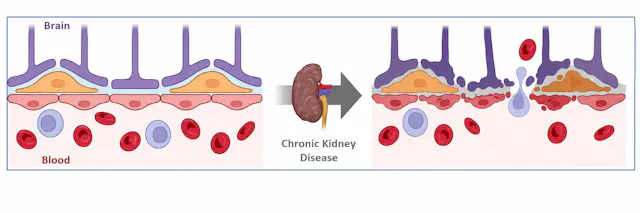
Kidney disease is also a brain disease. Here’s why
Kidney disease is often associated with dialysis or transplants, but it also affects memory and concentration, and increases stroke risk.
Picture: CC BY
-
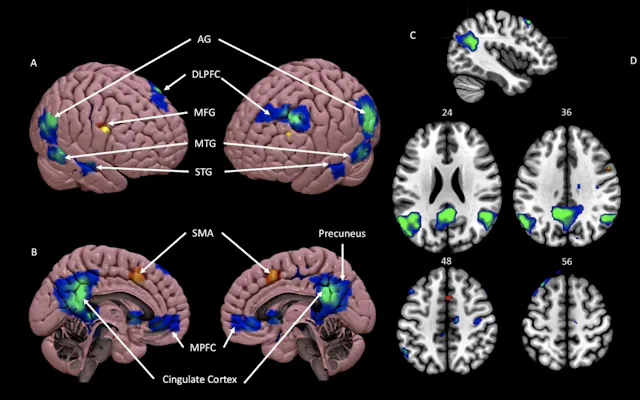
What I found when I scanned the brains of kids creating tunes on the piano
Playing improv music activates the reward system of the brain.
-
Oil beetle larvae smell like flowers to manipulate bees (opens the original)
For the first time, a research team from the Max Planck Institute for Chemical Ecology and University of Jena has demonstrated that insects can mimic floral scents to manipulate pollinators
-
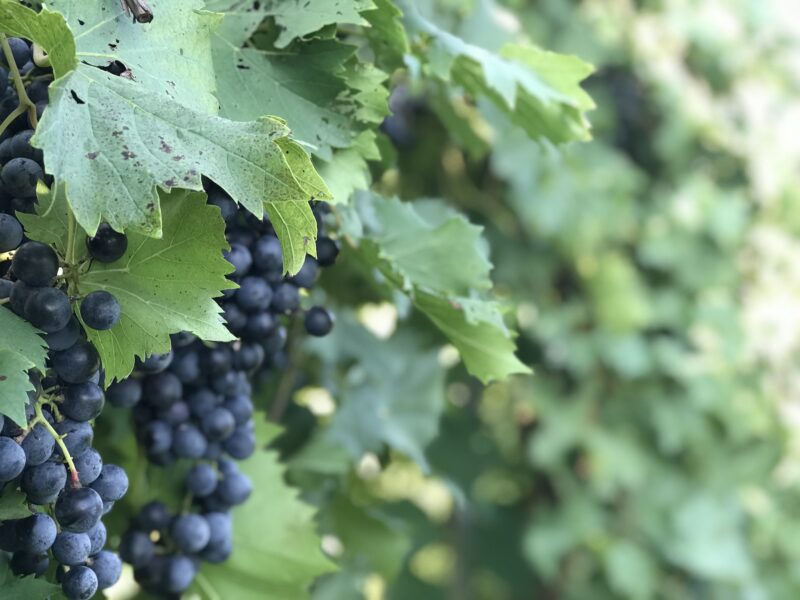
The Grapevines All Around Us (opens the original)
Grapevines have been an area of focus in my research over the last five or so years, involving a tremendous amount of learning and an equivalent increase in appreciation for these wondrous lianas.




Read: The Conversation, CORDIS, ESO, NASA, ScienceDaily and the newsroom feeds of 734 institutions. Last read: today. Each story's date is its publisher's. Where the news comes from, and what each source allows.