Science news
Recent stories from university newsrooms, The Conversation, CORDIS, observatories and ScienceDaily, each sorted into the fields, countries and institutions it is about, and each linked to the original publisher. Narrow them below by subject, country, institution, source, words or period. A signed-in reader can follow any filtered view and be told when a new story matches it.
3,073 stories match these filters.
-
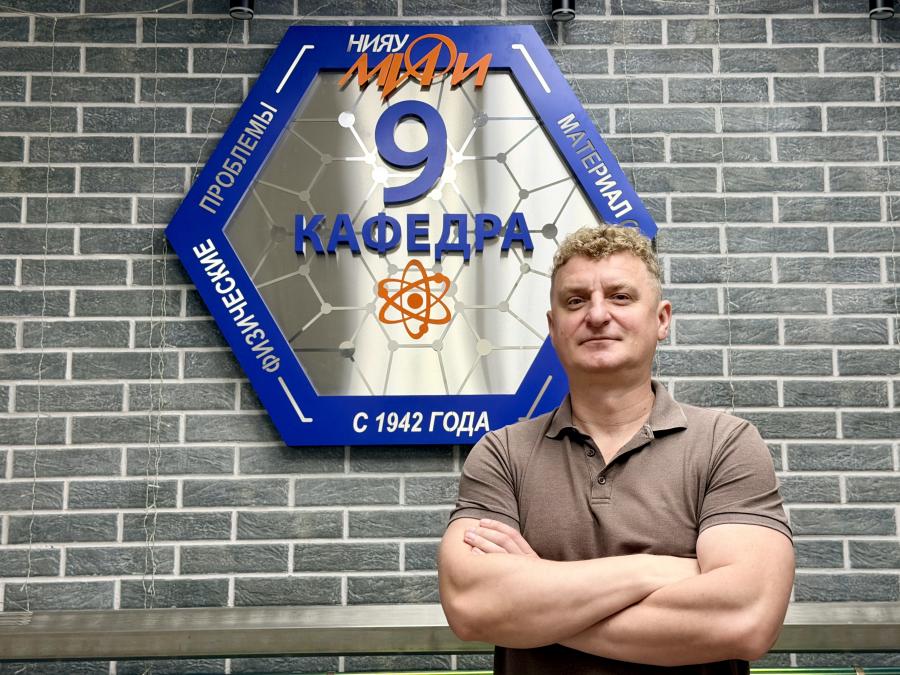
The era of amorphous materials has begun (opens the original)
The properties of any material depend not only on its chemical composition, but also on its structure. In recent decades, so called amorphous materials that do not have an ordered crystal lattice have been increasingly used in various fields of technology (the most famous example of an amorphous body is ordinary…
-
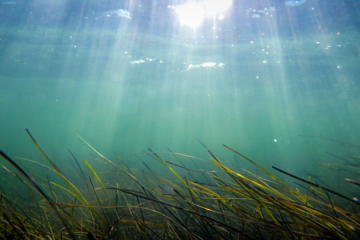
A longer, hotter reality surrounds marine heatwaves, new study finds (opens the original)
A first-of-its-kind study shows ecosystems experience far more cumulative heat than standard measurements capture.
-
Producing spider silk is a biological feat – scientists are using it to develop materials for drug delivery and wound care
If Spider-Man were real, he could help scientists revolutionize healthcare. Since he’s not, researchers develop creative ways to produce spider silk to study.
-
Mapping the upper atmosphere (opens the original)
Researcher 研究者名 Yamamoto, Mamoru Activity Database on Education and Research Overview Kyoto, Japan -- The space around Earth is becoming increasingly crowded, with thousands of satellites and pieces of debris now sharing low Earth orbit. Even above this region -- at altitudes of several hundred kilometers -- the…
-
DMU research uses grey-fuzzy framework to tackle 'black box' problem in AI predictions of rock permeability (opens the original)
Researchers at DMU have developed a new artificial intelligence framework that not only makes predictions, but also tackles the so-called black box problem - one of AI's recognised weaknesses.
-
Experimental AI systems have been going on hacking sprees
AI systems need ‘situational awareness’ to do the right thing – but recent events show they can get confused.
-
How do instant heat packs work? A chemist explains
From slowly rusting iron to quick crystals, heat packs and hand warmers use simple but clever chemistry to keep you toasty.
-
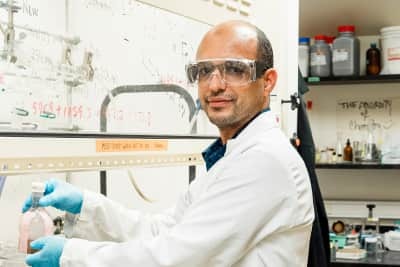
How an FIU researcher is turning agricultural waste into a solution for cleaner water (opens the original)
Islam Ibrahim Hussein is transforming discarded rice husks into a sustainable material that could one day help remove contaminants from water.
-
Invasive rats are stopping small mammals from returning to Madagascar’s regenerating forests – study
Lemurs and other native animals are rare in recovering forests.
-
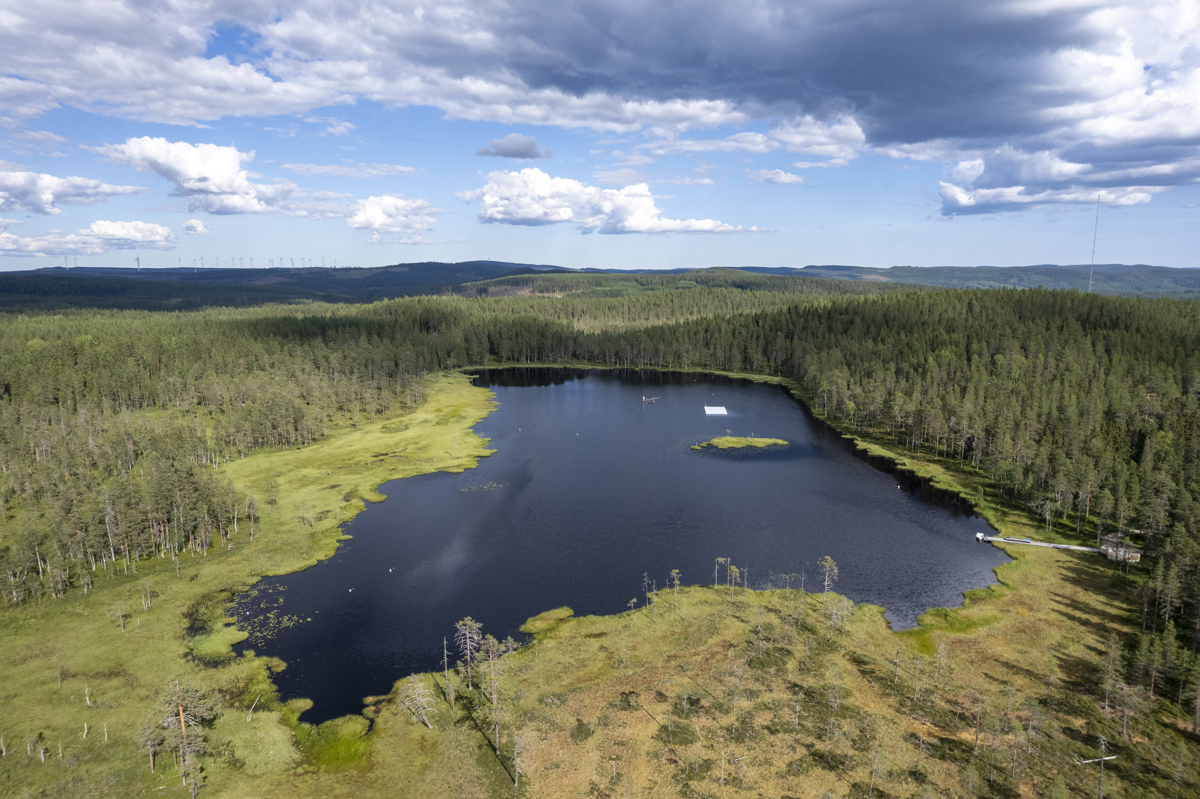
This is how carbon flows – new theory combines decades of Swedish field research (opens the original)
Carbon in streams affect our drinking water, environment and climate. But how its contents and its forms changes through the varying landscape have thus far lacked a full explanation. Now, a new model from SLU is presented in Nature Water, providing the most complete picture yet.
-
Improving tropical cyclone intensity forecasts with a simple AI correction (opens the original)
Tropical cyclones (TCs) are among the most destructive weather systems. Improving forecasts of their track and intensity is critical for helping communities to prepare for severe winds, storm surge and flooding. Forecasting TCs has been one of the more demanding tests for machine-learning weather models.
-
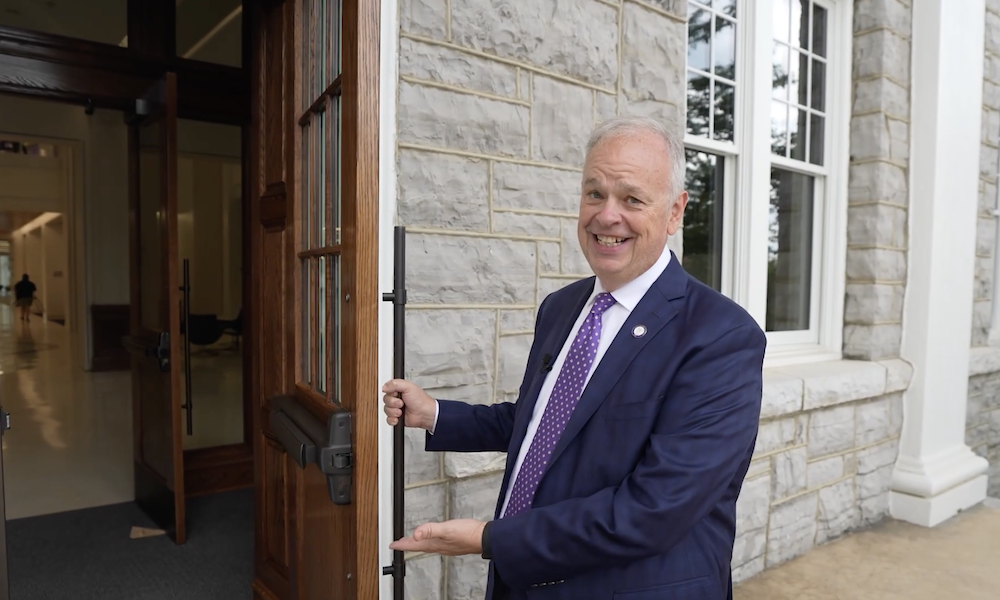
VIDEO: The Doors Are Open at Carrier Library (opens the original)
Take a first look inside Carrier Library and discover the new spaces waiting for Dukes.
-
South Africa’s privacy laws are evolving, but vulnerable people are being left behind
Privacy protection must also be a conversation that reflects the lived realities of vulnerable communities.
-
An AI system ‘escaped’ during a test and hacked a company. How worried should we be?
The AI model built by OpenAI attacked the website Hugging Face.
-
Sam Altman says we’re ‘in the singularity’ with AI. Here’s why he’s wrong
The singularity has two features. The AI systems Sam Altman sells don’t deliver on either of them.
-
The federal government invests in electric vehicle infrastructure and education across Canada (opens the original)
Today, the Honourable Julie Dabrusin, Minister of the Environment, Climate Change and Nature, announced $11 million for 23 electric vehicle infrastructure and education projects across Canada.
-
Government of Canada continues investments in electric vehicle infrastructure and education (opens the original)
On July 30, 2026, the Honourable Julie Dabrusin, Minister of the Environment, Climate Change and Nature, announced more than $11 million for 23 electric vehicle charging infrastructure and education projects across Canada.
-
The surprising chemical footprint of your clothes
Two garments made from the same fibre may have very different environmental footprints depending on how they were processed and finished.
-
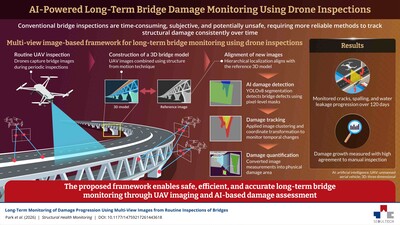
Develops an AI Framework for Long-Term Bridge Damage Monitoring (opens the original)
Researchers create an automated computer vision system that tracks and measures bridge damage over time using routine drone inspections Bridges naturally develop cracks, spalling, and water leakage as they age, making regular inspections essential. However, these inspections are often labor-intensive and costly. To…

Read: The Conversation, CORDIS, ESO, NASA, ScienceDaily and the newsroom feeds of 734 institutions. Last read: today. Each story's date is its publisher's. Where the news comes from, and what each source allows.