Science news
Recent stories from university newsrooms, The Conversation, CORDIS, observatories and ScienceDaily, each sorted into the fields, countries and institutions it is about, and each linked to the original publisher. Narrow them below by subject, country, institution, source, words or period. A signed-in reader can follow any filtered view and be told when a new story matches it.
2,235 stories match these filters.
-
How singing in a choir hits the right note for people living with brain conditions
Singing in a choir helps people regain their voice and reduces social isolation and the sense of loss that often follows diagnosis with a brain condition.
-
Health Canada authorizes vaccine clinical trial for Ebola disease caused by the Bundibugyo virus (opens the original)
On July 30, 2026, Health Canada authorized Moderna to move forward with a Phase I clinical trial for its candidate mRNA vaccine for Ebola disease caused by the Bundibugyo virus.
-
Respectful maternity care starts with improving hospital culture: lessons from rural South Africa
Care improves when healthcare professionals are given the tools to find their own solutions.
-
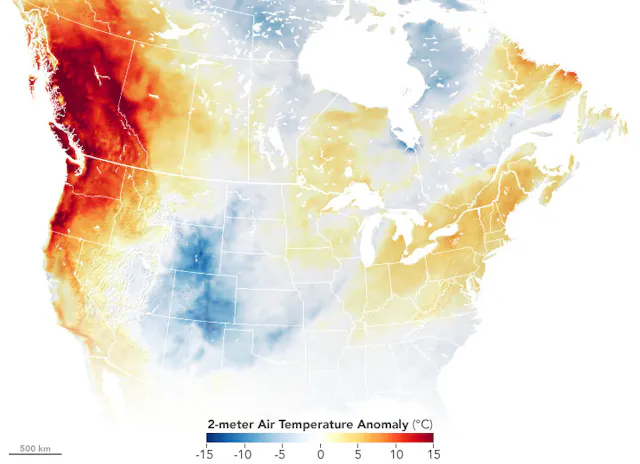
Extreme heat: Could hot baths help older adults better adapt?
Heat waves pose a threat to older adults, but a recent study suggests that they retain an unexpected ability to adapt to high temperatures.
Picture: (Joshua Stevens/NASA Earth Observatory)
-
There are new blood tests for Alzheimer’s. Should I have one?
New blood tests for Alzheimer’s won’t give you an instant diagnosis. Here’s what they’ll tell you instead.
-
Immune Cells May Hold the Key to Fighting Obesity-Induced Muscle Dysfunction (opens the original)
Summary Researchers reveal how deleting a key signaling molecule from a subpopulation of macrophages enhances
-
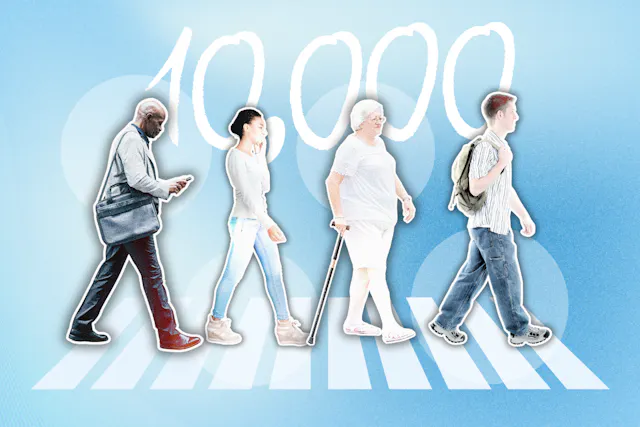
Do we really need 10,000 steps a day?
The infamous 10,000 steps per day recommendation didn’t come from a research laboratory.
Picture: Canva, Ono Kosuki/Pexels, Billion Photos/Canva, Josh Blake/Canva, The Conversation
-
In memory care deserts, senior centers can help close the gap in brain-related healthcare
Specialized health care for brain-related issues can be lacking in rural areas, but collaborative, community-based approaches can help address these inequities.
-
Postgraduate Deep Dive: Understanding Master of Science in Medical Science (opens the original)
Behind every medical breakthrough is a researcher who stayed with a question long enough to answer it. Here's how this Master's builds that capability
-
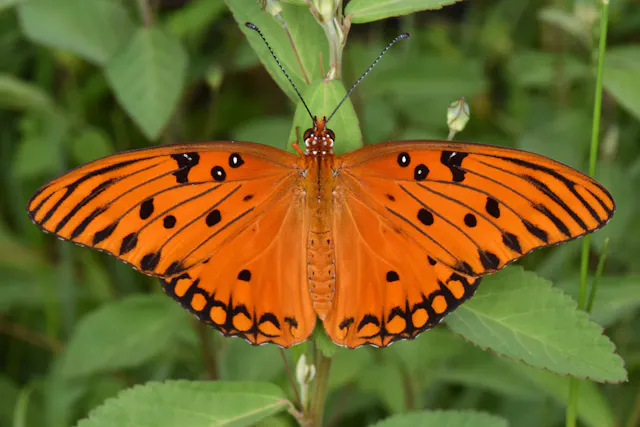
Some tropical butterflies live surprisingly long lives. Is it their high-protein diet?
Heliconius butterflies eat high-protein pollen and seem to age well.
Picture: (Wikimedia Commons/ Christina Butler)
-
Housekeeping in the Brain (opens the original)
New imaging technique reveals the brain’s waste-removal system in action
-
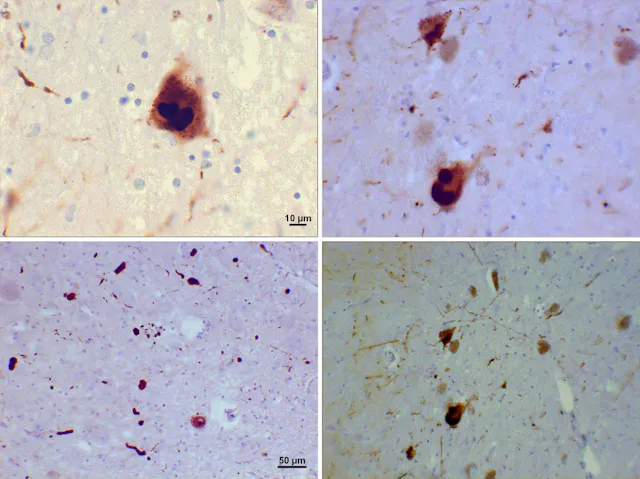
Foldable synthetic molecules could infiltrate and bust apart the toxic protein clumps causing Parkinson’s
Researchers are finding ways to target the toxic proteins involved in neurodegenerative diseases such as Parkinson’s and Alzheimer’s that were once considered ‘undruggable.’
-
Personalised care could help more women achieve their breastfeeding goals, new research finds (opens the original)
The University of Lancashire’s Professor Gill Thomson collaborated on the review of 41 breastfeeding papers
-
Fauci’s COVID-origins hearing shows how conspiracy theories became political weapons
Conspiracy theories don’t just explain events – they identify villains, and Fauci is among the most popular.
-
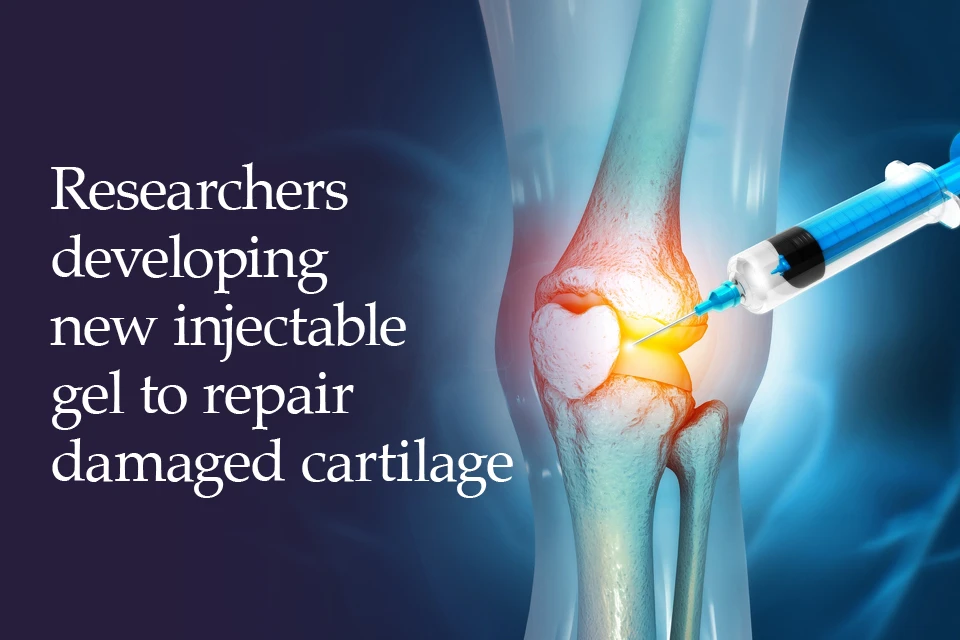
Researchers developing new injectable gel to repair damaged cartilage (opens the original)
A new injectable gel being developed by Keele scientists could reduce the need for complex and invasive surgeries for many patients with damaged cartilage in their joints.
-
Alcohol’s hidden calories: product labels could help fight obesity in South Africa
The typical alcoholic beverage disclosed only a single piece of nutritional information: its alcohol content.
-
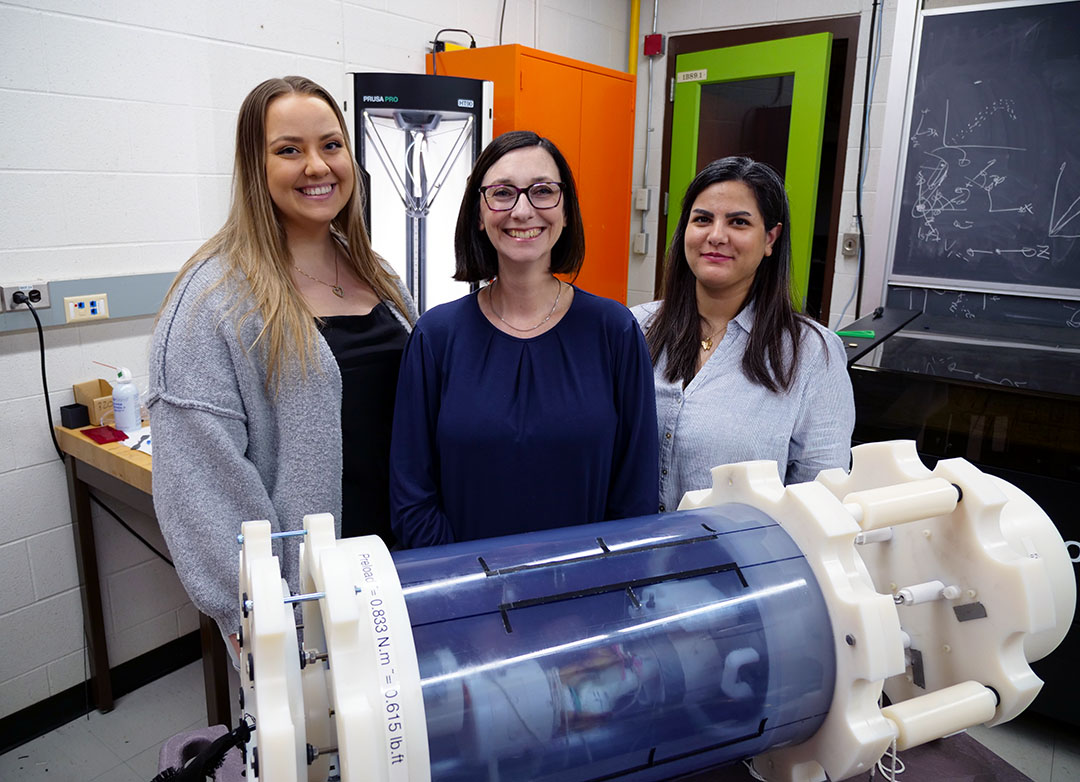
Re-imagining MRI: USask researchers develop technique for imaging knees in action (opens the original)
Knees are built to move – but how can we get an accurate picture of what’s going on inside of a knee while it’s in use?
-
Flawed studies linking hormone therapy to breast cancer made doctors reluctant to prescribe it for menopause relief – especially for breast cancer survivors
Menopausal hormone therapy no longer has the highest-level warning label about the risk of breast cancer, opening a gray area on who would benefit most from treatment.
-
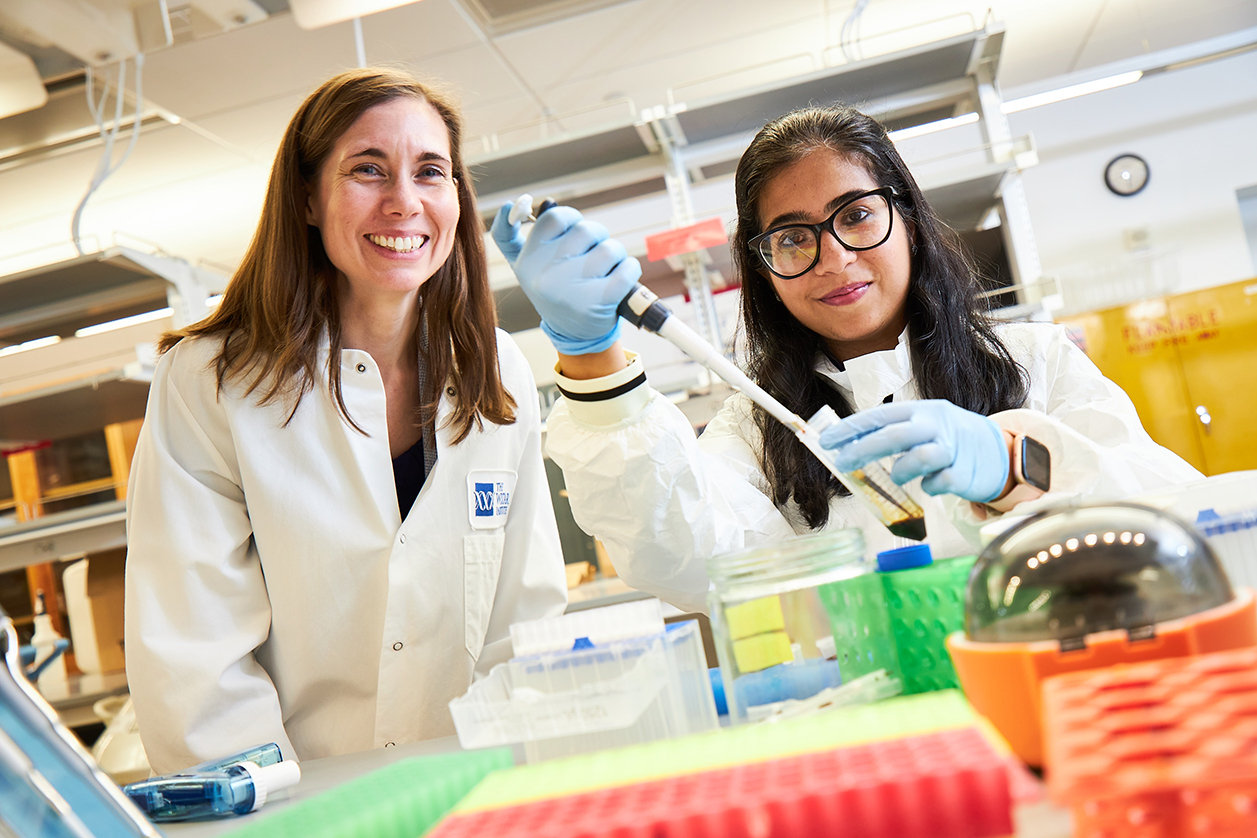
Wistar Scientists Identify Fructose as a Surprise Driver of Cancer Spread (opens the original)
Researchers from Dr. Katherine Aird’s lab found that ovarian cancer cells that survive chemotherapy release fructose as a cellular signaling molecule.





Read: The Conversation, CORDIS, ESO, NASA, ScienceDaily and the newsroom feeds of 733 institutions. Last read: today. Each story's date is its publisher's. Where the news comes from, and what each source allows.