Science news
Recent stories from university newsrooms, The Conversation, CORDIS, observatories and ScienceDaily, each sorted into the fields, countries and institutions it is about, and each linked to the original publisher. Narrow them below by subject, country, institution, source, words or period. A signed-in reader can follow any filtered view and be told when a new story matches it.
3,070 stories match these filters.
-
A Trillion Mile Cosmic Stream of Gas Feeds GW Orionis (opens the original)
A team of astronomers using the Atacama Large Millimeter/submillimeter Array (ALMA), of which the U.S. National Science Foundation National Radio Astronomy Observatory is a partner, has captured a massive stream of gas—one trillion miles, or .2 light years long—feeding the young triple-star system GW Orionis. These…
-
Concordia names inaugural Volt-Age Spark Fellows (opens the original)
From food sovereignty to lithium-ion batteries, the inaugural fellows are reimagining the energy transition through art
-
Firefighting aircraft aren’t enough – Britain needs to build a wildfire-resilient society that involves everyone
The most effective wildfire risk reduction happens long before the first 999 call.
-
Solar eclipses are a source of fascination, legends and scientific discovery
What’s the most impressive natural phenomenon known to humankind? Probably a solar eclipse! Here’s a brief overview ahead of this summer’s big celestial event.
-
Improving stroke assessment with eye-tracking technology (opens the original)
What if a simple eye-tracking test could reveal problems that traditional assessments miss? A new study by researchers at the University of Lucerne in collaboration with the Lucerne Cantonal Hospital lays the groundwork for using eye movements as a reliable tool to diagnose spatial neglect and monitor recovery.
-
NIST Researchers Correct Common Error Confounding Nanotech Measurements (opens the original)
The scientists offer a practical solution that relies on accounting for measurement errors before testing materials or developing products.
-
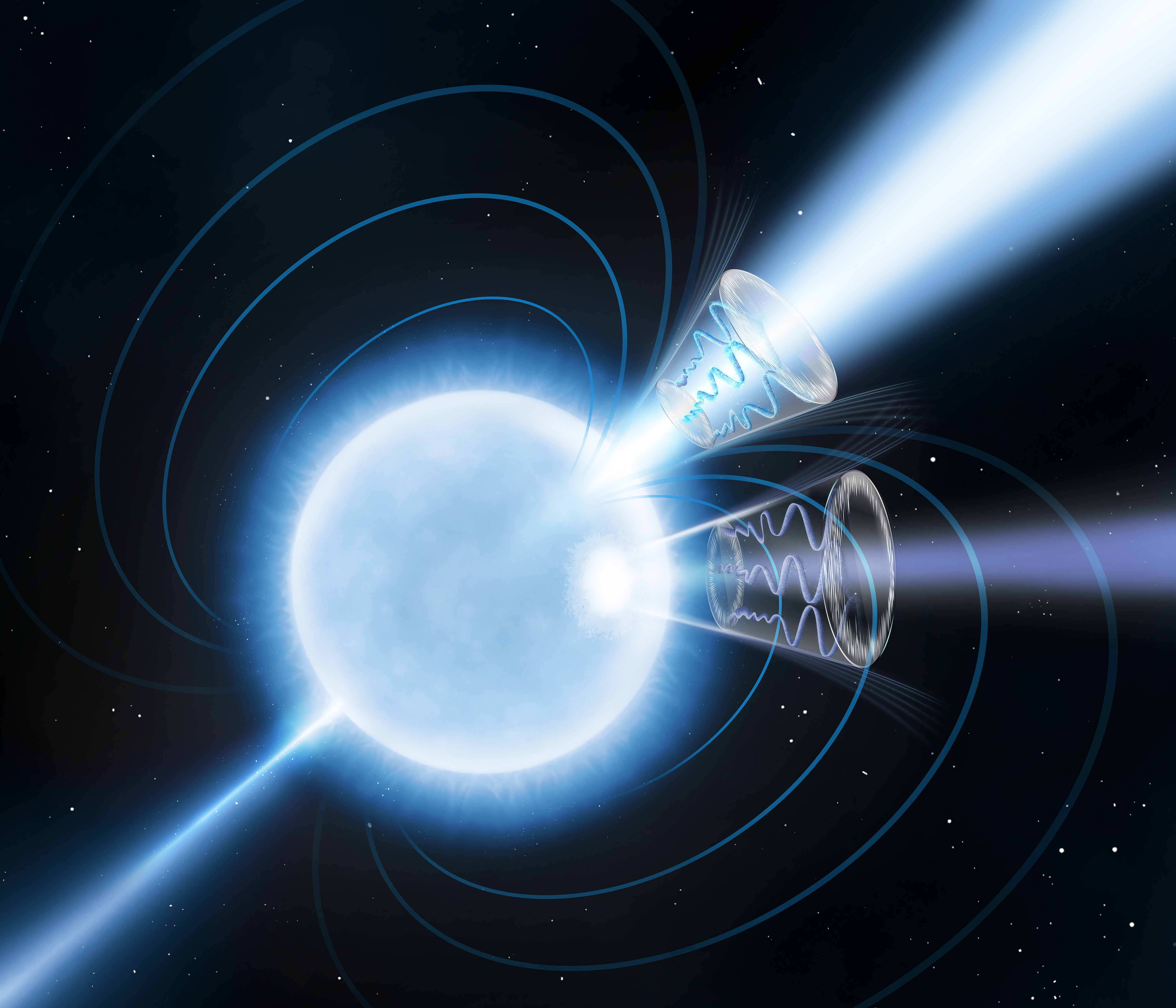
Rare ultra-magnetic star the key to solving a quantum cold case (opens the original)
A Swinburne astronomer may have just confirmed one of the quirkiest aspects of quantum mechanics: that seemingly empty space can alter the behaviour of light.
-
The world’s mangrove forests are bouncing back. That’s good news for our coasts and climate
A new study suggests the world’s mangrove forests are expanding.
-
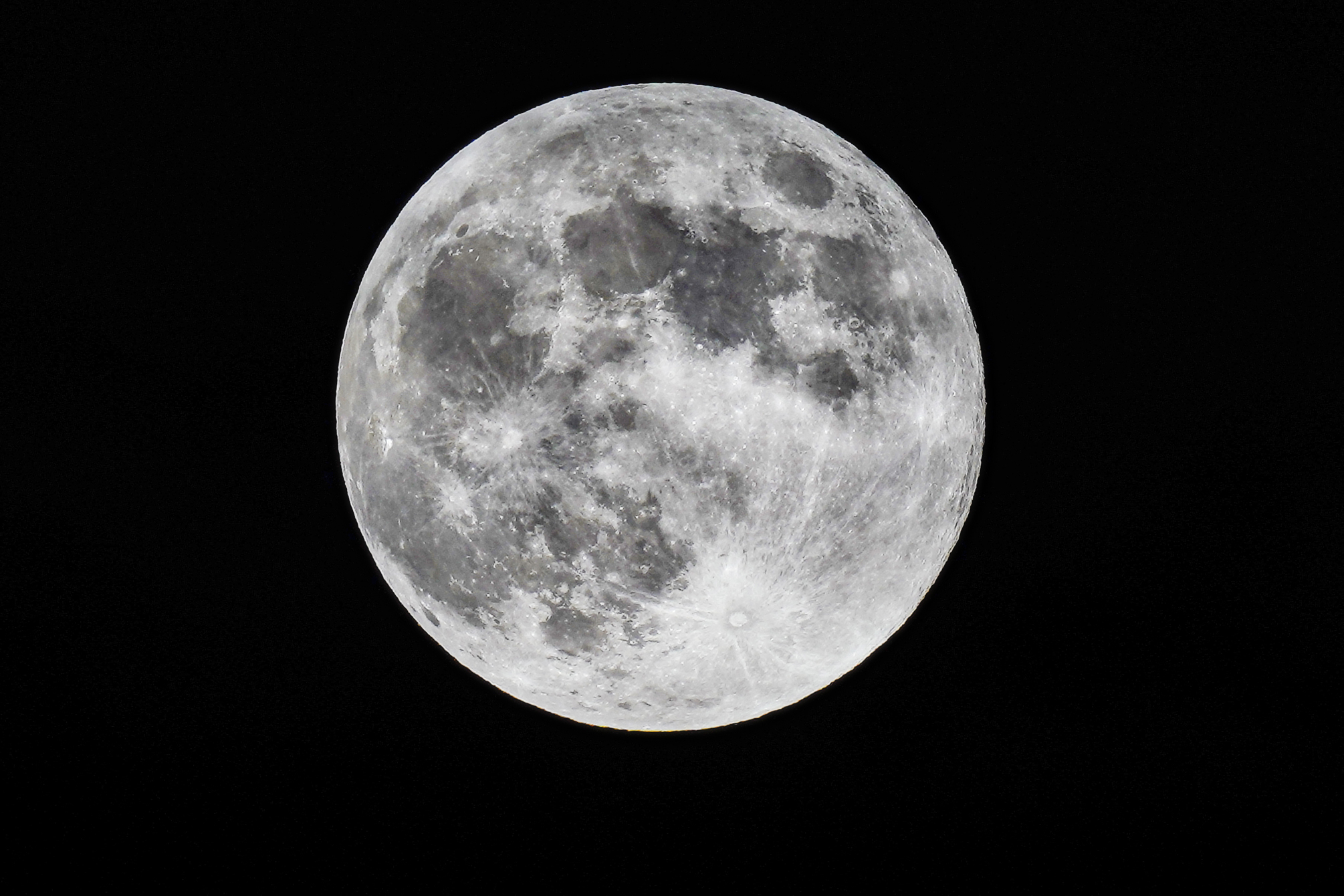
Monitoring a lunar impact in real time (opens the original)
Los Alamos researchers study SpaceX Falcon 9 Moon impact, yielding crucial data for space debris tracking and future lunar exploration safety.
-
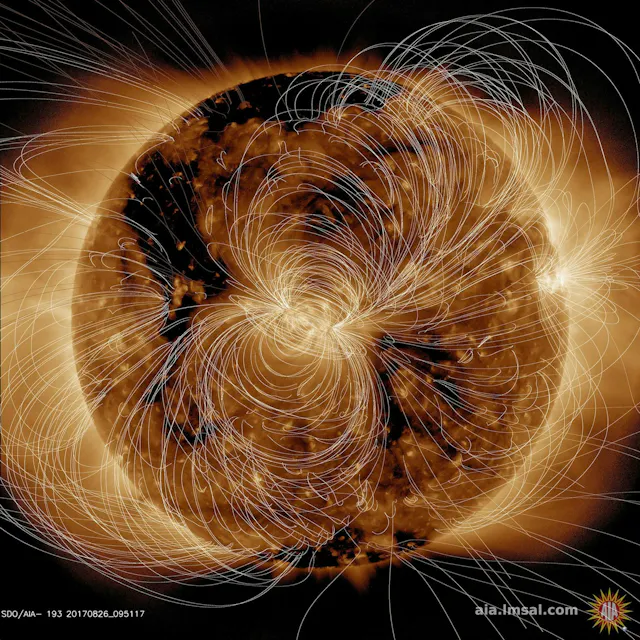
See the Sun’s surface in higher detail than ever before in new telescope images
The closer you zoom in, the more fascinating it is.
Picture: NASA/GSFC/Solar Dynamics Observatory
-
We don’t know how well threatened species fight off bird flu – but we need to
As bird flu takes hold, we must find and conserve species with less genetic ability to fight the virus.
-
Disabled people face greater climate change risks – and they can also help NZ adapt
New research shows disabled people remain overlooked in climate policy, despite lived experience that could help build more resilient communities.
-
NSF NRAO radio observations help rule out a relativistic jet in rare stellar explosion (opens the original)
Astronomers studying a rare stellar explosion first spotted as a brief burst of X-rays used radio observations to help show that the dying star did not produce the powerful jet often associated with gamma-ray bursts.
-
Searching for dark matter with the world's biggest detector (opens the original)
Researchers 研究者名 Taruya, Atsushi Activity Database on Education and Research Kimihiro Nomura Researchmap Overview Kyoto, Japan -- Dark matter's existence is all but certain -- astronomers believe it makes up about a quarter of the universe's total energy content -- yet its true identity has eluded us for decades. Two…
-
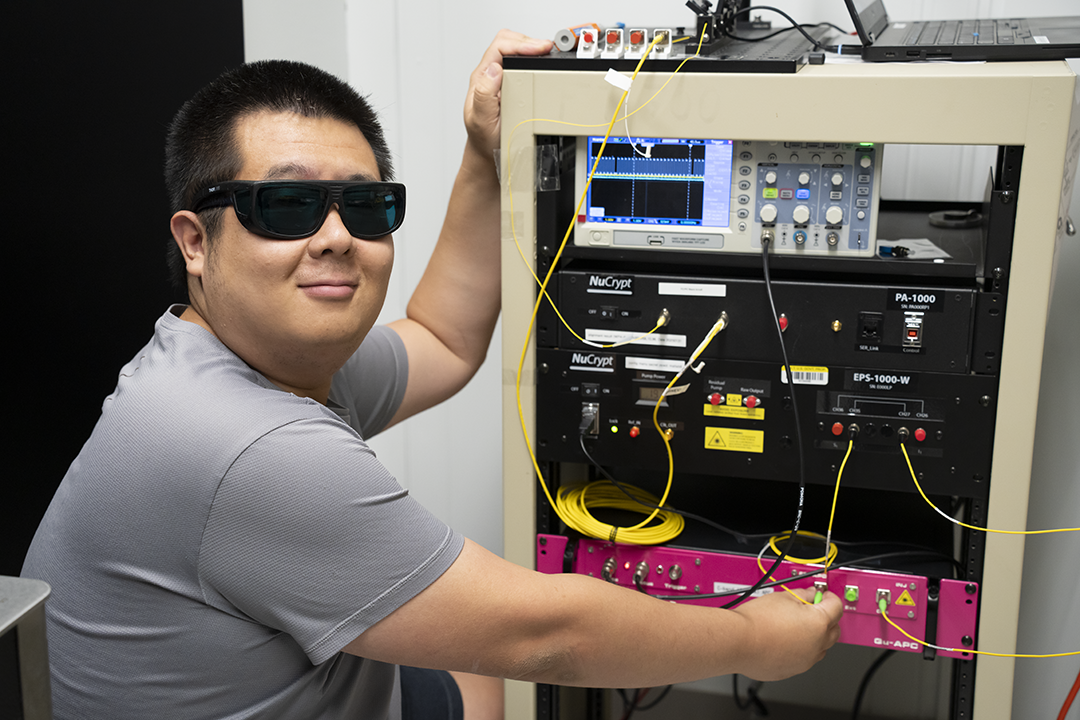
‘Spooky’ Particles Transit DC Suburbs, a Step Toward a Quantum Network (opens the original)
The achievement shows that fragile quantum entanglement can survive even in tough, real-world conditions.
-
Global food giants can do more to turn sustainability pledges into action on the ground, DMU study suggests (opens the original)
The sustainability programmes of three global food giants in Pakistan leave room for improvement, according to DMU study.
-
The scale of butterfly range shifts is far greater than previously known—affecting every continent (opens the original)
A new global study shows butterflies are on the move as the climate warms, with far more species expanding their ranges than contracting.
-
We can help frogs beat a deadly disease. But can they still reproduce?
We need to carefully study what happens to frogs after we intervene to save them.
-
Advanced SEO Writing (opens the original)
JAMES.HOUGH@UC… Tue, 08/04/2026 - 16:20 Advanced SEO Writing Learn how to optimize your content so it’s easier for people to find, understand, and trust through search engines and AI-powered search. On This Page Toggle Navigation Intro Strategic Alignment Search & Discoverability Structure &…
-
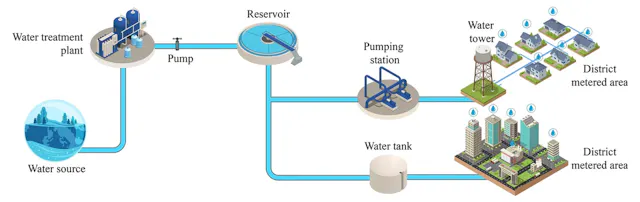
How hackers attack municipal water systems – and why the utilities are so vulnerable
A cybersecurity researcher explains how hackers target small computers that control a water system’s tanks, pipes and valves.
Picture: Taloma et al, CC BY







Read: The Conversation, CORDIS, ESO, NASA, ScienceDaily and the newsroom feeds of 734 institutions. Last read: today. Each story's date is its publisher's. Where the news comes from, and what each source allows.