Science news
Recent stories from university newsrooms, The Conversation, CORDIS, observatories and ScienceDaily, each sorted into the fields, countries and institutions it is about, and each linked to the original publisher. Narrow them below by subject, country, institution, source, words or period. A signed-in reader can follow any filtered view and be told when a new story matches it.
823 stories match these filters.
-
New research estimates around 20 million insect species on Earth — doubling those facing extinction
When we lose insect species without even knowing they existed, we will never know where they lived, what they looked like, how they interacted with other species or the impact they had on ecosystems.
Picture: (Wikimedia Commons/Sven Damerow)
-
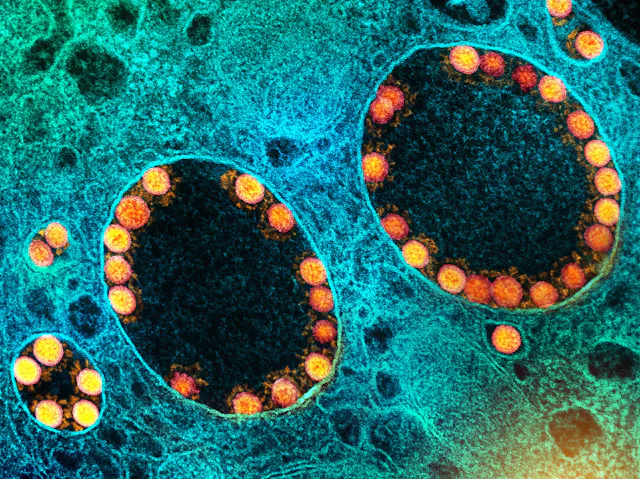
First mRNA flu shot approved by FDA bodes well for improving drugs of the future – though a few hurdles remain before mRNA can move beyond vaccines
From COVID-19 vaccines to Moderna’s mRNA flu vaccine, using mRNA as medicine has shown promise. But before mRNA drugs can go beyond vaccines, researchers need to identify the right diseases to treat.
Picture: NIAID/Flickr, CC BY
-
Are cats getting tamer – or is it people who are changing?
It’s not just you – many people have been getting more intense about their pet cat over the decades.
-
Taxi drivers rarely die of Alzheimer’s – how complex mental maps and spatial reasoning protect your brain
Working with and living in spatially complex environments may help delay cognitive decline, though more research is needed.
-
What does climate change mean for drought? (opens the original)
Climate change is increasing evaporation and drying soils faster, causing droughts to develop more quickly, become more severe, and affect new regions.
-
Drought and the war in Ukraine changed what families in Kenya could afford to eat – research tracked food and cooking gas use
A study of 701 households in Nairobi found that rising food and fuel prices after Russia’s invasion of Ukraine forced many families to eat and cook less.
-
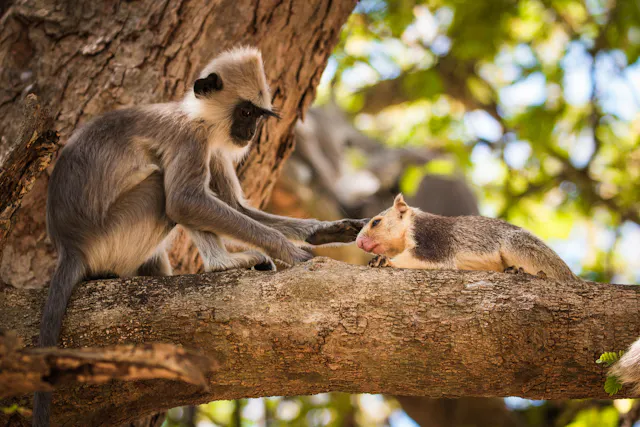
Monkeys keep pets too – animal specialist on the world of interspecies friendship
It’s not just humans who enjoy interacting with other animal species.
Picture: Senthi Aathavan Senthilverl/Wikimedia Commons, CC BY-NC
-
Pesticide exposure at work may increase motor neurone disease risk – new study
A new review looked at 1,734 people with amyotrophic lateral sclerosis (ALS). But it couldn’t separate pesticide from other risk factors, such as head trauma.
-
Eating less protein may ‘slow’ ageing. But here’s why the evidence isn’t clear-cut
A new review links eating less protein to longer lifespans and improved metabolism. But lots of this evidence comes from animals, not humans.
-
How singing in a choir hits the right note for people living with brain conditions
Singing in a choir helps people regain their voice and reduces social isolation and the sense of loss that often follows diagnosis with a brain condition.
-
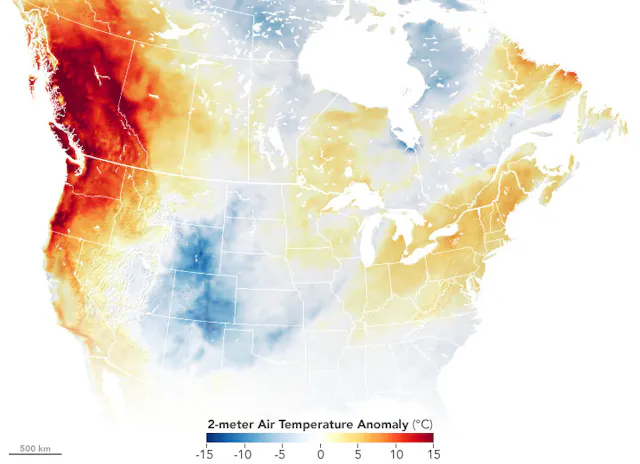
Extreme heat: Could hot baths help older adults better adapt?
Heat waves pose a threat to older adults, but a recent study suggests that they retain an unexpected ability to adapt to high temperatures.
Picture: (Joshua Stevens/NASA Earth Observatory)
-
New study shows the devastating impact high infant formula milk prices are having on families in the UK (opens the original)
A groundbreaking new study led by Swansea University has laid bare the devastating impact that soaring infant formula milk prices are having on the health, finances, and mental wellbeing of UK parents and their children.
-
The Wolfson Foundation invests £1.6m in innovative plant growth systems (opens the original)
The John Innes Centre (JIC) and The Sainsbury Laboratory (TSL) are delighted to announce a £1.6 million investment from the Wolfson Foundation, supporting a next-generation glasshouse, insectary, and horticultural research facility
-
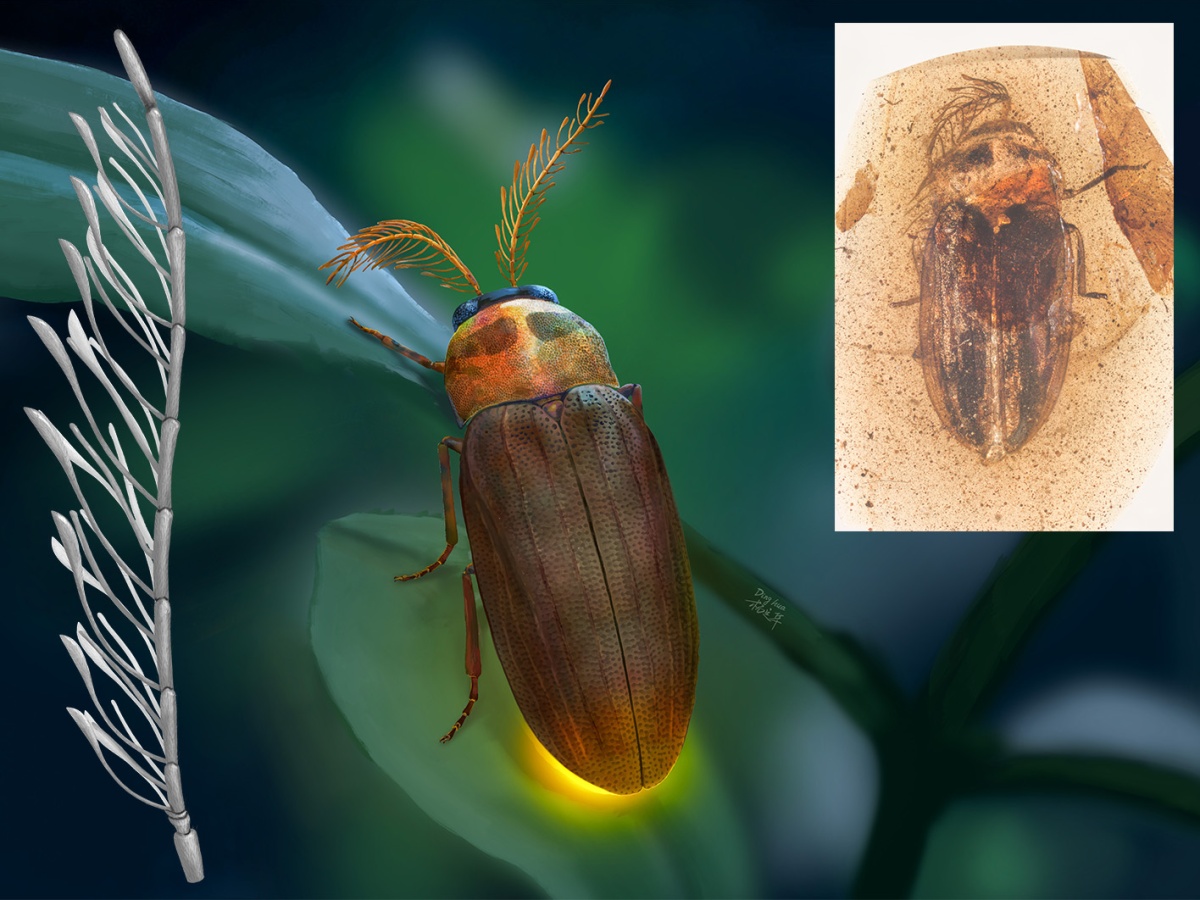
Beetle from Burmese amber surprises scientists with unique antennae (opens the original)
An international team of scientists, including Robin Kundrata from the Faculty of Science at Palacký University Olomouc, has described an almost 99-million-year-old fossil beetle preserved in Burmese amber from the age of dinosaurs.
-
There are new blood tests for Alzheimer’s. Should I have one?
New blood tests for Alzheimer’s won’t give you an instant diagnosis. Here’s what they’ll tell you instead.
-
Immune Cells May Hold the Key to Fighting Obesity-Induced Muscle Dysfunction (opens the original)
Summary Researchers reveal how deleting a key signaling molecule from a subpopulation of macrophages enhances
-
In memory care deserts, senior centers can help close the gap in brain-related healthcare
Specialized health care for brain-related issues can be lacking in rural areas, but collaborative, community-based approaches can help address these inequities.
-
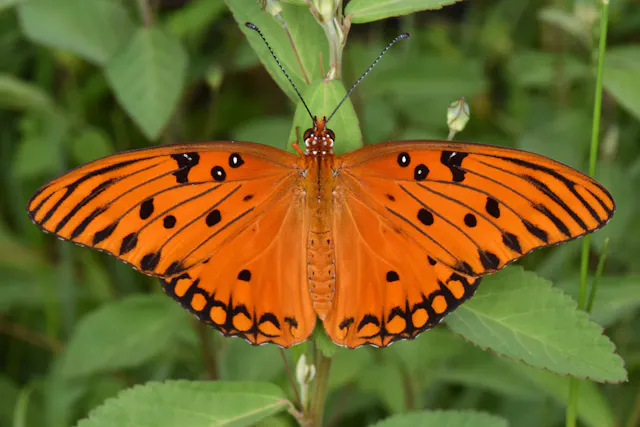
Some tropical butterflies live surprisingly long lives. Is it their high-protein diet?
Heliconius butterflies eat high-protein pollen and seem to age well.
Picture: (Wikimedia Commons/ Christina Butler)





Read: The Conversation, CORDIS, ESO, NASA, ScienceDaily and the newsroom feeds of 734 institutions. Last read: today. Each story's date is its publisher's. Where the news comes from, and what each source allows.