Science news
Recent stories from university newsrooms, The Conversation, CORDIS, observatories and ScienceDaily, each sorted into the fields, countries and institutions it is about, and each linked to the original publisher. Narrow them below by subject, country, institution, source, words or period. A signed-in reader can follow any filtered view and be told when a new story matches it.
3,069 stories match these filters.
-
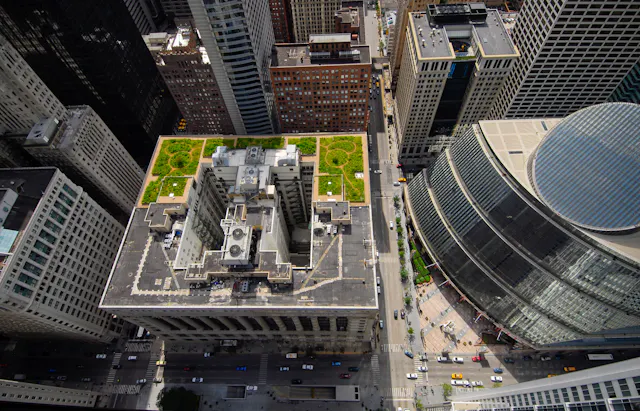
Green roofs can help cool cities in the summer heat, but building them is only the first step – many don’t survive
The success of green roofs depends on more than just good intentions and engineering – they need long-term love and care.
Picture: Patrick L. Pyszka, City of Chicago
-
ULO Researchers Develop Autonomous System for Forest Surveillance and Wildfire Prevention (opens the original)
Researchers at the University of Leiria and Oeste (ULO), formerly the Polytechnic University of Leiria, have developed an autonomous forest surveillance system capable of operating continuously, 24 hours a day, seven days a…
-
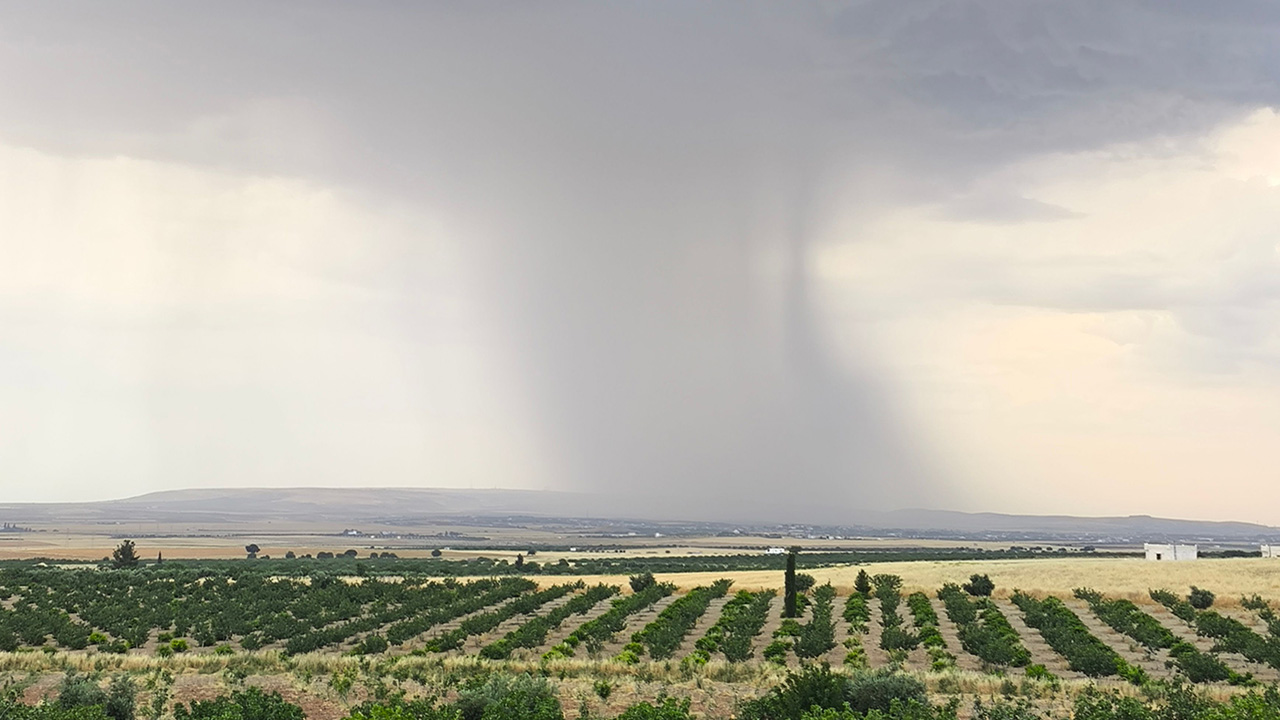
Why is climate change causing drought and heavy rainfall? (opens the original)
Climate change is increasing weather extremes, so a location can experience both severe drought and severe flooding within the same month, season, or year.
-
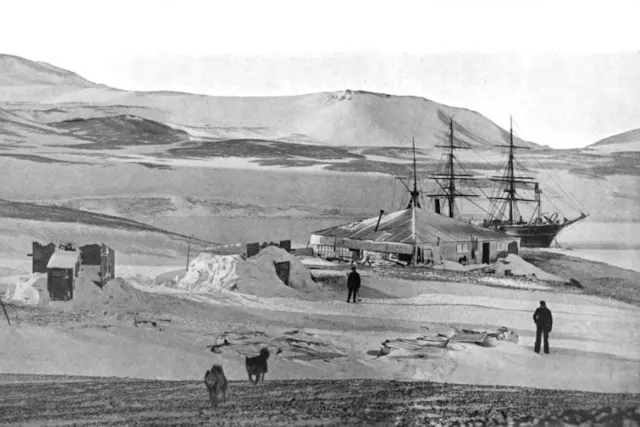
Inside the antarctic expedition that made Shackleton and Scott famous – and paved the way to the South Pole
Robert Scott and Ernest Shackleton were comrades on their first Antarctic adventure but the expedition would sow the seeds of future rivalry.
Picture: Wikimedia, CC BY-NC
-
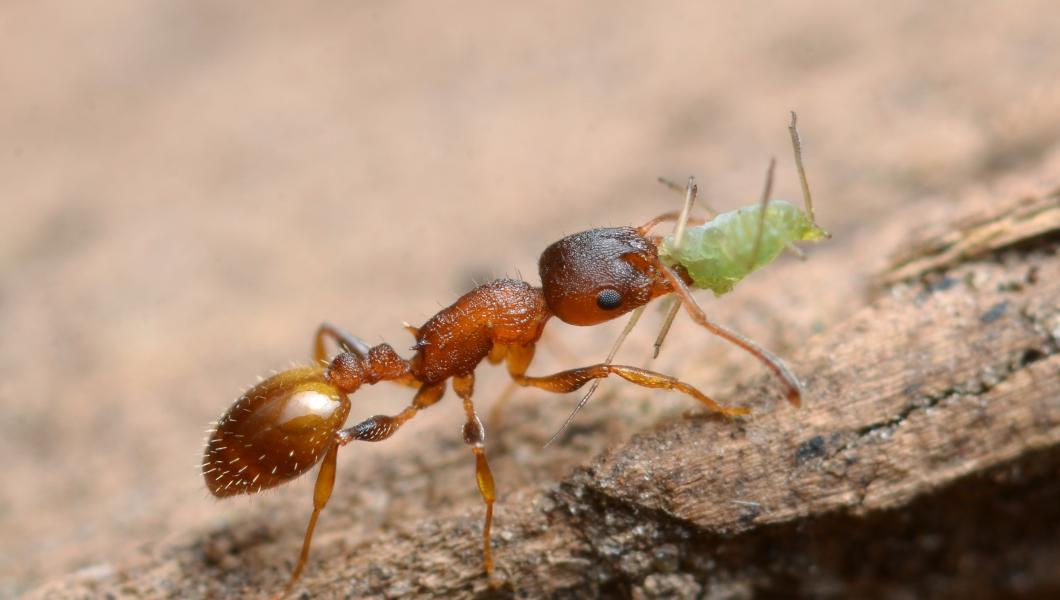
Scientists Simulate Ant Swarms, Find a Single Ant Can Set the Colony in Motion (opens the original)
In ant colonies, a single ant can be the catalyst for a wave of mob activity, launching brief bursts of coordinated movement involving hundreds or even thousands of swarming workers, according to new simulations from New Jersey Institute of Technology.
-
Twisted Physics: Astronomers Solve 30-Year-Old Stellar Mystery (opens the original)
Astronomers using the Atacama Large Millimeter/submillimeter Array (ALMA), of which the U.S. National Science Foundation National Radio Astronomy Observatory (NSF NRAO) is a partner, have captured the first direct, high-resolution images of a magnetic field wrapped tightly around the outflow of gas streaming away…
-
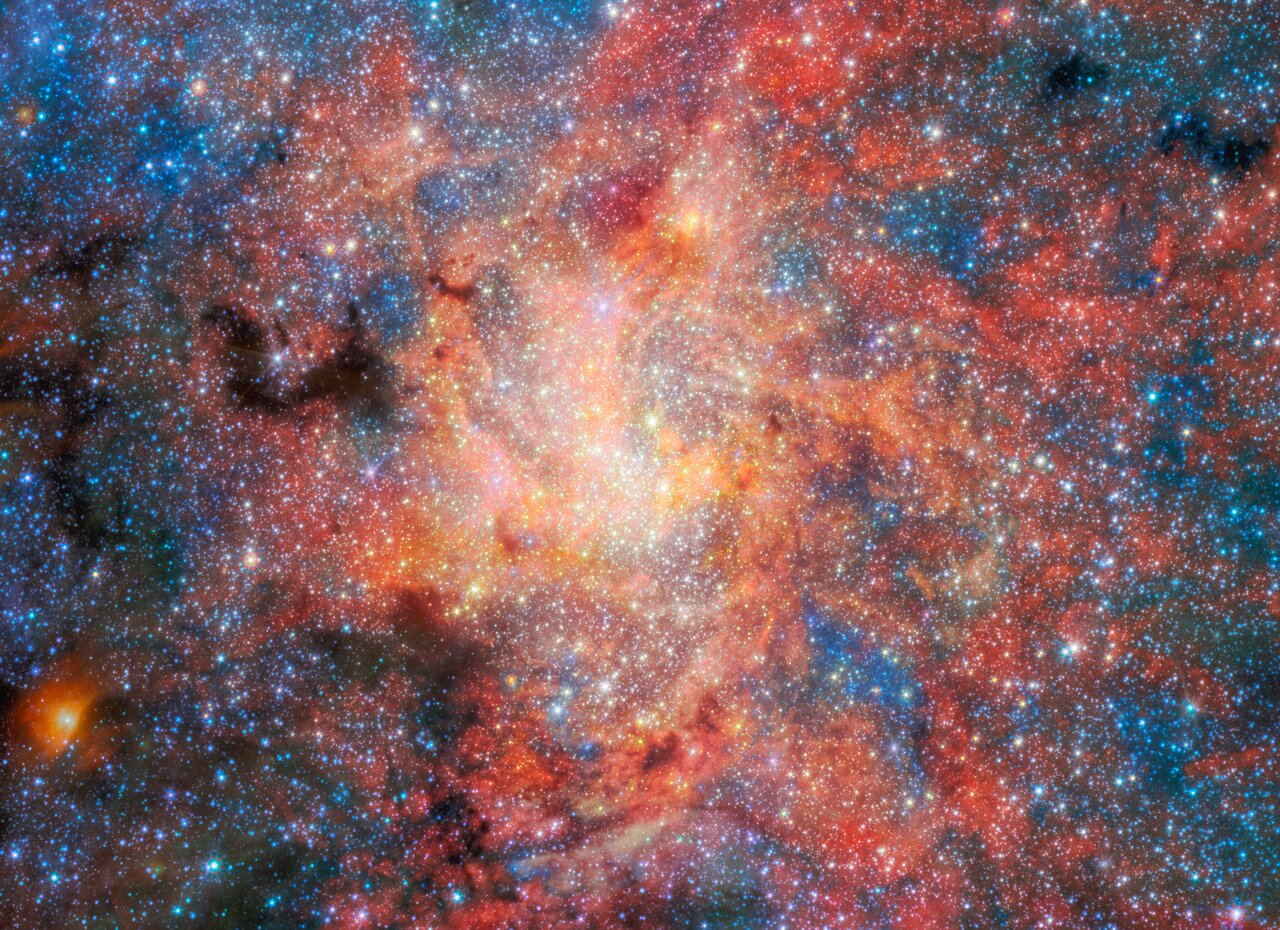
Science Release: Webb reveals dust and water surviving in the extreme environment around the Milky Way’s central black hole (opens the original)
Using the NASA/ESA/CSA James Webb Space Telescope, an international team of astronomers have discovered that dust and water can form and survive surprisingly close to the supermassive black hole at the centre of our Milky Way galaxy. The observations reveal that the evolved star IRS 3 continues to enrich its…
-
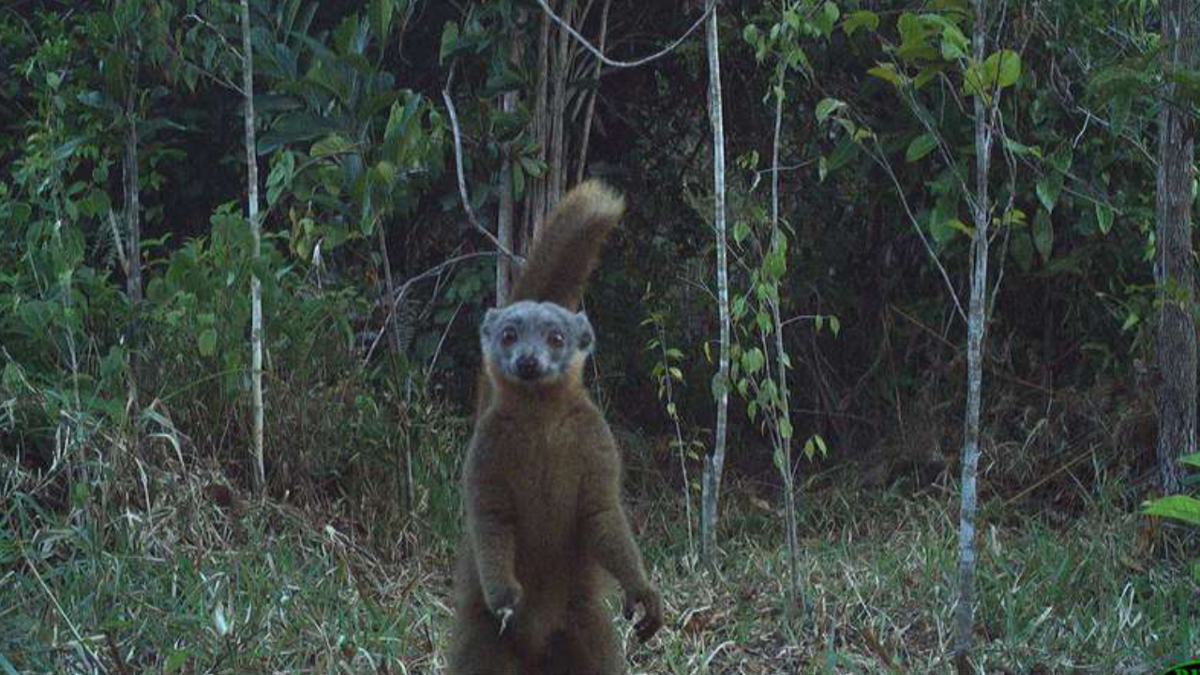
Photos show how species are returning to reforestation areas in Madagascar (opens the original)
Cameras and audio recordings are important tools for monitoring conservation efforts in Madagascar. A study from the Swedish University of Agricultural Sciences (SLU) shows how they can identify birds and mammals that disperse seeds in the rainforest, a process that is crucial for the ecosystem.
-
This Rosh Hashanah, the Carp on Your Table Comes with Some Good News (opens the original)
New study finds that while common carp are highly vulnerable to a devastating virus, their close relatives help stop its spread—offering hope for fish farmers and freshwater ecosystems. [Hebrew University of Jerusalem] – For many Israeli families, no Rosh Hashanah table is complete without carp. Whether served as…
-
Can the searing European summer put climate action back on the agenda – or will disaster response take over?
Wildfire, drought and heat have made climate change impossible to avoid this northern summer. But will authorities tackle the cause – or the symptoms?
-
Roads and dams put European eels at risk, scientists offer strategy to save them (opens the original)
An international team of scientists have put forth recommendations, published in Global Ecology and Conservation, for conservation strategies that could save the species from extinction .
-
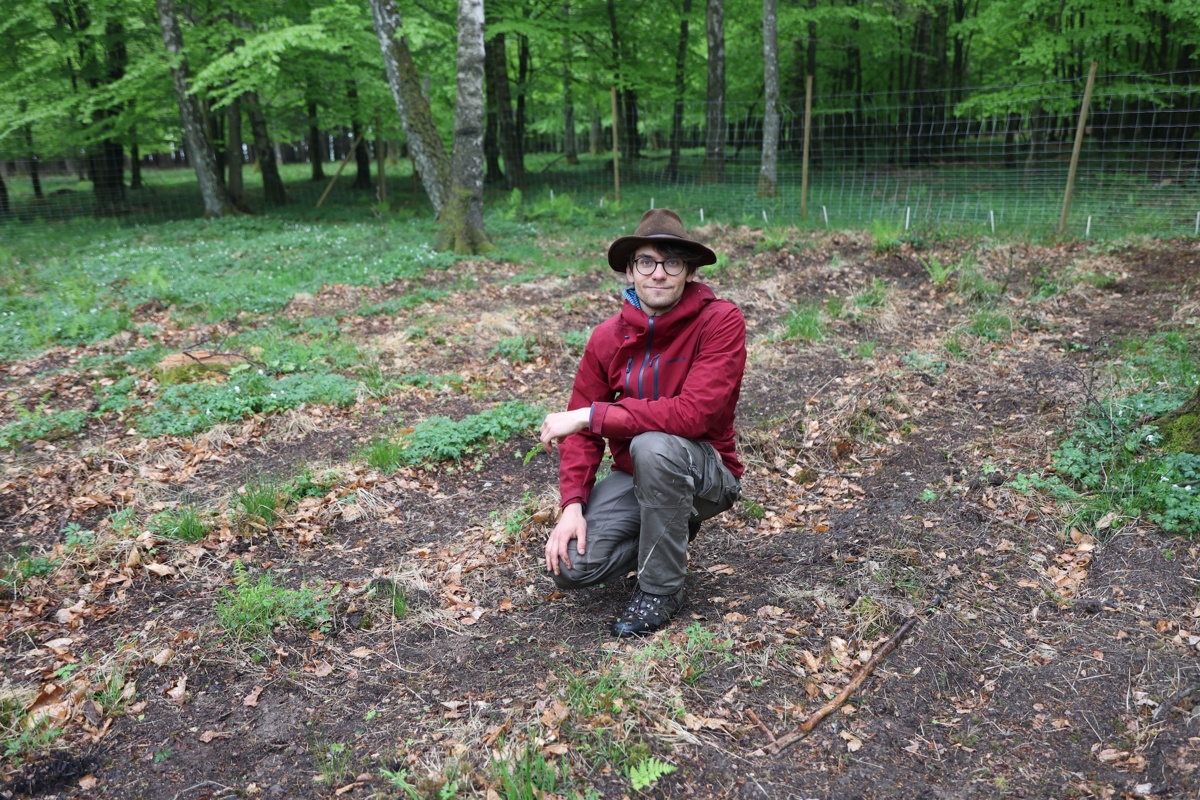
Can assisted migration help Swedish forests adapt to climate change? (opens the original)
Researchers at SLU are planting tree seedlings across Sweden to answer a question that could shape the future of forestry: can helping trees move north make forests more resilient to climate change?
-
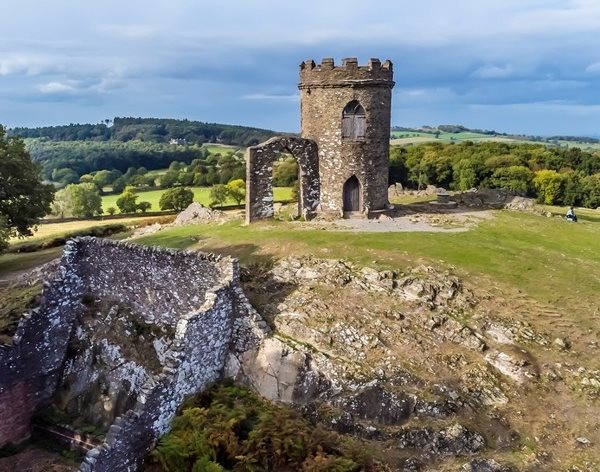
Bradgate Park study asks what really connects communities with nature (opens the original)
Researchers are using Bradgate Park as a 'living lab' to explore how local communities experience nature and the impact green spaces can have on wellbeing.
-
Australia is home to the only mass cuttlefish gathering in the world. This year these giants didn’t return
By late June, the animals should be well and truly aggregating. In short, the cuttlefish have simply failed to turn up.
-
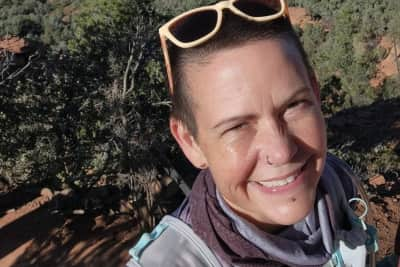
How a Service Dog Found Her Place in a UMKC Organic Chemistry Lab (opens the original)
Holly has played a role helping her owner and future students at UMKC and UM System
-
Generative AI has changed mathematics forever. Where to from here?
AI-powered breakthroughs are raising big questions about how to do mathematics – and why we do it in the first place.
-
Museums face growing cyber threats but security remains an afterthought
Time again it is made clear through audits and reports that cybersecurity needs to be more of a priority.
-
Electrolyser developed by Keele scientists enables simultaneous hydrogen and sustainable plastics production (opens the original)
Keele scientists have developed a new kind of electrolyser which produces both hydrogen and the base materials for sustainable plastic production, opening avenues for a range of applications in green technology and sustainable development.
-
85% of Australians will complete the census online. Here’s how to avoid potential scams
People still remember the 2016 #CensusFail. So how safe is the 2026 census?




Read: The Conversation, CORDIS, ESO, NASA, ScienceDaily and the newsroom feeds of 734 institutions. Last read: today. Each story's date is its publisher's. Where the news comes from, and what each source allows.