Science news
Recent stories from university newsrooms, The Conversation, CORDIS, observatories and ScienceDaily, each sorted into the fields, countries and institutions it is about, and each linked to the original publisher. Narrow them below by subject, country, institution, source, words or period. A signed-in reader can follow any filtered view and be told when a new story matches it.
823 stories match these filters.
-
Play-fighting or just fighting? New study suggests a rethink on how we play with cats
What many people think of as ‘play’ may not be play at all. In fact, these interactions could cause cats stress.
Picture: Valentin Klopfenstein/Unsplash
-
Storms of dust and sand are another sign our climate is changing. Two experts explain
These fine particles can do significant harm to transport networks, farming and even human health.
Picture: Tourism Australia/Canva, Wikimedia Commons, The Conversation
-
Controlling wild pigs can work if it’s a group effort
Teaming groups of private landowners with federal efforts yielded measurable success, at least in terms of defending cornfields.
-
Why children often eat less in hot weather – and when parents should worry
Digestion produces heat, drinks can affect hunger and children’s intake naturally varies. Here’s what parents need to know.
-
Five foods that can help keep children hydrated during a heatwave
Struggling to get children to drink enough in hot weather? Water-rich foods can help top up their fluid intake alongside regular drinks.
-
How animals prepare for war
Humans aren’t the only ones to preempt conflict.
-
Sangeeta Negi named Los Alamos’ Battelle Inventor of the Year (opens the original)
Los Alamos scientist Sangeeta Negi wins 2026 Battelle Inventor Award for EcoFite, a biological solution that doubles crop growth and reduces fertilizer use.
-
Why do humans use ‘baby voice’ when we speak to pets?
‘Who’s a good boy? Yes, you are!’
-
Fields, greenhouses or vertical farms: what is the best way to grow food in a changing climate?
The amount of land occupied by a farming system does not necessarily reflect its importance to our food supply.
-
Elvish, Klingon and Pig Latin: what can invented languages teach us about the human brain?
From pidgins to Tolkien and Esperanto, humans have created entirely new languages for many different reasons.
-
Scientists from Olomouc have helped shed light on how plants recognise key hormones (opens the original)
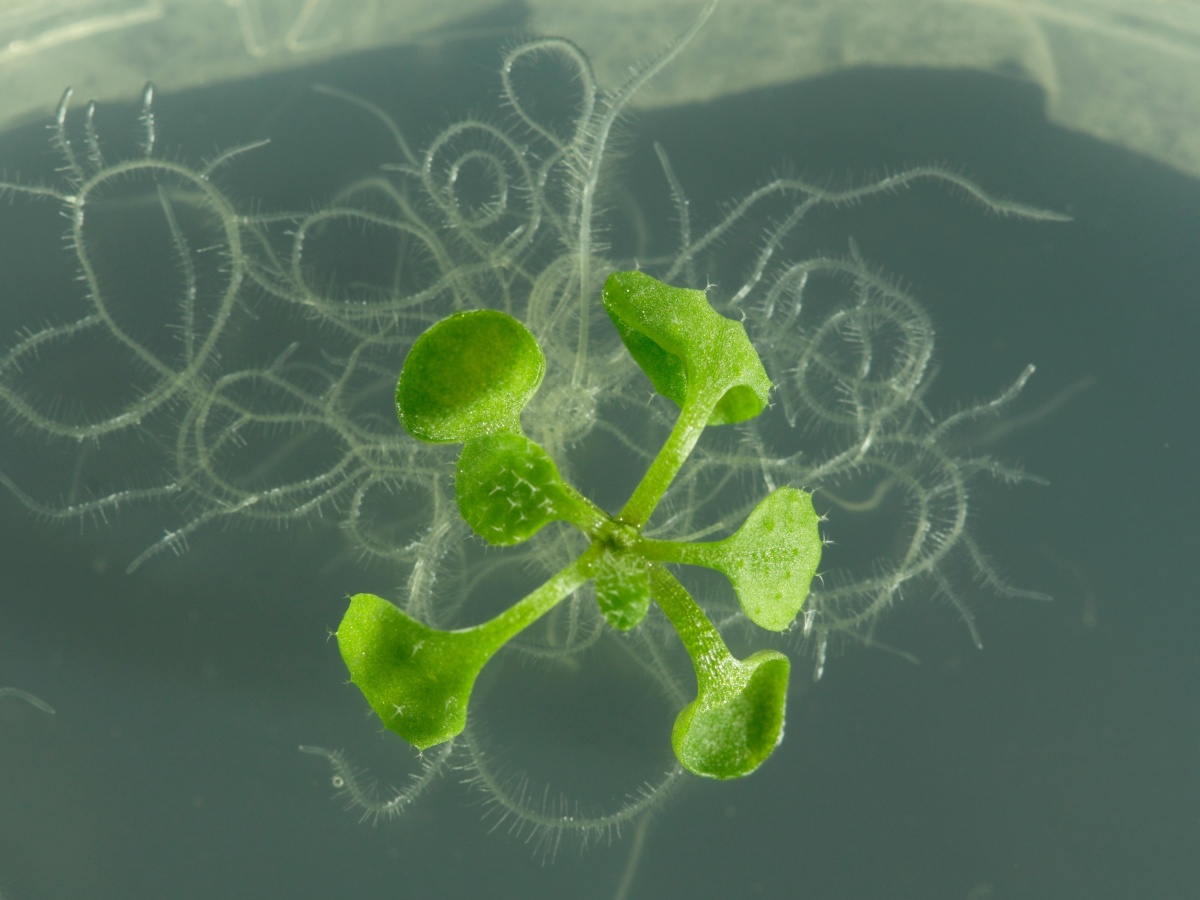
International research has significantly expanded our understanding of how brassinosteroids – one of the most important groups of plant hormones – function. The scientists have described how plants recognise these hormones. The results of the study were published in the prestigious scientific journal Nature Plants.
-
Brain scans provide world-first evidence dogs can distinguish between human fear and sadness
Think your dog can tell when you’re angry rather than sad? New research inside dogs’ brains suggests the answer might be more complicated than you think.
-
Today’s Mediterranean diet leans on olive oil, vegies and fish. But the ancients mainly ate bread
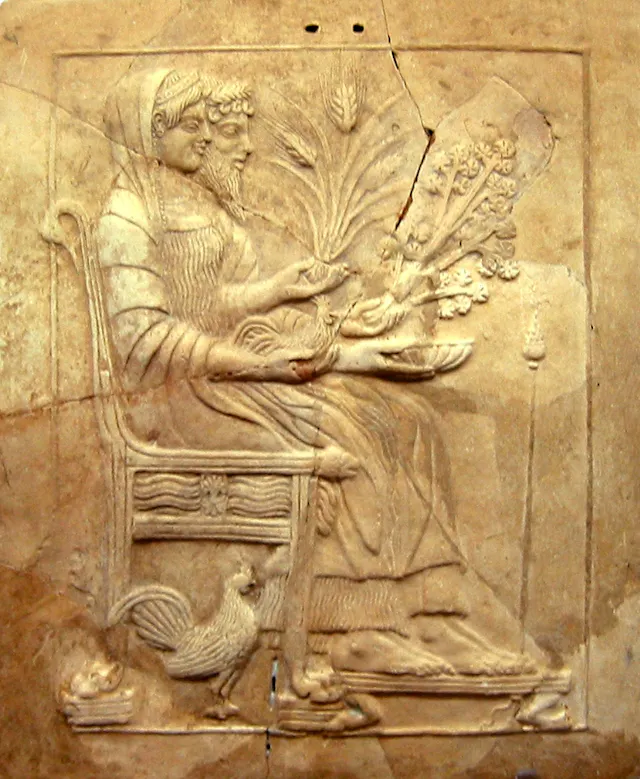
The ancients ate mountains of bread and cheese, but you’d never know from today’s version of the Mediterranean diet.
Picture: AlMare/Wikimedia Commons, CC BY-SA
-
Chronic pain is missing from America’s heat warnings
Chronic pain can make it hard to walk, carry groceries or sleep through the night. A new study finds that extreme temperatures are linked to that kind of pain.
-
As severe drought hits, the UK’s food system faces crisis – here’s how to change that
Our entire food system needs a redesign to cope with increasing threats to resilience over the long haul.
-
Gilly is revolutionizing cattle feed with fungi (opens the original)
Bo Xu's startup, Gilly, turned into a company with QB3 Innovation Discovery's help.
-
Cyclospora spreads through human waste – so how did it get on food?
US sewage treatment plants likely don’t get rid of all the disease-causing protozoa, and monitoring discharged wastewater for it is difficult.
-
Integrating Science and Traditional Knowledge in the Amazon (opens the original)
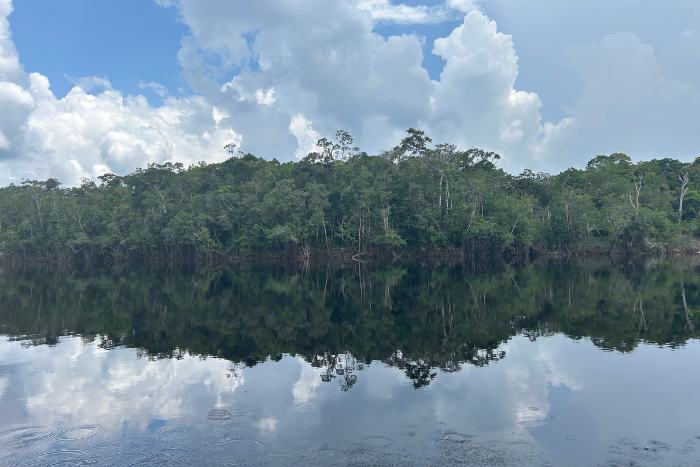
The School of Geography and the Environment is leading interdisciplinary research in the Brazilian Amazon that seeks to understand the long-term relationships between humans and ecosystems and strengthen conservation and restoration efforts.
-
Move over, longevity: Healthspan is what we should be chasing
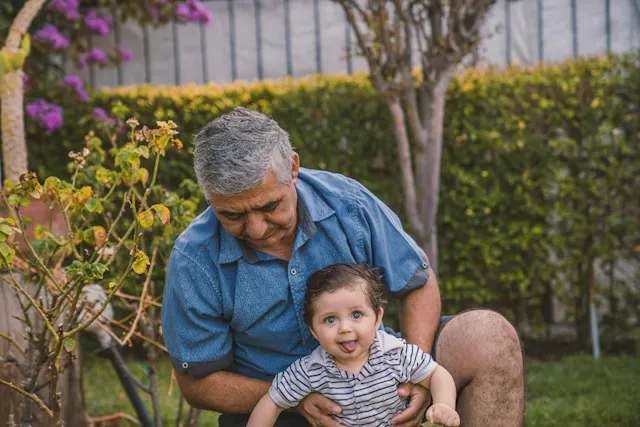
Research has moved past the question of whether we can live longer. The new question is whether we’re willing to invest — seriously, equitably and early — in the things that will help us live better.
Picture: (Unsplash/Alvaro Reyes)




Read: The Conversation, CORDIS, ESO, NASA, ScienceDaily and the newsroom feeds of 734 institutions. Last read: today. Each story's date is its publisher's. Where the news comes from, and what each source allows.