Science news
Recent stories from university newsrooms, The Conversation, CORDIS, observatories and ScienceDaily, each sorted into the fields, countries and institutions it is about, and each linked to the original publisher. Narrow them below by subject, country, institution, source, words or period. A signed-in reader can follow any filtered view and be told when a new story matches it.
3,063 stories match these filters.
-
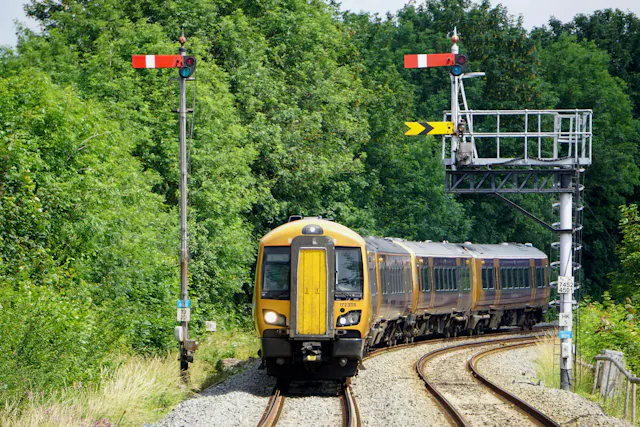
Can Britain’s railways cope with ever-more extreme heat? An expert Q&A
Heatwaves can cause tracks to buckle, forcing speed restrictions or closures. An engineering expert explains how railways can adapt to a hotter climate.
Picture: omegamezle / unsplash, CC BY-SA
-
The soil’s early warning system: microbes can predict desertification before plants start to die
Microbial ecology helps explain how ecosystems respond to environmental pressures.
-
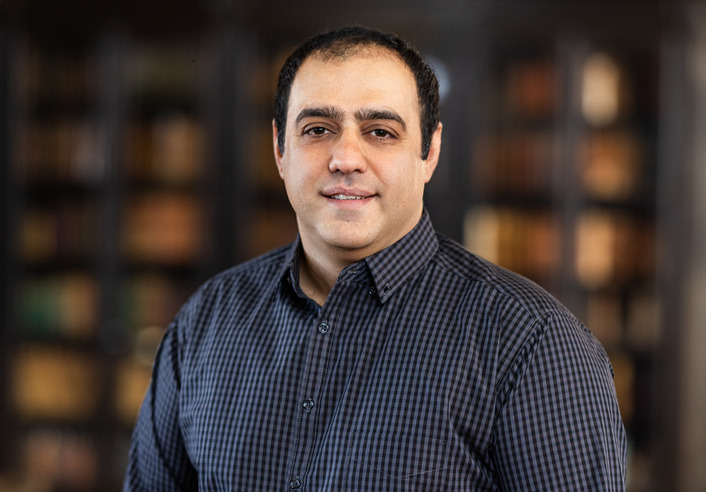
Using mathematics to build more trustworthy AI (opens the original)
New UTulsa faculty member Mohammed Meysami uses mathematics to make artificial intelligence more trustworthy and reliable. While AI can analyze data and answer questions quickly, it often does not explain how it reaches its conclusions or how confident it is in its answers. Meysami is creating mathematical frameworks…
-
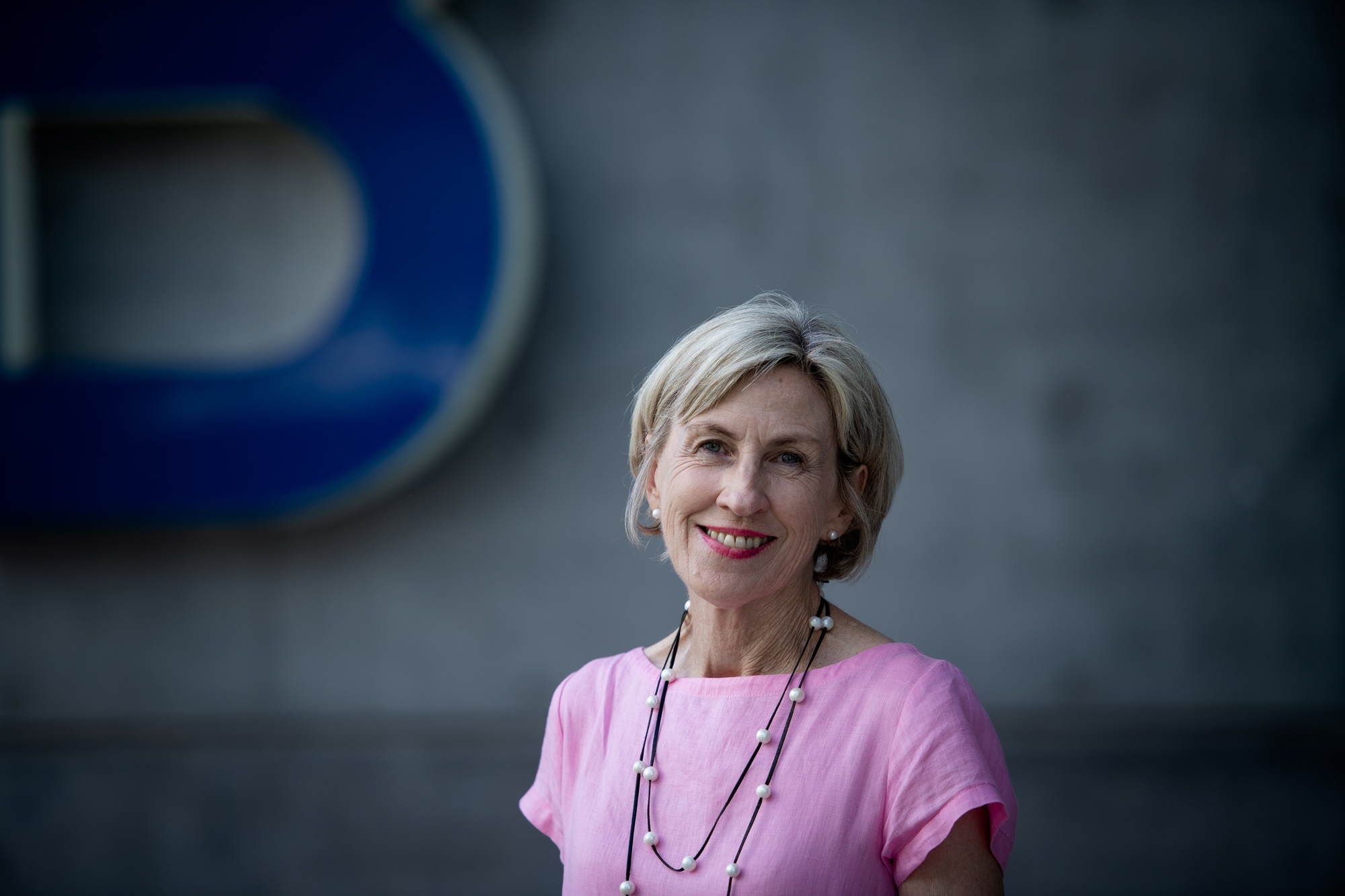
The little things are often the big things: what I learnt in three decades of research (opens the original)
Ask Distinguished Professor Anne Graham AO what children need most from the adults around them and the answer is disarmingly simple: someone who knows and likes them and hears what they have to say. As she prepares to retire from academic life, Anne reflects on her many years of research dedicated to this powerful…
-
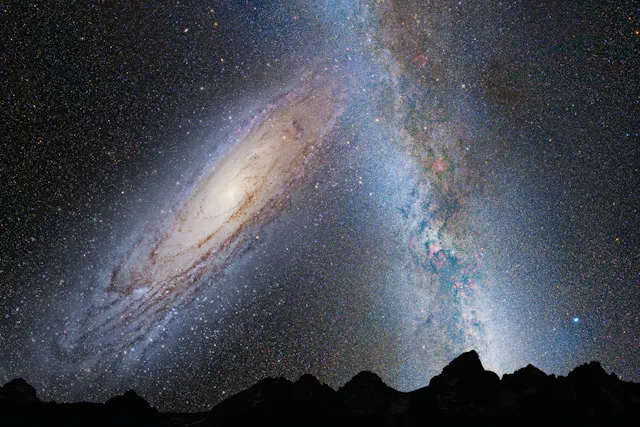
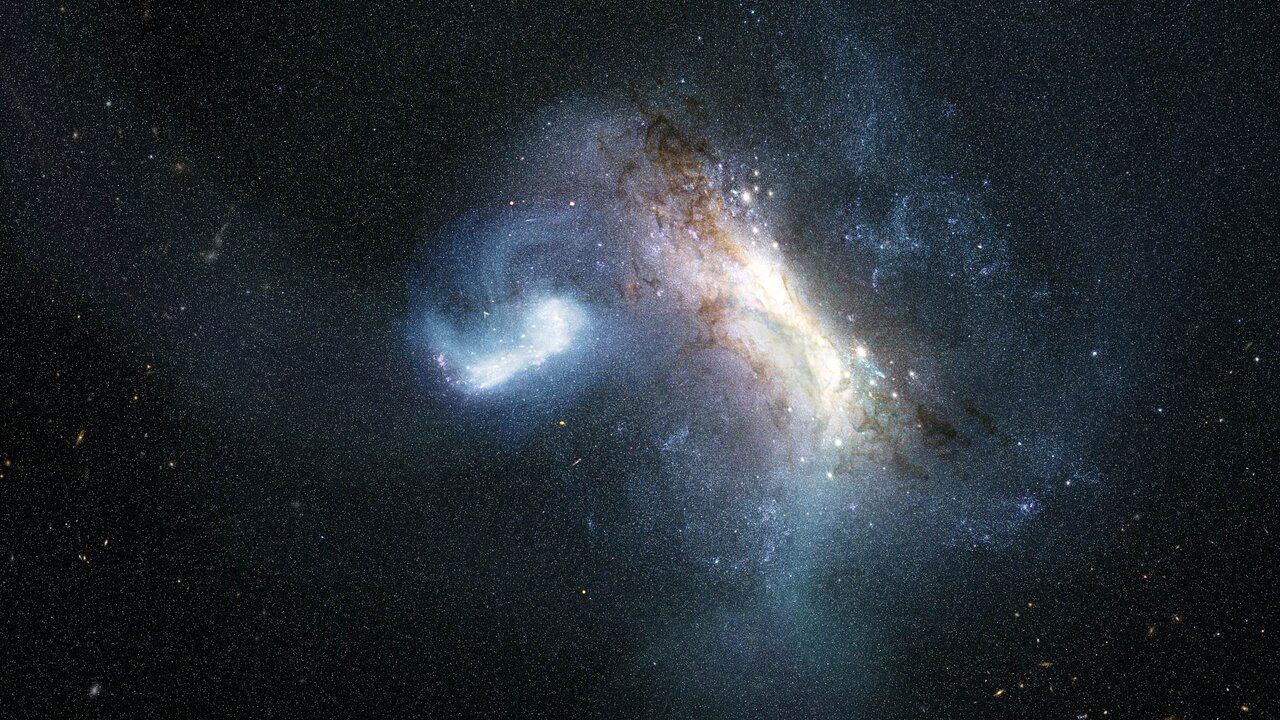
Galactic archaeologists find stars in the Milky Way came from another galaxy 12 billion years ago
The Milky Way contains a fossil record of galaxies it has absorbed.
Picture: NASA; ESA; Z. Levay and R. van der Marel, STScI; T. Hallas; and A. Mellinger
-
Researchers including Manchester University’s Dr. Sabrina Brown reconstruct environmental history of Yellowstone’s geyser basins (opens the original)
A study including work from a Manchester University professor reveals how climate and hydrothermal activity have shaped the vegetation, wildfire and aquatic ecosystem history of the Yellowstone Plateau over the past 15,000 years. The results of the National Science Foundation-funded project were published this week…
-
NZ has spent years preparing for H5N1 bird flu. For some species, it may not be enough
With H5N1 now in New Zealand, protecting the most threatened birds will involve difficult decisions, careful prioritisation – and sometimes chance.
-
Science Release: Hubble solves merger mystery from Milky Way’s early years (opens the original)
Our home galaxy, the Milky Way, grew to its current size in part by consuming smaller galaxies. Now, new data from the NASA/ESA Hubble Space Telescope show definitive evidence of a dwarf galaxy merging with the young Milky Way galaxy in the earliest phases of its evolution. This finding extends our knowledge of our…
-
Climate change is driving some entire communities to relocate – but simply moving isn’t enough
Researchers spoke to relocated people in India and Bangladesh to find out what worked.
-
AI companies look to the ocean as a place to put more data centers
Moving servers into the ocean does not make underlying environmental challenges disappear. And it creates new concerns as well.
-
Dealing with disasters increasingly requires a smartphone – losing access can be a nightmare, but there are ways to prepare
Mobile phones have become part of just about everyone’s emergency infrastructure. But what do you do when the power and service go out?
-
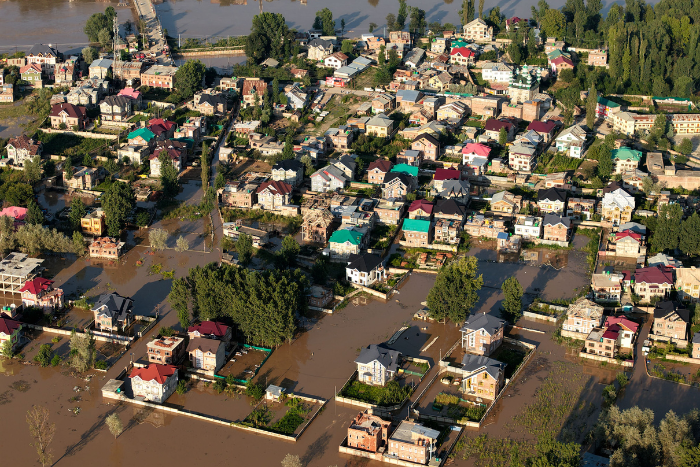
Rivers don't burst their banks on a schedule - but the world's flood maps assume they do (opens the original)
New research led by SoGE/Loughborough's Dr Yinxue Liu shows that the frequency with which rivers fill their channels varies in line with local climates. The findings challenge a decades-old assumption used in global flood inundation models and could help improve flood-risk estimation worldwide.
-
Classroom solution evolves into public resource for navigating AI tools (opens the original)
As artificial intelligence tools evolve at a rapid pace, an Iowa State computer science professor and her students are developing a public website that tracks new AI releases and helps users make sense of the fast-changing technology.
-
Sandia conducts next-level test for secure transportation vehicle (opens the original)
A semitrailer loaded with mock nuclear weapons slammed into a barrier, completing the second and final full-scale crash test of the Mobile Guardian Transporter. The next-generation system will carry nuclear weapons and other sensitive materials.
-
LEO Foundation grant for David Gómez Varela PhD (opens the original)
The LEO Foundation has awarded EUR 8.3 million to 16 international research projects that have the potential to deepen our understanding of the skin.
-
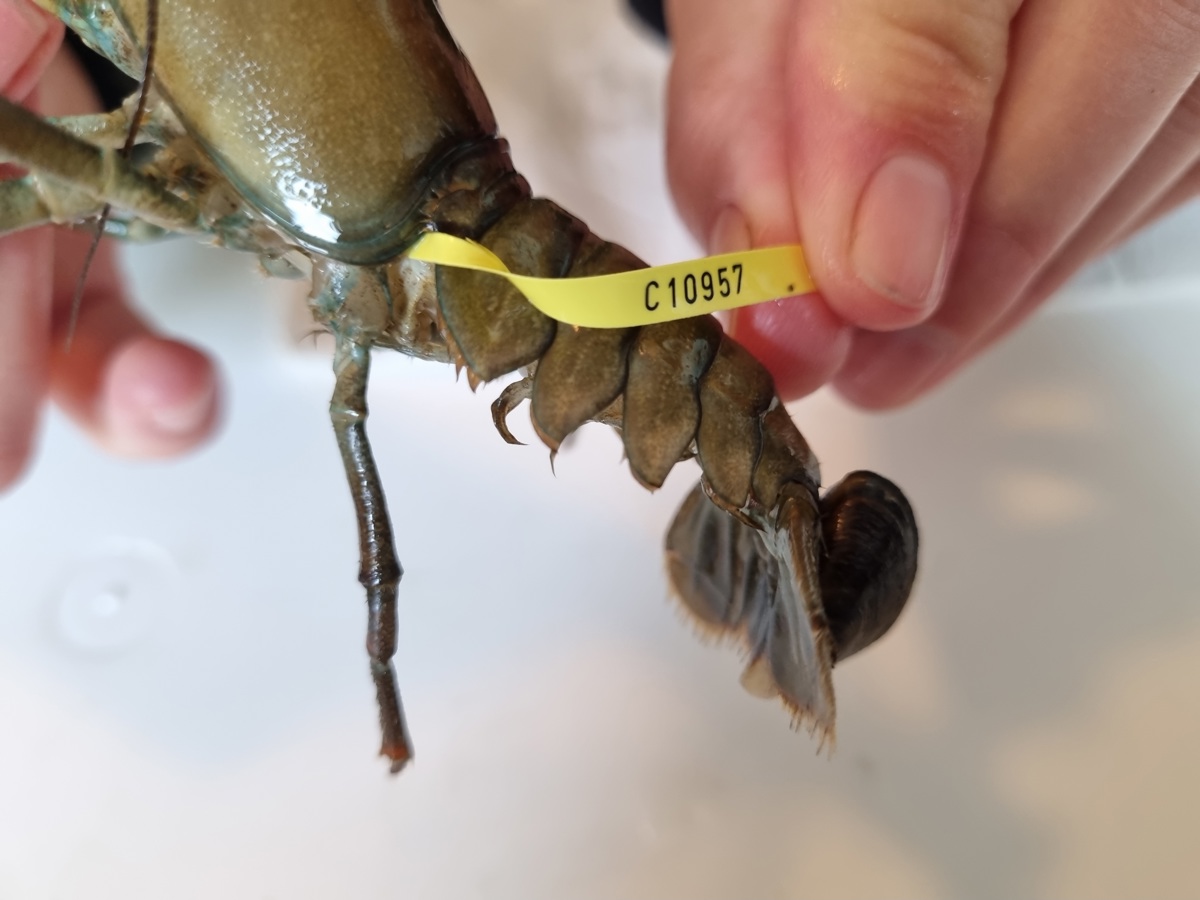
The mystery of the small crayfish: SLU launches major mark–recapture study of signal crayfish (opens the original)
Signal crayfish are becoming increasingly abundant in several of Sweden’s large lakes – but small individuals account for most of the increase. SLU researchers are now marking and tracking thousands of crayfish in Lake Hjälmaren to find out why.
-
Tracing the Journey of Critical Minerals (opens the original)
Cell phones, electric vehicles, aircrafts — to function, all require elements mined from the Earth called critical minerals. As economies increasingly rely on technologies that depend on critical
-
New EU laws make AI content labels compulsory – but might just make it harder to spot deepfakes
Labels alone won’t be enough to tackle the rise of deepfakes.




Read: The Conversation, CORDIS, ESO, NASA, ScienceDaily and the newsroom feeds of 734 institutions. Last read: today. Each story's date is its publisher's. Where the news comes from, and what each source allows.