Science news
Recent stories from university newsrooms, The Conversation, CORDIS, observatories and ScienceDaily, each sorted into the fields, countries and institutions it is about, and each linked to the original publisher. Narrow them below by subject, country, institution, source, words or period. A signed-in reader can follow any filtered view and be told when a new story matches it.
823 stories match these filters.
-
Is the laundry still damp, or just cold? Why your skin can’t tell the difference
Our skin alone can’t actually tell if something is wet.
-
Offloading work tasks to AI comes with a cost – to our brains
We risk replacing genuine knowledge with ‘work slop’.
-
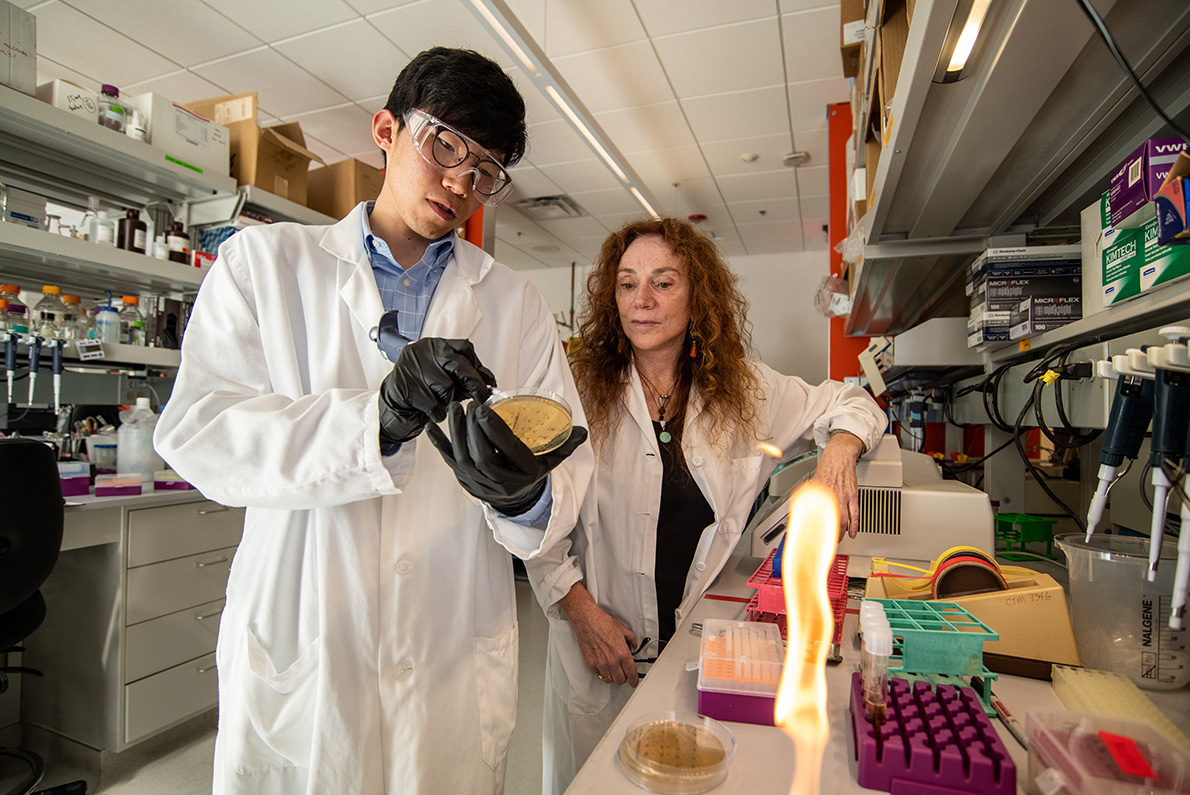
UTA research targets drug-resistant bacteria (opens the original)
New federal grants could help identify better ways to treat dangerous infections
-
The soil’s early warning system: microbes can predict desertification before plants start to die
Microbial ecology helps explain how ecosystems respond to environmental pressures.
-
What happens to strength, balance, stamina and reflexes as you age – and what you can do about it
Some age-related decline is locked in. Strength, balance and fall risk are not – and the evidence shows what works.
-
Babies born under sugar rationing grew into adults with lower cancer risk
Britain’s postwar sugar rationing was an accidental experiment. Decades on, it’s revealing how early diet shapes cancer risk, ageing and eating habits for life.
-
Australian beekeepers can’t tackle Varroa mite alone. Here’s how we can help
The honeybee-killing Varroa mite is marching across the country, as two experts explain.
-
Biological sex is neither binary nor a spectrum – a biologist explains how it’s multidimensional
Each person is a mosaic of sex-related and postpubertal biological traits that vary in their degree of femaleness and maleness.
-
Is spraying perfume on your neck bad for your health?
A viral post by a cancer specialist concedes there is no evidence of thyroid harm, while invoking hormone disruption and lifelong exposure. What does research show?
-
Are zoos ready for the changing climate?
The species most at risk may not always be the ones we expect.
-
The Medicines Patent Pool is improving access to essential medication where it’s most needed, but does it make economic sense?
Three economists explore the viability of a UN-backed one-stop licensing ‘hub’ for making essential, often life-saving biotherapeutics and vaccines both affordable and more widely available.
-
When can your child stay home alone? Neuroscience suggests we’re asking the wrong question
Caregivers often seek a specific age that their child can be left home alone. However, the neuroscience of brain development suggests that readiness depends on much more than a birthday.
-
South Africa’s small sugar farms are producing less than they could: study finds ways to boost them
Isolated interventions are unlikely to help small sugarcane growers. Improving productivity requires integrated support systems.
-
One of the most common brain disorders is one of the most misunderstood – how functional neurological disorder is both ‘all in your head’ and beyond it
Millions of people suffer from debilitating symptoms their doctors don’t quite believe. But advances in neuroscience and education may be changing the tides for treatment.
-
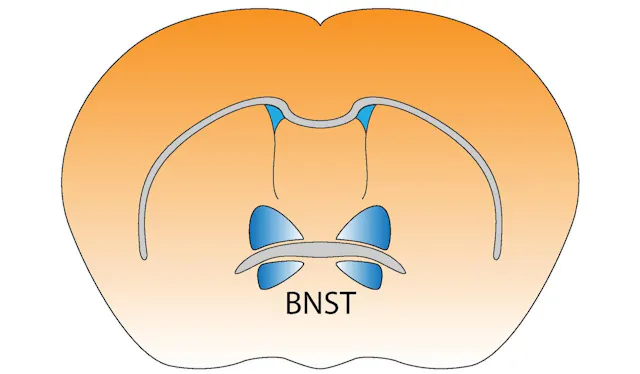
Quitting alcohol changes the brain and can increase the risk of compulsive drinking – new research in mice
Alcohol abstinence alters brain activity in ways that may drive someone with alcohol use disorder to relapse.
Picture: Rob Hurt/Wikimedia Commons, CC BY-SA
-
How healthier farm animals can cut greenhouse gas emissions
Tackling livestock emissions involves more than just eating less meat.
-
Worried your toddler isn’t getting enough iron? Here’s what parents need to know
Drinking a lot of cow’s milk can increase your child’s risk of low iron. Here’s what to look out for.
-
Russia is cutting off Ukraine’s grain exports again, threatening a critical harvest and global food security
Ukraine has proposed a deal to halt attacks on civilian targets in the Black Sea – an effort to allow grain shipments to resume from both countries.
Read: The Conversation, CORDIS, ESO, NASA, ScienceDaily and the newsroom feeds of 734 institutions. Last read: today. Each story's date is its publisher's. Where the news comes from, and what each source allows.