Science news
Recent stories from university newsrooms, The Conversation, CORDIS, observatories and ScienceDaily, each sorted into the fields, countries and institutions it is about, and each linked to the original publisher. Narrow them below by subject, country, institution, source, words or period. A signed-in reader can follow any filtered view and be told when a new story matches it.
823 stories match these filters.
-
3 ways to improve Canada’s wildfire advisory capacity
Producers often turn to online peer networks and experts when something goes wrong. However, online misinformation is drowning out the legitimate advice.
-
South Africa produces enough food, yet millions face hunger. Better cold storage could help change that
South Africa must focus not just on food production but on preserving what is produced through improved cold chain infrastructure.
-
The physical activity paradox: not all forms of exercise lower your dementia risk – this type raises it
A major new study of 4.2 million people found leisure exercise cuts dementia risk – but manual labour and active commuting may raise it.
-
‘We are not in a safe place’: women reveal being abused while producing the food Australians eat
New research interviewing women involved with the federal government’s Pacific Labour Mobility Scheme shows why it needs urgent reform to stop worker exploitation.
-
How well do COVID antivirals actually work? Not as well as we thought
New research suggests that with high levels of vaccination and immunity from previous infections, COVID antivirals are no longer working as well.
-
The midlife clock is ticking: How we understand ‘time left’ can help us use it well
Heightened awareness of having limited time left in life can spur people to become masters of their lime, or leave them feeling stuck or stifled with anxiety.
Picture: (Unsplash/Maria Oswalt)
-
Summer of discovery (opens the original)
From investigating invasive species to determining what temperature light makes someone perform at their best, students in the College of Science and Mathematics shared their findings at summer conferences.
-
More protein in your breakfast or snacks won’t give you more muscle without more work – a biologist separates the science from the marketing
Protein powders and protein-fortified versions of all manner of foods line grocery store shelves. But just because something has added protein doesn’t necessarily make it better.
-
How being ‘on-call’ for work can disrupt your sleep – even if the call never comes
On-call work doesn’t always mean responding to an emergency. But you typically have to switch into work mode very quickly – so it can be hard to fully switch off.
-
Does timing matter when you take supplements? Here’s what the evidence says
Taking a supplement at the right time may improve absorption, although need, dose and possible medicine interactions come first.
-
What cannabis use really tells us about university students’ eating habits
Researchers surveyed more than 1,500 students at a large Canadian university to better understand the relationship between cannabis use and diet quality.
-
Colorado River water conservation efforts get only halfway to a solution
The existing plans and commitments to reduce water use don’t add up to even half of the savings that are needed to keep the river flowing.
-
Cabin crew at greater risk of radiation-based cancer than nuclear technologists, new study suggests
New research puts cosmic radiation exposure, not nuclear work, at the top of the list for radiation-related cancer deaths.
-
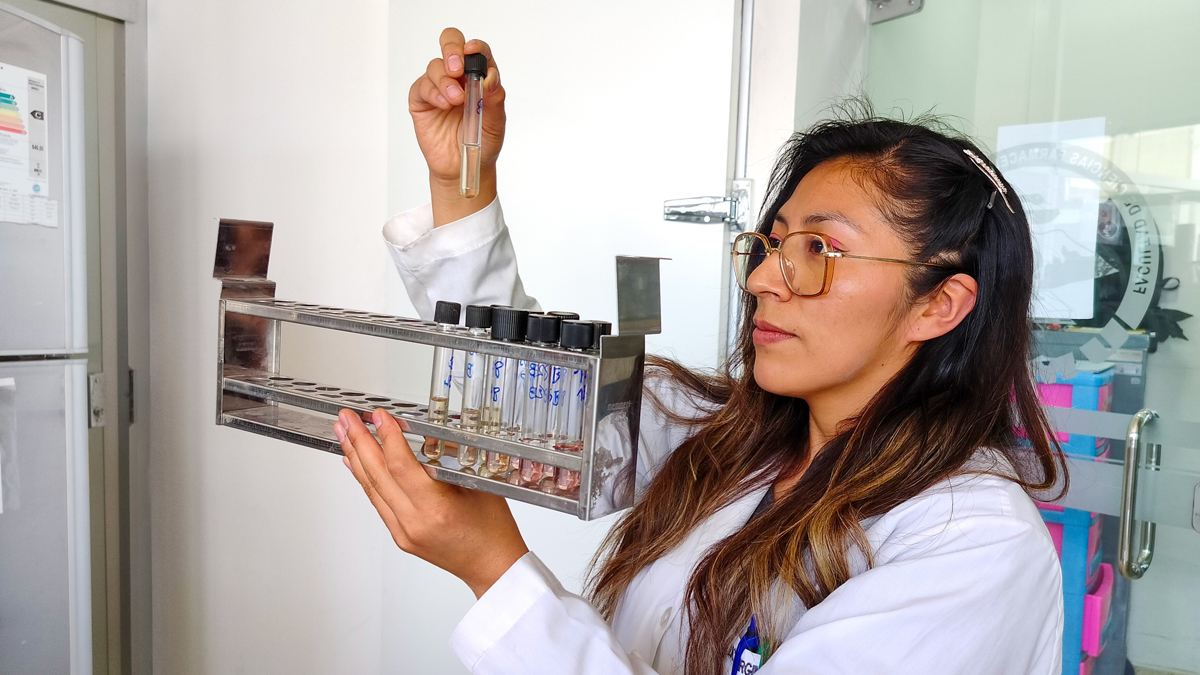
Beneficial bacteria can help quinoa withstand drought (opens the original)
Quinoa is well adapted to the harsh climate of the Andean region, but longer periods of drought threaten yields. In her new doctoral thesis, Virginia Gonzales investigates how native microorganisms can help quinoa withstand drought and support the development of sustainable bioinoculants.
-
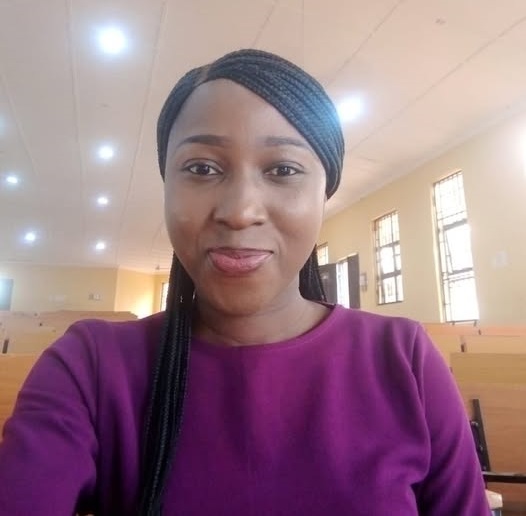
UNIOSUN Lecturer Wins ACDI Grant for Antimicrobial Stewardship Study (opens the original)
A lecturer in the Department of Public Health, Osun State University (UNIOSUN), Dr Iyanuoluwa Adufe, has won a research grant from the African Centre for Development Impact (ACDI) under its 2026 Research Grant Competition. Dr Adufe’s research proposal, titled “The BRIDGE Trial: A Pilot Cluster Randomized Controlled…
-
Fertiliser prices and shortages are hamstringing our farmers. But we have other options
Compost, manure and food waste can be turned into biofertilisers made from natural materials.
-
New research shows how psychedelics reorganise the patterns in your brain
Brains scans show a signature linked to a dissolved separation between the self and the world.
-
How we found a new transmissible cancer in bullhead catfish
Researchers found that tumours on different catfish were genetically similar, indicating the fish were catching the cancer from each other.
-
The bloodsucking insect with a saw for a mouth: how the tsetse fly bites through almost anything
Tsetse flies move between a broad range of animals. They connect wildlife, livestock and humans in complex transmission networks.


Read: The Conversation, CORDIS, ESO, NASA, ScienceDaily and the newsroom feeds of 734 institutions. Last read: today. Each story's date is its publisher's. Where the news comes from, and what each source allows.