Science news
Recent stories from university newsrooms, The Conversation, CORDIS, observatories and ScienceDaily, each sorted into the fields, countries and institutions it is about, and each linked to the original publisher. Narrow them below by subject, country, institution, source, words or period. A signed-in reader can follow any filtered view and be told when a new story matches it.
2,234 stories match these filters.
-
Charité research on the ISS: Can muscle stimulation help astronauts stay strong in space? (opens the original)
To stave off muscle loss, astronauts follow a rigorous exercise regimen while in space. The routine, however, does not fully counteract the effects of microgravity – an obstacle for long‑duration missions such as a future flight to Mars. Commissioned by the German Space Agency at DLR, researchers at Charité…
-
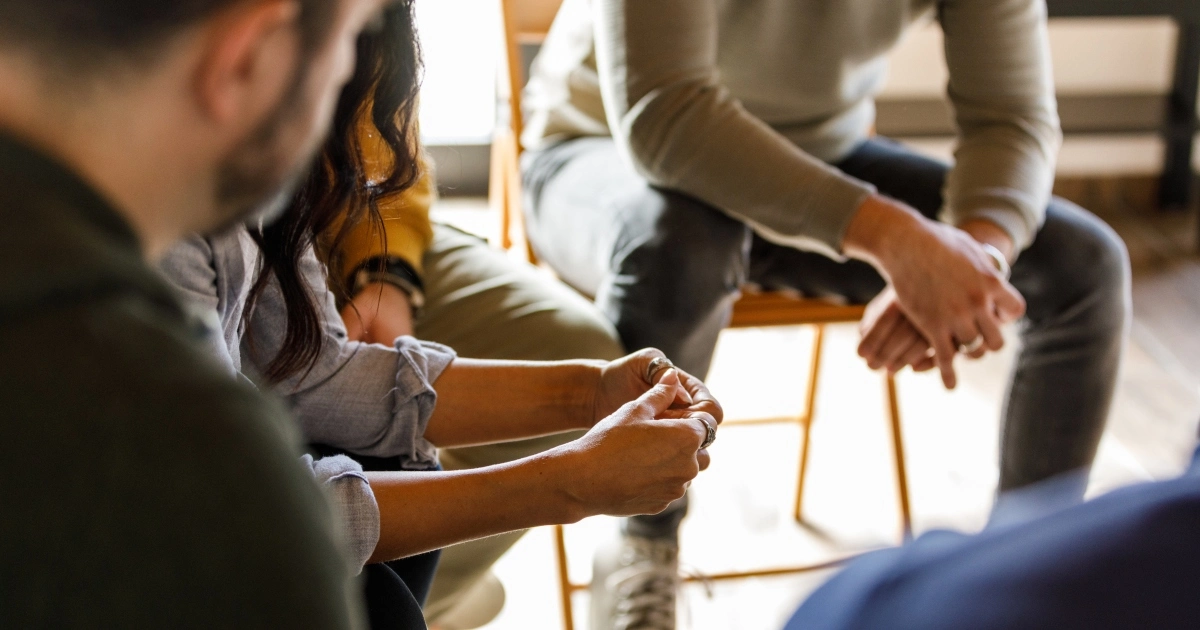
Frontline workers suffer stress, grief and burnout as homelessness numbers grow (opens the original)
Frontline workers are dealing with stress, grief and burnout as they face growing numbers of people experiencing homelessness, according to findings from the University of Stirling. People experiencing homelessness are more likely to face poor physical and mental health, substance use, and premature death, than those…
-
Agenda for October 2026 Cancer Treatments (CTAC) meeting (opens the original)
Information on what the Cancer Treatments Advisory Committee (CTAC) will be considering at its upcoming meeting in October 2026. This has been rescheduled from September due to availability.
-
From Saint Louis to Kampala: Lily McMorrow Takes Cancer Research Global (opens the original)
Lily McMorrow has earned an NIH LAUNCH Fellowship to advance cancer research at the Uganda Cancer Institute in Kampala. McMorrow, a fifth-year M.D./Ph.D. student at Saint Louis University, brings her research to an international stage, exploring the impact of international funding disruptions on cervical cancer…
-
Keele researchers investigating scale of neuromuscular conditions across the UK (opens the original)
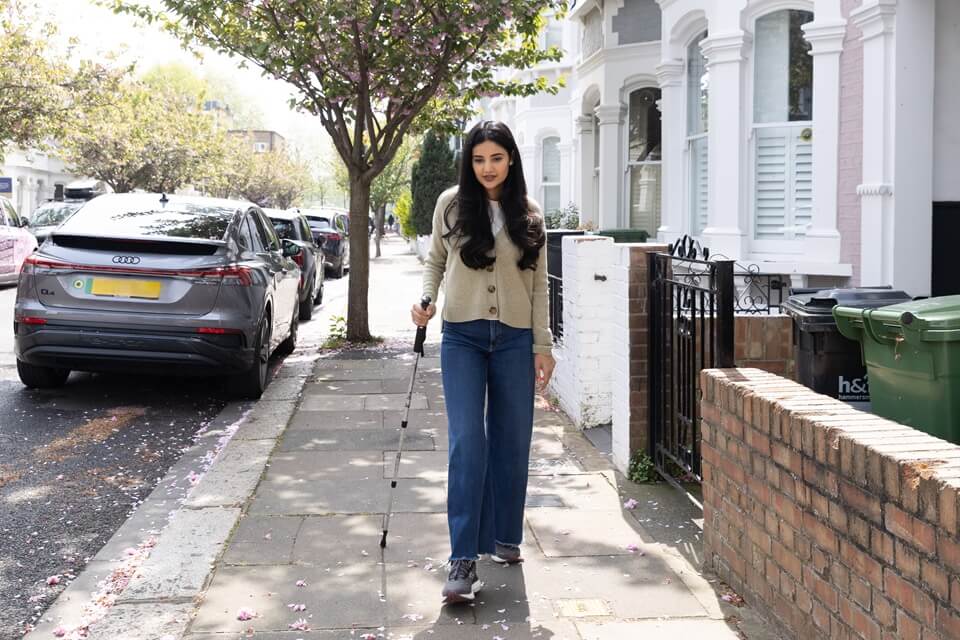
A research team led by Keele is working with a national charity to understand more about how prevalent neuromuscular conditions are across the UK, to ensure that more people are getting the support that they need.
-
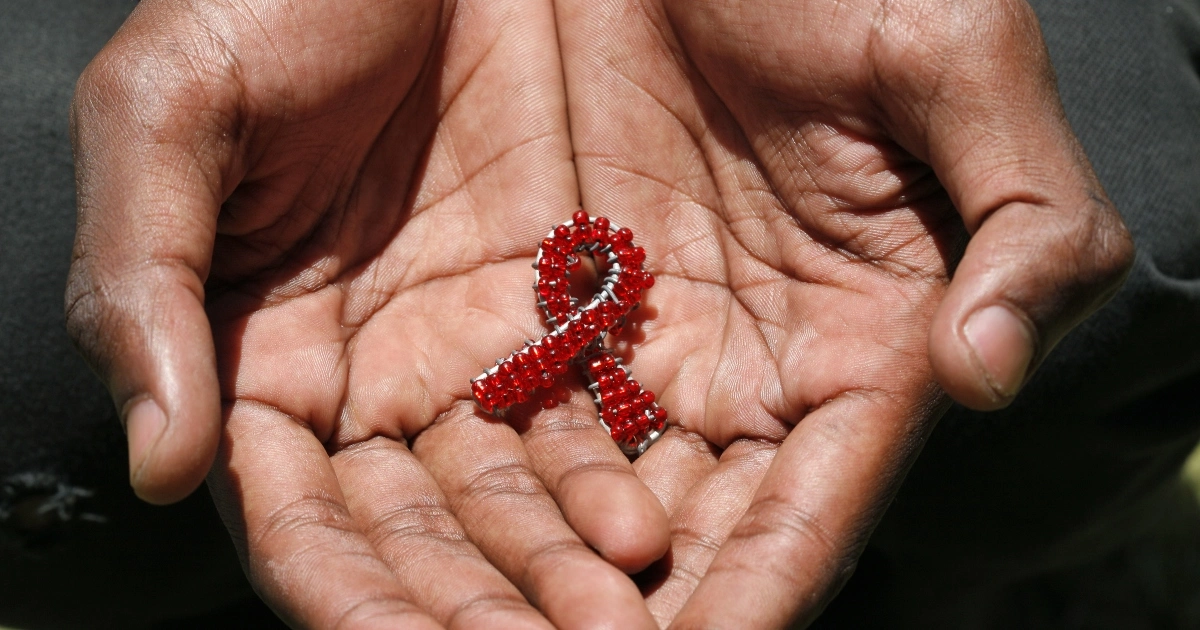
New toolkit aims to make HIV campaigns more inclusive (opens the original)
A new toolkit developed by University of Stirling researchers is providing practical recommendations to help make HIV campaigns more relatable and inclusive for communities facing stigma and barriers to HIV prevention, testing, care and treatment. It aims to support people involved in the design and delivery of HIV…
-
Ageing with HIV: global report highlights the need to prepare health systems
The challenge now is not simply helping people live longer, but ensuring they age well.
-
The physical activity paradox: not all forms of exercise lower your dementia risk – this type raises it
A major new study of 4.2 million people found leisure exercise cuts dementia risk – but manual labour and active commuting may raise it.
-
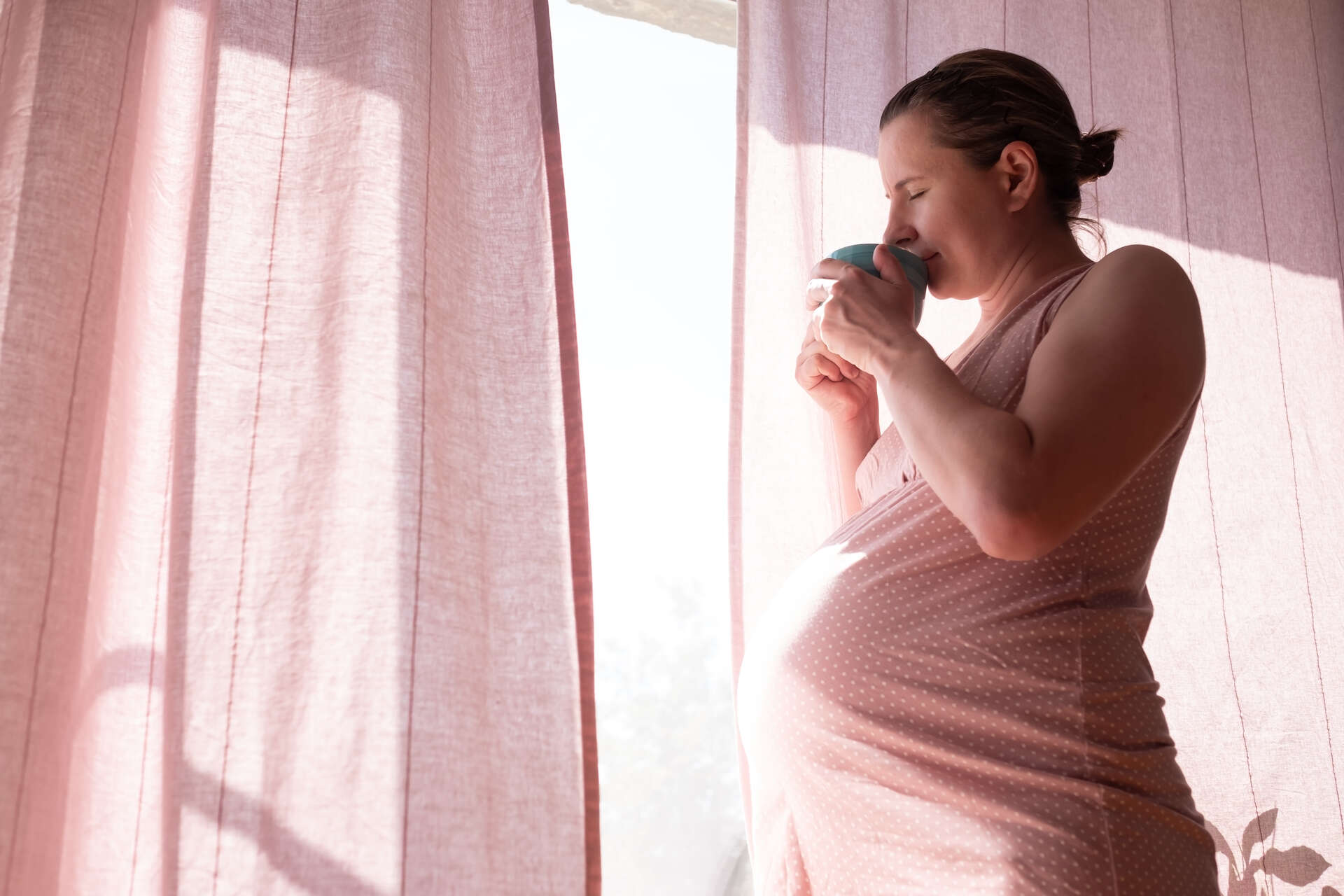
New discovery could make biological drugs safer for pregnant women (opens the original)
For women with chronic illnesses, pregnancy can pose a difficult dilemma: should they continue the medication they depend on and risk it crossing over to the fetus, or should they stop and risk becoming much sicker themselves?
-
Our genes reveal who is most vulnerable to gestational diabetes (opens the original)
Never before have so many pregnant women developed gestational diabetes. New research shows that our genes may help determine who is most at risk.
-
Where does fat actually go when you lose weight? The answer is in your breath – and your sweat
You’re going to want to breathe deeply while you read this.
-
Backyard bird feeding could be a bird flu ‘superspreader’. An expert explains
This seemingly harmless hobby could accelerate the spread of the deadly H5N1 strain.
-
Valerie Brown met the queen, was arrested – and led Greenpeace Australia
Valerie Brown’s experiences with Greenpeace, which she headed when the Rainbow Warrior was bombed, read like a spy novel. But it’s just one way she changed the world.
-
How well do COVID antivirals actually work? Not as well as we thought
New research suggests that with high levels of vaccination and immunity from previous infections, COVID antivirals are no longer working as well.
-
The midlife clock is ticking: How we understand ‘time left’ can help us use it well
Heightened awareness of having limited time left in life can spur people to become masters of their lime, or leave them feeling stuck or stifled with anxiety.
Picture: (Unsplash/Maria Oswalt)
-
Lymphatic walking: the social media trend explained
Social media claims a special walking technique can boost your lymphatic system. Here’s what’s actually backed by evidence.
-
More protein in your breakfast or snacks won’t give you more muscle without more work – a biologist separates the science from the marketing
Protein powders and protein-fortified versions of all manner of foods line grocery store shelves. But just because something has added protein doesn’t necessarily make it better.
-
In Interview: Timo Müller on Innovative Drug Concepts for Obesity and Diabetes (opens the original)
Modern drugs for obesity and type 2 diabetes are based on the interaction of various biological signals. In the interview, Prof. Timo Müller of DZD partner Helmholtz Munich explains how new drug design concepts emerge and what prospects research offers for the treatment of metabolic diseases.
-
Why millions of people around the world are contracting measles in 2026
Measles is making a comeback around the world. In places with low vaccination rates, a few cases can quickly become an epidemic.



Read: The Conversation, CORDIS, ESO, NASA, ScienceDaily and the newsroom feeds of 733 institutions. Last read: today. Each story's date is its publisher's. Where the news comes from, and what each source allows.