Science news
Recent stories from university newsrooms, The Conversation, CORDIS, observatories and ScienceDaily, each sorted into the fields, countries and institutions it is about, and each linked to the original publisher. Narrow them below by subject, country, institution, source, words or period. A signed-in reader can follow any filtered view and be told when a new story matches it.
3,061 stories match these filters.
-
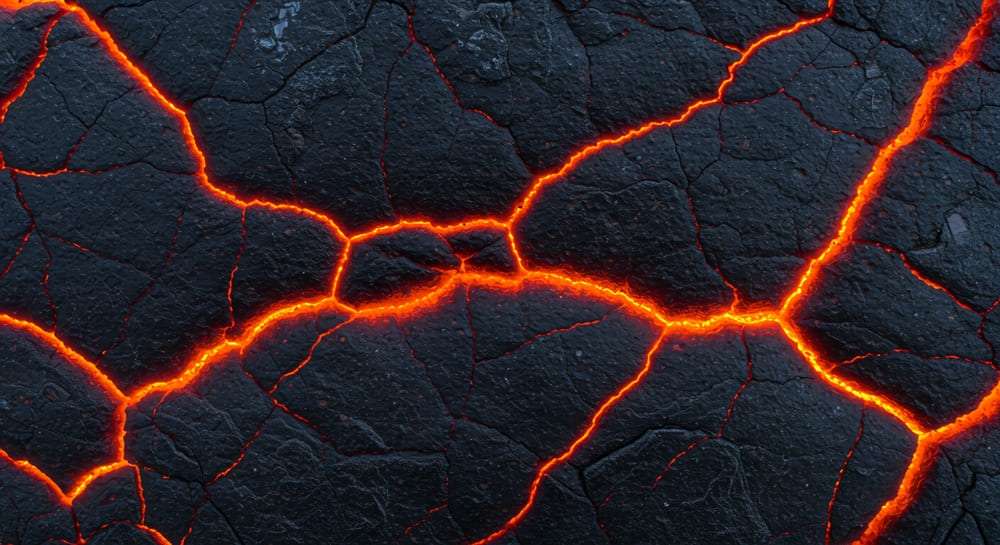
Historic sulphur emissions the likely cause of damage to Murujuga rock art: new research
Murujuga has been cared for by Ngarda-Ngarli for more than 50,000 years. We’re studying how the extraordinary rock art it contains can be protected in the future.
-
Globus Medical Announces Acquisition of Higgs Boson Health to Transform Healthcare Experience Through AI-Driven Digital Solutions (opens the original)
AUDUBON, Pa., Aug. 26, 2026 (GLOBE NEWSWIRE) — Globus Medical, Inc. (NYSE: GMED), a leading musculoskeletal technology company, today announced the acquisition of Higgs Boson Health, a digital healthcare experience company based in Durham, NC and incub
-
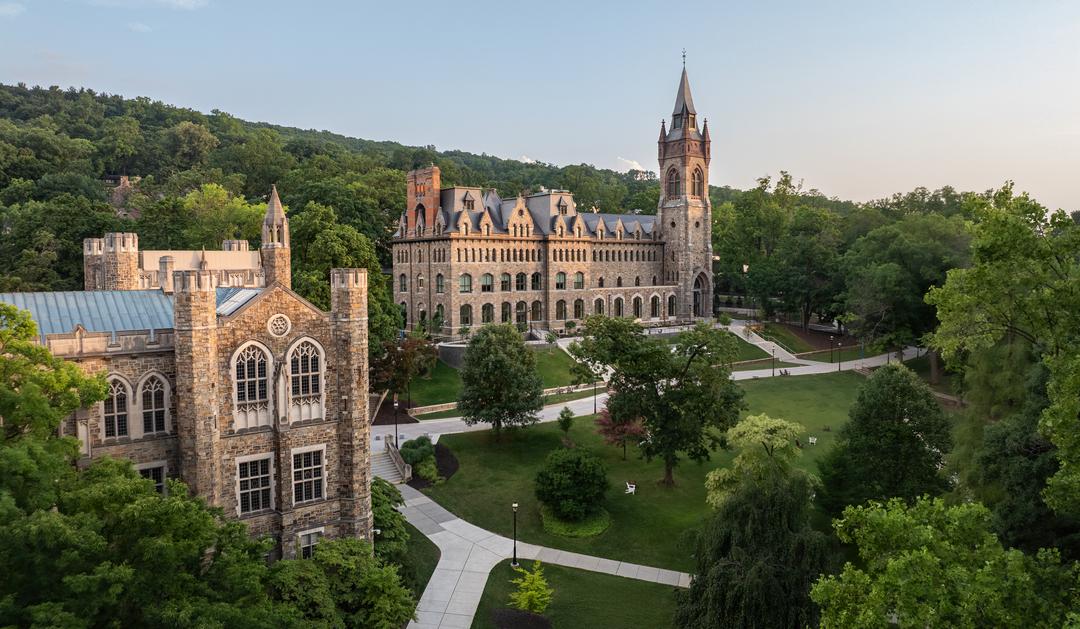
United Nations Under-Secretary-General to Discuss Artificial Intelligence at Lehigh (opens the original)
A Sept. 2 presentation by United Nations Under-Secretary-General Amandeep Gill will examine the future of AI and what is needed to unlock its potential.
-
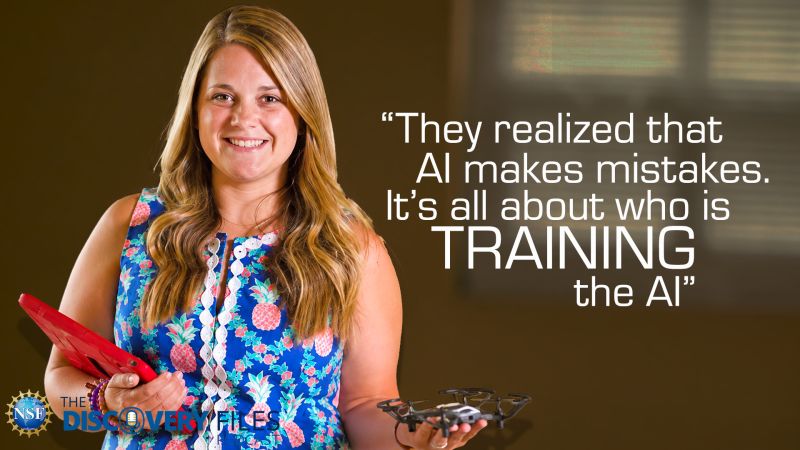
Podcast: Educator wins Presidential AI Challenge (opens the original)
U.S. National Science Foundation-supported researchers are behind an educational effort to introduce artificial intelligence techniques to elementary school children
-
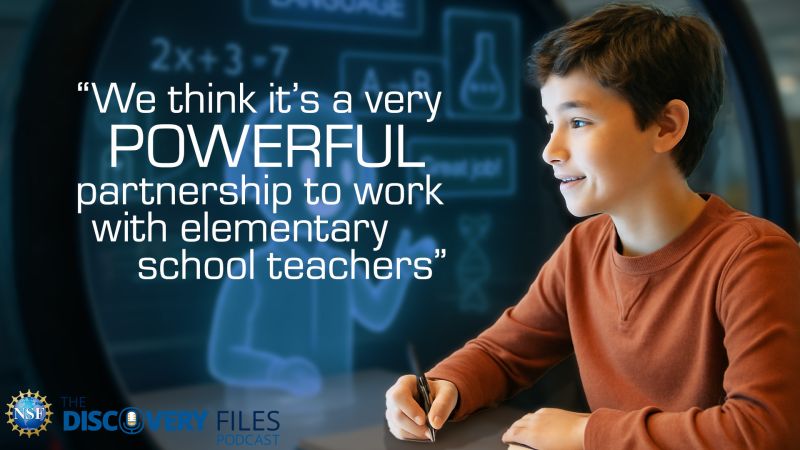
Podcast: Researchers bring AI to elementary schoolers (opens the original)
Researchers discuss the challenges of introducing artificial intelligence concepts into elementary school curriculum and how the project led to a win in the inaugural Presidential AI Challenge
-
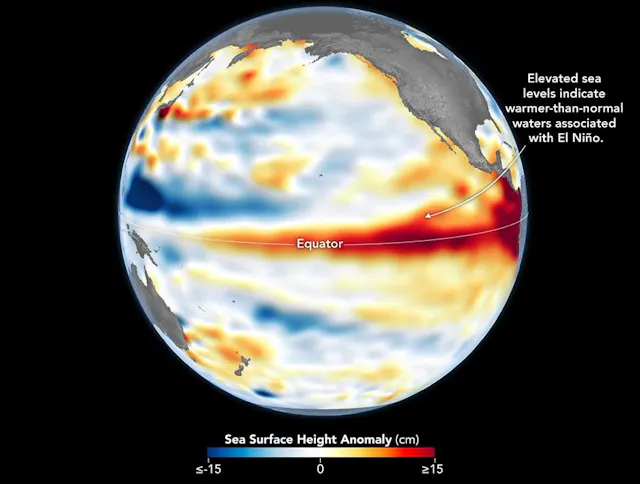
A ‘super El Niño’ could make India’s monsoon drier yet more dangerous
El Niño summers can mean less rain overall, but more extreme daily rainfall.
-
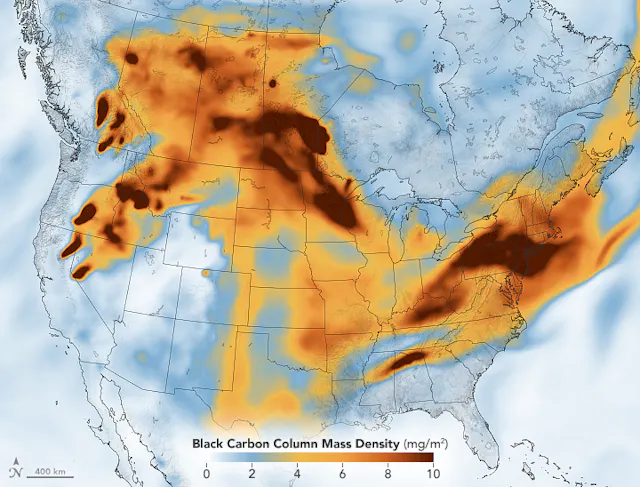
From flames to haze, wildfire smoke transforms as it travels, and it can harm your health in different ways
To understand what’s in the smoke you might be breathing, you have to look at where it’s been.
-
Breakthrough in understanding ice formation in clouds (opens the original)
Researchers from the universities of Bielefeld, Vienna, and Helsinki have demonstrated why the mineral microcline is so effective at forming ice.
-
LSU New Orleans Alumni Help Advance New Approach to Battery Recycling (opens the original)
Two researchers with ties to LSU New Orleans are helping develop a new approach to recycling and upcycling lithium-ion batteries that could help address the growing demand for critical battery materials.
-
Why Are Continental Margins Sinking Faster Than Expected? Subsurface Water Flow Accelerates Cooling of the Earth’s Crust (opens the original)
A new study conducted at the University of Haifa and published in the journal Communications Earth & Environment found that the Earth’s crust off the east coast of the United States cooled up to 1.6 times faster than predicted
-
The Suburban Rail Loop will play a major role in the 2026 Victorian election. Why is it so controversial?
It is an unenviable position for a government to have potentially misallocated tens of billions of dollars to poorly selected infrastructure.
-
Can you teach yourself to detect AI writing? Maybe
There’s no single giveaway. But there are patterns.
-
The universe is full of strange ‘little red dots’. A new study shines light on their real nature
It turns out these little red dots might actually be evidence of supermassive black holes.
-
From nightlife to life at night: cities must stay open later to beat the rising heat
From floodlit beaches to late-night libraries, city life has to change to beat the heat.
Picture: Government of Dubai, CC BY-NC-ND
-
How will this year’s record-breaking El Niño affect NZ and the world? 5 things to know
From global temperature records to drought risk in New Zealand, the developing climate pattern could have far-reaching consequences.
-
Between atoms and the cosmos: New ‘standard model’ maps the world in front of us (opens the original)
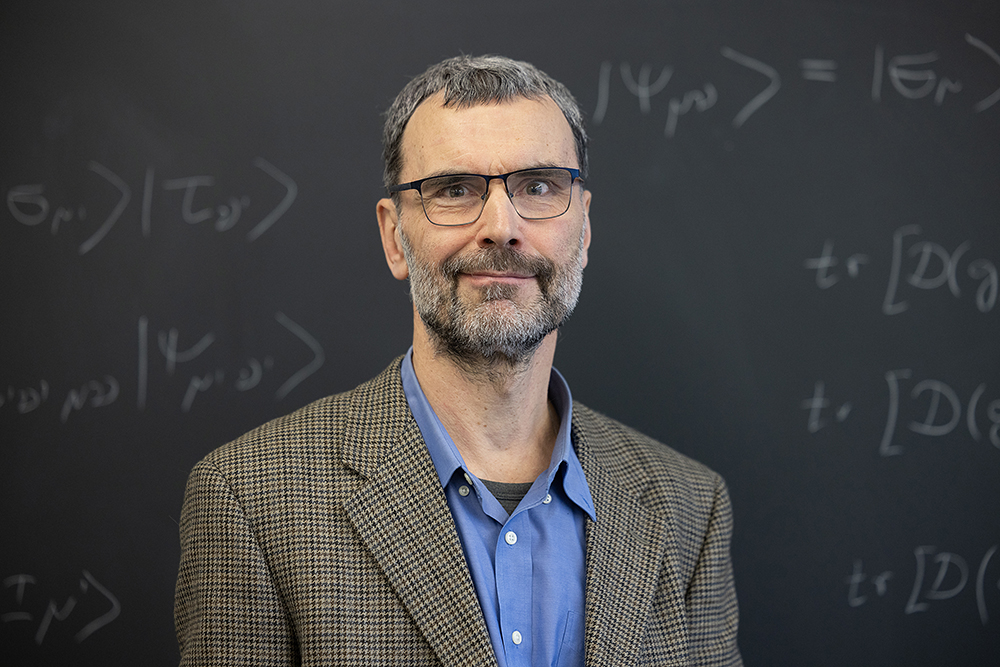
DEKALB, IL — Northern Illinois University Physics Professor Roland Winkler has a new research publication that he hopes will make a lasting impact on the physics
-
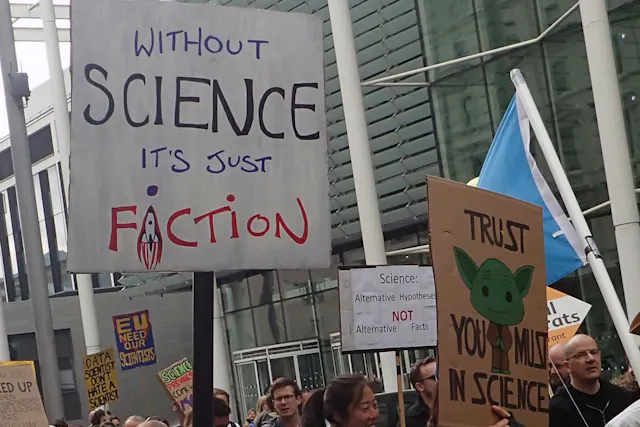
When to trust the experts? Follow these guidelines to evaluate science on any topic
Science works through a process of revision. As consumers, we must learn how to evaluate how mature evidence is, and always remain flexible to new findings.
-
CMU Builds on Its Strengths To Advance NeuroAI (opens the original)
By bringing neuroscience and artificial intelligence into conversation, Carnegie Mellon researchers are using each field to advance the other — revealing insights into how the brain works while building AI systems that can learn, perceive and adapt more like biological intelligence.
-
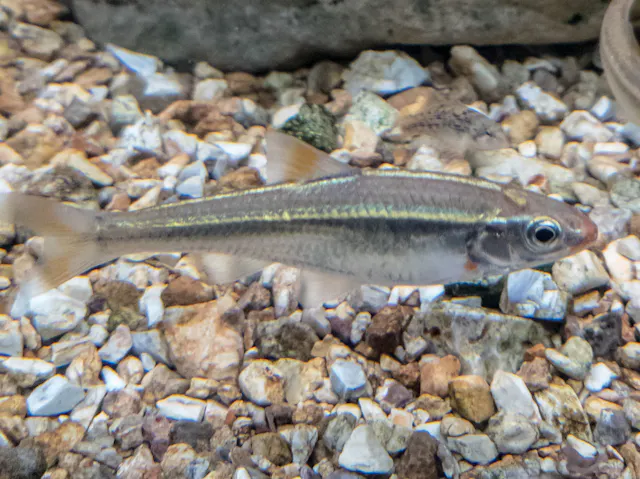
Fish DNA in Ozark streams reveals region’s complex geologic history
A fish-finding expedition not only detects unexpected species but also uncovers a living link to Missouri’s geological past.
Picture: Wabeggs/Wikimedia Commons, CC BY-SA
-
How do ice cubes cool a drink?
Energy transfer is the secret ingredient that makes iced tea a particularly refreshing drink on a hot day.




Read: The Conversation, CORDIS, ESO, NASA, ScienceDaily and the newsroom feeds of 734 institutions. Last read: today. Each story's date is its publisher's. Where the news comes from, and what each source allows.