Science news
Recent stories from university newsrooms, The Conversation, CORDIS, observatories and ScienceDaily, each sorted into the fields, countries and institutions it is about, and each linked to the original publisher. Narrow them below by subject, country, institution, source, words or period. A signed-in reader can follow any filtered view and be told when a new story matches it.
2,234 stories match these filters.
-
FDA approves breakthrough pancreatic cancer drug – an oncologist explains how daraxonrasib nearly doubles survival
Around 97% of patients with advanced pancreatic cancer die within five years. Researchers have figured out a way to target the mechanism that makes these tumors so deadly.
Picture: Fvasconcellos/Wikimedia Commons
-
Colgate University Researchers Publish on Early Immune Response to Brain White Matter Disease (opens the original)
mcwalden@colgate.edu Wed, 08/26/2026 - 15:00 New research from Colgate University Assistant Professor of Psychological and Brain Sciences and Neuroscience Anzela Niraula, Ashley Shanahan ’27, and Gwen Eichfeld ’25 sheds…
-
UofL receives $11.6 million to amplify research in nutrition and metabolic health (opens the original)
NIH funding will support research to promote health and address chronic diseases related to poor diet
-
Saudi NIH signs MoU on Research and Clinical Innovation (opens the original)
-
Sex-Specific and Reproductive Status-Dependent Effects of Liraglutide on Metabolic Disorders Associated with Prediabetes - 26.8.2026 (opens the original)
AbstractGlucagon-like peptide-1 receptor agonists (GLP-1 RAs) have been shown to have beneficial effects in T2D, reducing hepatic lipid storage and improving metabolic dysfunction-associated steatotic liver disease. However, sex and reproductive age may influence their effect. We investigated the effect of…
-
Stem cells can contribute to new treatments for heart attacks and Parkinson’s (opens the original)
Cells from nine “super donors” are being collected in Oslo. The aim is for these to be used to repair or replace damaged cells, tissue and organs in people suffering from conditions ranging from heart attacks to Parkinson’s disease.
-
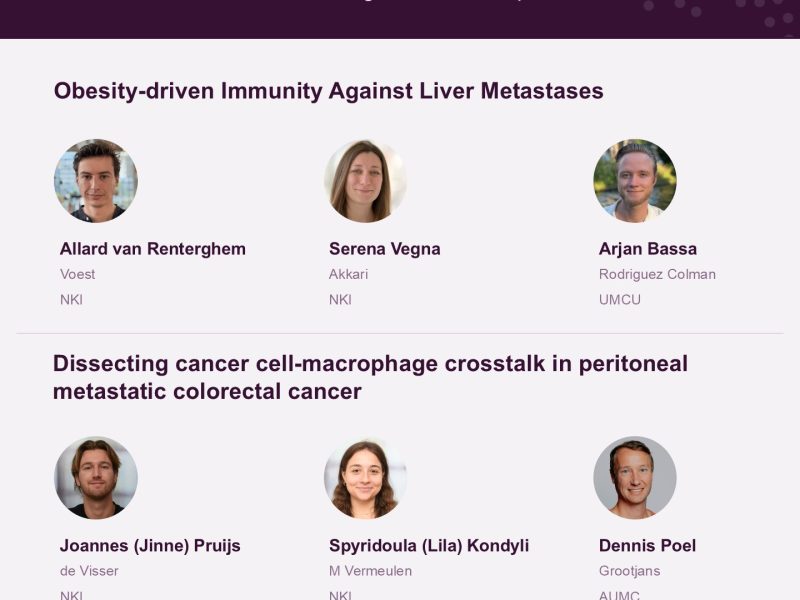
Inside the Synergy Projects 2026: Understanding how cancer spreads (opens the original)
Two collaborative projects explore how the environment around cancer cells can influence the development of metastases, from the role of obesity in the liver to interactions between colorectal cancer cells and immune cells in the peritoneal cavity.
-
What happens to your body when you eat more pulses? Five effects you need to know
Lentils, beans, chickpeas and peas provide fibre and protein. Research suggests they may also influence blood sugar, cholesterol and gut health.
-
Lahjoittamalla voit auttaa tutkimusta, jonka tavoitteena on pysäyttää ALS-taudin eteneminen (opens the original)
Your donation can support research that aims to slow or stop the progression of ALS sholttin@helsinki.fi Thu, 15/10/2026 - 09:21 Amyotrophic lateral sclerosis (ALS), is a rapidly progressing and incurable neurodegenerative disease. There is currently no treatment that can stop the disease from progressing, which is…
-
UTA student explores heart research in Chicago (opens the original)
Junior Rushika Muradi was one of five students selected for prestigious summer research program
-
CMU Researchers Use AI To Explore How Alzheimer’s Changes Brain Cells (opens the original)
New research from a CMU-led team offers new insight into how changes in the arrangement of DNA may contribute to Alzheimer's disease, the most common cause of dementia.
-
Vulnerability to wildfire smoke is in our genes, thanks to an evolutionary quirk
Mutations that occurred tens of thousands of years ago made humans uniquely sensitive to particulate air pollution.
-
USask neuroscientist Valerie Verge named to Canadian Academy of Health Sciences (opens the original)
Only five decades ago, central nervous system (CNS) brain and spinal cord nerve cells were thought to be impossible to repair. Part of the research led by neuroscientist Dr.
-
Deep sleep brain waves offer protection against Alzheimer’s disease, new research shows (opens the original)
The findings suggest that sleep quality may help counteract the cognitive risks associated with elevated levels of the neurotransmitter orexin
-
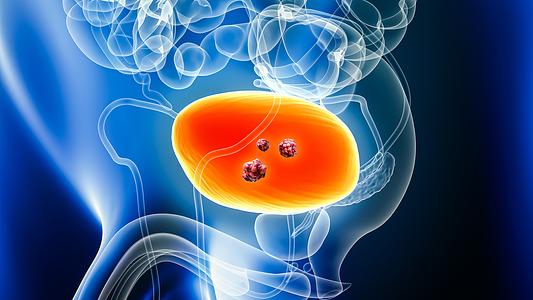
Bladder cancer detected up to five years before diagnosis – thanks to AI (opens the original)
Research shows potential to transform early detection of the common cancer










Read: The Conversation, CORDIS, ESO, NASA, ScienceDaily and the newsroom feeds of 734 institutions. Last read: today. Each story's date is its publisher's. Where the news comes from, and what each source allows.