Science news
Recent stories from university newsrooms, The Conversation, CORDIS, observatories and ScienceDaily, each sorted into the fields, countries and institutions it is about, and each linked to the original publisher. Narrow them below by subject, country, institution, source, words or period. A signed-in reader can follow any filtered view and be told when a new story matches it.
823 stories match these filters.
-
Bacteriophage therapy modeling offers hope for drug-resistant bacterial infections (opens the original)
LANL researchers model phage therapy to improve treatment timing and cocktail diversity for drug-resistant bacterial infections.
-
Star Trek at 60: the secret of this pioneering series was its exploration of humanity, not aliens
Star Trek has endured because it repeatedly returns to a universal question: what does it mean to be human?
-
Why the US-Canada trade war could change how American farmers grow their crops for years
Canada is a major US supplier of fertilizer ingredients that could get pulled into Trump’s trade war. Farms can go without fertilizer for a while, but not long.
-
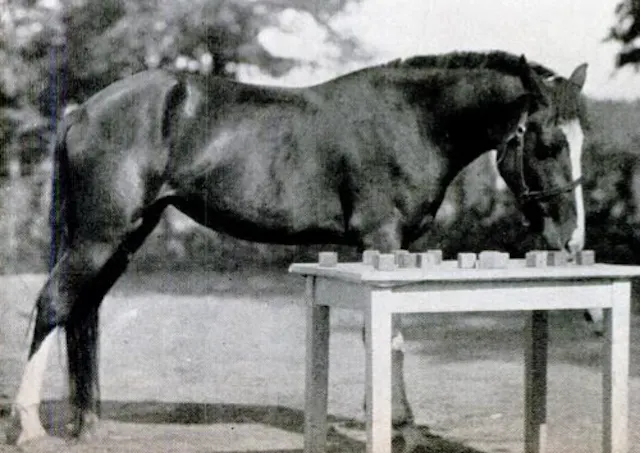
How a ‘psychic’ horse named Clever Hans changed the way we do science
You might be surprised by how many researchers who went on to make important contributions considered whether animals could have telepathy.
Picture: Francis Wickware
-
Dementia care navigators help Latino Coloradans get the support they need
People living with Alzheimer’s as well as their caregivers benefit from culturally informed care.
-
During research in the Šumava Mountains, scientists from the University of South Bohemia encountered an invasive Asian bee. For the first time, it appeared surprisingly high in the foothills (opens the original)
During a field survey of wild horse pastures in the Šumava Mountains, South Bohemian biologists came across a striking find: the giant resin bee (Megachile sculpturalis). This invasive species of solitary bee originates from East Asia, measures up to 2.5 centimeters, and was previously known in the Czech Republic…
-
How plants use scoop-shaped pores to distribute their pollen efficiently (opens the original)
New findings are particularly important in light of climate change, declines in bee abundance, and diversity
-
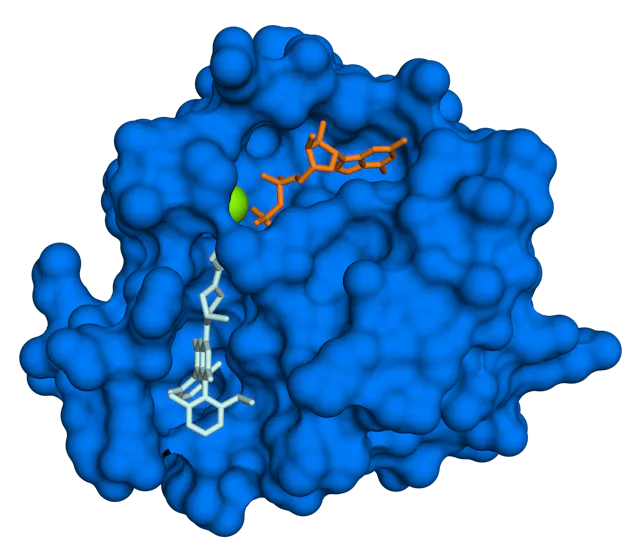
FDA approves breakthrough pancreatic cancer drug – an oncologist explains how daraxonrasib nearly doubles survival
Around 97% of patients with advanced pancreatic cancer die within five years. Researchers have figured out a way to target the mechanism that makes these tumors so deadly.
Picture: Fvasconcellos/Wikimedia Commons
-
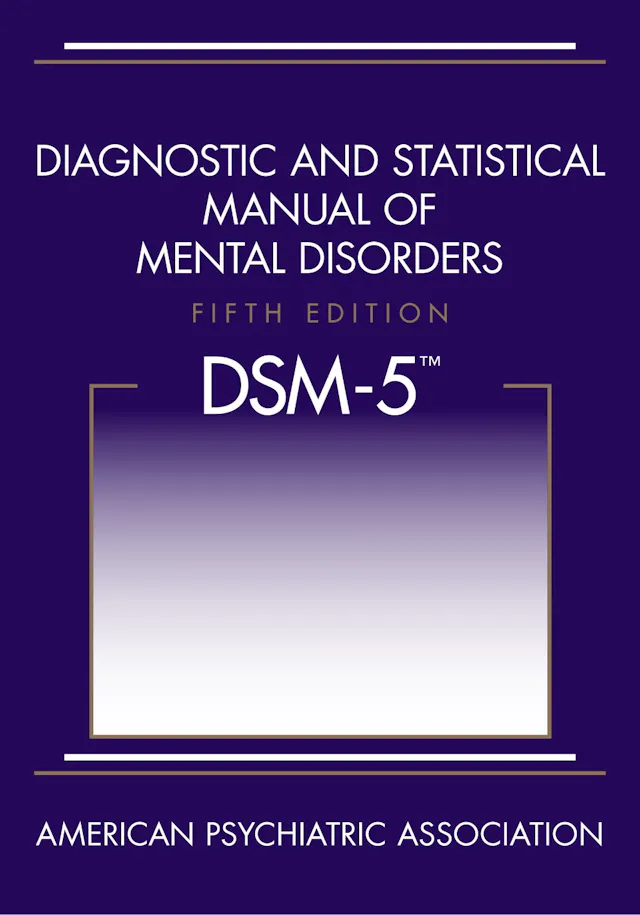
I’m part of the team writing the next bible of psychiatry – for the first time, the DSM will use biology to understand mental disorders
Despite advances in neuroscience, the underlying biology of mental illness has remained elusive. The DSM-6 will attempt to integrate neurobiology into how clinicians diagnose and treat psychiatric conditions.
-
What happens to your body when you eat more pulses? Five effects you need to know
Lentils, beans, chickpeas and peas provide fibre and protein. Research suggests they may also influence blood sugar, cholesterol and gut health.
-
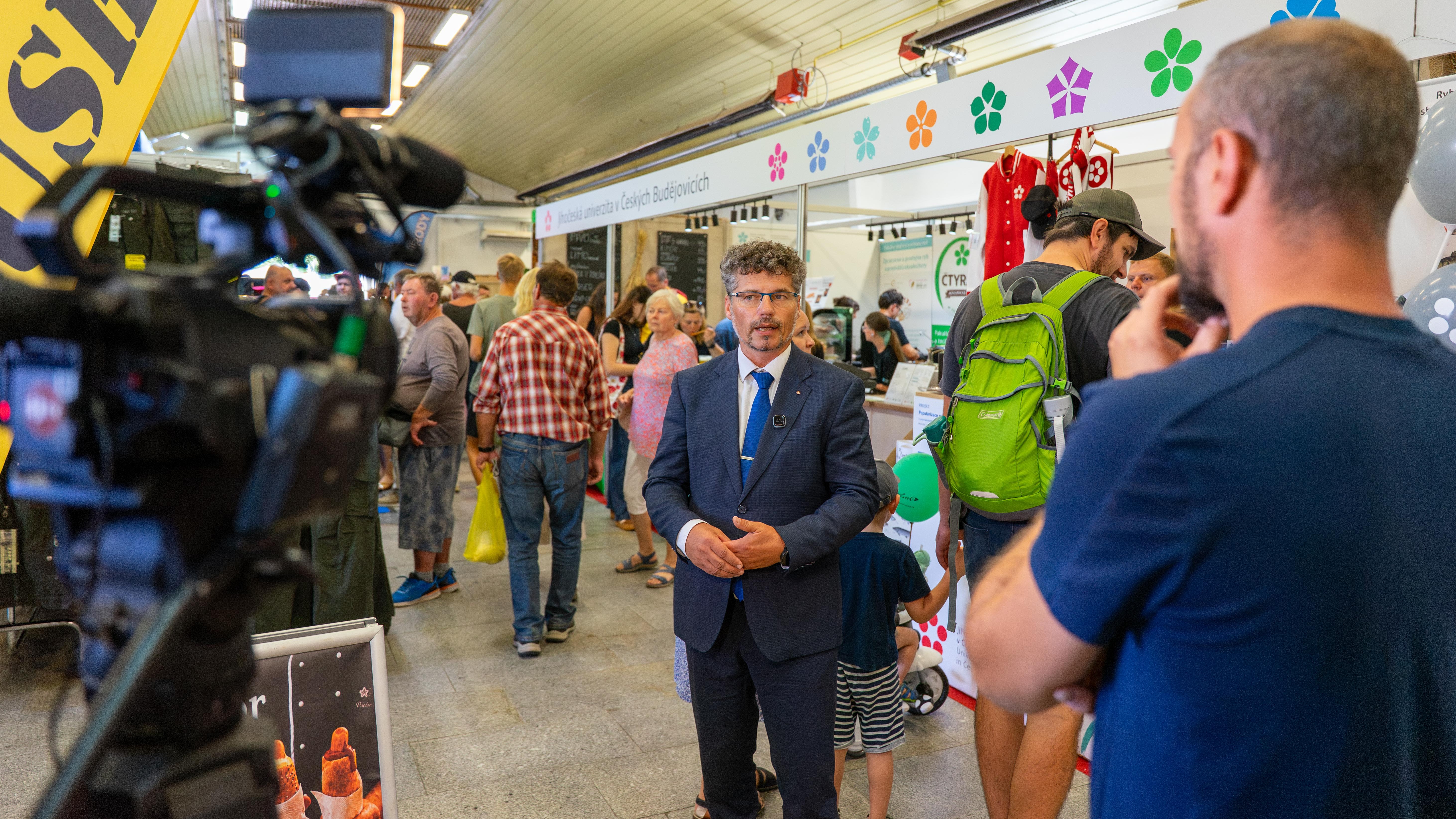
USB at Země Živitelka 2026: Research and innovation, own food products, Čtyrák beer, and a presidential visit (opens the original)
The 52nd edition of the Země Živitelka agricultural fair is behind us. Over the course of six intensive days, the University of South Bohemia’s stand in Pavilion R3 was buzzing from morning to evening. Pikadors (hot dogs), fish soups, and burgers were disappearing at lightning speed, and the tap pouring our…
-
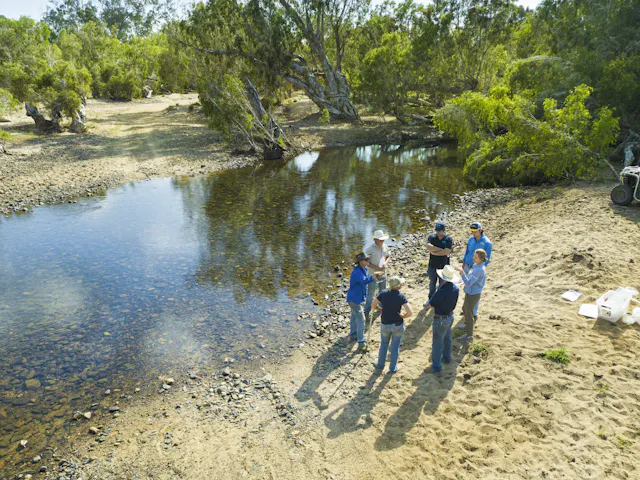
We finally have some encouraging news on Great Barrier Reef water quality
Sediment and nitrogen runoff carried by rivers is a major challenge to the Great Barrier Reef. Science confirms efforts to improve water quality are paying off.
-
Ceuta crisis: anti-migrant ‘invasion’ rhetoric threatens Europe’s food supply and economy
Migrant workers are vital to Spain’s vast agriculture sector, but they are often hidden from view.
-
Spouted baby food pouches more like sugary drinks/smoothies than nutritious food (opens the original)
Commercial baby foods in spouted pouches – intended to boost nutritional intake from the age of 6 months onwards – are often more like sugary drinks and smoothies than nutritious food, an analysis of UK products finds
-
How much sleep do I need? Why you can forget the eight-hour rule
Eight hours isn’t necessarily the magic number for sleep. Your age, body clock and individual needs all matter.
-
The brain isn’t hardwired to read – here’s how we pull it off and why some are better at it than others
There is not only one way to learn to read, as people who are deaf, blind or dyslexic demonstrate.
Picture: wikipedia
-
The real reasons you procrastinate – and how to stop, according to science
Around 20% of adults procrastinate regularly. Yet a lot of what we hear about this common behaviour is wrong.
-
Left-handed people tend to be left-leaning voters
A study across 18 western countries has found that left-handed people sit on the left of the political spectrum and the data suggests it has more to do with identity than biology.



Read: The Conversation, CORDIS, ESO, NASA, ScienceDaily and the newsroom feeds of 734 institutions. Last read: today. Each story's date is its publisher's. Where the news comes from, and what each source allows.