Science news
Recent stories from university newsrooms, The Conversation, CORDIS, observatories and ScienceDaily, each sorted into the fields, countries and institutions it is about, and each linked to the original publisher. Narrow them below by subject, country, institution, source, words or period. A signed-in reader can follow any filtered view and be told when a new story matches it.
2,234 stories match these filters.
-
Would Michelangelo’s David pass a looksmaxxing audit?
In today’s looksmaxxing culture, young men pursue a supposedly ‘ancient’ ideal that’s actually modern and pharmacologically constructed.
-
Earlier volcano warnings could mean more false alarms – but they could also save lives
AI models could spot volcanic eruptions earlier – and new research says the lives saved make the occasional false alarm worth the price.
-
Breast cancer survivors could avoid lifelong heart medication (opens the original)
after recovery from treatment related heart problems, according to research funded by BHF
-
Most people who miss NHS Health Checks are in their forties, large-scale study finds (opens the original)
People in their forties make up three-quarters of those who do not attend their NHS Health Check, according to a large-scale study of almost one million people
-
‘Must I take all my antibiotics?’ Why infectious disease experts are rethinking this longstanding rule
For some illnesses, shorter courses of antibiotics work just as well as longer ones, but researchers are still working out the ideal timescales for many infections – and it may not line up with when you feel better.
-
Compound with the potential to treat drug-resistant HIV identified (opens the original)
Published on the 28th August 2026 by ANSTO Staff Share to FacebookShare to BlueskyShare to LinkedIn Key Points A new compound has showed strong anti-viral activity against HIV, including some drug-resistant variants The HIV virus that causes AIDS…
-
Lab-Grown Eye Cells Offer Way to Protect Vision (opens the original)
The research opens possibilities for studying eye disease and developing potential treatments
-
New study reinforce the positive impacts of lifestyle changes on cognitive health and dementia risk
Physical exercise, a proper diet, cognitive training, clinical monitoring, and socialization improve cognitive performance by 55% among older adults in Latin America.
-
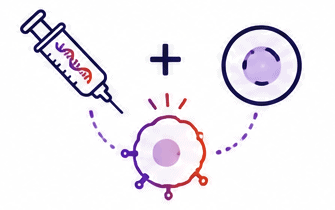
A New Milestone for Cancer Vaccines — Decades in the Making (opens the original)
For decades, researchers have pursued an ambitious idea: What if a vaccine could teach a patient’s immune system to recognize their unique cancer? A positive Phase 3 topline readout suggests that vision
-
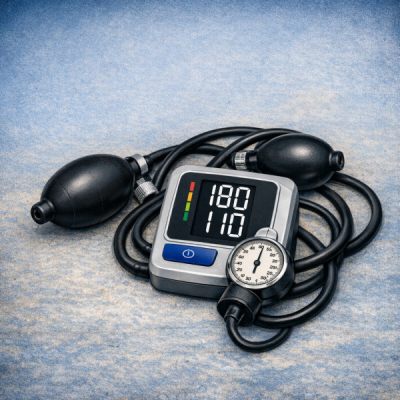
Hidden hormone spikes may reveal high blood pressure condition, study shows (opens the original)
A common but often overlooked cause of high blood pressure may be hiding in plain sight – and data from a pioneering wearable device could hold the key to its earlier diagnosis, according to new research
-
Dementia care navigators help Latino Coloradans get the support they need
People living with Alzheimer’s as well as their caregivers benefit from culturally informed care.
-
‘Mad honey’ that can stop your heart is now being sold online worldwide
The honey is being exported without the knowledge of the honey harvesters that keeps consumers safe.
-
Childhood Cancer Awareness Month Mobilizes Support Across the U.S. for St. Jude Children's Research Hospital® (opens the original)
This September, supporters across the country will rally behind St. Jude during Childhood Cancer Awareness Month, joining a nationwide movement to raise awareness and funds for children with cancer and other life-threatening diseases.
-
Wafa Hammedi: Impact as a Compass (opens the original)
Faculty Economics Management Communication Politics (EMCP) NaDI Institute Center for Research in Marketing and Service Management (CeRCLe)
-
Cell therapy successful in treating severe rheumatoid arthritis (opens the original)
Immunotherapies such as CAR T-cell therapy are used primarily to treat cancer. In the future, these patient-specific therapies, manufactured from patients’ own immune cells, could also help cure autoimmune diseases. Six patients with particularly severe rheumatoid arthritis have now received this treatment at Charité…
-
Hantavirus exposure among wildlife farmers in Vietnam: A warning for Southeast Asia
Nearly 9% of Vietnamese wildlife farmers have been infected with hantavirus, pointing to the risks of current farming practices.
-
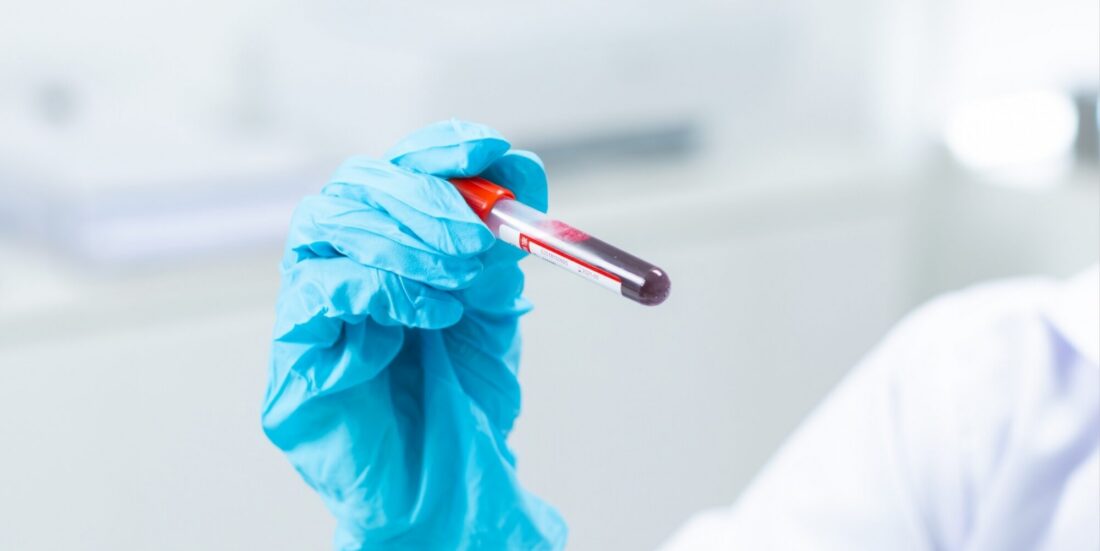
Beyond the petri dish: Testing tomorrow’s drugs in human blood (opens the original)
mRNA-based drugs are emerging as the drug of the future for a wide range of diseases, but they are difficult and time-consuming to develop. A new method based on human blood could make this easier.
-
No safe tan: Why Canada’s sunburn problem keeps getting worse
Addressing sun exposure misinformation, such as online tanning trends and sunscreen myths, is important, but effective advice about UV protection is crucial, too. ‘No tan, no burn’ is the goal.
-
A Fitting Send-Off: Hamilton Eye Institute’s Summer Symposium Caps Years of Student Discovery (opens the original)
For six years, T.J. Hollingsworth, PhD, assistant professor in the Department of Ophthalmology, Department of Anatomy & Neurobiology, and Department of Microbiology, Immunology & Biochemistry in the College of Medicine, has turned a single summer day into one of the most anticipated traditions at the Hamilton Eye…


Read: The Conversation, CORDIS, ESO, NASA, ScienceDaily and the newsroom feeds of 734 institutions. Last read: today. Each story's date is its publisher's. Where the news comes from, and what each source allows.