Science news
Recent stories from university newsrooms, The Conversation, CORDIS, observatories and ScienceDaily, each sorted into the fields, countries and institutions it is about, and each linked to the original publisher. Narrow them below by subject, country, institution, source, words or period. A signed-in reader can follow any filtered view and be told when a new story matches it.
3,061 stories match these filters.
-
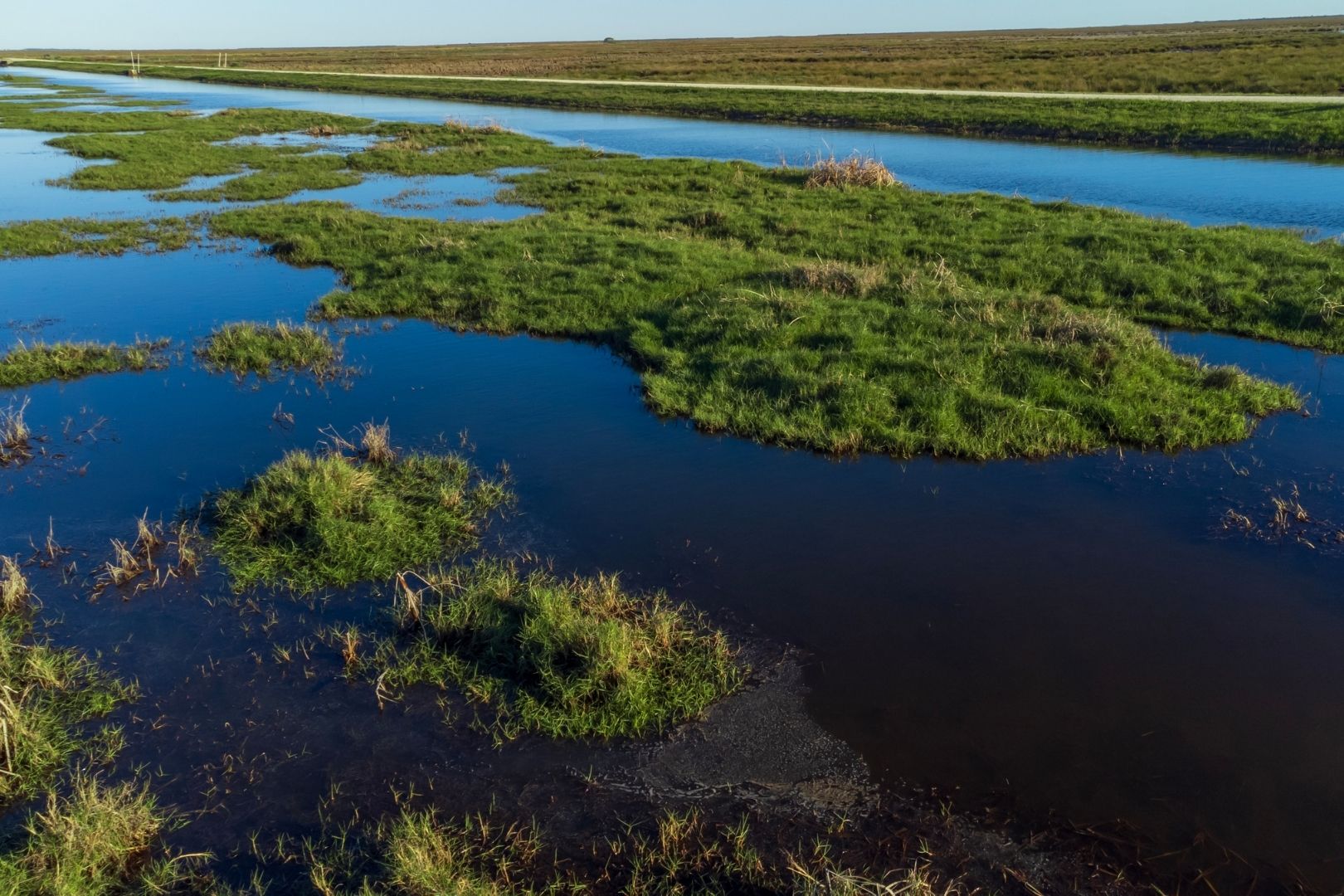
UTA researcher tackles erosion challenges on Texas coast (opens the original)
Study seeks solutions to protect beaches, waterways and a critical shipping route
-
Earlier volcano warnings could mean more false alarms – but they could also save lives
AI models could spot volcanic eruptions earlier – and new research says the lives saved make the occasional false alarm worth the price.
-
When a mountain falls: How ice and rock triggered Nepal’s catastrophic flood – and why climate change is raising the risks
A geologist explains how thawing permafrost and melting ice are increasing the risk of destructive floods in the Himalayas and other high mountain regions around the world.
-
RESEARCH: Fast fashion’s carbon footprint can be reduced across its life cycle, new Concordia study suggests (opens the original)
Making cheap, disposable clothing more sustainable requires changes in manufacturing, transportation and consumer use
-
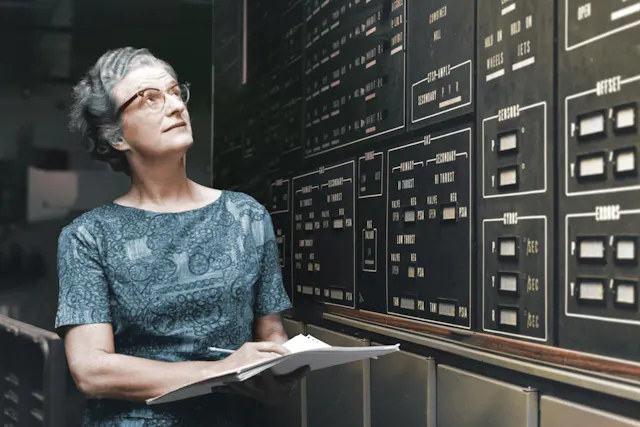
Nasa’s new telescope is named after astronomer Nancy Grace Roman – but who was she?
The US astronomer battled discrimination in a male dominated field.
Picture: Nasa/Esa, CC BY
-
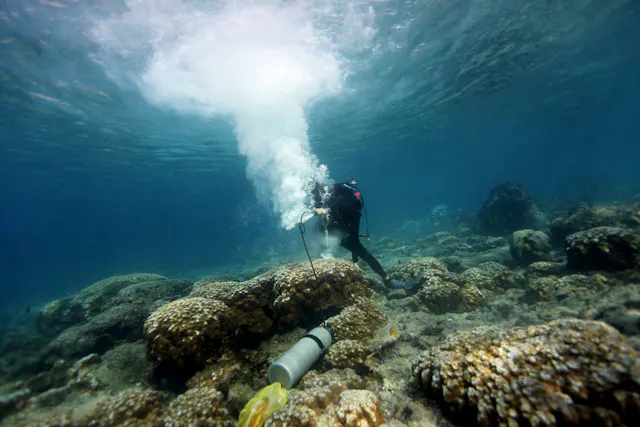
Galápagos corals show El Niño events are more extreme now than in past 1,000 years – here’s how my team made the discovery
Scientists went to the heart of the El Niño pattern to learn from living and fossil corals. The results show El Niño’s intensifying coincides with global warming.
Picture: Atlantic Oceanographic and Meteorological Laboratory - NOAA
-
Want to imagine a better future? Write a poem
In poetry, speculation might help us make sense of what it means to live with an uncertain climate future.
-
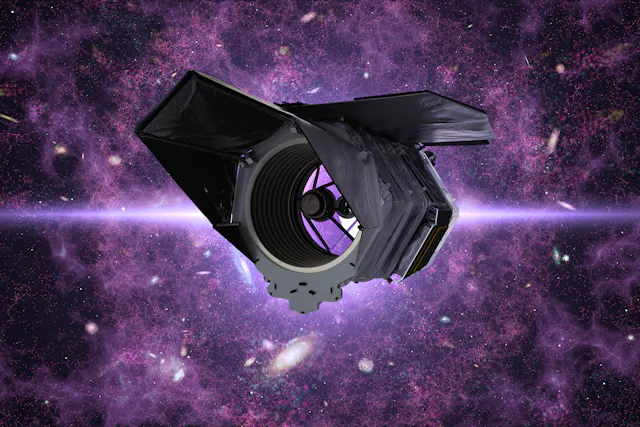
NASA is gearing up to launch its next flagship space telescope – combining spy technology with sophisticated infrared detectors
The Nancy Grace Roman Space Telescope will take a broad survey of space and use it to create a map of the universe.
Picture: NASA
-
AI means there’s no better time to study maths – but degrees are becoming less accessible
We may soon know the answers to many long-standing mathematical problems.
-
Australia’s backdown on data centres allows them to use energy from coal and gas. Here’s what that means
The federal government has softened its initial renewables-only stance.
-
Videos capture humpback whales stopping to snack as they migrate along Australia’s coast
The discovery challenges a long-held assumption about where and when whales feed – and could help us better protect them.
-
From UTA to New Zealand: Protecting coral reefs (opens the original)
Students and faculty join scientists from around the world to address growing threats to coral reefs
-
Australia’s lizards and snakes are in far more trouble than we thought. It’s time to act
Australia is famous for its lizards and snakes. But we found at least 127 species are threatened – almost twice as many as previously thought.
-
Working with nature can help NZ adapt to climate change. Where is the plan to do it?
For nature-based climate adaptation, better data is only one part of the full system required to determine where to act, who decides and how action will be funded.
-
Narwhals are helping scientists map warm water hidden in Greenland’s fjords
Tags on these deep-diving whales are providing vital data from places research ships struggle to reach.
-
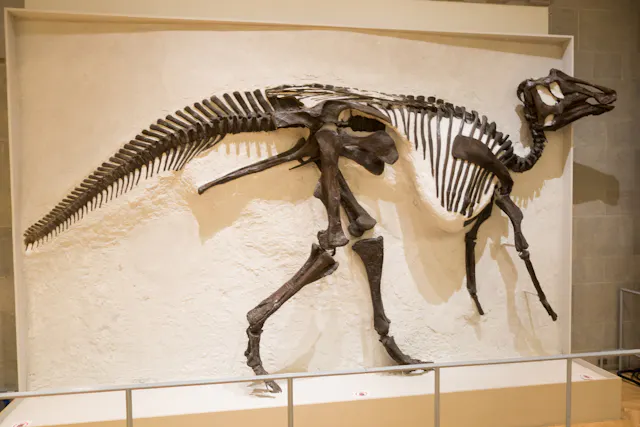
We discovered rare dinosaur tracks from the Coniacian age near Tumbler Ridge, British Columbia
The tracks are the first to be found in Canada from this time period.
-
Nepal-Tibet floods: when disaster strikes before communities recover from previous climate extremes, crisis escalates
Recovery time between climate disasters makes a huge difference to the consequences affecting local people.
-
Why Trump’s plan to rescind the Roadless Rule protecting national forests will struggle in court
The courts have rejected similar arguments before. Meanwhile, maintenance costs are rising, and the Forest Service’s own data contradicts the administration’s wildfire claims.
-
Enabling images of distant worlds (opens the original)
The Roman Space Telescope is designed to directly image exoplanets using complex opto-mechanical systems developed by the Max Planck Institute for Astronomy



Read: The Conversation, CORDIS, ESO, NASA, ScienceDaily and the newsroom feeds of 734 institutions. Last read: today. Each story's date is its publisher's. Where the news comes from, and what each source allows.