Science news
Recent stories from university newsrooms, The Conversation, CORDIS, observatories and ScienceDaily, each sorted into the fields, countries and institutions it is about, and each linked to the original publisher. Narrow them below by subject, country, institution, source, words or period. A signed-in reader can follow any filtered view and be told when a new story matches it.
2,234 stories match these filters.
-
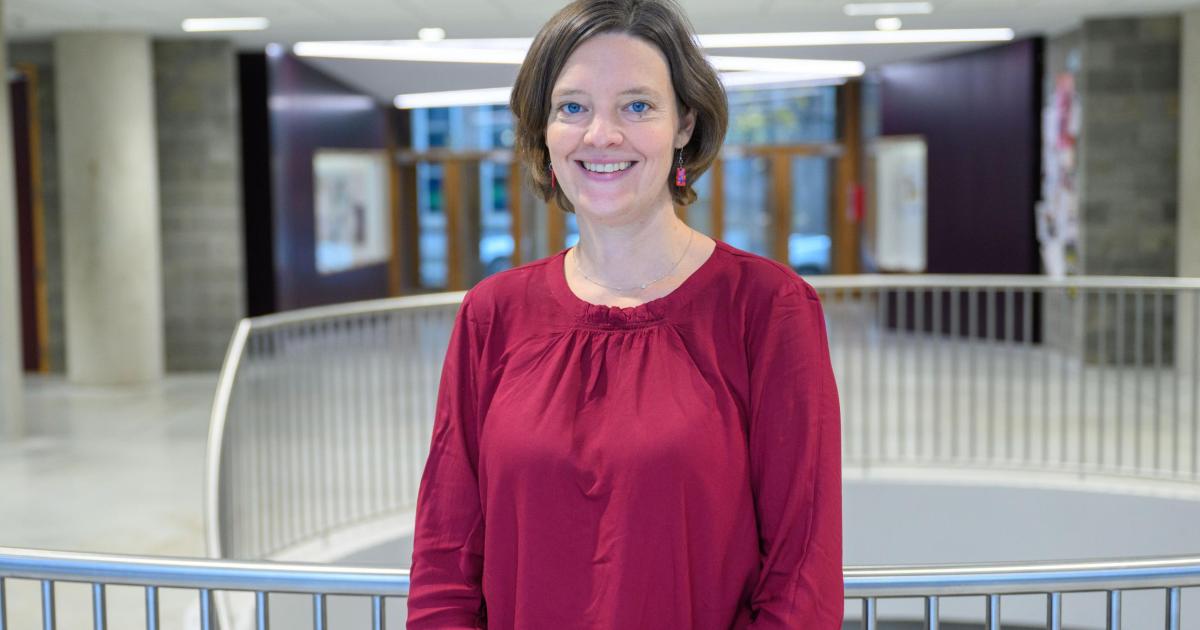
Catherine Linard has been awarded the Francqui-Collen Research Professorship for her research on the spread of infectious diseases (opens the original)
Faculty of Sciences Geography Department Narilis Institute
-
Care Quality Commission (CQC) Adult Inpatient Survey results (opens the original)
The kindness, professionalism and quality of care at St George’s have been praised by patients but tackling noisy wards and our discharge processes could improve, says the CQC The results of the latest Care Quality Commission (CQC) Adult Inpatient Survey show a strong performance across a number of key areas, with
-
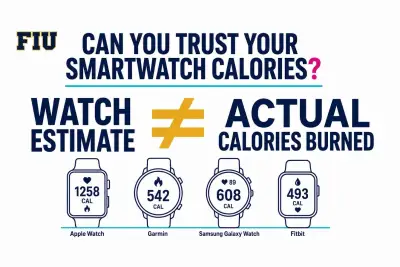
Your smartwatch is lying to you about how many calories you burned in your last workout (opens the original)
A study found that fitness trackers overestimate calories burned, and accuracy worsens as body fat increases.
-
How Mosquitoes Develop Very High Levels of Insecticide Resistance and threaten Public health (opens the original)
Biology & Biotechnology, Disease, Health, Research
-
Professor Kathryn Greenwood wins National Research Delivery Leaders' Prize (opens the original)
Professor Kathryn Greenwood has been named as one of 20 NIHR20 (National Institute for Health and Care Research) Research Delivery Leaders
-
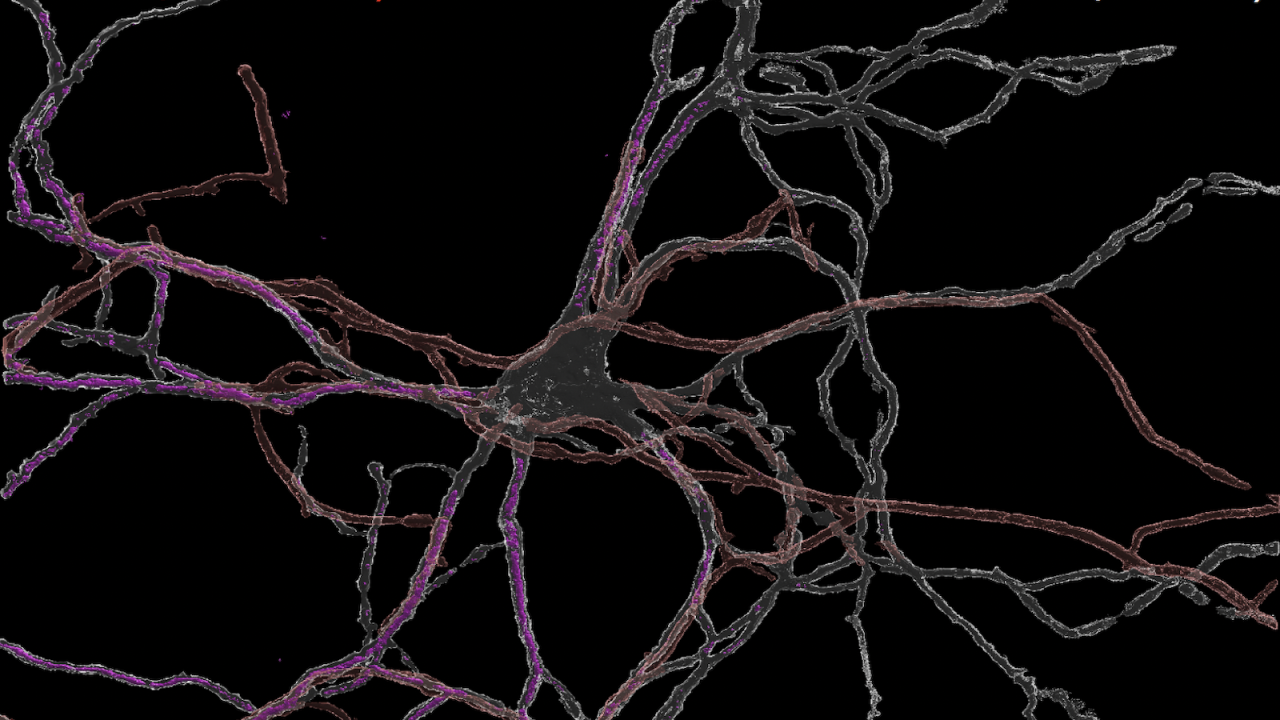
Tau's Surprise Birthplace Offers a Clue to How Alzheimer's Tangles Begin (opens the original)
A new technique may help solve one of Alzheimer’s central mysteries: how normal tau proteins begin their transformation into destructive forms that damage the brain.
-
Bird flu could devastate Macquarie Island. Why are we removing the scientists we need to understand it?
The federal government’s actions could leave the island’s wildlife more vulnerable to H5N1.
-
How does the cancer drug Keytruda work? And how is it different to chemo?
Monoclonal antibody drugs like Keytruda attack cancer cells in a different way to chemotherapy drugs.
-
Not eligible for NDIS, too old for Thriving Kids. What supports should these young people get?
Schools and families shouldn’t just be expected to absorb more responsibility. This is a chance for a radical rethink.
-
Clinical Judgment in Practical Nursing: How Students Learn to Notice and Respond (opens the original)
dharrington@ed… Mon, 31 Aug 2026 - 10:35
-
5 Clinical Skills Medical Assistant Students May Practice in Training (opens the original)
dharrington@ed… Mon, 31 Aug 2026 - 10:23
-
Trust is a behavior, not a credential – and that explains the Rodgers-Fauci divide
Viewing trust as behaviors, not feelings, can help explain why some heed Aaron Rodgers’ advice over Dr. Fauci’s – and what experts can do about it.
-
How does ‘Salmonella’ contaminate everything under the sun? A food safety specialist explains how you can stop its spread
From eggs and jalapenos to dog food, granola and pet turtles – it seems like you can catch a Salmonella infection from just about anything these days.
-
Skin cancer survivors invited to help evaluate new follow-up phone app (opens the original)
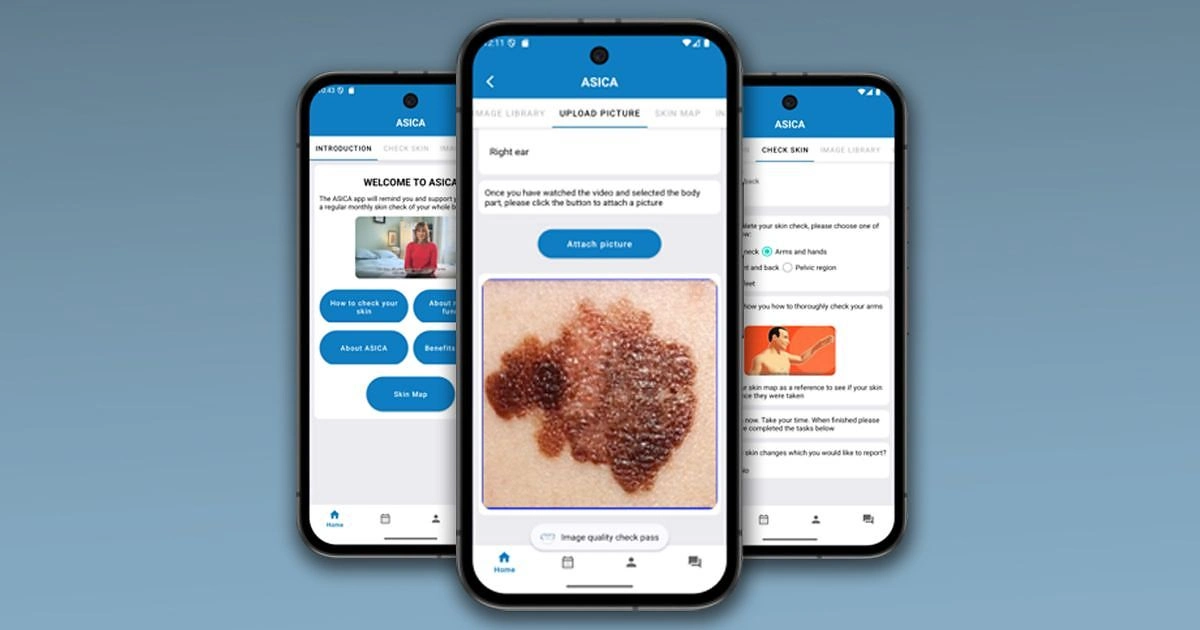
Researchers behind an app designed to support people after skin cancer treatment are inviting former early-stage melanoma patients to take part in its final evaluation tests. Developed by researchers at the University of Aberdeen and the University of Stirling over a number of years, the Achieving Self-directed…
-
Two-week monitor after unexplained fainting identifies life-threatening heart conditions (opens the original)
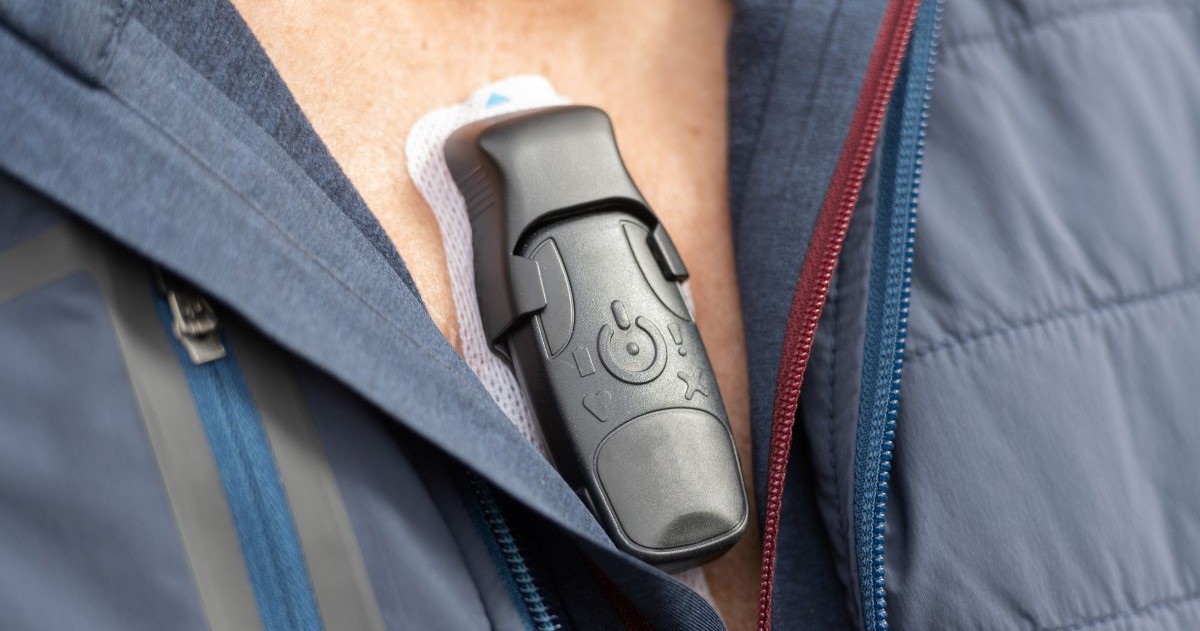
Fitting a wearable heart monitor for 14 days when patients go to A&E with unexplained fainting improves detection of life-threatening heart problems
-
Pioneering new study to tackle bowel cancer (opens the original)
A pioneering new study aims to better understand, and improve treatment, for patients with an aggressive form of bowel cancer associated with some of the poorest survival rates
-
UTA uses AI to advance precision medicine (opens the original)
Researchers aim to predict effective drug combinations and accelerate development of targeted treatments
-
We can’t all be like LeBron James at 41. But these athletes still have lots to teach us about active ageing
Elite athletes share with the rest of us a common underlying physiology and the capacity to adapt significantly to training. It’s never too late to start.




Read: The Conversation, CORDIS, ESO, NASA, ScienceDaily and the newsroom feeds of 734 institutions. Last read: today. Each story's date is its publisher's. Where the news comes from, and what each source allows.