Science news
Recent stories from university newsrooms, The Conversation, CORDIS, observatories and ScienceDaily, each sorted into the fields, countries and institutions it is about, and each linked to the original publisher. Narrow them below by subject, country, institution, source, words or period. A signed-in reader can follow any filtered view and be told when a new story matches it.
823 stories match these filters.
-
Farmer-poet Wendell Berry’s environmental ethics were deeply rooted in his Christian faith and belief in caring for creation
Berry’s belief that humans have a responsibility to care for God’s creation traces back to the Book of Genesis. So does an opposing argument for environmental exploitation.
Picture: Festival of Faiths, CC BY
-
How can stressed mitochondria actually protect your heart? (opens the original)
LA JOLLA—Mitochondria are popularly known as the “powerhouse of the cell,” but these cellular structures do so much more—including acting as signaling hubs. Some signals that mitochondria send can reprogram the activity of the entire cell by switching “on” or “off” different genes through epigenetic changes…
-
A record-shattering El Niño is almost here. Here’s what that means for the world’s weather
It threatens to compound the worst effects of climate change.
-
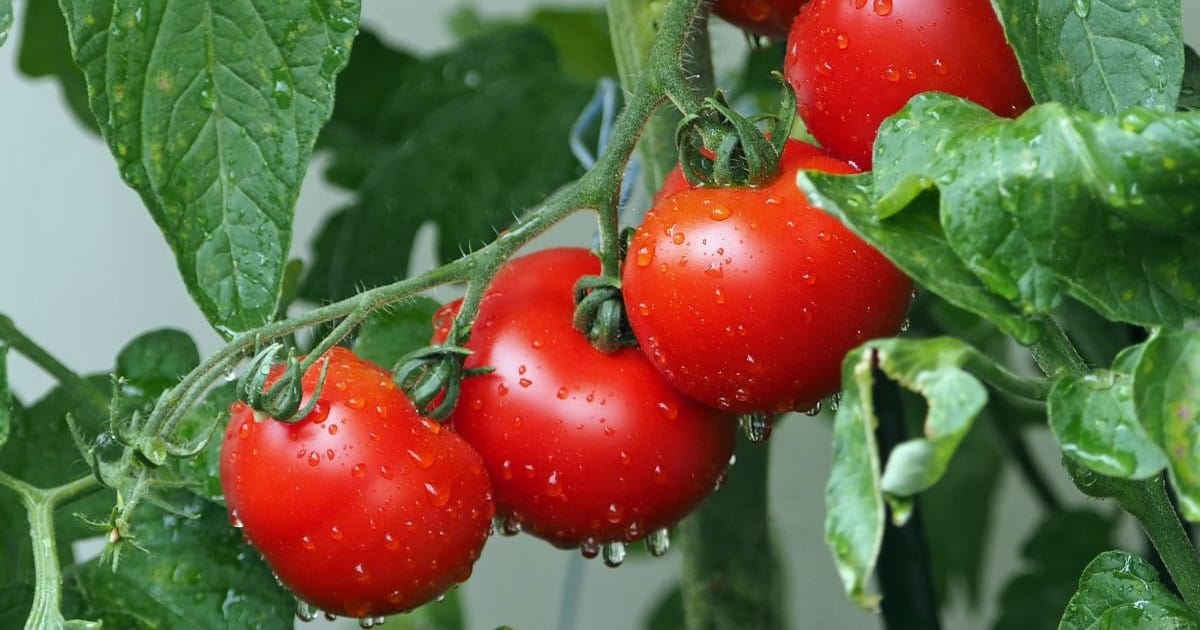
Beneficial bacteria protect tomatoes and promote plant growth (opens the original)
INRS discovery paves the way for more sustainable solutions for Quebec growers.
-
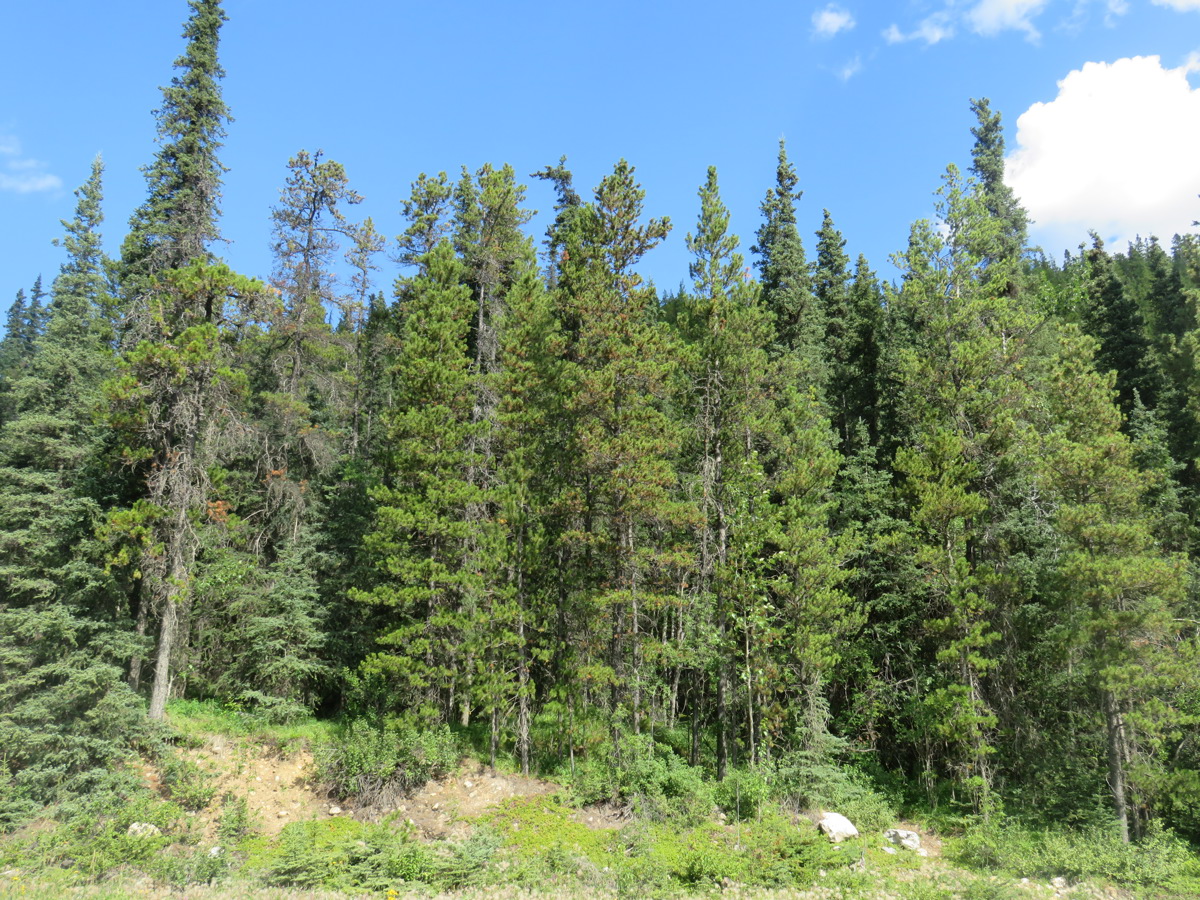
Exotic Pines do the “Impossible” – by Both Growing Faster and Resisting Drought (opens the original)
Exotic conifers can defy ecological expectations by simultaneously growing faster and showing greater resistance to drought. A new study published in Nature, with contributions from Swedish forest growth data shows how unique advantages in non-native pines can help build climate resilient forests.
-
Inside the Synergy Projects 2026: Understanding how tumours evolve (opens the original)
Two Synergy Projects explore processes that can shape how cancer cells change. Researchers are investigating the role of cell metabolism in genome stability and developing a new way to study DNA repair after chemotherapy.
-
Caterpillar twitches in an ultraquiet chamber are helping biologists understand how these insects hear without ears
Scientists give caterpillars haircuts and put them in a room isolated from sound to figure out how they’re able to hear without ears.
-
New MRI method could help track Huntington’s disease and its treatments
A new technique can reveal cellular changes linked to the disease that were previously visible only in brain tissue after death.
-
Is sleep training likely to help or harm your baby?
Sleep is a learnt skill. While some babies learn to go to sleep easily, others need more help.
-
Plants sense damage to neighbouring roots - and grow away (opens the original)
Below ground, plant roots grow alongside those of neighbouring plants, but little is known about how they respond when a neighbouring root is damaged. In her doctoral thesis, Julie Ducla shows that healthy plants can detect this damage and redirect their root growth away from it.
-
New gene activation tool may do what CRISPR cannot: work inside the body, (opens the original)
As genome sequencing becomes more common in medicine, experts say the field needs new standards to help realize its full potential.
-
How does the cancer drug Keytruda work? And how is it different to chemo?
Monoclonal antibody drugs like Keytruda attack cancer cells in a different way to chemotherapy drugs.
-
Farming can help drive southern Africa’s growth if countries in the region make trade easier
Trade within the Southern African Development Community is an issue holding back agriculture.
-
Trust is a behavior, not a credential – and that explains the Rodgers-Fauci divide
Viewing trust as behaviors, not feelings, can help explain why some heed Aaron Rodgers’ advice over Dr. Fauci’s – and what experts can do about it.
-
What would you see if you had one eye on the back of your head and the other in the front?
Some animal species have their eyes positioned on their heads differently than how people do – and it comes with pluses and minuses for how they see.
-
Worms navigate narrow paths faster than wide ones – these findings could inform robot design
Scientists studied active matter systems by racing worms through tubes – to unexpected results.
-
Nairobi’s expansion is swallowing up rural land: new book reveals the impacts on families
Urbanisation is experienced through growing tensions within families over precious yet meagre plots of land.
-
Thammasat Launches New Longevity-Focused Food Science Program (opens the original)
Thammasat launches a Health Food Product Development and Anti-Aging program to train new food scientists.
-
New study reinforce the positive impacts of lifestyle changes on cognitive health and dementia risk
Physical exercise, a proper diet, cognitive training, clinical monitoring, and socialization improve cognitive performance by 55% among older adults in Latin America.




Read: The Conversation, CORDIS, ESO, NASA, ScienceDaily and the newsroom feeds of 734 institutions. Last read: today. Each story's date is its publisher's. Where the news comes from, and what each source allows.