Science news
Recent stories from university newsrooms, The Conversation, CORDIS, observatories and ScienceDaily, each sorted into the fields, countries and institutions it is about, and each linked to the original publisher. Narrow them below by subject, country, institution, source, words or period. A signed-in reader can follow any filtered view and be told when a new story matches it.
2,234 stories match these filters.
-
Gut bacteria linked to progression of severe liver disease PSC (opens the original)
Bacteria in the gut can influence how serious a liver disease becomes, according to new research. The findings strengthen the idea that signals from the gut can worsen disease in the liver, and they point to medicines that might help patients in the future.
-
The pastry paradox: why are the Danes slimmer than Britons?
Denmark eats more sugar than Britain and invented the Danish pastry, yet far fewer Danes are obese. What are they doing differently?
-
New national research centre sets sights on improving ear health for Indigenous children (opens the original)
Professor Kelvin Kong has been awarded $3m to lead a national centre tackling ear infections and hearing loss in Aboriginal and Torres Strait Islander kids.
-
Testosterone maxxing is all the rage – but when it comes to fatherhood, less might be more
Becoming a father naturally drops men’s testosterone levels. And the more involved they are, the more it drops.
Picture: Dylan Sauerwein/Unsplash
-
I’m trying to lose weight. Will exercising make me hungrier and eat more?
Many people report exercise makes them incredibly hungry. Here’s what might be going on.
-
UF Health hospitals in Northeast Florida earn consecutive national stroke care recognition (opens the original)
JACKSONVILLE, Fla. — For the second straight year, UF Health Jacksonville and UF Health St. Johns have earned American Heart Association Get With The
-
FIU student startup PolarDoc named global Hult Prize finalist for preterm birth technology (opens the original)
Nominated as a finalist in the 2026 EF Hult Prize, PolarDoc is helping to move FIU’s patented PPRIM imaging device closer to clinical use.
-
Brazilian meat, antibiotics and superbugs: what you need to know
Antibiotic resistance is not only a hospital problem. Farming, food production and import standards also play a role.
-
What is post-workout fatigue – and can you prevent it?
Food, fluids, sleep and time can all be useful strategies for bouncing back after a workout.
-
Finalists announced for North Metropolitan Health Services 2026 GEM Awards (opens the original)
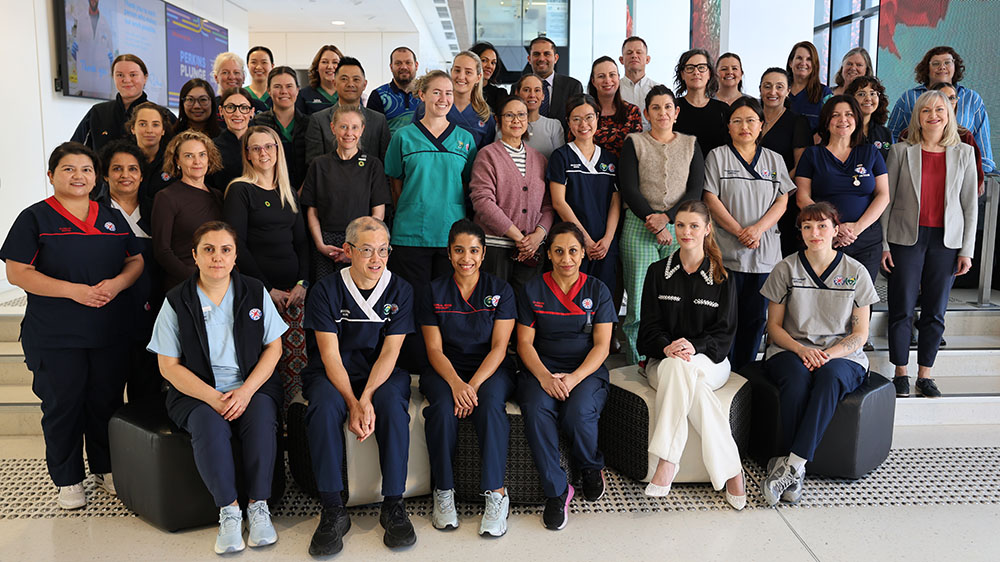
Congratulation to this year’s finalists of the North Metropolitan Health Service Go the Extra Mile (GEM) Awards. The annual awards recognise the outstanding work being done throughout our health service and recognise our ongoing commitment to delivering the best outcomes and highest levels of care for our patients…
-
ERC Starting Grants to researchers in linguistics and neuro-oncology (opens the original)
Researchers Eline Visser, Department of Linguistics and Philology, and Verónica Rendo, Department of Immunology, Genetics and Pathology, have received ERC Starting Grants Grants from the European
-
Stirling team develops precise new method to analyse secretions from individual salmon lice (opens the original)
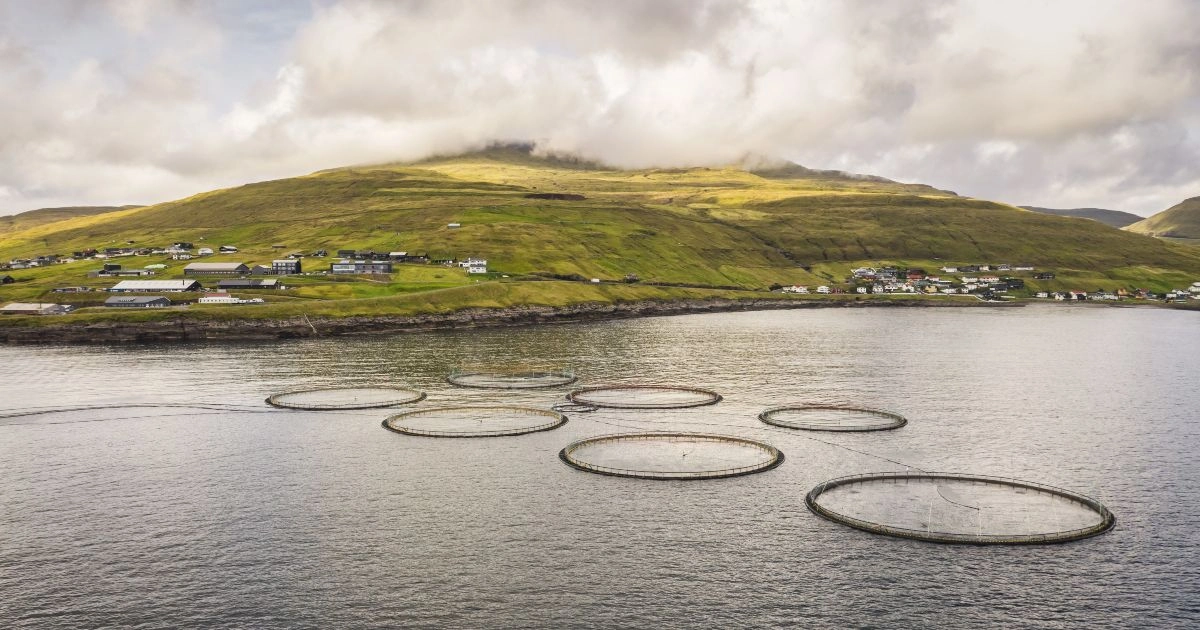
A University of Stirling study could pave the way for the more efficient study of the secretions that salmon lice use to avoid fish defences, potentially enabling the development of new strategies to protect salmon from infestations. Research led by PhD researcher Alexander Dindial alongside Professor James Bron and…
-
New analysis paves the way towards improving outcomes for people with kidney and cardiovascular conditions in Greater Manchester (opens the original)
Carnall Farrar (CF) and Health Innovation Manchester (HInM) have published the first population-level analysis of chronic kidney disease (CKD) and its cardiovascular impact in Greater Manchester.
-
Are petting zoos safe?
Petting zoos can be a lot of fun for all the family. But a recent tragic case reminds us there are infection risks.
-
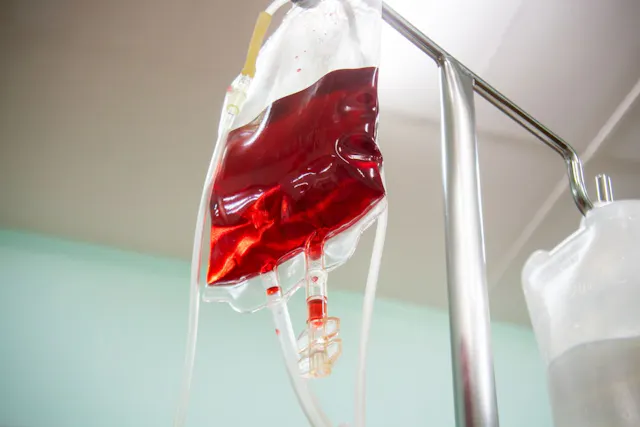
Thousands of Australians received infected blood, over decades. Now they’ll have their say
Thousands of Australians unwittingly contracted HIV and hepatitis C before donated blood was routinely tested. Could a new Senate inquiry mean fairer compensation?
Picture: panumas nikhomkhai/Pexels
-
A 20-Year Friendship Is Bringing a New Approach to Wound Rehabilitation at Walter Reed (opens the original)
Two Uniformed Services University classmates reunite to expand advanced laser and rehabilitation care for wounded warriors at Walter Reed. Left: Air Force Reserve Col. (Dr.) Thomas M. Beachkofsky performs a dermatologic skin examination. Right: Army Col. (Dr.) Austin Cox takes part in a laser cutaneous rehabilitation…
-
New contemplative studies major explores mind, body and consciousness (opens the original)
Faculty collaborated to create the new major, available beginning this fall.










Read: The Conversation, CORDIS, ESO, NASA, ScienceDaily and the newsroom feeds of 734 institutions. Last read: today. Each story's date is its publisher's. Where the news comes from, and what each source allows.