Science news
Recent stories from university newsrooms, The Conversation, CORDIS, observatories and ScienceDaily, each sorted into the fields, countries and institutions it is about, and each linked to the original publisher. Narrow them below by subject, country, institution, source, words or period. A signed-in reader can follow any filtered view and be told when a new story matches it.
3,061 stories match these filters.
-
Yes, passing 1.5 C of global warming is cause for alarm, but not despair
Exceeding 1.5 C of global warming is a giant warning flag telling us not to give up, but to redouble our efforts to slam on the brakes on climate change.
-
Detecting Nanoparticles Using X-Ray Films Composed of Two Images (opens the original)
A long-standing dream of researchers working with ultrashort X-ray pulses has been to observe changes in nanoparticles
-
SRON and CNES define joint interests in Earth Observation (opens the original)
After signing a Letter of Intent last year during the Netherlands-France economic year, SRON and CNES have defined their joined interests in a white paper. In collaboration with national research partners. They will collaborate on monitoring greenhouse gases, air quality, key pollutants and aerosols.
-
Isle of Jura research casts new light on how rivers carve through landscapes (opens the original)
The waters of the remote Scottish island of Jura have long been famous for making whisky. Now, the island’s rivers have helped geologists learn more about how rivers erode rocks, providing new evidence that what streams carry play an important role in how they carve through landscapes.
-
How Indigenous Protected Areas became a vital way to protect nature in Australia
Since the first pilot program in 1998, Australia’s Indigenous Protected Areas have grown hugely. How can we strengthen them for the future?
-
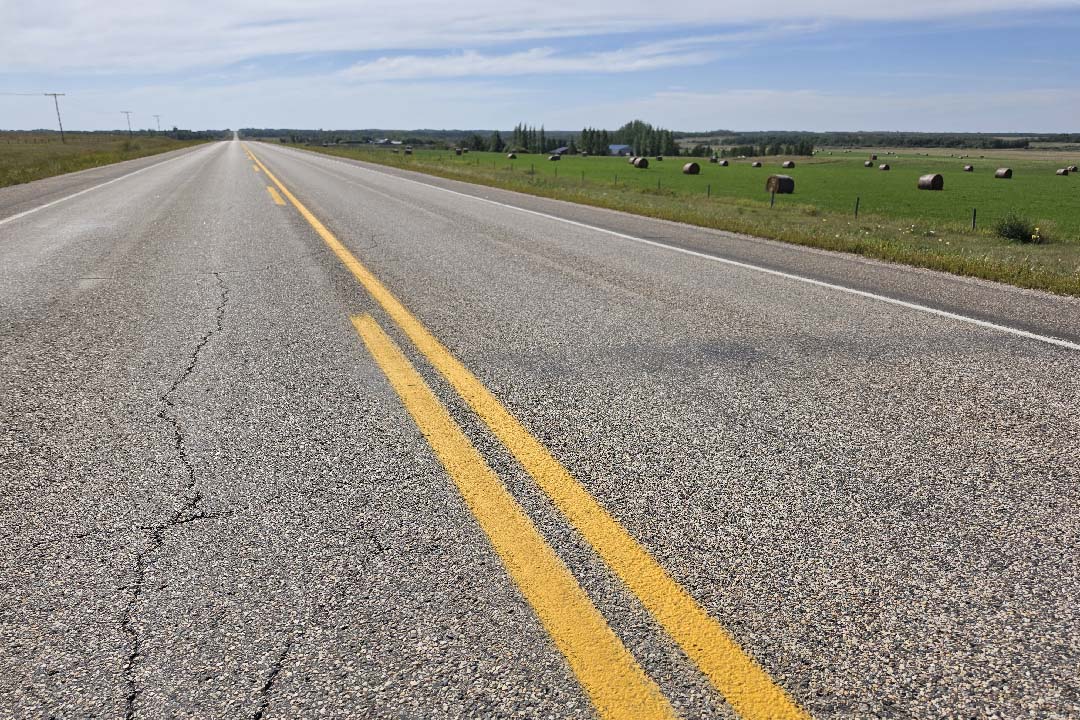
USask, Government of Saskatchewan exploring canola oil-based road paints (opens the original)
The new research project will determine if agriculturally produced oils could create a sustainable and home-grown option for highway paints
-
International engineering award for UofG detector expert (opens the original)
A University of Glasgow engineer has received a major international award for his pioneering work to develop advanced detector technologies.
-
Testosterone maxxing is all the rage – but when it comes to fatherhood, less might be more
Becoming a father naturally drops men’s testosterone levels. And the more involved they are, the more it drops.
Picture: Dylan Sauerwein/Unsplash
-
The MEPhI scientist has written two monographs on quantum security and protection of digital platforms from quantum attacks (opens the original)
Two books by Alexey Petrenko, an associate professor at MEPhI, have been published in Russia and abroad on the current topic of post-quantum information security. Today, quantum technologies are in the spotlight of the scientific and business community. At the same time, ensuring the quantum Resilience of key digital…
-
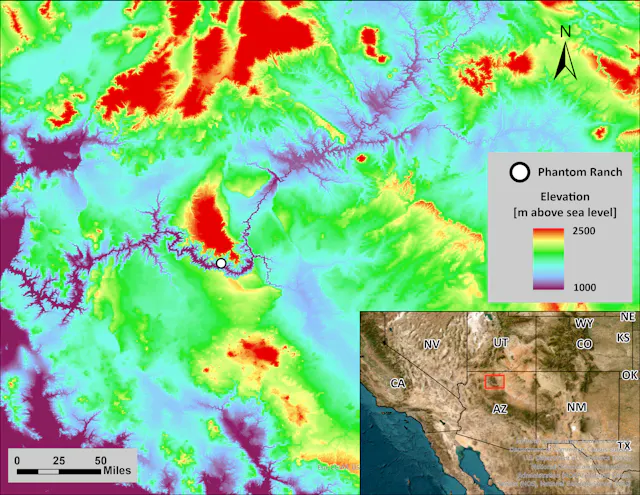
Hiking canyons can be dangerous when storms hit – what you need to know to stay safe
After the deadly Grand Canyon flood, a geologist and avid hiker explains what nature lovers need to prepare and watch for to stay safe.
-
Canada’s changing climate (opens the original)
The impact of global climate change is affecting every region of Canada. From coast-to-coast-to-coast, we are experiencing rising temperatures, changing precipitation patterns, declining snow and ice cover, changing freshwater availability, rising sea levels, increasing wildfire risk, and more frequent and severe…
-
Chemistry is changing the way researchers develop AI technology (opens the original)
While most believe artificial intelligence is changing science, researchers at the University of Notre Dame are exploring the reverse.
-
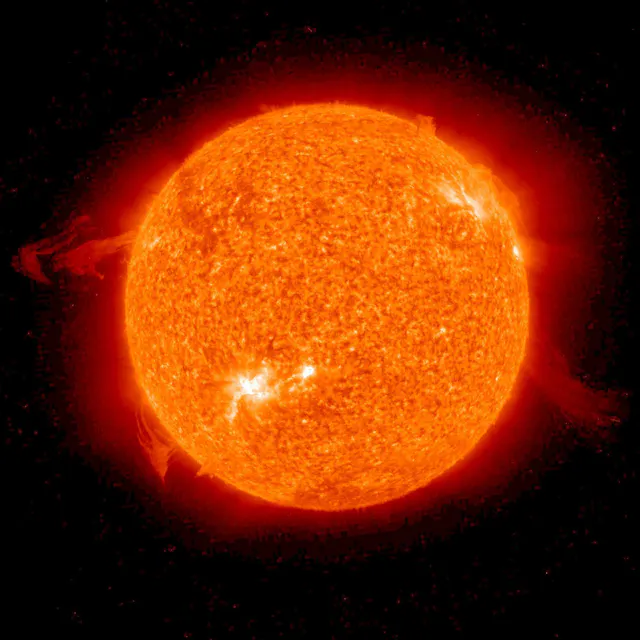
Do you need to worry about the Sun turning into a black hole?
Some stars turn into black holes at the end of their lifespans, once they stop burning the fuel in their cores.
Picture: NASA/GSFC/SOHO, CC BY
-
AI skin cancer detection tools are getting better – but only for people with light skin
These apps and software programs could provide access to lifesaving screening – if researchers can find a way to remove the baked-in bias.
-
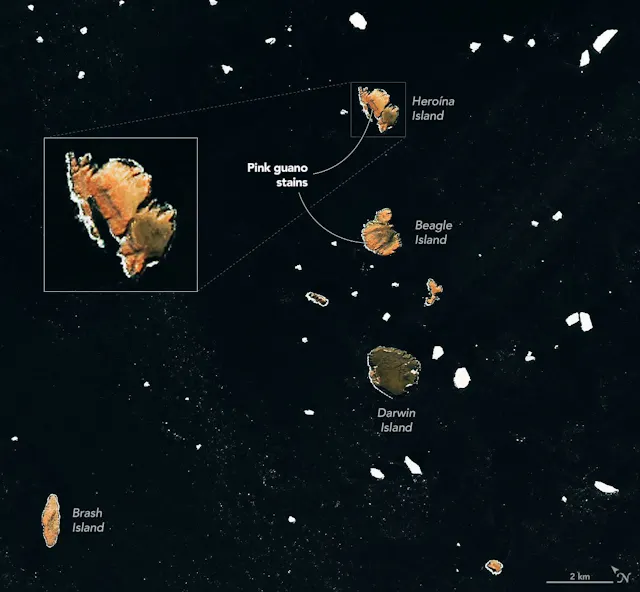
Satellite images show how penguins’ diets are changing in response to Antarctic climate change
When penguin colonies are surrounded by sea ice, the penguins tend to eat more fish, rather than krill. And colonies that eat more fish are more successful at sustaining their numbers.
-
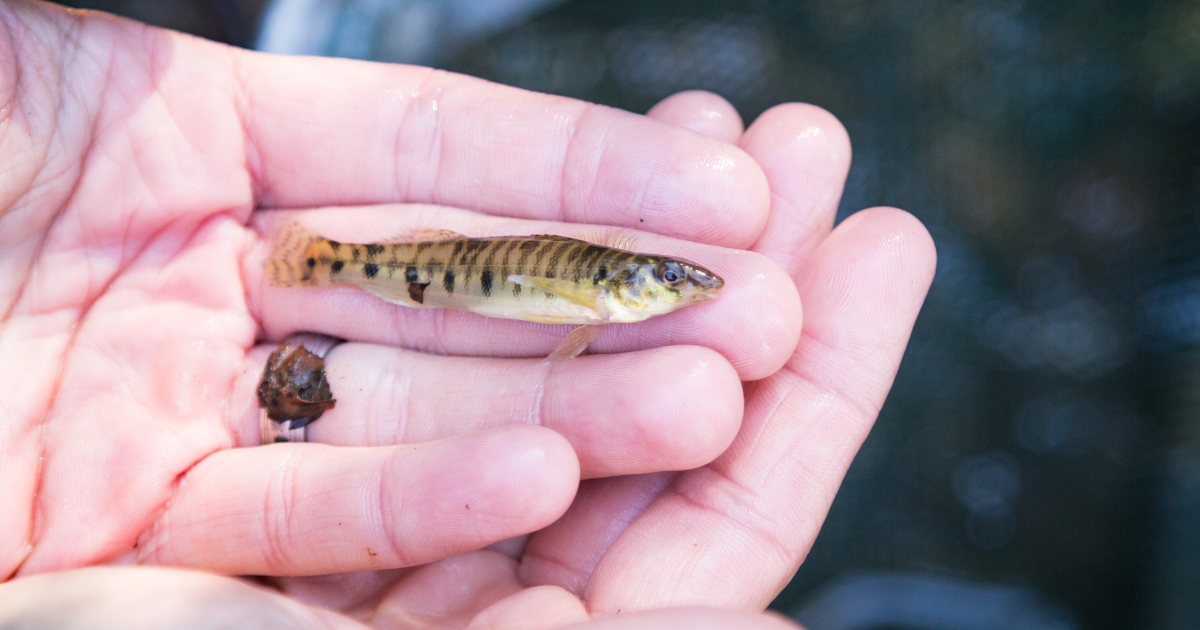
Listing not warranted for the Chesapeake logperch (opens the original)
The Chesapeake logperch is not currently in danger of extinction or likely to become endangered in the foreseeable future, thanks to proactive, collaborative partner initiatives to assess and address conservation needs. Efforts to improve Chesapeake logperch habitat have allowed the species to
-
NLR Campus To Host US Department of Energy Geothermal Center of Excellence (opens the original)
DOE announced the establishment of a Geothermal Center of Excellence on NLR’s campus to help advance geothermal energy through collaboration, research, and innovation.






Read: The Conversation, CORDIS, ESO, NASA, ScienceDaily and the newsroom feeds of 734 institutions. Last read: today. Each story's date is its publisher's. Where the news comes from, and what each source allows.