Science news
Recent stories from university newsrooms, The Conversation, CORDIS, observatories and ScienceDaily, each sorted into the fields, countries and institutions it is about, and each linked to the original publisher. Narrow them below by subject, country, institution, source, words or period. A signed-in reader can follow any filtered view and be told when a new story matches it.
3,061 stories match these filters.
-
Auckland has an overlooked traffic pollution problem – and it’s not from exhausts
New research highlights the overlooked role of road dust in Auckland’s air pollution, with heavy vehicles having an outsized impact.
-
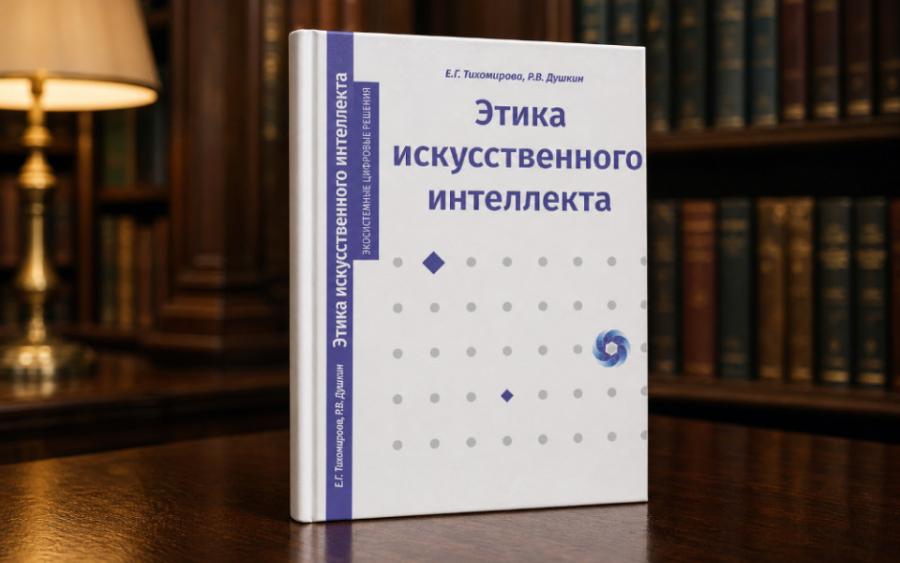
Scientists from MEPhI have written Russia’s first textbook on AI ethics (opens the original)
The book “Ethics of Artificial Intelligence” has been published in Russia — it is the country’s first textbook that combines classical philosophical ethics with engineering methods for formalizing moral norms in artificial intelligence architectures. The authors of the book are Ekaterina Tikhomirova, a professor at…
-
Podcast: AI and wearable devices (opens the original)
Mark Hersam an NSF-supported researcher, discusses nanoelectronic materials and how a cerebellum-inspired approach may transform how AI performs in wearable devices
-
Picking up garbage less often could help Canadians recycle more
New research suggests municipalities could improve recycling and composting rates by changing how often they collect garbage and organics.
-
Too hot to learn: how climate change hurts children’s chances from birth
Floods, droughts and extreme heat can disrupt nutrition and healthcare in early life, with consequences that may last for years.
-
UT Researchers in Electrical Engineering and Computer Science Receive NSF CAREER Awards (opens the original)
Tickle College of Engineering faculty have developed projects to address local and national issues.
-
Q and A with the Experts: What is “Claudish”? (opens the original)
How AI coding agents are changing the way we communicate
-
Future Makers Award: Smart & Social City (opens the original)
How do you measure changes in the brain that are so small you can barely see them? Students from the Biology and Medical Laboratory Research (BML) programme teamed up with researchers from Erasmus MC at the HR Data lab EAS to find the answer. With their project ‘Mouse Brain Analysis: Small Brain, Big Impact!’, they…
-
How the chemistry of Star Trek changed my life – from a gunpowder plot to ‘red hellfire’
Was my career choice inspired by Star Trek? Indubitably.
-
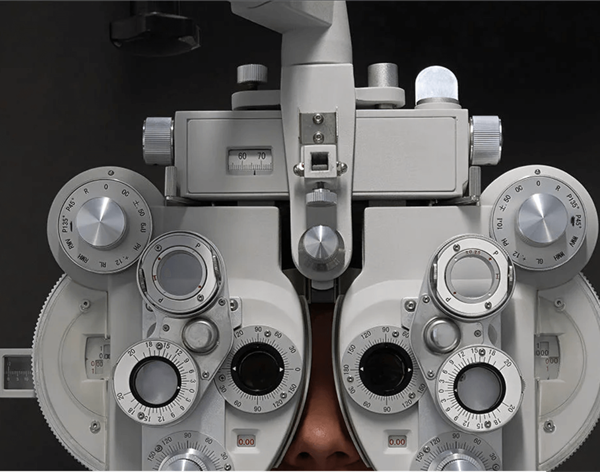
DMU's new Optometry course receives professional approval (opens the original)
De Montfort University (DMU), Leicester, UK offers a whole range of undergraduate, postgraduate and research courses. View our courses, book a visit and more
-
DMU's new Optometry course receives professional approval (opens the original)
De Montfort University (DMU), Leicester, UK offers a whole range of undergraduate, postgraduate and research courses. View our courses, book a visit and more
-
Chris and Christina on bottom-up change (opens the original)
Science philosopher and climate activist Chris Julien and student and co-founder of De Pit, Christina van Beek, discuss what stands in the way of change and how to break through the status quo.
-
What anglers have taught me about saving England’s sharks
Scientists are working closely with anglers to track the lives of sharks in English waters.
-
A court will decide the future of Yuraygir’s feral horses. That matters for native plants and animals
Feral horses can inflict major ecological damage, as two experts explain.
-
We’re not protecting our oceans as well as we think: new research
Overfishing and poor enforcement are just two reasons marine ecosystems are struggling to recover.
-
Fire and floods are usually treated as separate hazards. Portugal’s Pinhal Interior shows why they are part of the same cycle
As storms, wildfires, and floods strike in ever-closer succession, an architect with disaster risk science expertise explains why resilience is built between hazards, not during them.
-
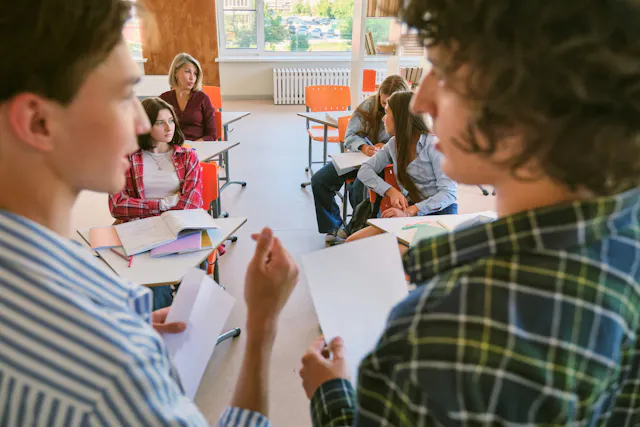
The listening gap is real — how AI might help teachers bridge it
The very tool that generates disinformation and slop could also, when used well, be a catalyst for teaching youth to listen.
Picture: (Andrej Lisakov/Unsplash)





Read: The Conversation, CORDIS, ESO, NASA, ScienceDaily and the newsroom feeds of 734 institutions. Last read: today. Each story's date is its publisher's. Where the news comes from, and what each source allows.