Science news
Recent stories from university newsrooms, The Conversation, CORDIS, observatories and ScienceDaily, each sorted into the fields, countries and institutions it is about, and each linked to the original publisher. Narrow them below by subject, country, institution, source, words or period. A signed-in reader can follow any filtered view and be told when a new story matches it.
823 stories match these filters.
-
Fewer than 2% of Africans who need hearing aids have them, but new solutions offer hope
Every dollar invested in hearing care returns about $16. So why are 98% of Africans who need a hearing aid still going without one?
-
How ‘positive’ stress could improve the welfare of zoo animals
You can have too much of a good thing.
-
International Research on Bioengineering of the Mitochondrial Genome (opens the original)
Press Release No. 94/2026 9 September 2026 Heidelberg molecular biologists Nora Vögtle and Michael Knop to participate in a consortium of the Advanced Research + Innovation Agency in the United Kingdom Novel genetic engineering approaches are to enable targeted interventions in the genome of mitochondria – that is…
-
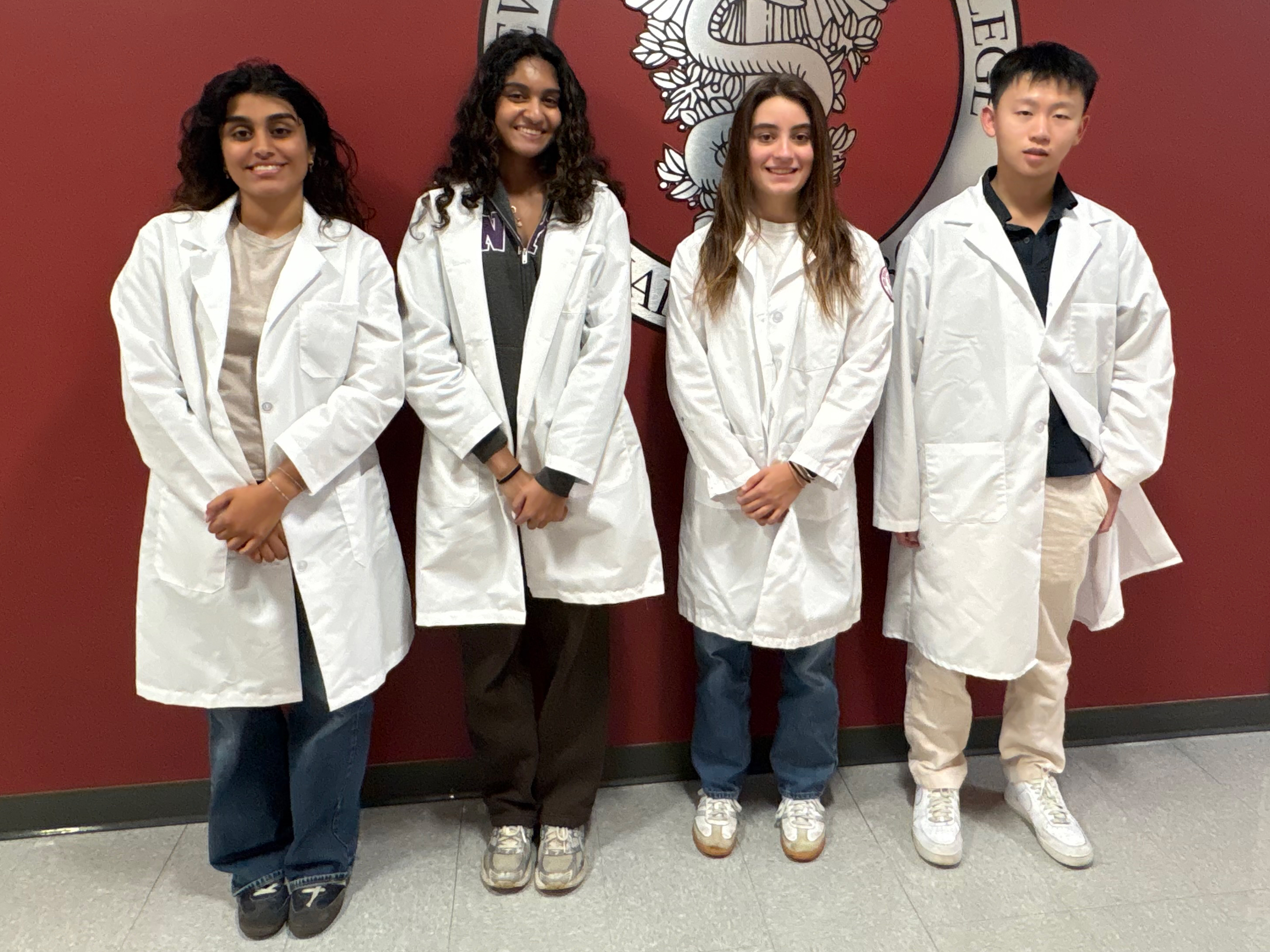
Emerging Scientists Tackle Tick-Borne Disease Research (opens the original)
Dana Mordue, Ph.D., Opened Her Lab This Summer to Mentor High School and College Students
-
We designed a new way to build miniature fluidic devices to enable personalized cancer treatment
The devices make tumour-on-a-chip technology easier and cheaper to build, with the hope they can be moved into clinical use for personalized cancer treatment.
-
Uncovering how a key RNA works sheds light on one of the major challenges in modern biology (opens the original)
For years, proteins have taken centre stage in biology because they are the main executors of cellular functions. More recently, however, new players have emerged: long non-coding RNAs, RNA molecules that do not encode proteins but nevertheless take part in processes that are essential for cell survival. These…
-
Hidden immune cells may hold key to tackling female infertility (opens the original)
University of Manchester scientists have uncovered a hidden role for immune cells in the womb, opening the door to new treatments for infertility, miscarriage and other reproductive conditions that affect millions of women worldwide.
-
Centromere: At the Crossroads of Function and Evolution (opens the original)
Cell division is a vital biological process crucial for growth, development, and reproduction. When this process fails, cells may malfunction or die. The central player in this process is the centromere, a key region of the chromosome responsible for cell division.
-
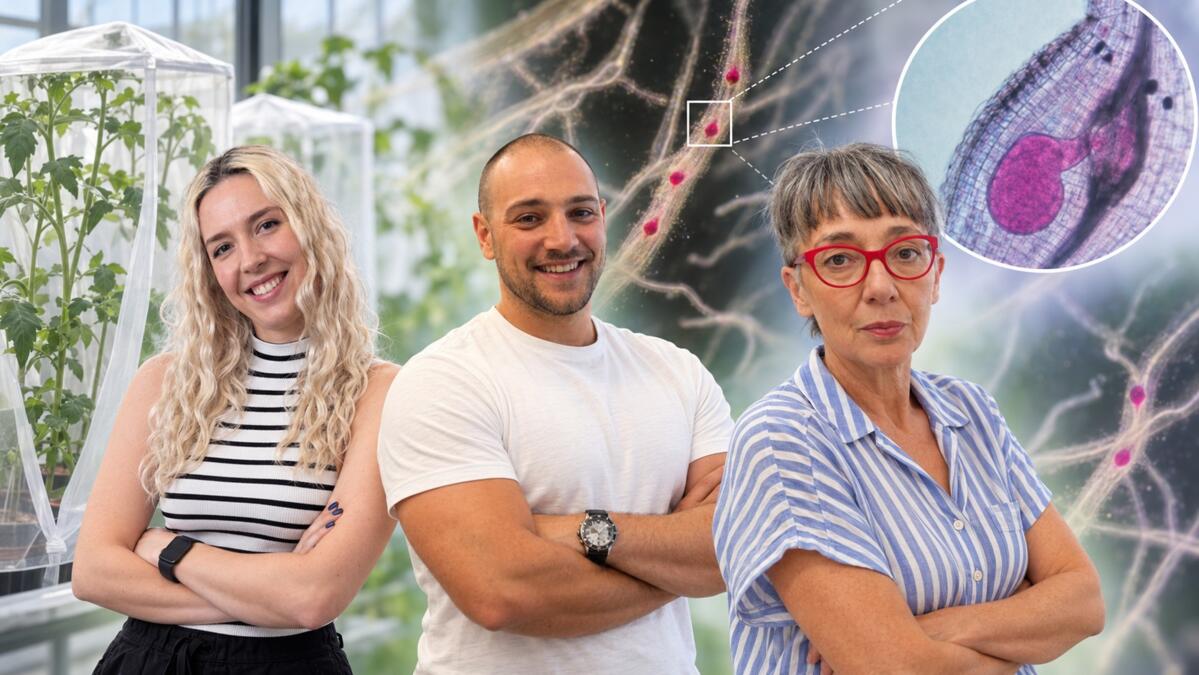
Optimizing tomato plant growth with microbes (opens the original)
Researchers 研究者名 Sugiyama, Akifumi Activity Database on Education and Research Masaru Nakayasu researchmap Overview Kyoto, Japan -- Plants are home to a diverse array of microorganisms that support their growth and help them adapt to environmental stress -- of which there has been an abundance of late. High…
-
Why should we care if there aren’t any squished insects on our windscreens?
Insects are under threat partly because of man-made climate change, heatwaves and intensive farming.
-
Farmers can now produce more of their own energy than ever – but will they?
Self-reliance is important for many Australian farmers. But could farms ever become self-reliant in energy?
-
Can removing your fallopian tubes really reduce your risk of ovarian cancer?
Ovarian cancer has a particularly poor survival rate. Only one in two women will live five years beyond their diagnosis.
-
Basic Needs Food Distribution - Sept. 9 (opens the original)
ncruz Mon, 09/07/2026 - 13:02 Free produce! Bring a friend and a bag to pick up fresh fruits, vegetables, and other goodies to fuel your studies and your day. Sponsored by the College of Marin Basic Needs Hub and the SF Marin Food Bank. Wednesday, September 9 10:30 am – 12:30…
-
Eating a handful of nuts each day is linked with lower risk of high blood pressure, our research shows
Consuming between 30-35g of nuts daily was linked with a 26% lower risk of hypertension.
-
The Long Version by Petra Hůlová is about a middle-aged feminist caught between the past and future
Sylvie feels like her radical world only exists in the past and as she gets older her choices and world are shrinking.
-
Saltwater flooding could radically change which crops are worth growing
The places most exposed to saltwater flooding, especially the low-lying Fenlands, are also some of the most productive farmland in the UK.
-
Inside the brain: Rethinking the mechanisms of Alzheimer’s disease
Our understanding of the causes of Alzheimer’s disease is evolving. Recent discoveries have revealed the important role of the cerebral vascular system.
-
Why do I crash at 3pm? The science behind the ‘afternoon slump’
Don’t dread the ‘afternoon slump’. Here’s what you can do to combat it.
-
5,500 sheep were stolen from a remote farm. But most farm crime remains hidden
The alleged theft of thousands of sheep in Queensland shows how difficult it can be to detect and prevent farm crime.
-
Science uncovers how the brain interprets artistic beauty
An MRI study zeroes in on the brain networks that underline collective appreciation of art.




Read: The Conversation, CORDIS, ESO, NASA, ScienceDaily and the newsroom feeds of 734 institutions. Last read: today. Each story's date is its publisher's. Where the news comes from, and what each source allows.