Science news
Recent stories from university newsrooms, The Conversation, CORDIS, observatories and ScienceDaily, each sorted into the fields, countries and institutions it is about, and each linked to the original publisher. Narrow them below by subject, country, institution, source, words or period. A signed-in reader can follow any filtered view and be told when a new story matches it.
3,061 stories match these filters.
-
Gaze into eyes—without recognizing (opens the original)
A medical informatics team at Jena University Hospital has introduced a privacy-compliant method for the AI-driven generation of realistic eye images
-
Three Mathematicians Join ISTA Faculty (opens the original)
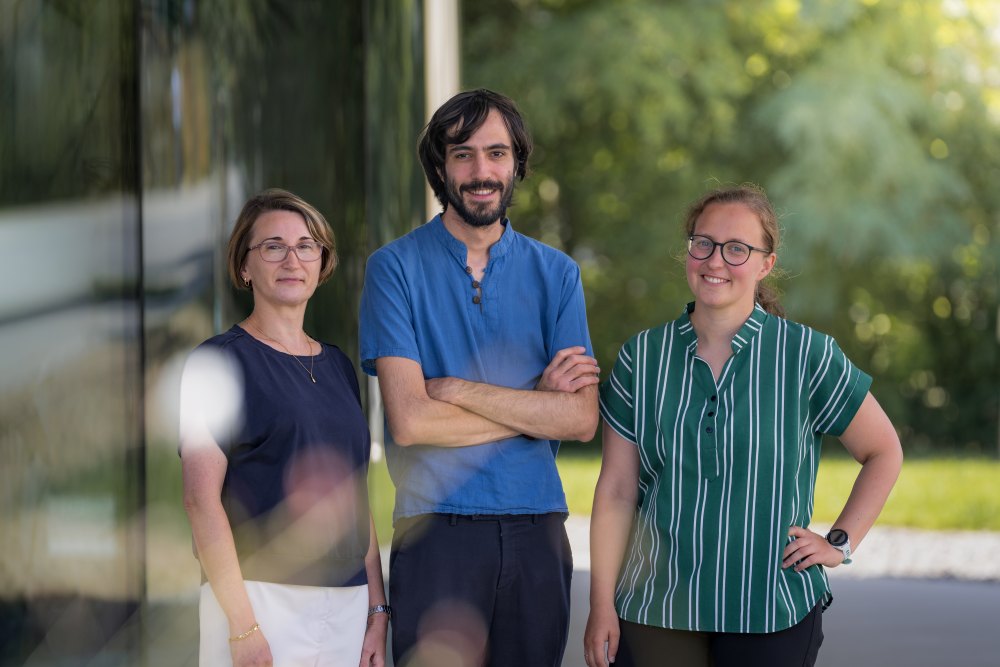
This September, Monica Vișan joins the Institute of Science and Technology Austria (ISTA) as Professor and Vivian Kuperberg and Yuval Wigderson join as Assistant Professors. Their research ranges from the apparent randomness of primes to wave propagation and the structure of discrete systems. Each will pursue…
-
OpenAI claims another huge mathematical result amid fights over credit, ethics and privacy
OpenAI found a solution to the long-standing Navier-Stokes problem. Not everyone is happy about how they did it.
-
Robotics Innovation Center Earns LEED Platinum Certification for Sustainable Construction (opens the original)
Carnegie Mellon University’s Robotics Innovation Center (RIC) is the first CMU project to earn Platinum Certification from the U.S. Green Building Council’s Leadership in Energy and Environmental Design (LEED) program.
-
An invisible AI watermark is coming to your messages. Your relationships may pay the price
If checking each other’s messages for AI fingerprints becomes a habit, even casual communication may be marred with suspicion and doubt.
Picture: (Unsplash)
-
From drought to floods in North Africa: What could the super El Niño do next?
After seven years of drought and one extraordinary wet winter, northwestern Africa now faces another season of uncertainty.
-
Royal Society of Canada recognizes two USask researchers (opens the original)
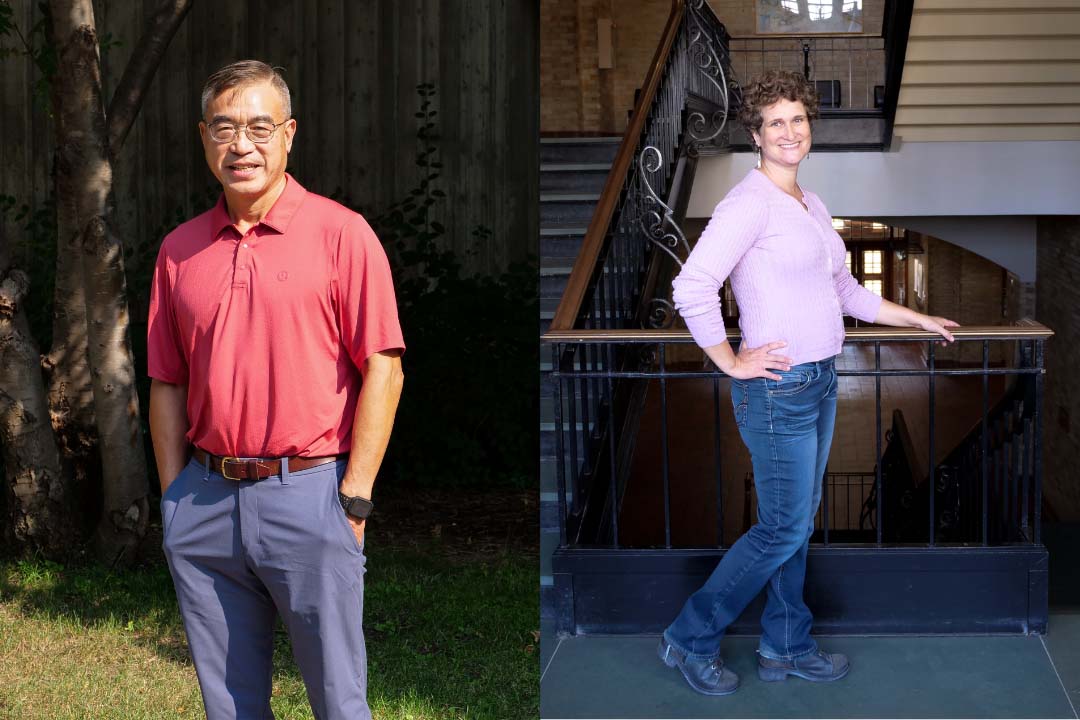
From building scaffolds that repair damaged tissue to improving indoor air quality with innovative new techniques, University of Saskatchewan's (USask) Dr. Daniel Chen (PhD) and
-
Black holes outgrow their galaxies (opens the original)
The eRosita X-ray telescope has discovered eight galaxies whose central black holes are significantly more massive than those in other galaxies
-
Africa’s rocks hold ancient stories. We need better ways to document and protect them
Africa has some of the world’s most important geological landscapes, yet they remain under-represented in digital geoheritage research.
-
RPI Researcher Finds Estuary Water Quality Trends Have $100M Implications (opens the original)
Estuaries across the United States are facing the same trends of warming water, algae growth, and declining oxygen concentrations that threaten water quality and fish populations, regardless of geographic location, according to new research led by a Rensselaer Polytechnic Institute (RPI) faculty member.
-
Chesapeake Bay underwater grasses increase 7%, buoyed by gains in salty waters (opens the original)
Submerged aquatic vegetation (SAV), one of the Chesapeake Bay’s most important indicators of ecosystem health, increased by 7% to an estimated 89,395 acres in 2025.
-
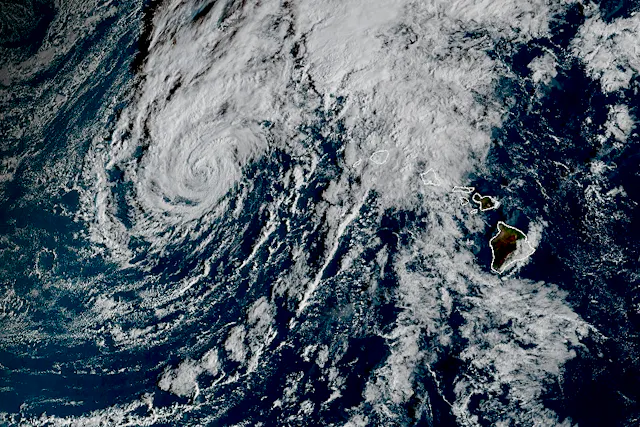
Another hurricane just sideswiped Hawaii – why the islands’ usual force field seems to be down in 2026
Cooler ocean temperatures east of the islands typically keep major hurricanes away, but El Niño is helping fuel this year’s risks.
Picture: NASA
-
Saving one of the midwest's rarest reptiles (opens the original)
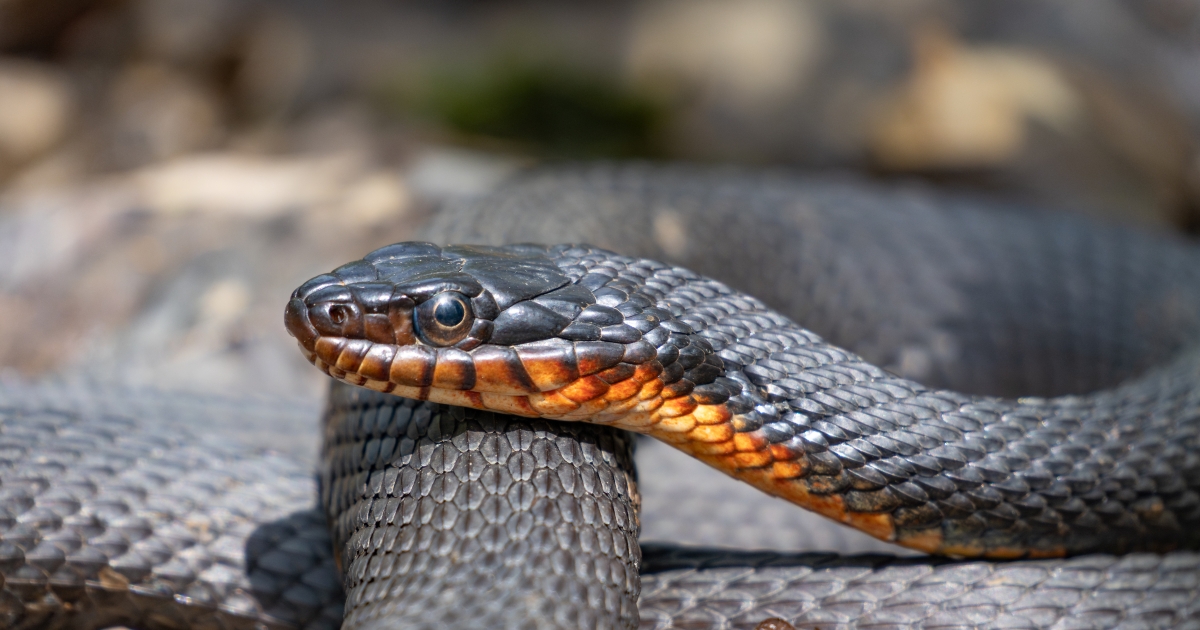
It takes a team to recover a species. Across portions of northern Indiana, southern Michigan and northwestern Ohio, shallow wetlands and connected forests have historically supported populations of copperbelly water snakes. Today, habitat loss, degradation and fragmentation have restricted the
-
Restoring Fish Habitat - Saint Sebastian River (opens the original)
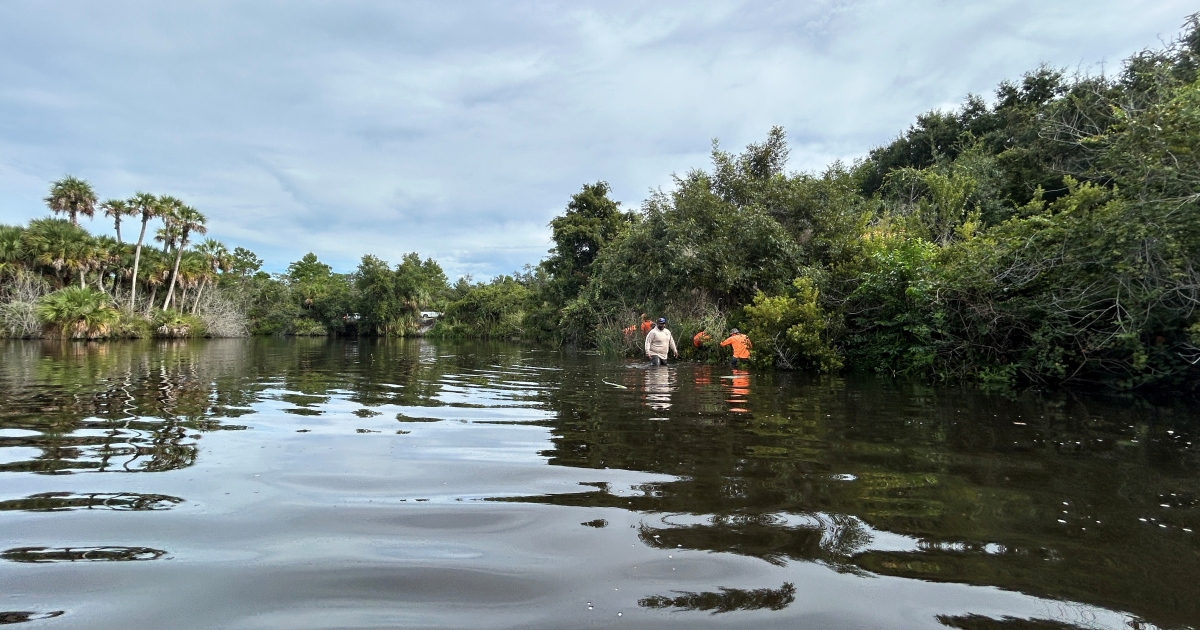
Peninsular Florida FWCO fish biologists are restoring habitat along Florida's Saint Sebastian River, home to several rare fish species found nowhere else in North America. The project has included removing invasive aquatic vegetation and planting thousands of native plants, including smartweed that
-
New Framework Finds Unexpected Order Inside Amorphous Materials (opens the original)
NLR and Colorado School of Mines researchers developed a computational framework that enables the prediction of electron behaviors, while revealing surprising similarities between crystalline structures and amorphous solids.
-
UEW Students Showcase AI-Driven Solutions at TeProD Innovation Challenge (opens the original)
Students at the University of Education, Winneba (UEW) demonstrated their innovative capacity in artificial intelligence (AI), digital technology and sus
-
The Anthropocene was rejected as a geological epoch – but the idea is still changing how we see the world
New research argues no other concept reflects our planet-wide transformation in its proper context of deep time.
-
Powered by AI (opens the original)
Weizmann scientists are using artificial intelligence to tackle the most challenging questions in sustainability
-
Politics with Michelle Grattan: Chris Bowen on co-hosting COP and Australia’s renewables target
The environment minister has fought back at criticisms that very few world leaders will attend the pre-COP meeting in the Pacific.
-
2026 Nepal rock-ice avalanche, debris flow and flash flood: preliminary assessment (opens the original)
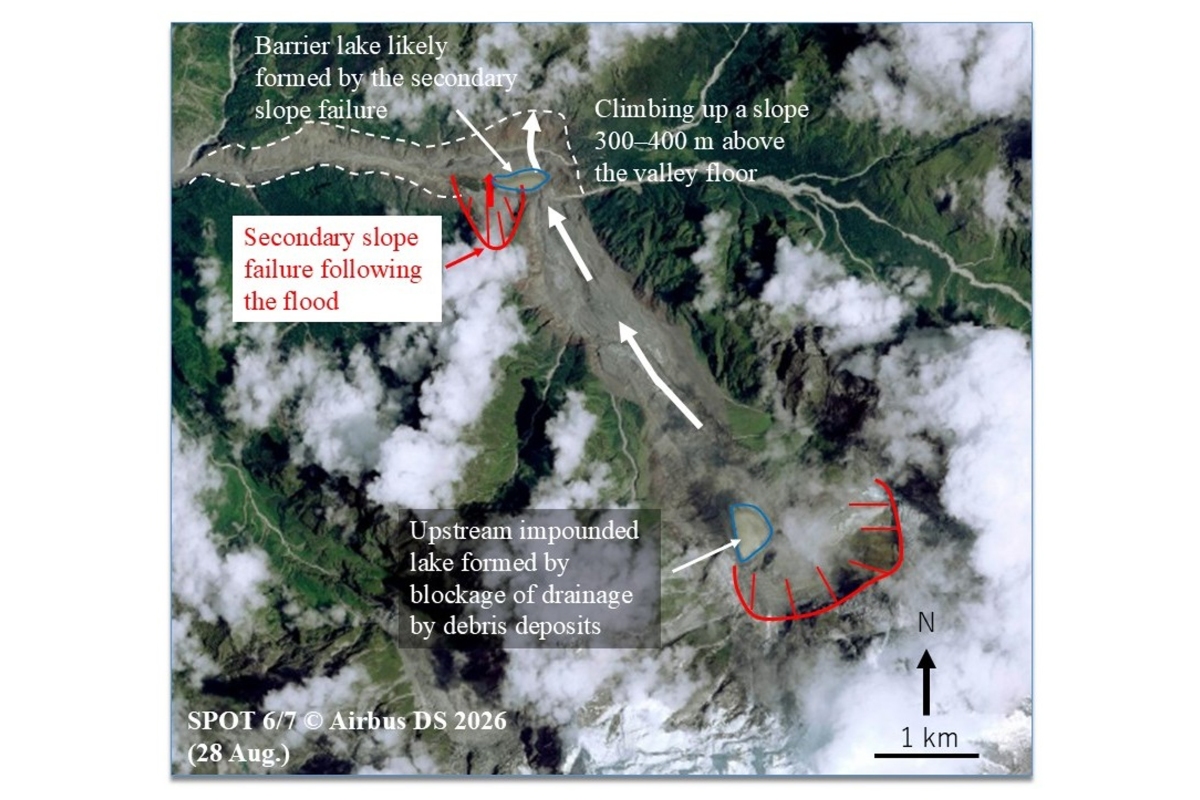
This research group, led by Associate Professor Ching-Ying Tsou of the Department of Agricultural and Environmental Engineering, Faculty of Agriculture and Life Science, Hirosaki University conducted a rapid assessment of the large-scale rock–ice avalanche and the subsequent debris flow and flash flood disaster that…



Read: The Conversation, CORDIS, ESO, NASA, ScienceDaily and the newsroom feeds of 734 institutions. Last read: today. Each story's date is its publisher's. Where the news comes from, and what each source allows.