Science news
Recent stories from university newsrooms, The Conversation, CORDIS, observatories and ScienceDaily, each sorted into the fields, countries and institutions it is about, and each linked to the original publisher. Narrow them below by subject, country, institution, source, words or period. A signed-in reader can follow any filtered view and be told when a new story matches it.
3,061 stories match these filters.
-
How soybeans took over the American diet – without anyone noticing
A century ago, Americans barely ate soy. Now it’s everywhere in people’s diets, even in places they don’t look or expect.
-
Could AI really kill off humanity within the decade? Expert Q&A
It’s not the first time AI researchers and companies have issued such warnings.
-
Libraries are a lifeline, new research finds (opens the original)
Public libraries play a vital role in communities, helping people connect, access support and improve wellbeing through everyday interactions.
-
New method reveals how molecular switches are influenced by their neighbours (opens the original)
Researchers at the University of Jena and the Helmholtz Centre Berlin are using magnetic-field-dependent THz EPR spectroscopy to investigate the environment of switchable iron complexes for the first time
-
Recyclable vehicle components: Paderborn University takes part in a new ‘circular economy’ project (opens the original)
From car headlights to tomorrow’s resources: How can vehicle components and other industrial goods be designed to be recyclable? Paderborn University is investigating this question in the new KOLLEKT research project, in collaboration with the consortium coordinator FORVIA HELLA and other partners from academia and…
-
UMS PKM-KC Team Trials NECIS, an IoT-Based Syringe Waste Destruction Innovation (opens the original)
Trials were carried out at three different health facilities, aiming to validate the device's performance as well as its effectiveness.
-
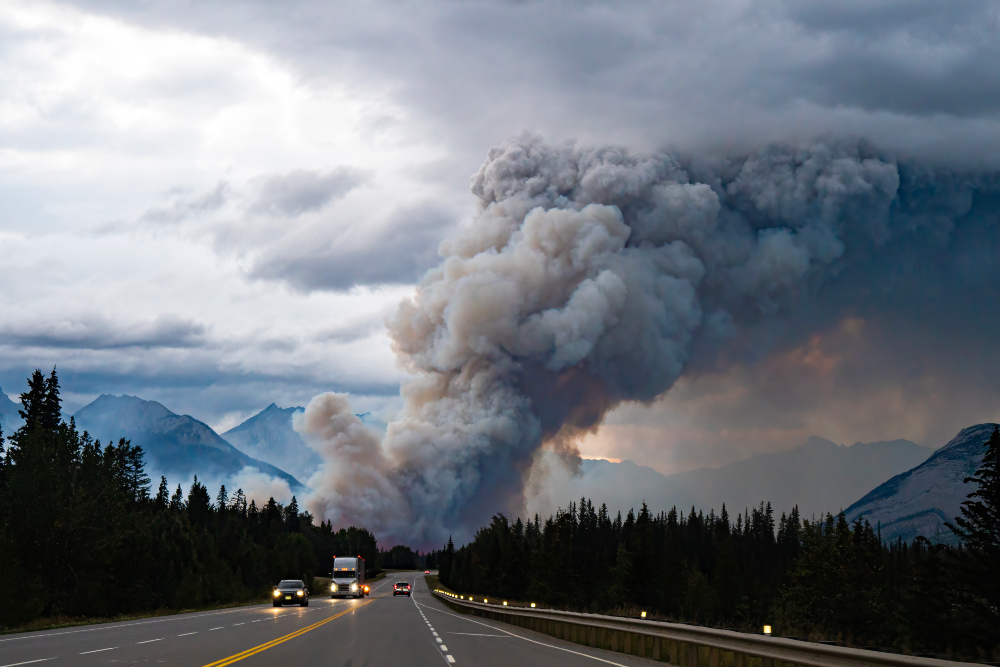
Ontario Tech University researchers highlight the long-term health impacts of wildfire smoke (opens the original)
Wildfire smoke has become an increasingly familiar part of Canadian summers, affecting communities thousands of kilometres from the fires themselves. While hazy skies and poor air quality are often temporary, Ontario Tech University researchers are examining how some health effects can persist long after the smoke…
-
How western consumption becomes the Global South’s environmental nightmare
If our waste crosses borders, our accountability needs to as well.
-
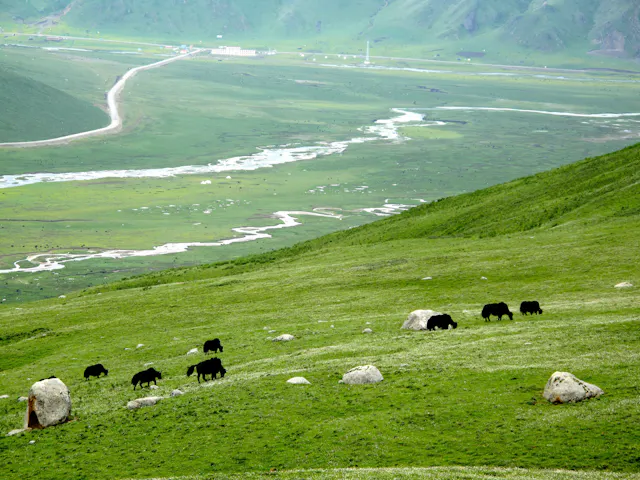
How heat on the Tibetan Plateau fuels powerful storms in California, half a world away
A new study connects early winter heat high up on the plateau to the jet stream and, ultimately, storms headed for the US coast. The results could mean better forecasts.
-
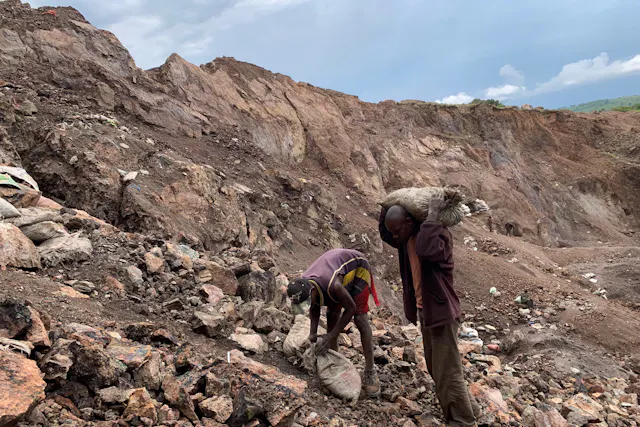
DRC’s cobalt exports contain unreported uranium – our study estimates the global nuclear risk
The amount of undeclared uranium from the DRC’s cobalt mines could – if processed – produce enough material for 600-1,500 nuclear weapons.
Picture: Wikimedia Commons
-
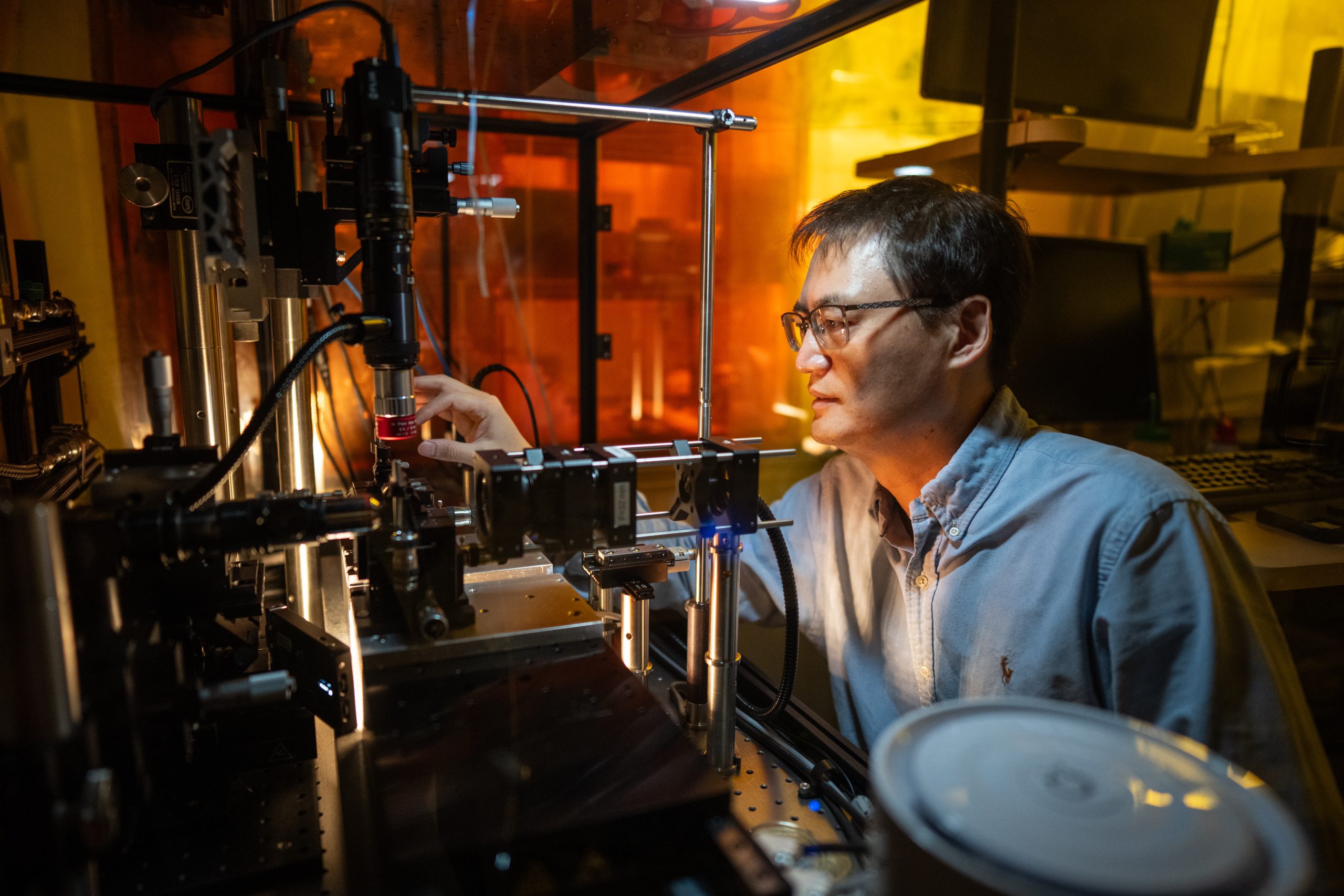
Tight light helps quantum sensing get ready for the field (opens the original)
Quantum sensing offers a potential solution to jammed satellite navigation signals. Researchers at Sandia National Laboratories are discovering ways to make these technologies smaller and tougher so they can be deployed in the field.
-
2026’s El Niño is shaping up to be a doozy – it’s already affecting global shipping, fish behavior and heat
El Niño can affect agriculture, marine life and economies in profound ways, including slowing commerce at the Panama Canal. This El Niño is likely to be the strongest in over a century.
-
Pennsylvania’s aging levees are under pressure from scarce funding and severe weather
Many levees built in the mid-1900s do not offer enough protection for today’s storms, and small rural communities in particular struggle to afford needed upgrades.
Picture: CC BY-NC-SA
-
The next frontier is not artificial intelligence, it’s artificial societies
We need to stop worrying about intelligent machines and start building intelligent societies.
-
Dead or alive, plankton support marine ecosystems (opens the original)
Researcher 研究者名 Endo, Hisashi Activity Database on Education and Research Overview Kyoto, Japan -- As tiny as they are, marine plankton play pivotal roles in biogeochemical cycles and in sustaining aquatic ecosystems, producing around half of the oxygen on Earth and also acting as carbon sinks. When they die, their…
-
ChatGPT at university: What determines whether students will continue using it? (opens the original)
The Faculty of Informatics, which used an interpretable machine learning framework to identify the factors that most strongly influence the use of generative artificial intelligence in higher educatio
-
PacWave Opens—A Giant Leap for Marine Energy (opens the original)
NLR and partners unveil America’s first pre-permitted, internationally accredited proving ground for commercial-scale wave energy converters off Oregon coast.
-
Prepare for takeoff into smoother skies (opens the original)
Turbulence can make a flight unpleasant or, in severe cases, dangerous. A turbulence avoidance tool created by researchers at the U.S. National Science Foundation National Center for Atmospheric Research (NSF NCAR) is making flights safer by providing pilots with information that can help them avoid turbulence in…
-
NSTU-NETI scientists have patented a method for resource-saving processing of carbon nanotubes (opens the original)
NSTU Scientists have received a patent for a method of chemical modification of the surface of multi-walled carbon nanotubes using nickel sulfamate. Treatment with this reagent will make it possible to obtain a material with high functional characteristics at a minimum of economic costs.





Read: The Conversation, CORDIS, ESO, NASA, ScienceDaily and the newsroom feeds of 734 institutions. Last read: today. Each story's date is its publisher's. Where the news comes from, and what each source allows.