Science news
Recent stories from university newsrooms, The Conversation, CORDIS, observatories and ScienceDaily, each sorted into the fields, countries and institutions it is about, and each linked to the original publisher. Narrow them below by subject, country, institution, source, words or period. A signed-in reader can follow any filtered view and be told when a new story matches it.
3,061 stories match these filters.
-
International Robotics Conference: RBI Showcases Humanoid Robots and Drones in Action (opens the original)
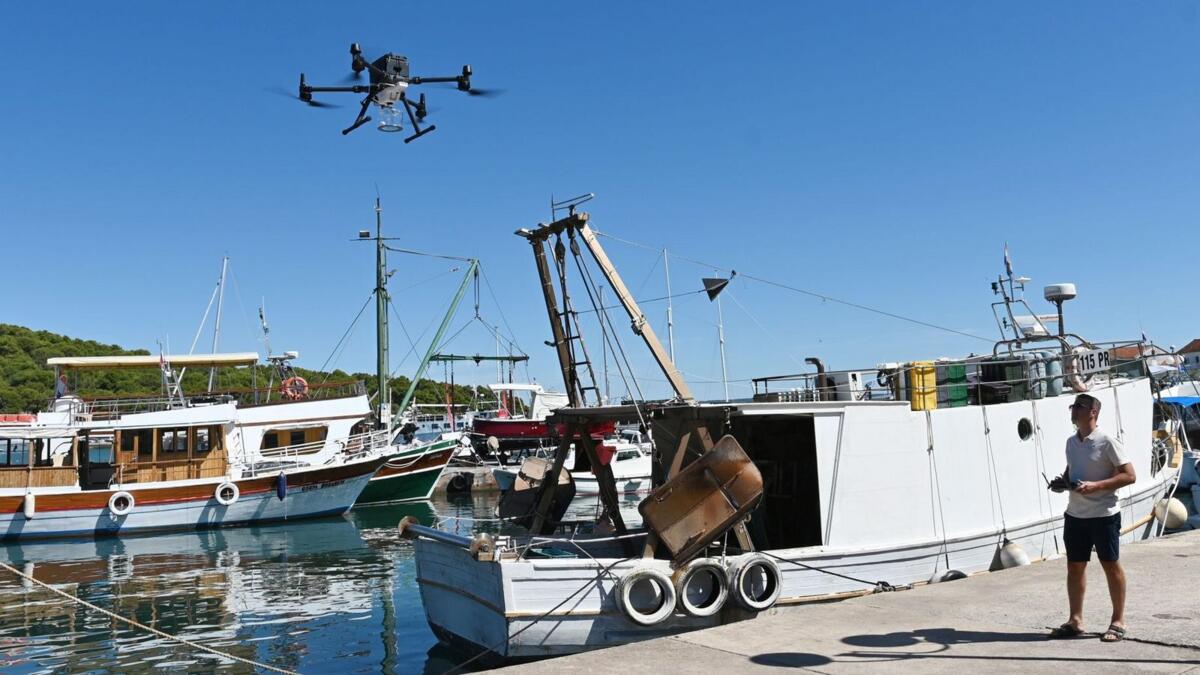
At the Robot–Drone Demo Convoy, held on 12 September in Zadar and Kukljica, the Ruđer Bošković Institute (RBI) showcased its contribution to the development of humanoid and marine robotics, artificial intelligence, and the use of autonomous systems in marine research.
-
Getting Photons into Shape for Reliable Quantum Communication (opens the original)
Photons can carry quantum information from one qubit to another – but the transfer does not always succeed. Researchers at TU Wien have now shown how tailoring a photon’s
-
SEOULTECH Researchers Develop a Reliable AI System for SSD Failure Prediction (opens the original)
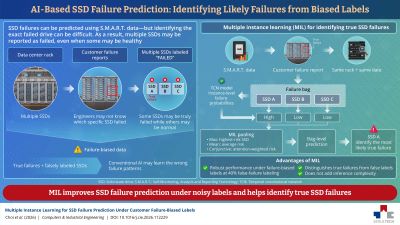
An AI approach helps distinguish genuine SSD failures from false failure reports in large-scale data centers In data centers, large numbers of Solid-State Drives (SSDs) support critical operations. Thus, accurately predicting drive failures in data centers is essential to avoid disruptions and data loss. Now…
-
How to build climate-resilient transport systems
Our transport infrastructure and logistics supply chains were built for a stable environmental and energy baseline that no longer exists.
-
UofG hosts Spatial Cognition Conference 2026 (opens the original)
The University of Glasgow welcomed more than a hundred leading researchers from around the world for a conference on spatial cognition research.
-
Bethe strings observed in ultracold atoms (opens the original)
Nearly a century after they were predicted by Nobel laureate Hans Bethe, a team led by quantum physicist Hanns-Christoph Nägerl has observed so-called “Bethe strings” in ultracold atoms. The ultracold gas provides an ideal platform for further investigation of these quantum many-body states.
-
Big AI wants to slow down AI research. Is it a safety pause or a strategic retreat?
AI companies are calling for a coordinated pause to progress – but making it work, and keeping AI safe, won’t be easy.
-
First Nations ranger knowledge reveals the threats facing NT’s green turtles (opens the original)
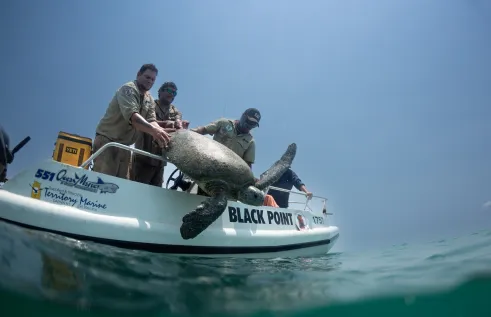
Home Research First Nations ranger knowledge reveals the threats facing NT’s green turtles September 2026 edition First Nations ranger groups working in protected areas such as national or marine parks identified illegal commercial fishing as a major concern for the Northern Territory’s green turtle populations, a…
-
Melbourne graduates shine bright (opens the original)
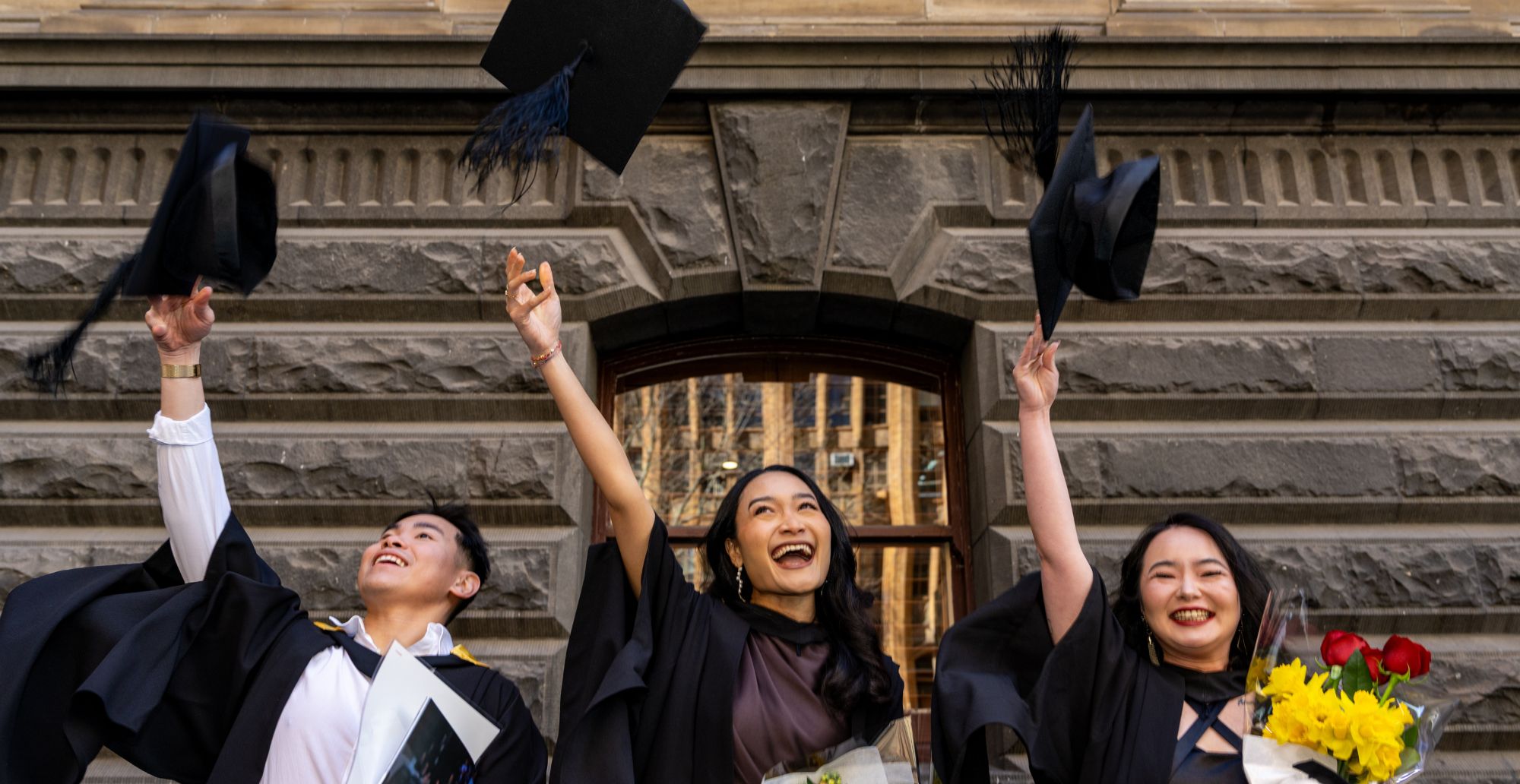
From securing a graduate position in speech pathology to researching climate-related greenhouse gas emissions, Southern Cross University's latest graduates are preparing to make their mark in diverse professions and industries.
-
Australia must double down to meet our climate targets. Our new study shows how
Global warming is set to surpass the 1.5°C limit if governments worldwide fail to act.
-
Sharing non‑consensual ‘deepfake’ porn in Canada is now a crime. The law still fails the victims
Canada’s current framework treats deepfake-based sexual abuse as isolated criminal behaviour, when it is systematic gender-based violence.
-
CNR Rao Education Foundation's National Prize 2026 to Prof. Nirmalya Ballav and Prof. Sujit Ghosh (opens the original)
Prof. Nirmalya Ballav and Prof. Sujit Kumar Ghosh from the Department of Chemistry have been selected to receive the National Prize for Research in Metal-organic Framework and Porous Materials for the year 2026. This prize is awarded by the C. N. R. Rao Education Foundation. Prof. Nir
-
New world map makes Africa look bigger: what’s the fuss about? Cartographers explain
Correcting the mental map of global leaders is an important step in amplifying Africa’s relevance and rights.
-
The Viral Tipping Point (opens the original)
How many viruses does it take to launch an infection? Scientists have discovered the cellular threshold that can determine whether a herpesvirus becomes active or lies dormant
-
Fertilizers are damaging coral reefs in the Gulf of Mexico (opens the original)
60 to 80 percent of the nitrogen comes from the Mississippi River basin, as isotope analyses of corals show.
-
UA student researches space weather prediction in international program (opens the original)
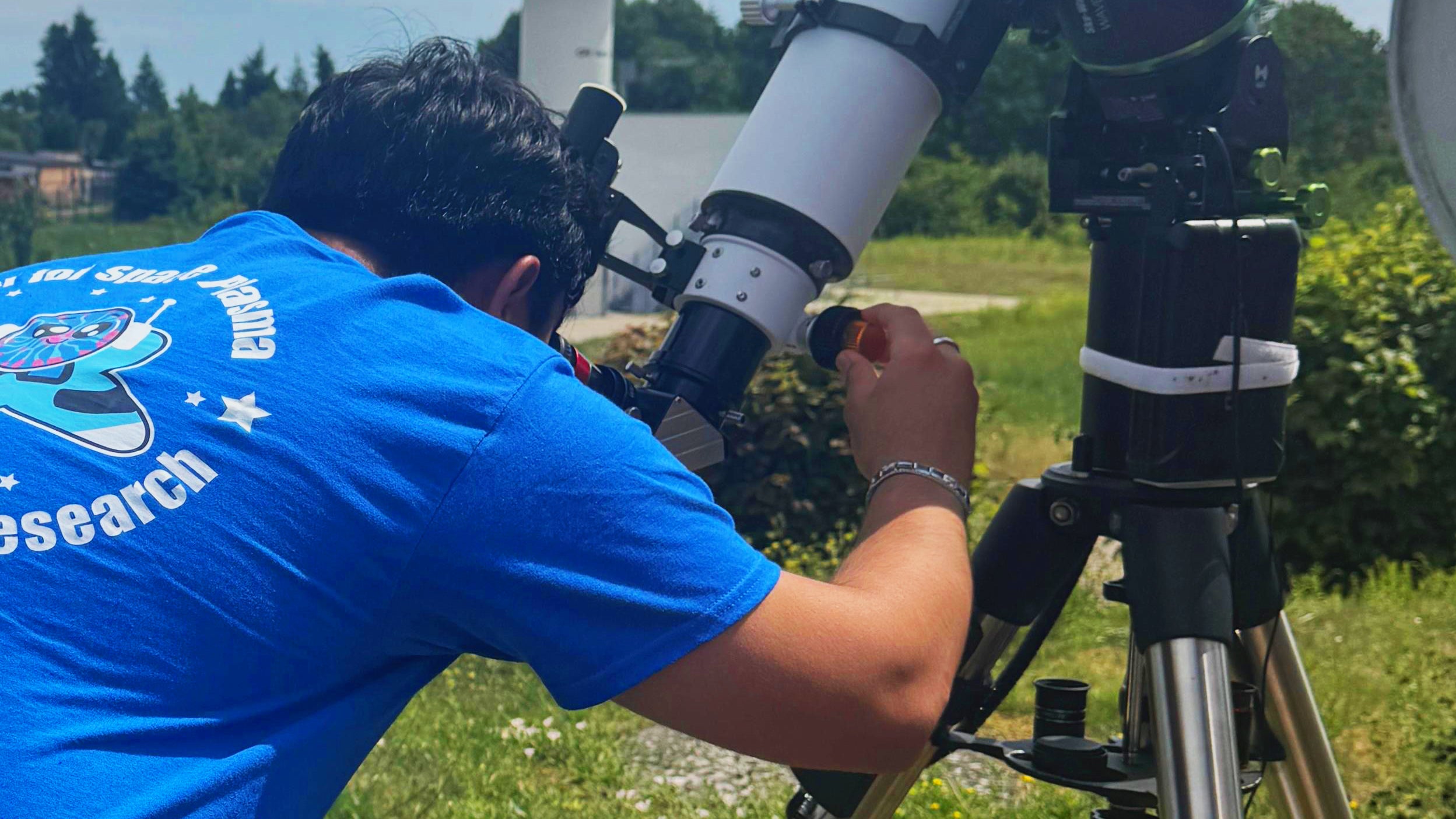
University of Alabama student Fernando Salinas researched solar storm prediction and geomagnetic events through the International Space Weather Camp, collaborating with U.S. and German scientists on space weather projects.
-
Uncovering ‘spooky’ quantum effect in the Large Hadron Collider (opens the original)
Physicists at the University of Oxford have helped confirm that one of the strangest phenomena in physics - quantum entanglement - occurs even among some of the heaviest and most fleeting particles ever created.
-
Using aircraft and satellite observations, FORTH maps the materials, three-dimensional structure and surface temperature of Heraklion (opens the original)
On 9 and 10 September 2026, the Remote Sensing Lab ( https://rslab.gr ) of the Institute of Applied and Computational Mathematics of the Foundation for Research and Technology – Hellas (FORTH), as part of its research on urban overheating and heat stress, collected very high spatial resolution airborne hyperspectral…
-
Mayday Mayday! (opens the original)
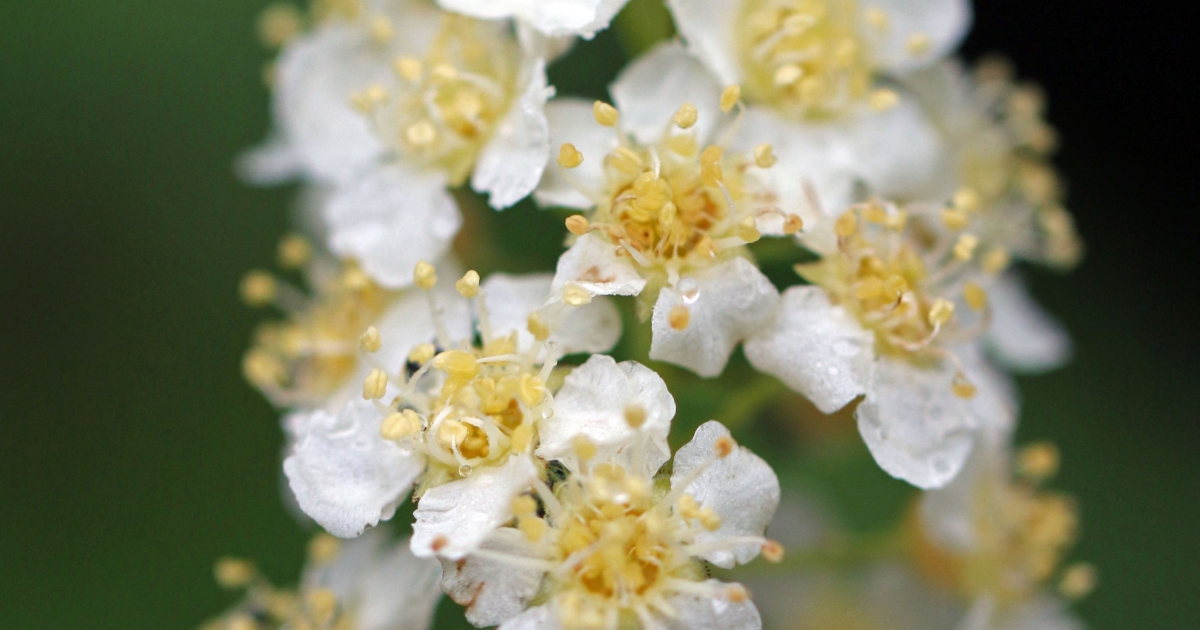
In Alaska, both chokecherry and Mayday trees (collectively referred to throughout as chokecherry) are invasive species. They are one of the top disruptive plants in both urban and semi-urban landscapes. Recognizing these significant ecological impacts, members from the Alaska Invasive Species







Read: The Conversation, CORDIS, ESO, NASA, ScienceDaily and the newsroom feeds of 734 institutions. Last read: today. Each story's date is its publisher's. Where the news comes from, and what each source allows.