Science news
Recent stories from university newsrooms, The Conversation, CORDIS, observatories and ScienceDaily, each sorted into the fields, countries and institutions it is about, and each linked to the original publisher. Narrow them below by subject, country, institution, source, words or period. A signed-in reader can follow any filtered view and be told when a new story matches it.
823 stories match these filters.
-
Why do I talk in my sleep? A sleep psychologist explains
It might seem like a weird thing to do, but more than two-thirds of people have talked in their sleep at some point.
-
Unravelling the secrets of DNA sequences at the molecular level (opens the original)
Researchers in the Department of Physics have developed a new method that can watch thousands of individual DNA molecules in action and then read the exact sequence of each one, directly linking what a molecule does to the code it carries.
-
Prestigious fellowship to uncover how our gut microbiome tackles dietary xenobiotics (opens the original)
A new project at the Quadram Institute into how bacteria process dietary xenobiotic compounds aims to decode the role of carbohydrate active enzymes
-
What are statins? And can healthy people use them to prevent heart disease and dementia?
New evidence shows more people might benefit from this cholesterol-lowering medication than we previously thought. But that doesn’t mean everyone should take one.
-
When the Gut Can’t Forget: A New Mechanism Promoting Inflammatory Bowel Disease (opens the original)
Weizmann Institute researchers discover that transient intestinal inflammation can leave irreversible changes in the gut lining, leading to Crohn’s disease and ulcerative colitis. The findings point to new directions for treatment and early detection
-
A common stomach infection may be linked to bowel cancer – here’s what we know
It’s thought around half of the world’s population are infected with H pylori.
-
Here’s how teachers and parents can collaborate and help Michigan’s 1.4M students succeed
Inflexible meeting times, transportation and childcare challenges can limit parents or caregivers from getting involved in their children’s education.
-
Chihuahua dogs are part coyote – this might help explain their ‘small but mighty’ reputation
The finding highlights the amazing diversity present across dog breeds.
Picture: Cvmontuy, CC BY-SA
-
Mayday Mayday! (opens the original)
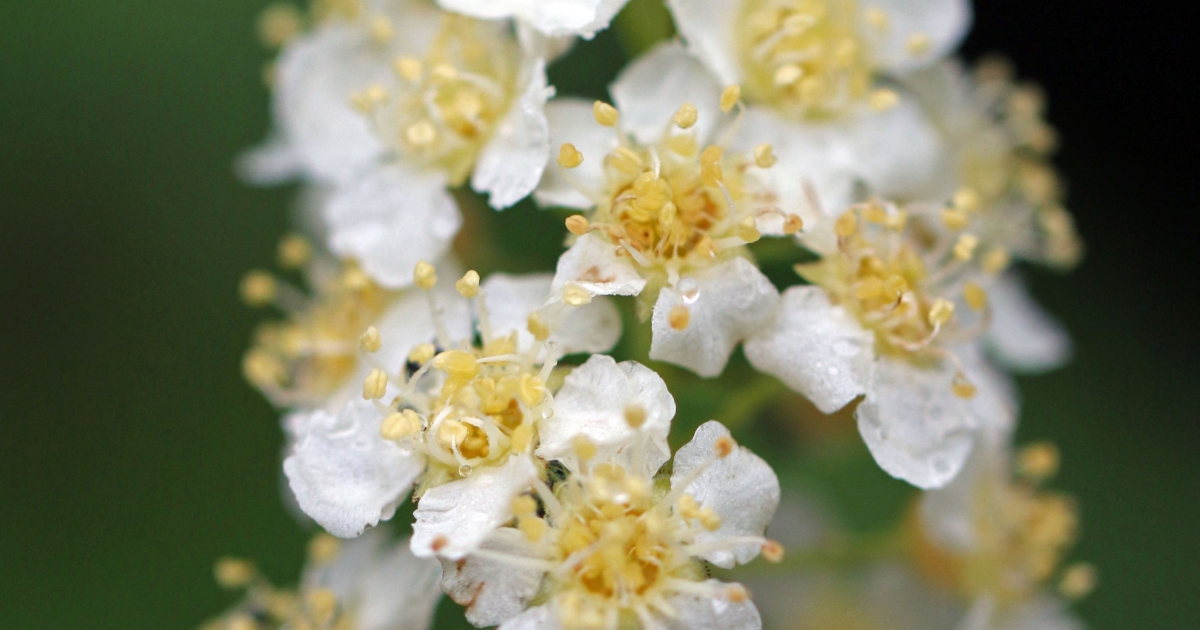
In Alaska, both chokecherry and Mayday trees (collectively referred to throughout as chokecherry) are invasive species. They are one of the top disruptive plants in both urban and semi-urban landscapes. Recognizing these significant ecological impacts, members from the Alaska Invasive Species
-
How soybeans took over the American diet – without anyone noticing
A century ago, Americans barely ate soy. Now it’s everywhere in people’s diets, even in places they don’t look or expect.
-
Your brain may be doing its most important work when you think you’re doing nothing
Filling every spare moment with a podcast, message or social-media scroll may deny the brain a useful window for consolidating new memories.
-
Light Up RNA (opens the original)
RhoBAST is a tiny RNA molecule that activates fluorescent dyes, enabling researchers to track RNA molecules in living cells with super-resolution. An international collaboration, which includes Ronald Micura and his team from the Institute of Organic Chemistry, has now shown that a small, local…
-
AIM for Scale receives $10 million to bring AI-powered weather services to millions of farmers (opens the original)
The Agricultural Innovation Mechanism for Scale (AIM for Scale), part of the University of Notre Dame's Keough School of Global Affairs, has received a $10 million grant from the OpenAI Foundation to help governments bring AI-powered weather services to millions of farmers across South and Southeast Asia and East…
-
Future Makers Award for students working towards a climate-resilient future (opens the original)
How can we prepare cities and regions for drought, salinisation and increasingly extreme weather conditions? Water Management students Niels Baars, Remco Peters and Soufiane El-Irhani made a significant contribution to two major climate adaptation research projects through their final-year studies. Their work earned…
-
Why cancer affects children differently to adults
Childhood cancer affects different tissues and has different causes. We need to treat it as a separate disease.
-
Flags Lowered In Memory of John Weinerth (opens the original)
His interest in fungi started as a family tradition. Now Vilgalys is part of a Duke team specializing in fungi research
-
“Peculiar” new species of Jurassic squid found in Wyoming (opens the original)
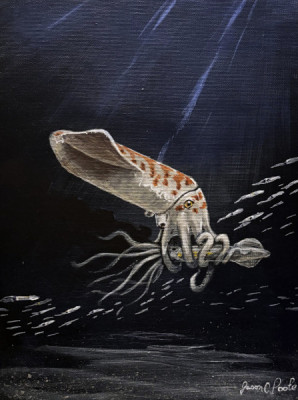
A “peculiar” new species of Jurassic squid-like animal has been unearthed in Wyoming, USA, following the discovery of two exceptionally rare fossils dating back around 160 million years.
-
Worried your pet might catch bird flu? Here’s what you can do
No Australian pets have contracted H5 bird flu, but overseas outbreaks suggest cats are particularly vulnerable.
-
Grieving lost body function: What psychology teaches us about our chronic illness journeys
For many people, coming to terms with chronic illness feels impossible. What if psychology could make meaning of the loss?






Read: The Conversation, CORDIS, ESO, NASA, ScienceDaily and the newsroom feeds of 734 institutions. Last read: today. Each story's date is its publisher's. Where the news comes from, and what each source allows.