Science news
Recent stories from university newsrooms, The Conversation, CORDIS, observatories and ScienceDaily, each sorted into the fields, countries and institutions it is about, and each linked to the original publisher. Narrow them below by subject, country, institution, source, words or period. A signed-in reader can follow any filtered view and be told when a new story matches it.
2,234 stories match these filters.
-
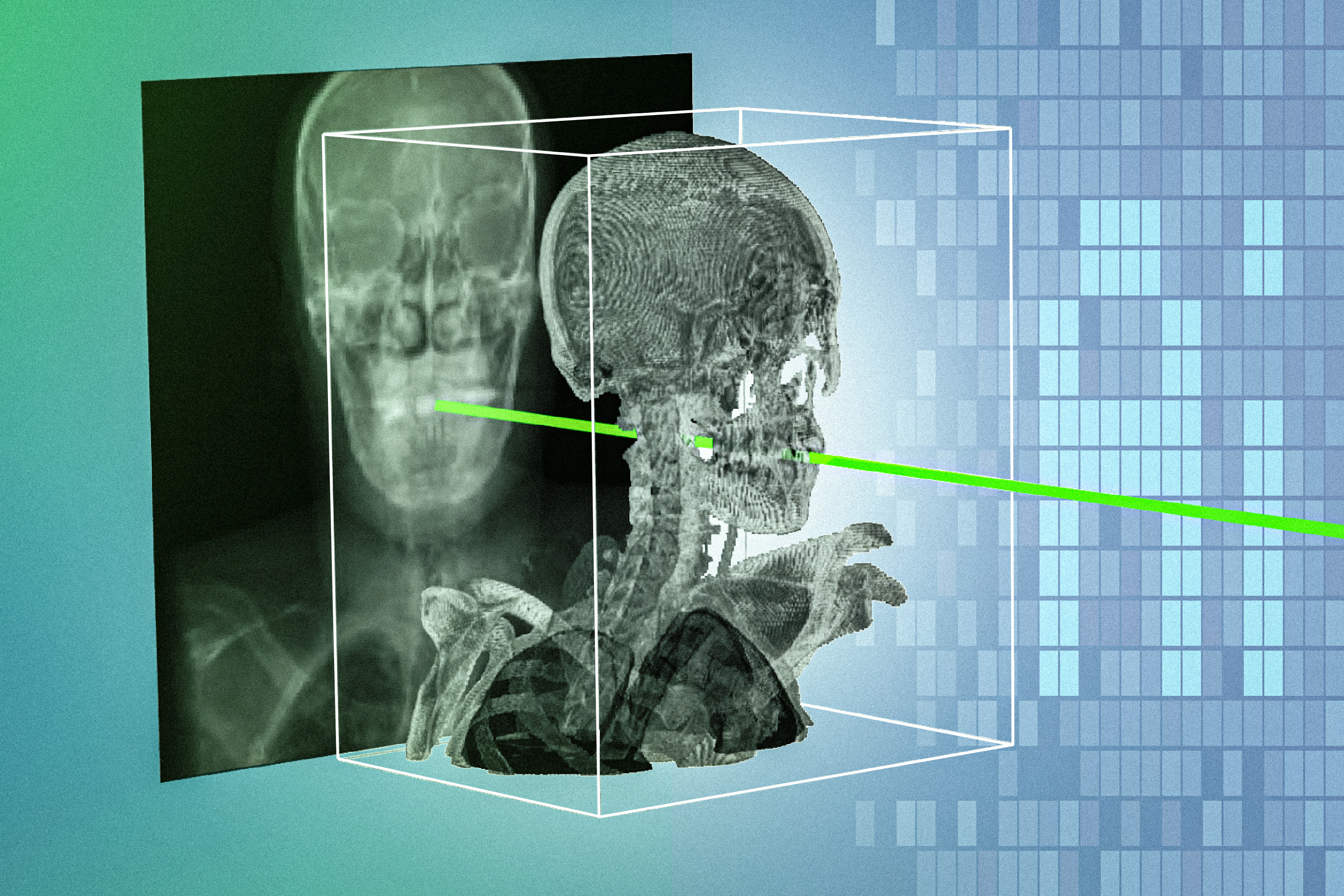
New AI technique could make minimally invasive surgeries safer and more precise (opens the original)
This patient-specific method, called xvr, helps doctors use X-rays for surgical navigation in fields such as orthopedics and neurosurgery.
-
AI can be more comforting than a person – our research shows why
We increasingly turn to chatbots when we are upset. But what they cannot do may be what matters most.
-
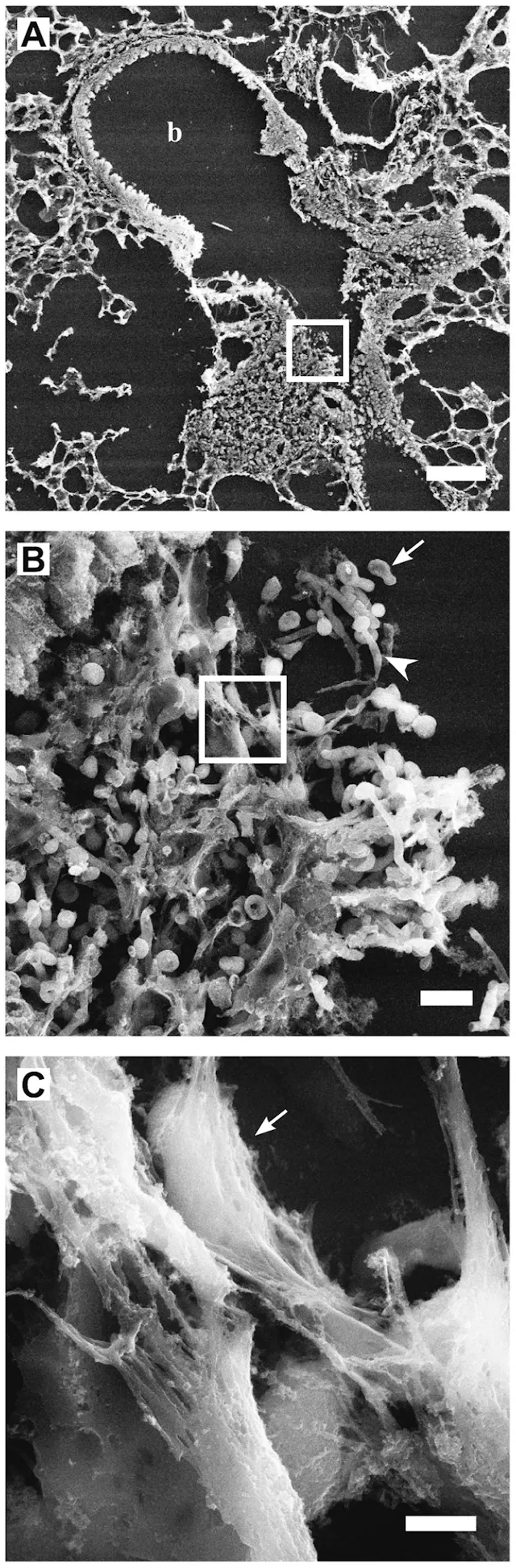
Why an overactive immune system attacks the bodies of people with lupus but still leaves them vulnerable to infection
A strong immune response doesn’t necessarily mean better protection from infection. The type and timing of immune attacks matter, too.
Picture: Urban et al/PLoS Pathogens, CC BY-SA
-
Study uncovers genomic architecture and natural history of metastatic bladder cancer (opens the original)
Published in Nature, a new study using a first-in-kind rapid autopsy program shows details of metastatic bladder cancer subtypes; could improve diagnosis and future treatment
-
Study supports effectiveness of RSV preventive antibody treatments for infants and provides new way to monitor viral resistance (opens the original)
Analysis published in Nature of more than 60,000 RSV sequences found resistance-associated variants to two monoclonal antibody treatments are rare and provides a roadmap to help guide the development of future prevention tools.
-
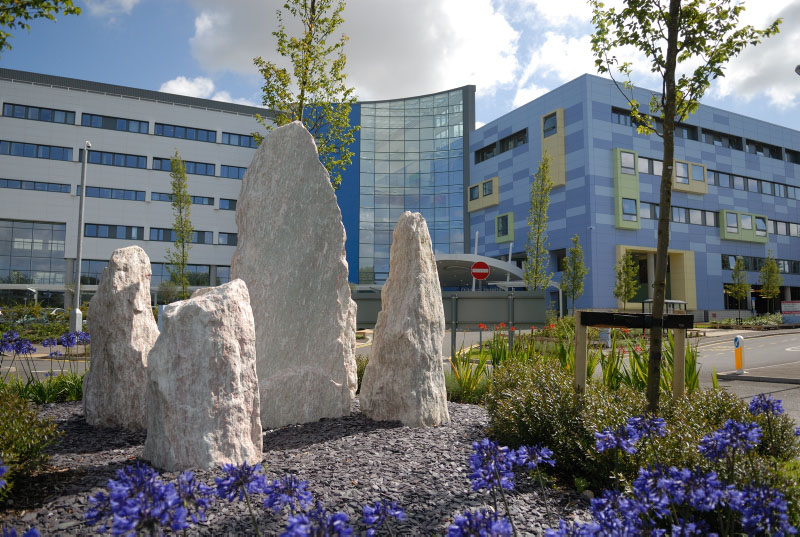
Service redesign more than halves waiting list for specialist care in six months (opens the original)
A major redesign of the Lower Gastrointestinal (LGI) Physiology Service at the Churchill Hospital, part of Oxford University Hospitals (OUH), has significantly reduced waiting times, and improved the patient experience
-
How does the menopause drug Veoza work? And how is it different to hormone therapy? (opens the original)
In The Conversation, Neuroscience researchers from The Florey Institute and University of Melbourne explain how a drug approved for menopause symptoms works in the brain. Unlike hormone replacement therapy, Veoza does not replace naturally declining hormones, but instead blocks signals in the brain’s…
-
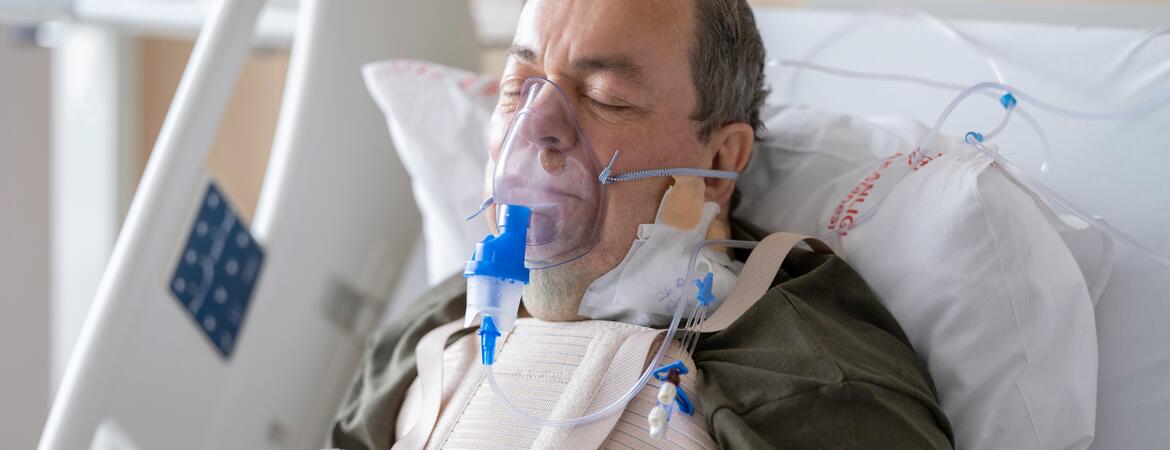
Breathing new life into respiratory care (opens the original)
Federally funded research could alleviate suffering in ICU and COPD patients
-
Rich neighborhoods more likely to burn (opens the original)
New research shows that while rich neighborhoods are more likely to burn, they also generally recover faster from fires.
-
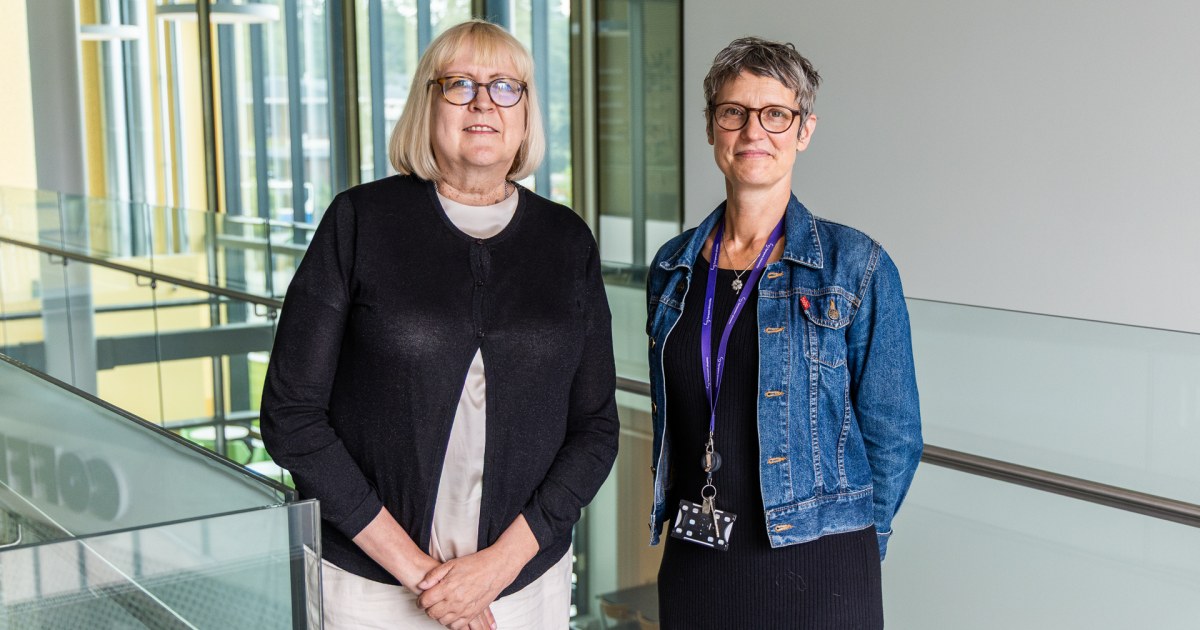
“Capital of Celiac Disease” promotes understanding through sustained multidisciplinary research (opens the original)
Celiac disease is a complex autoimmune condition that requires lifelong dietary management, and researchers continue to seek more effective and personalised treatment options. Research on the disease has a long history at Tampere University, helping to establish it as one of the world's leading centers in the field…
-
Emergency room visits for gambling disorders nearly doubled after expanded online gambling market (opens the original)
Toronto, ON, September 16, 2026 — Emergency department (ED) visits for gambling disorders doubled following the legalization of single-event sports betting and expansion of Ontario’s online gambling market, according to a new study from ICES. The increase was observed predominantly among young men. Canada legalized…
-
From Research to Readiness: Physician-Scientist Candidates Join the Ranks at Uniformed Services University (opens the original)
Three first-year students join USU’s MD/PhD program to advance precision care and force protection. From left: Army 2nd Lt. Aidan Batchelor, Army 2nd Lt. Mikayla Bridges, and Navy Ensign Andrew Hall, the three first-year physician-scientist candidates who joined the Uniformed Services University's MD/PhD program this…
-
Trauma-induced changes in the brain differ significantly between males and females (opens the original)
Multilevel brain and behavior mapping reveals how early adversity drives distinct neurobiological and behavioral paths depending on sex
-
Iron overload: how tea, coffee, red meat and alcohol can affect absorption
Tea and coffee may reduce iron absorption, while alcohol and some supplements can increase it.
-
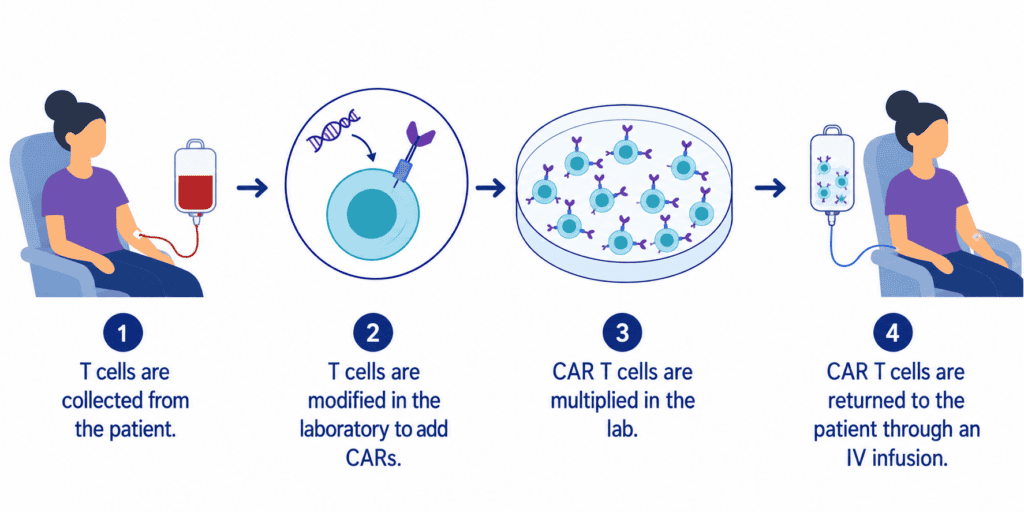
Does CAR T-Cell Cancer Therapy Affect Fertility? A New Study Is Looking for Answers (opens the original)
Contributing author: Blood Cancer United Some cancers and cancer treatments can affect fertility. Researchers are gathering better data to understand whether CAR T-cell therapy affects fertility, and which patients, if any, may
-
We paid college students about $5 a night to sleep at least 7 hours – and their grades quickly improved
Universities and colleges won’t necessarily pay students to sleep. But they can offer other incentives that encourage them to close their eyes earlier.
-
Dengue-carrying mosquitoes expand their reach into new territories – including Florida
As dengue spreads further outside its normal tropical zones, doctors and patients need to know what to watch for.
-
How South Korea is tackling its super-aging problem – and what other aging nations can learn from its experience
South Korea’s unusually rapid transition to a super-aged society means it has had little time to find solutions for pension funding and healthcare for the elderly.





Read: The Conversation, CORDIS, ESO, NASA, ScienceDaily and the newsroom feeds of 734 institutions. Last read: today. Each story's date is its publisher's. Where the news comes from, and what each source allows.