Science news
Recent stories from university newsrooms, The Conversation, CORDIS, observatories and ScienceDaily, each sorted into the fields, countries and institutions it is about, and each linked to the original publisher. Narrow them below by subject, country, institution, source, words or period. A signed-in reader can follow any filtered view and be told when a new story matches it.
3,061 stories match these filters.
-
Long-term oyster reef restoration shows clear success in murky waters (opens the original)
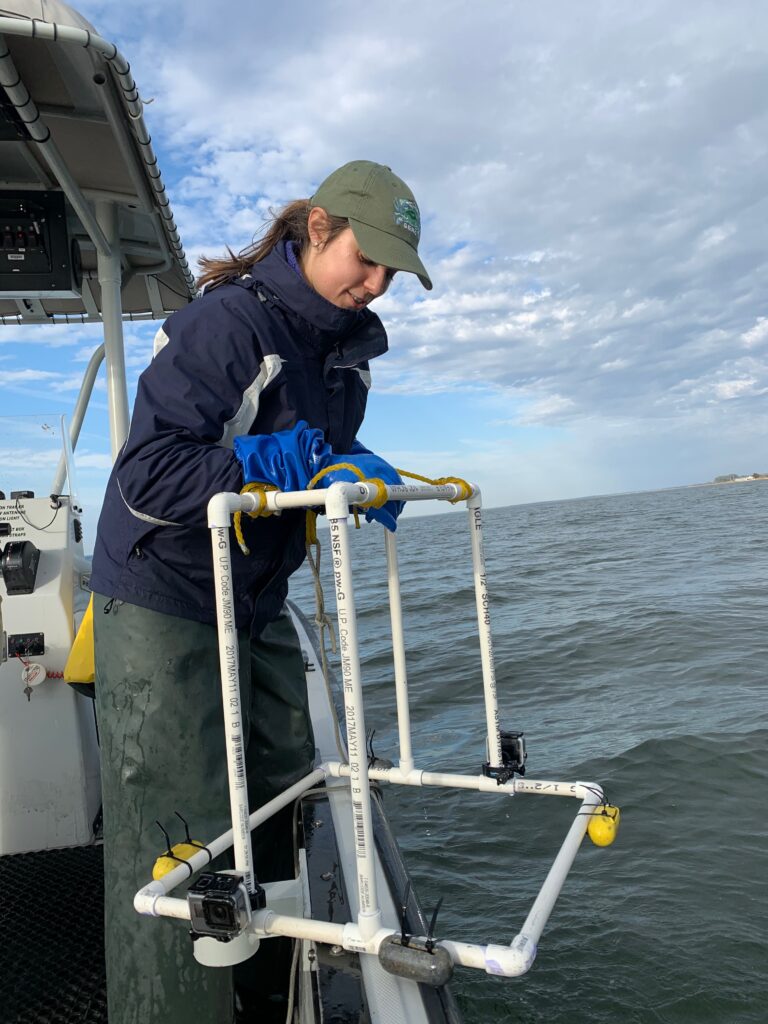
Large-scale oyster reef restoration in the Chesapeake Bay is successfully creating three-dimensional habitats that support larger, more diverse fish communities, according to new research from scientists at UMBC, the Smithsonian
-
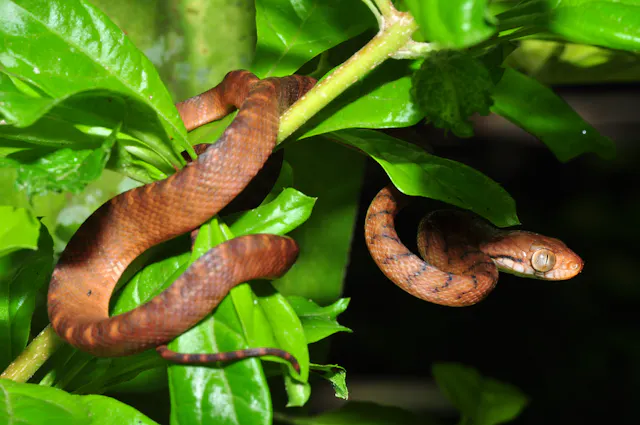
Climate change is making it easier for invasive species to succeed
More common extreme weather events can create opportunities for invasive species to spread.
-
A Brief History of Conservation Gap Analysis for Food Plant Diversity (opens the original)
Conservation gap analysis using Geographic Information System (GIS) tools relies on several sources of biological and environmental data, including in situ species occurrences and climatic and other environmental variables used to conduct species distribution modeling, as well as passport data from ex situ collections.
-
Forests and climate in focus as Swedish Climate Policy Council secretariat visits SLU (opens the original)
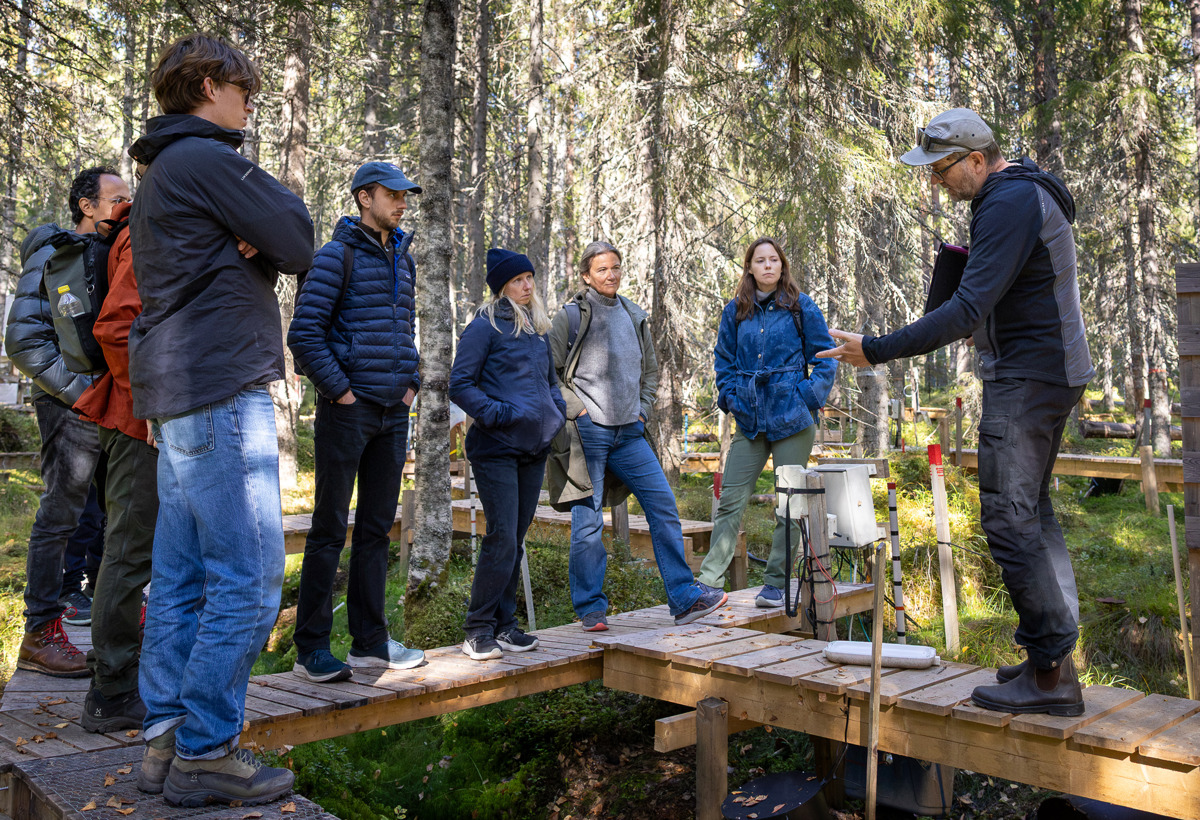
The Swedish Climate Policy Council’s secretariat visited SLU to learn more about the carbon balance of forests and how forests are affected by a changing climate. The Council’s next report to the Swedish Government will focus on the different ways forests can contribute to climate mitigation.
-
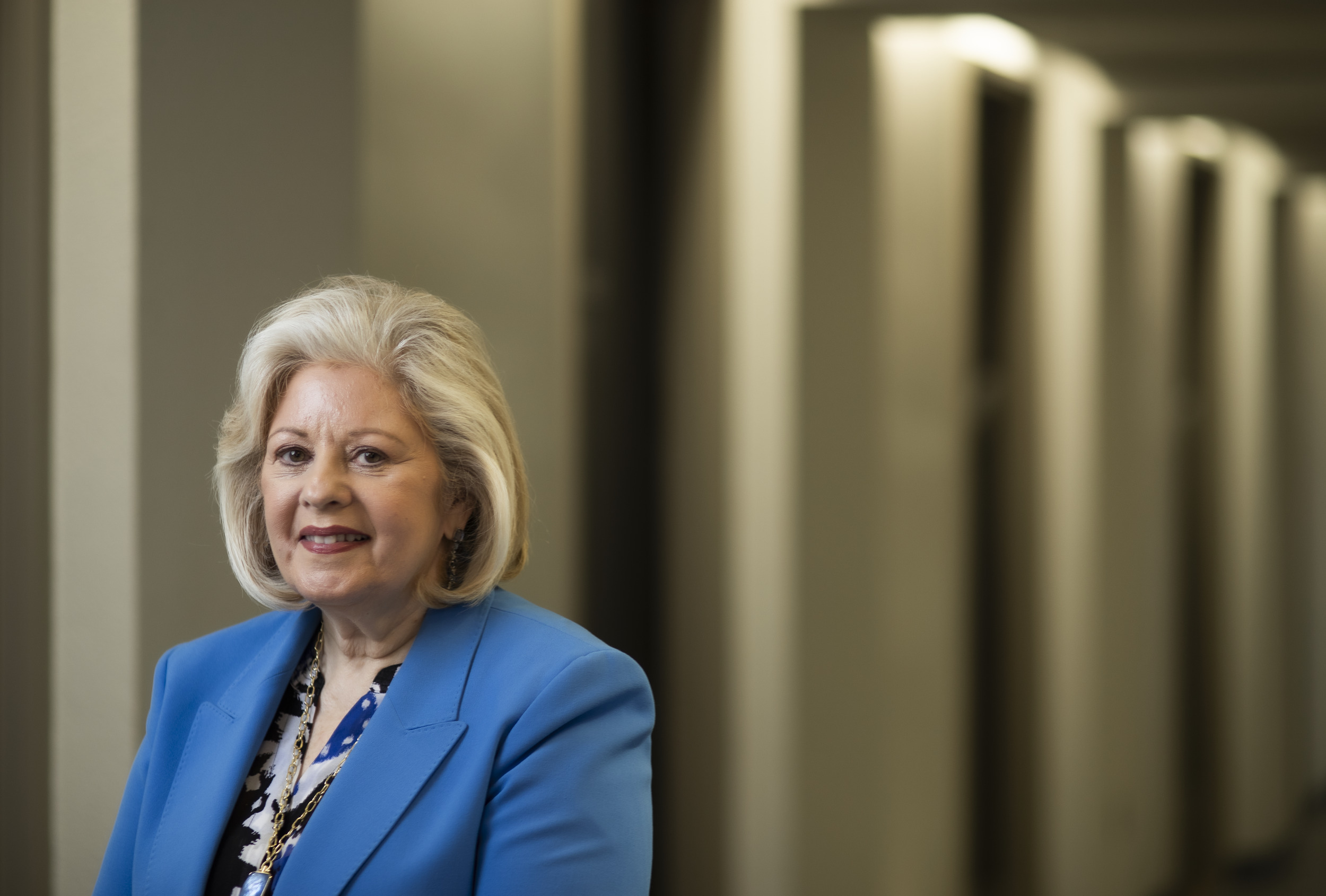
Temple Professor Lauren Alloy wins 2027 APS Mentor Award (opens the original)
Laura H. Carnell Professor of Psychology and Neuroscience Lauren Alloy has won the 2027 APS Mentor Award.
-
Rolling with the waves (opens the original)
Researchers 研究者名 Koichi Unami Activity Database on Education and Research 研究者名 Yuka Matsutoku ORCID Overview Kyoto, Japan -- You may not know what roll waves are, but you've probably seen them on a rainy day. When it rains, these traveling waves appear on steep asphalt pavements, slowly making their way down the…
-
NJIT Double Major Pablo Leyva Takes on Human-AI Interaction at Apple (opens the original)
During his second summer as an Apple intern, Pablo Leyva worked at the point where artificial intelligence meets the person holding an iPhone. The NJIT applied mathematics and computer science double major contributed to a customer-facing project involving Apple Wallet’s 18 products, Siri modeling and frameworks, and…
-
Earthshot and the science of positive tipping points: how environmental progress can become unstoppable
Change happens rapidly when we know where to look: these solutions could tip the world towards a better future.
-
11 trillion tonnes of ice have been lost from Greenland and Antarctica (opens the original)
Since the 1970s, 11 trillion tonnes of ice have been lost from Greenland and Antarctica. This has been shown by a new international study based on data from a range of satellite surveys. This is
-
'Born-again' star offers rare chance to watch stellar evolution in real time (opens the original)
Astronomers have confirmed that one of the fastest-changing stars ever observed has entered a new stage of its evolution, offering a rare opportunity to watch a star's life unfold on human timescales.
-
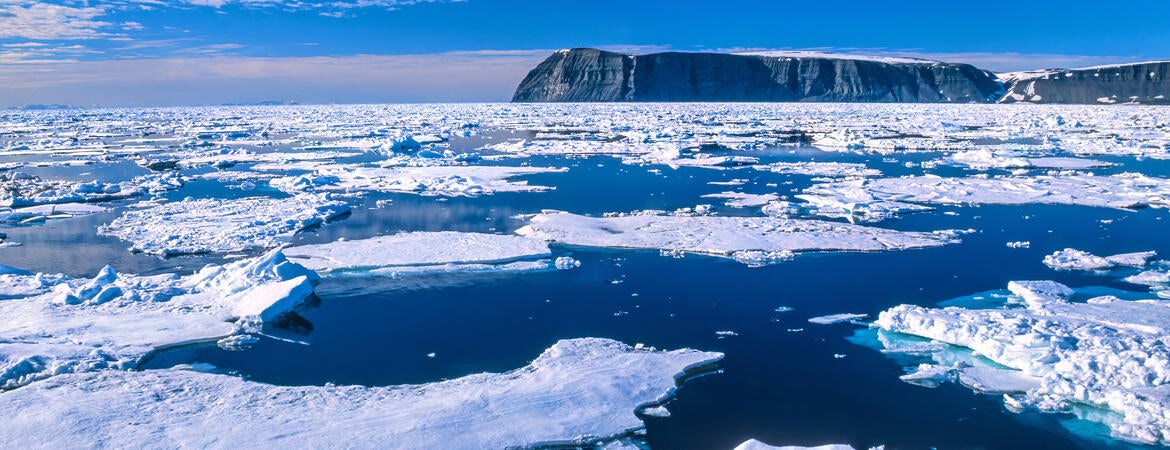
Engineers solve puzzle of Arctic sea ice movement (opens the original)
UC Riverside researchers discover a way to explain the previously confusing movement of Arctic sea ice, offering a way to potentially predict where the ice will travel as the ocean gets warmer.
-
Is the nuclear non-proliferation pact a model for regulating runaway AI?
Competition for AI dominance resembles the nuclear arms race of the Cold War era. A similarly serious response may also now be needed.
-
Aerosol Researchers from Nine Asian Countries Gather at CYCU to Advance PM2.5 and Air Pollution Research. (opens the original)
CYCU hosted an international aerosol research exchange on September 15, bringing together scholars from nine Asian countries to discuss PM2.5 exposure, air pollution, environmental health, and sustainability. The event featured regional research sharing and a keynote by Dr. Maria Obiminda L. Cambaliza of Ateneo de…
-
CYCU Spin-off Moldintel Showcases AI Smart Manufacturing Technology at TaipeiPLAS 2026. (opens the original)
CYCU is advancing the commercialization of academic research through its spin-off Moldintel Co., Ltd., developed from the university’s Smart Manufacturing R&D Center. At TaipeiPLAS 2026, Moldintel unveiled its next-generation Moldinteller AI smart controller. The company has secured customer orders totaling NT$7…
-
Georgia Tech’s Avant South Brings ‘AI in Action’ to Atlanta (opens the original)
admin Tue, 09/15/2026 - 19:48 Artificial intelligence is already changing how people work, learn, build companies, manufacture products, move goods, deliver healthcare, and create art. This October, the Georgia Tech community will have a front-row seat to…
-
Russian team ‘misused’ Claude AI to train a killer drone on scraped Ukrainian war footage
Visual footage — even that created by journalists and civilians to document conflict and hold nations accountable — can now become raw material for weapons development.
-
Bird flu has claimed its first Australian sea lion and dolphin. How does the virus get into these animals?
How does a dolphin or seal even get bird flu? Most likely through contact with sick birds – or eating their carcasses.
-
Mount Wilson Telescope Array Earns New National Science Foundation Funding for Fiber-Optic Connections (opens the original)
The award will support completion of connections between telescopes in the Center for High Angular Resolution Astronomy (CHARA) Array, offering new opportunities to study the cosmos.
-
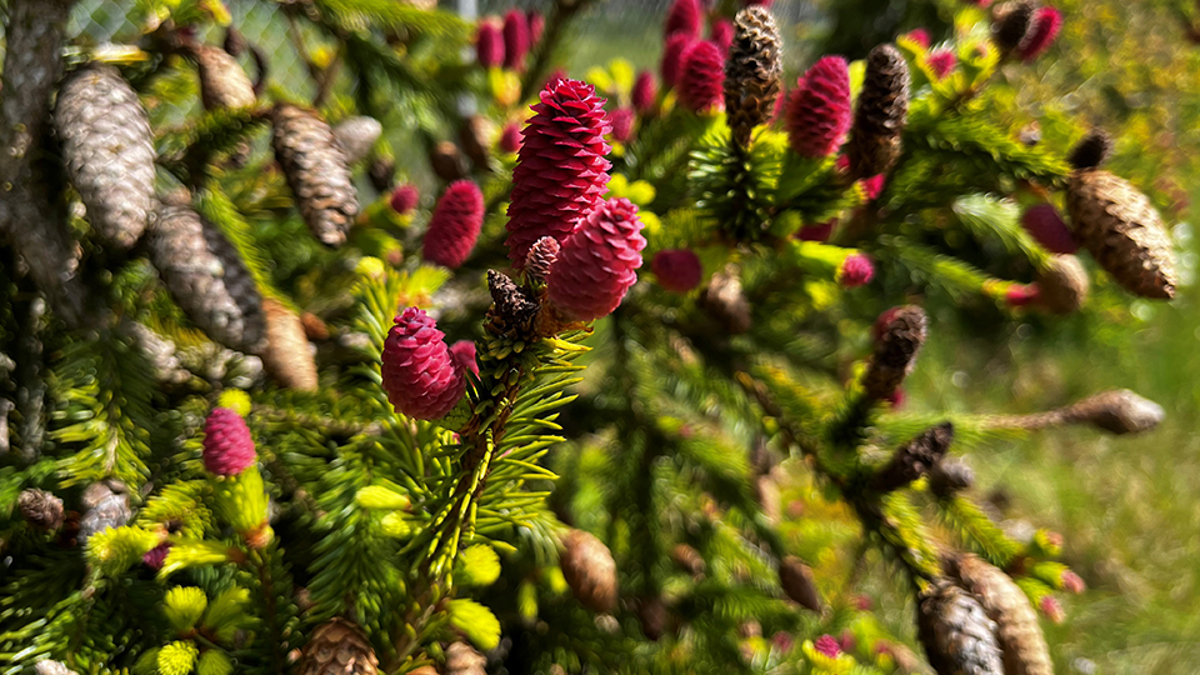
Why do spruce take decades to reproduce? A genetic study offers new clues (opens the original)
New techniques have enabled researchers in Sweden to begin decoding how one of Northern Europe's most important coniferous tree species switches from growing branches to producing cones – their seed-bearing reproductive organs.







Read: The Conversation, CORDIS, ESO, NASA, ScienceDaily and the newsroom feeds of 734 institutions. Last read: today. Each story's date is its publisher's. Where the news comes from, and what each source allows.