Science news
Recent stories from university newsrooms, The Conversation, CORDIS, observatories and ScienceDaily, each sorted into the fields, countries and institutions it is about, and each linked to the original publisher. Narrow them below by subject, country, institution, source, words or period. A signed-in reader can follow any filtered view and be told when a new story matches it.
3,061 stories match these filters.
-
OpenAI may have solved the Navier-Stokes equation — but mathematics is more than $1 million trophy hunts
Silicon Valley may end mathematical trophy hunting by making sport of it. But the modern mathematical landscape is so much broader than that.
Picture: (Wikimedia Commons)
-
At an old steel site in Pittsburgh, bacteria evolved to survive – and eat – industrial pollution
Decades of pollution at Pittsburgh brownfields left bacteria that evolved to survive it – and maybe help clean up contaminated soil.
-
NSTU-NETI is developing a unique cloud service for energy engineers (opens the original)
Novosibirsk State Technical University (NSTU) is creating a service for automatically checking relay protection thresholds using algorithmic analysis technology for electrical networks. The project became one of the best in the competition of the "Student Startup" Innovation Promotion Foundation.
-
New research centre launched to accelerate innovation in materials science (opens the original)
A new research centre has been launched at Keele University to bring together leaders from industry and academia in the materials science and innovation sector.
-
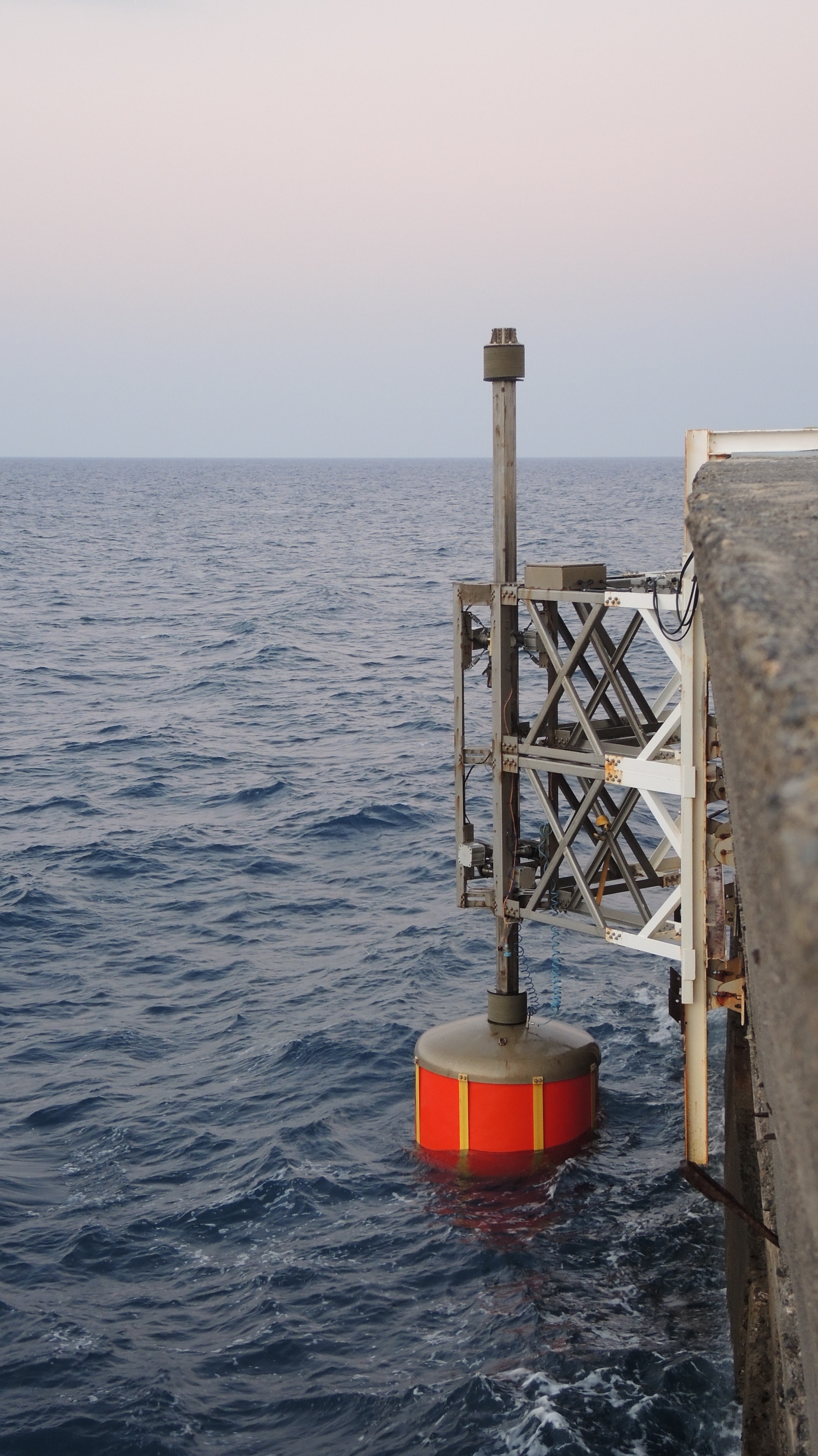
Green Energy from Ocean Waves (opens the original)
Ocean waves contain an enormous amount of energy. This energy can be harnessed with special buoys that use the fluctuating motion of the water to generate energy. This is particularly viable with large farms with many dozens of buoys. Researchers at the Universities of Augsburg, Adelaide, and Melbourne have now…
-
Australia’s vast Nullarbor Plain hides deep caves that can teach us about alien worlds
It might appear featureless, but one of the world’s largest limestone regions hides a remarkable underground world.
-
Can AI Really Decode Animal Language? (opens the original)
A new TAU study using toddler vocalizations reveals a fundamental challenge: AI can recognize patterns in sounds, but that doesn’t necessarily mean it understands what those sounds mean תוכן: In recent years, numerous attempts have been made to use artificial intelligence to decipher the communication of bats…
-
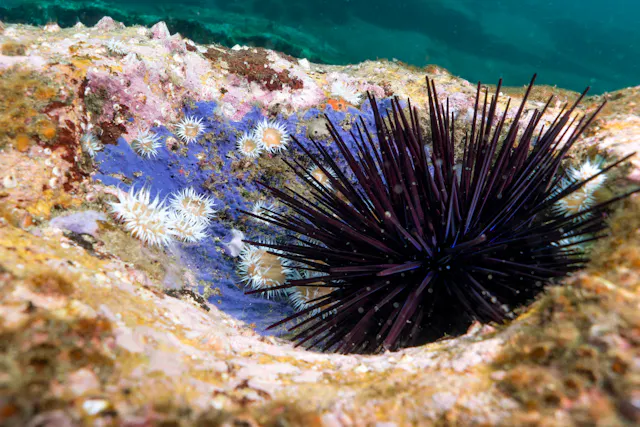
Why the story of urchin barrens and kelp forests is more complex than we thought
Sea urchins eat kelp – but new research shows their diets and relationships with kelp forests are more complex than commonly thought.
Picture: John Turnbull/Flickr, CC BY-NC-ND
-
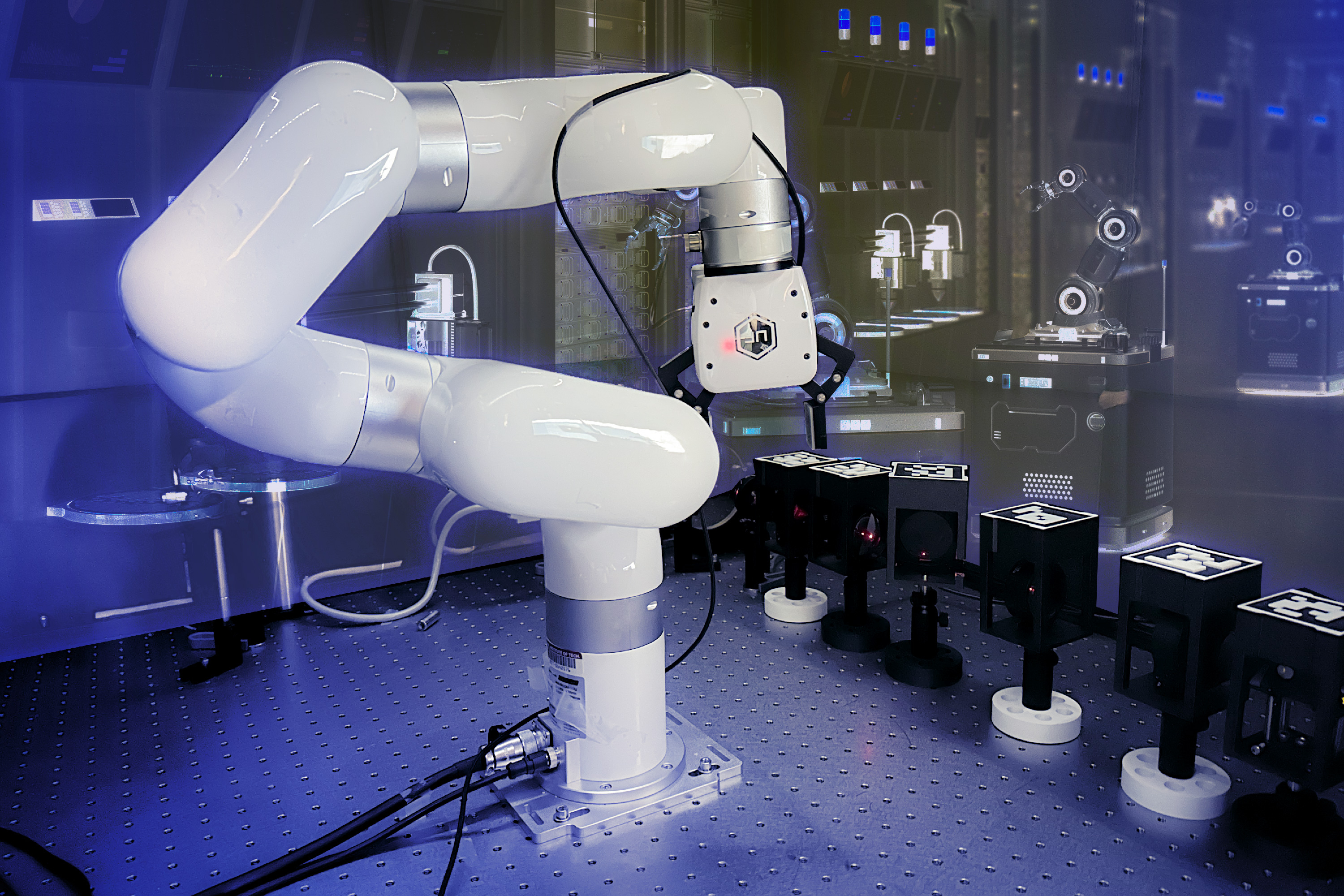
Robotic lab sets up and runs optics experiments on demand (opens the original)
The autonomous system could speed up testing of high-tech materials for applications such as solar cells, sensors, video displays, and quantum technologies.
-
We could soon be able to track changes in Australia’s forests in near-real time – using satellites
Collecting data from sensors in remote woodlands has long required arduous treks. What if sensors could transmit data in real time?
-
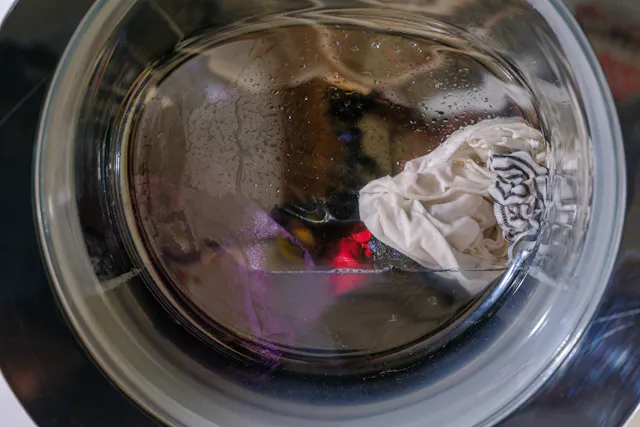
Why does laundry get smelly if it stays wet? A textile scientist explains how to fix it
Forgot your laundry in the washing machine? Sorry, you’re going to have to wash it again.
Picture: engin akyurt/Unsplash
-
Weeping whales: why one humpback whale mother stayed beside her dead newborn
Our latest study takes a closer look at the emotional lives of humpback whales.
-
UMBC researcher is helping unlock the mystery of dark energy with NASA’s Roman Telescope (opens the original)
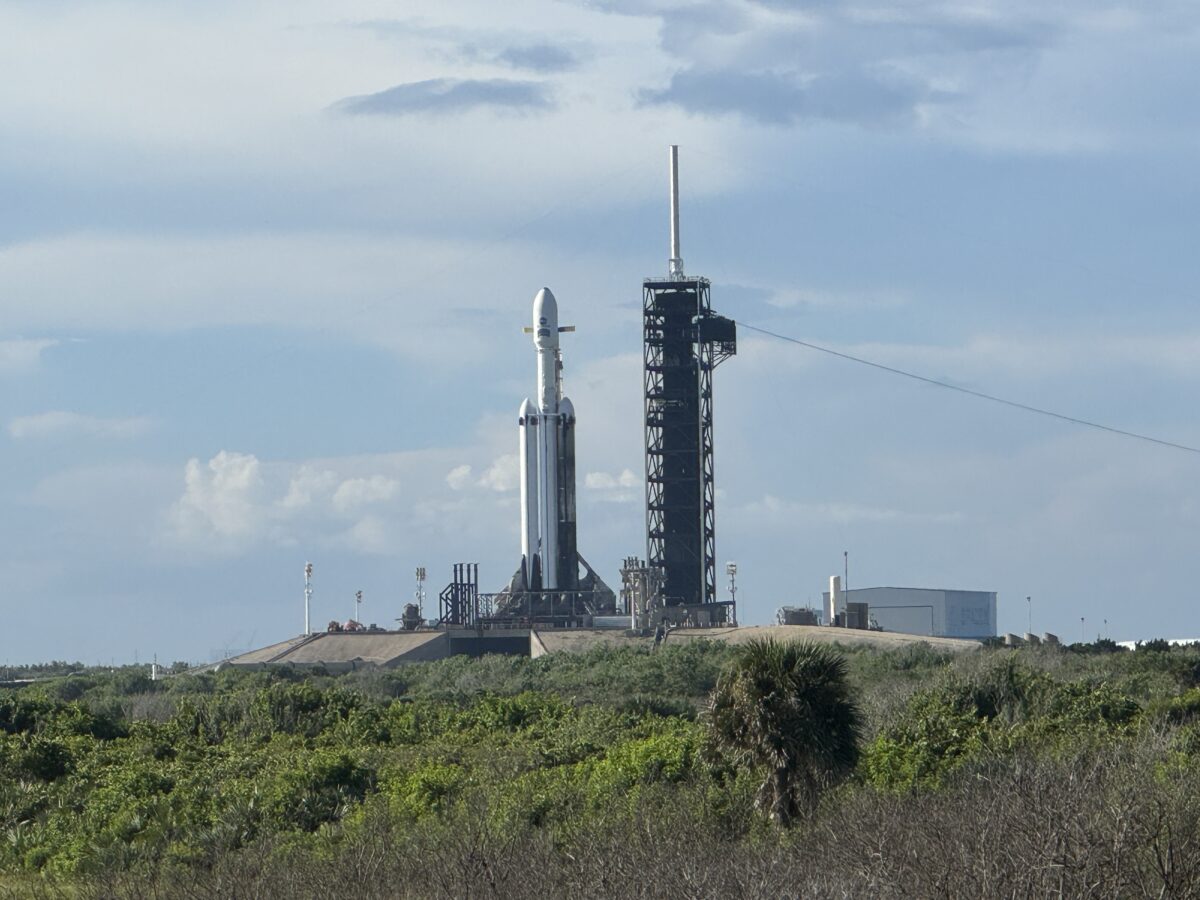
On August 30, the Nancy Grace Roman Space Telescope successfully launched from the Kennedy Space Center in Florida. The telescope is expected to provide an unprecedented amount of observational data that will help unravel lingering mysteries, such as the role dark energy plays in the universe’s accelerating…
-
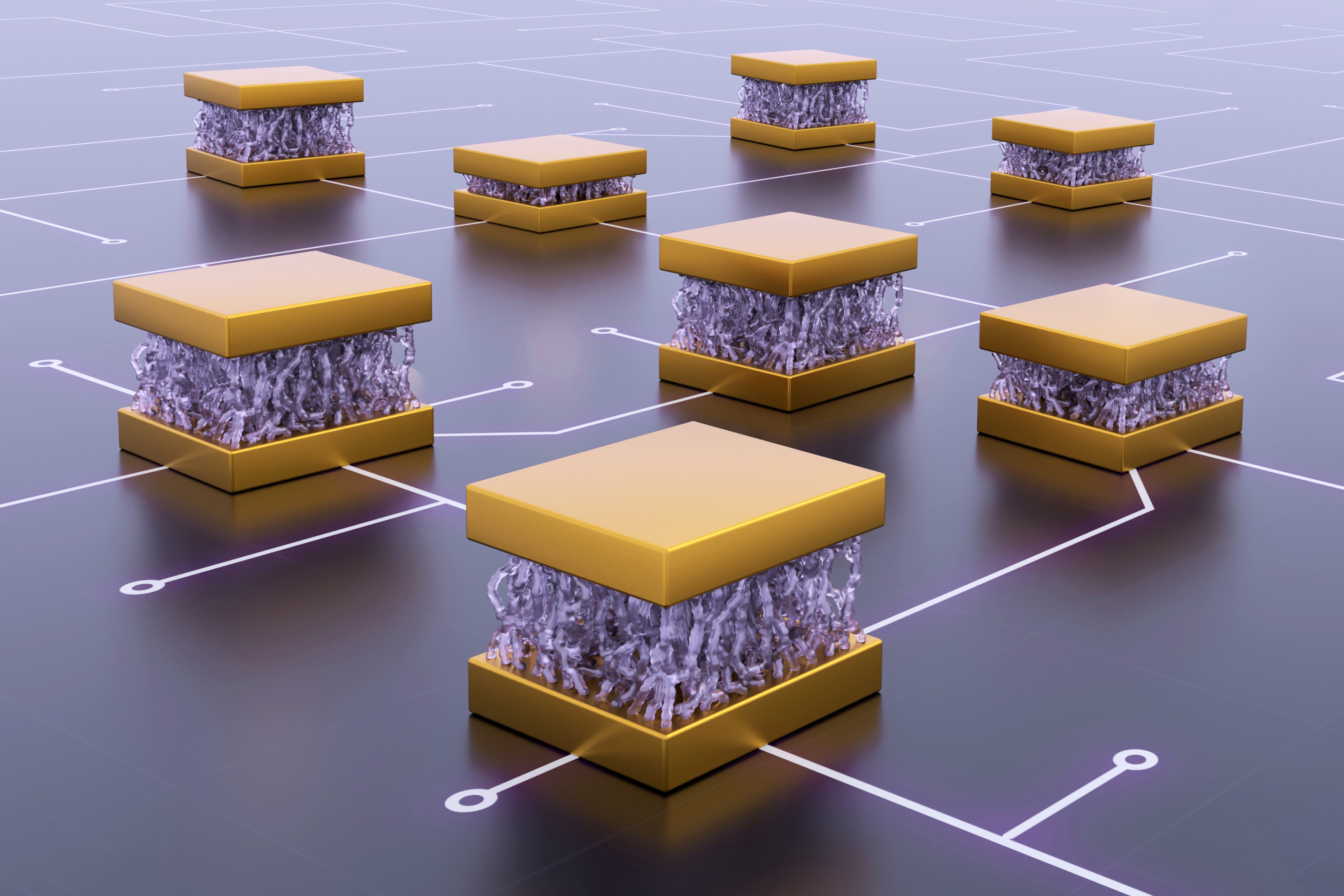
Nanoscale mechanics could enable brain-inspired computing (opens the original)
A new device uses reconfigurable motion to mimic the firing behavior of a neuron, which could lead to more efficient computing.
-
Rapid Houthi advances in Yemen pose massive strategic risks for Saudi Arabia in the Gulf
The resumption of fighting, paired with the ongoing closure of the Strait of Hormuz, complicates regional strategy and energy policy for the Gulf powerhouse.
-
NSF announces 3 additional topics as part of the NSF X-Labs initiative to pursue generational breakthrough science and technology efforts (opens the original)
NSF X-Labs invites proposals from teams working in AI for physical systems and announces two forthcoming topics
-
VIDO researcher named one of Canada’s Top 40 Under 40® (opens the original)
Dr. Arinjay Banerjee’s (PhD) career could be described as meteoric.
-
Advertising is coming to AI chatbots — and it could influence the answers you get
AI companies are turning to advertising to fund expensive systems. But commercial incentives could influence how answers are generated.
Picture: (Unsplash)






Read: The Conversation, CORDIS, ESO, NASA, ScienceDaily and the newsroom feeds of 734 institutions. Last read: today. Each story's date is its publisher's. Where the news comes from, and what each source allows.