Science news
Recent stories from university newsrooms, The Conversation, CORDIS, observatories and ScienceDaily, each sorted into the fields, countries and institutions it is about, and each linked to the original publisher. Narrow them below by subject, country, institution, source, words or period. A signed-in reader can follow any filtered view and be told when a new story matches it.
823 stories match these filters.
-
From war to weather, Australian farmers are planting spring crops in an uncertain world
Growers across the country are grappling with surging fuel prices and inconsistent rainfall.
-
Iran war pushes diesel – the economy’s lifeblood – to record high prices, with no relief on the horizon
The country, and the world, have been losing diesel refining capacity for many years and can’t just ramp up production to fill the shortages.
-
Separating the measles, mumps and rubella vaccine could decrease access for Colorado parents
Parents concerned about vaccine overload may not get the outcome they expect from Trump’s recent vaccine executive order.
-
What Wendell Berry meant to Christian farmers going green
For farmers breaking away from conventional agriculture, the Kentucky farmer-poet was a powerful example of someone who combined faith with a commitment to the environment.
-
Fungi nutrient sensing breakthrough may aid green tech, disease control (opens the original)
Fungal diseases can contribute up to 20% of staple crop losses and drug-resistant fungal infections lead to some 3.8 million human deaths, globally per year.
-
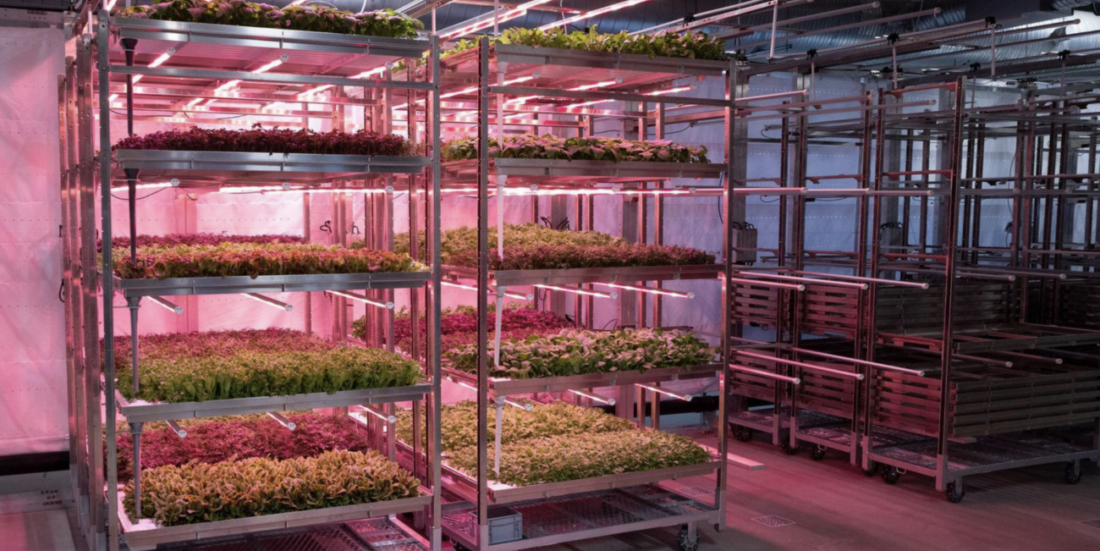
From seed to packaging, a robot can now grow food year-round (opens the original)
At Avisomo Modular Farming the lettuce is sown, grown, and packaged – all untouched by human hands. Increased food security and fewer imports are the goal.
-
Travelling with kids: how can you minimise jet lag with your little ones?
Travelling with kids isn’t easy and jet lag can be particularly painful. There are ways to make it easier.
-
Will El Niño send food prices soaring this summer?
This year’s El Niño is likely to be the strongest on record. That would boost some fruit supplies – but it could also push up wheat, sugar and beef prices.
-
Climate change is making it easier for invasive species to succeed
More common extreme weather events can create opportunities for invasive species to spread.
-
Your brain runs on 20 watts. Could brain-inspired computing do the same?
Neuromorphic technology is reimagining how computers should work.
-
Single Cell Discoveries expands with acquisition of TATAA Biocenter (opens the original)
Oncode Institute spin-off Single Cell Discoveries expands its capabilities with the acquisition of TATAA Biocenter.
-
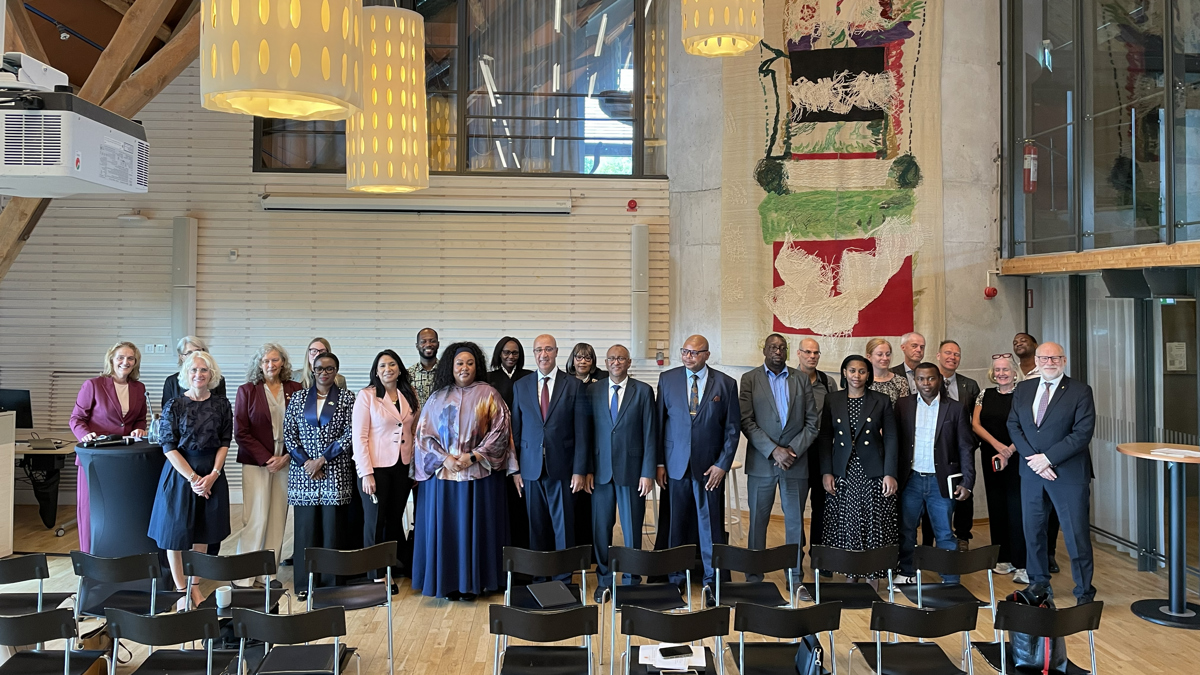
Fertilisers in times of crisis: Dialogue on resilient value chains for food security in Africa (opens the original)
Researchers, policymakers and diplomats gathered at SLU in Uppsala to discuss how resilient fertiliser value chains can contribute to food security and sustainable development in Africa amid growing global uncertainty.
-
Climate change is putting the squeeze on the world’s grapegrowers: new research
Renowned wine regions from Australia to South Africa are battling increasingly fierce fire seasons.
-
NIMR Receives Bioinformatics Equipment to Advance Health Research and Genomic Data Analysis (opens the original)
The National Institute for Medical Research (NIMR) has received bioinformatics equipment and systems from AMREF Health Africa Tanzania to advance health research and genomic data analysis, while strengthening the Institute’s capacity to generate evidence for disease surveillance, outbreak preparedness and public…
-
How advertising turns our insecurities into profit — and how you can resist the manipulation
Advertising can turn our fears about aging, failure and belonging into reasons to buy, and repeated exposure can reshape what we see as a good life.
-
Greyhound racing just turned 100, and says its dogs are fine. But are they?
The welfare information that animal industries release shapes public trust.
Picture: Craig Allen/flickr, CC BY-NC
-
Iron overload: how tea, coffee, red meat and alcohol can affect absorption
Tea and coffee may reduce iron absorption, while alcohol and some supplements can increase it.
-
How South Korea is tackling its super-aging problem – and what other aging nations can learn from its experience
South Korea’s unusually rapid transition to a super-aged society means it has had little time to find solutions for pension funding and healthcare for the elderly.
-
Why does your brain mix up memories? A new study examines how memories are misplaced in your brain’s filing cabinets
Rather than simply forgetting a memory, your brain has likely misplaced it. Aging can make memory confusion worse.
-
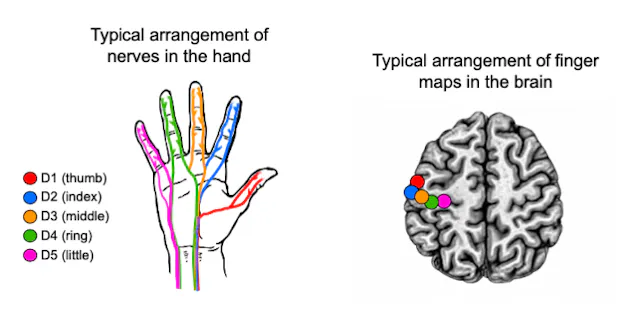
Repairing a severed nerve can alter the brain’s map of the hand – new research
Surgery can restore communication between the hand and brain, but new research suggests the brain’s response to individual fingers may change.
Picture: Ken Valyear/JohnBonachon/Wikimedia Commons (public domain), CC BY


Read: The Conversation, CORDIS, ESO, NASA, ScienceDaily and the newsroom feeds of 734 institutions. Last read: today. Each story's date is its publisher's. Where the news comes from, and what each source allows.