Science news
Recent stories from university newsrooms, The Conversation, CORDIS, observatories and ScienceDaily, each sorted into the fields, countries and institutions it is about, and each linked to the original publisher. Narrow them below by subject, country, institution, source, words or period. A signed-in reader can follow any filtered view and be told when a new story matches it.
2,234 stories match these filters.
-
Base editing rescues a hereditary motor neuron disease in mouse and patient-derived iPSC organoid models (opens the original)
<Dissertation information>Journal:Molecular Therapy AdvancesTitle:Base editing rescues a hereditary motor neur... The post Base editing rescues a hereditary motor neuron disease in mouse and patient-derived iPSC organoid models first appeared on THE UNIVERSITY OF THE RYUKYUS.
-
Cardiac rehabilitation cuts hospital admissions and heart attack risk (opens the original)
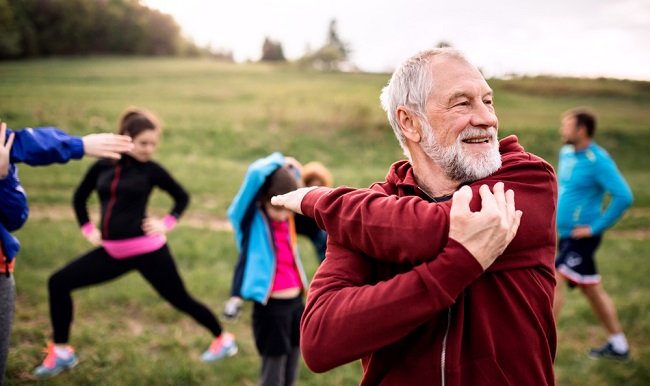
Exercise-based cardiac rehabilitation reduces hospital admissions by a third and heart attack risk by more than a quarter, as well as remaining beneficial in the long term, a new Cochrane review finds
-
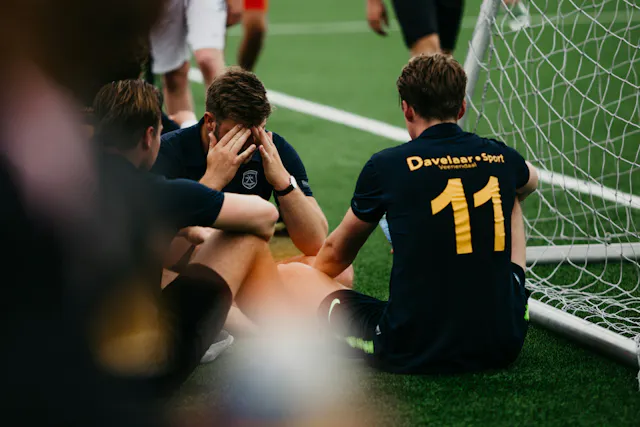
The International Olympic Committee wants mental health screening in elite sports. Here’s why
The mythology of the bullet-proof athlete often obscures the reality of elite sport’s mental toll.
Picture: Joppe Spaa/Unsplash
-
What happens when a neighbourhood bottle store closes? We asked local residents
As alcohol licensing laws face change, new research suggests closing individual outlets can bring noticeable benefits for nearby residents.
-
Rethinking how we assess students could improve their well-being
Classroom assessment is a major source of student stress. Research suggests redesigning assessments around psychological needs may improve well-being.
-
Museums on prescription: how cultural activities are becoming crucial to the public health debate
Research on how heading to a museum could be good for the brain and general wellbeing suggests that culture fixes are an important resource for public health and social cohesion.
- Centre National de la Recherche Scientifique
- Institut d'Etudes Politiques de Paris
- Aix-Marseille Université
- France
Picture: Loic Manegarium/Pexels, CC BY
-
A new mechanism discovered that helps cells prevent errors during DNA replication (opens the original)
At the scale of individual cells, the human body is constantly in motion. Every second, millions of cells divide, particularly in tissues such as the bone marrow, intestine and skin –neurons and heart muscle cells divide far less frequently. All of this depends on the molecular machinery responsible for copying the…
-
Using ‘neurodivergent’ as a catch-all term is problematic – here’s why
Not even experts can agree on what the term means.
-
The mosquito’s transition from vegan to bloodsucker explained (opens the original)
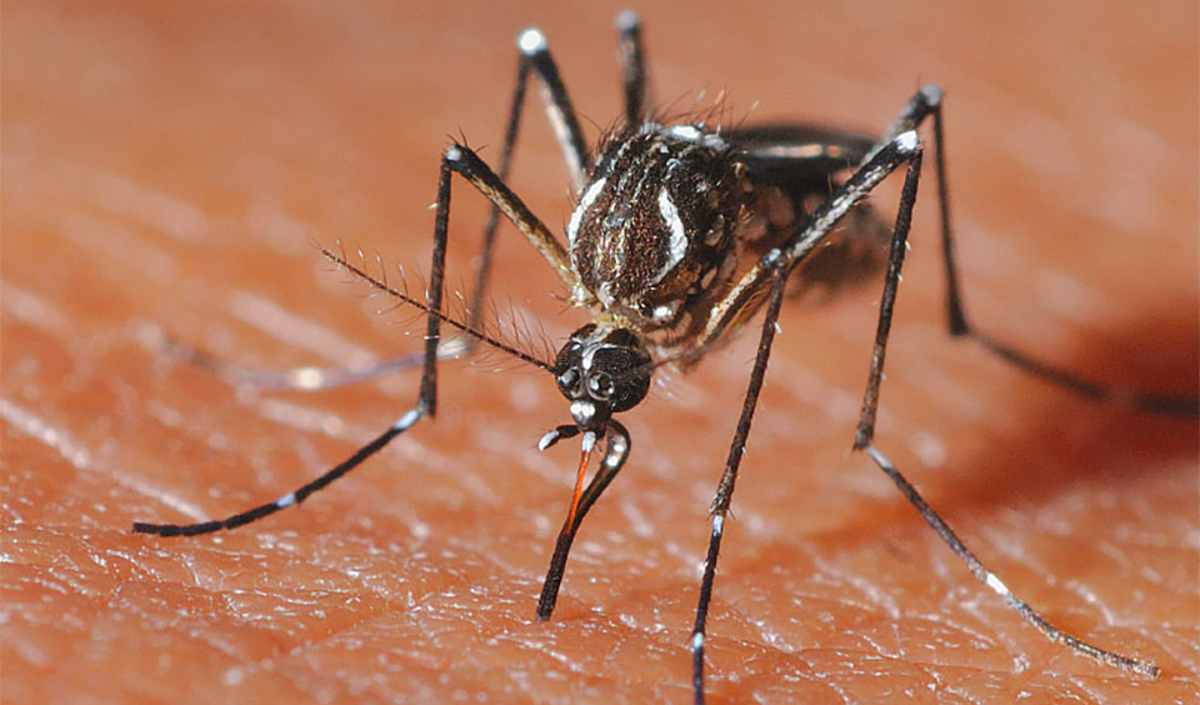
Scents govern most key events in the lives of mosquitoes, and there is extensive research on their sense of smell. A new study reveals how a young female mosquito shifts from focusing entirely on nectar to seeking only blood. An odour receptor that reacts to camphor was found to play a key role.
-
Separating the measles, mumps and rubella vaccine could decrease access for Colorado parents
Parents concerned about vaccine overload may not get the outcome they expect from Trump’s recent vaccine executive order.
-
Teaching the immune system to control HIV (opens the original)
A large clinical trial shows that long-acting antibodies may work with the immune system to control HIV and help reduce the reservoir that would make lifelong treatment necessary.
-
From the lab to the first child treated (opens the original)
Today marks World Patient Safety Day – a reminder that safe, quality care should reach everyone, including patients who have long been overlooked in the development of medicines. For decades, preschool-aged children at risk of schistosomiasis lacked an approved, age-appropriate treatment. In March 2025, the first…
-
Breast density clue for cancer risk (opens the original)
Women with a higher Body Mass Index in early adulthood may have a lower risk of developing breast cancer after the menopause because of lasting changes in the structure of their breast tissue, according to researchers at The University of Manchester and Manchester University NHS Foundation Trust.
-
National Health Literacy Month: Navigating Health Information in the Age of AI (opens the original)
It is easier than ever to find health information. You can use websites, video visits, phone apps, and AI tools to learn about your health and care. What Is Health Literacy? Health literacy means being able to find, understand, and use health information. It helps you make good choices about your health. Here are some
-
We’re Ignoring the Cause of Homelessness, and How to Solve It (opens the original)
Owning a home, or at least having one, has long been considered an essential part of the American dream. But what if Americans judged success not by whether people had housing, but by whether they discovered — or rediscovered — who they were created to become? Source
-
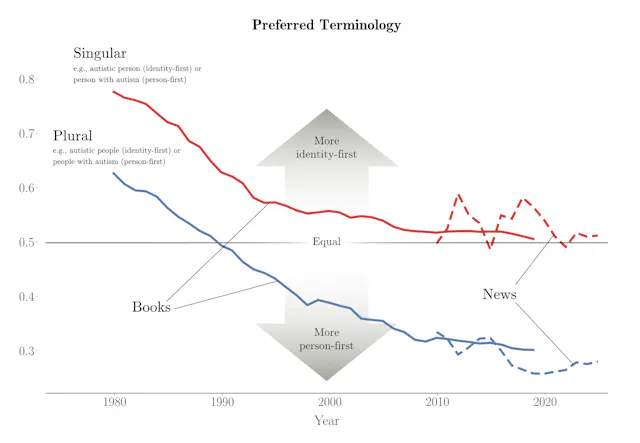
Should you say ‘autistic person’ or ‘person with autism’? Here’s how language has changed
New research charts how preferences have changed over the past 45 years, and where they stand now.
-
Are data centres actually noisy, and is this bad for our health?
Noise concerns have tanked several data centres proposed in residential areas in Australia. But is the noise just annoying, or is it bad for our health?
-
How New Artificial Lung Technology Could Change the Game for Chronic Lung Disease (opens the original)
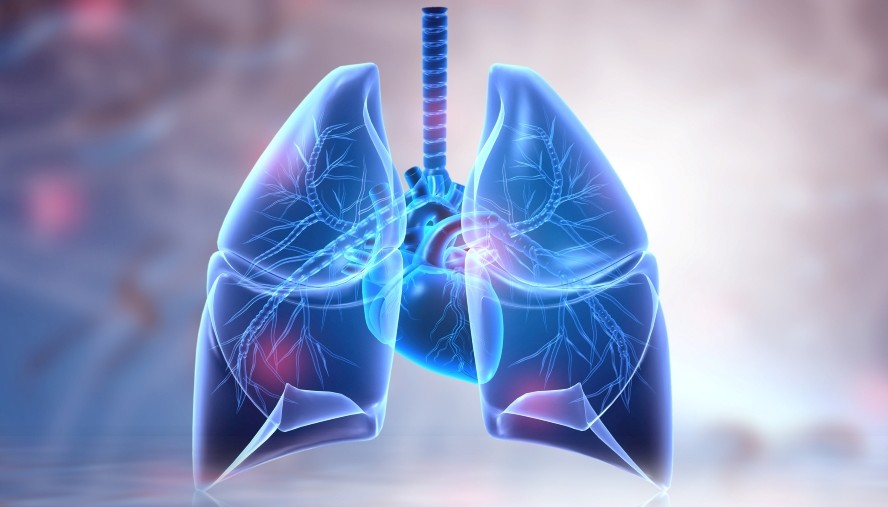
Long-term medical treatment for chronic lung disease has stumped doctors and scientists for years. Now, researchers from Carnegie Mellon University have created new artificial lung technology that could drastically change health outcomes and quality of life for patients across the country.
-
Living with and beyond cancer: the promises and challenges of digital health (opens the original)
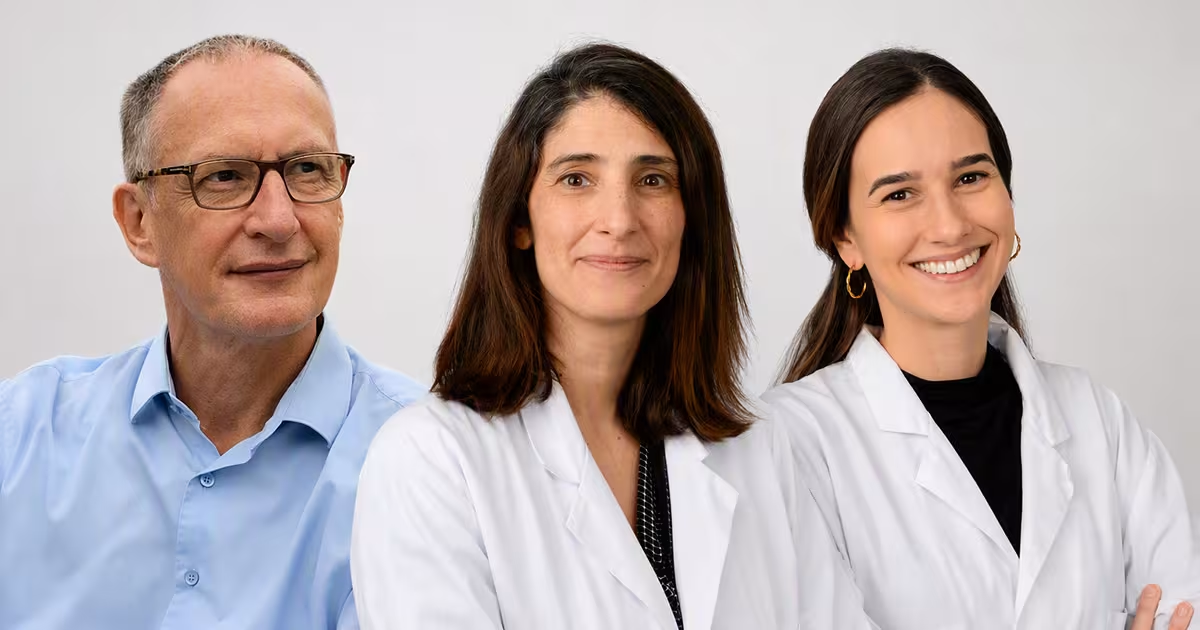
In a Viewpoint article published in The Lancet Digital Health, Drs Ines Vaz-Luis and Maria Alice Franzoi, together with Emmanuel Mussault, a patient partner at the PRISM University






Read: The Conversation, CORDIS, ESO, NASA, ScienceDaily and the newsroom feeds of 734 institutions. Last read: today. Each story's date is its publisher's. Where the news comes from, and what each source allows.